Yes, I admit, I am a Bird Lady

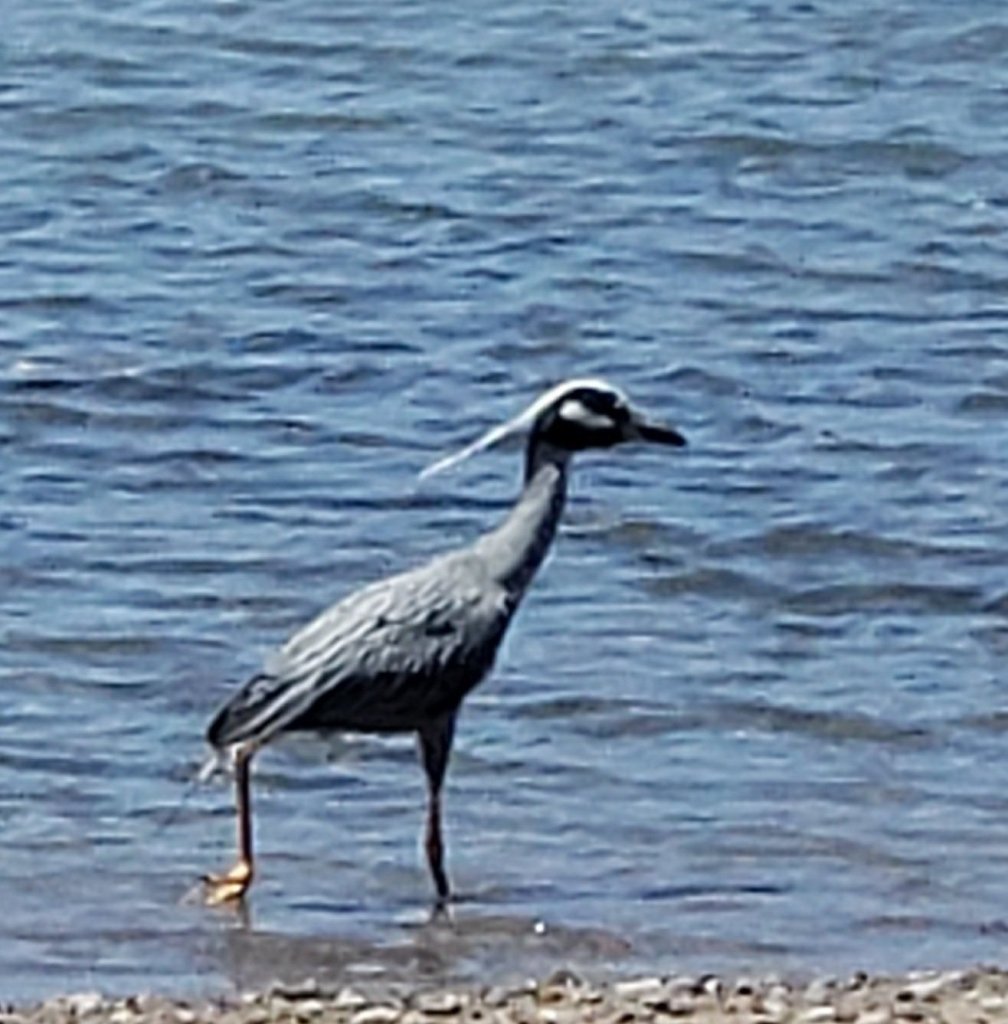
Yellow crowned night heron

Traveling nearly 3,000 miles along the coastal regions of the Baja and Mexican Mainland, I have enjoyed my search for new birds, both on and off the water.

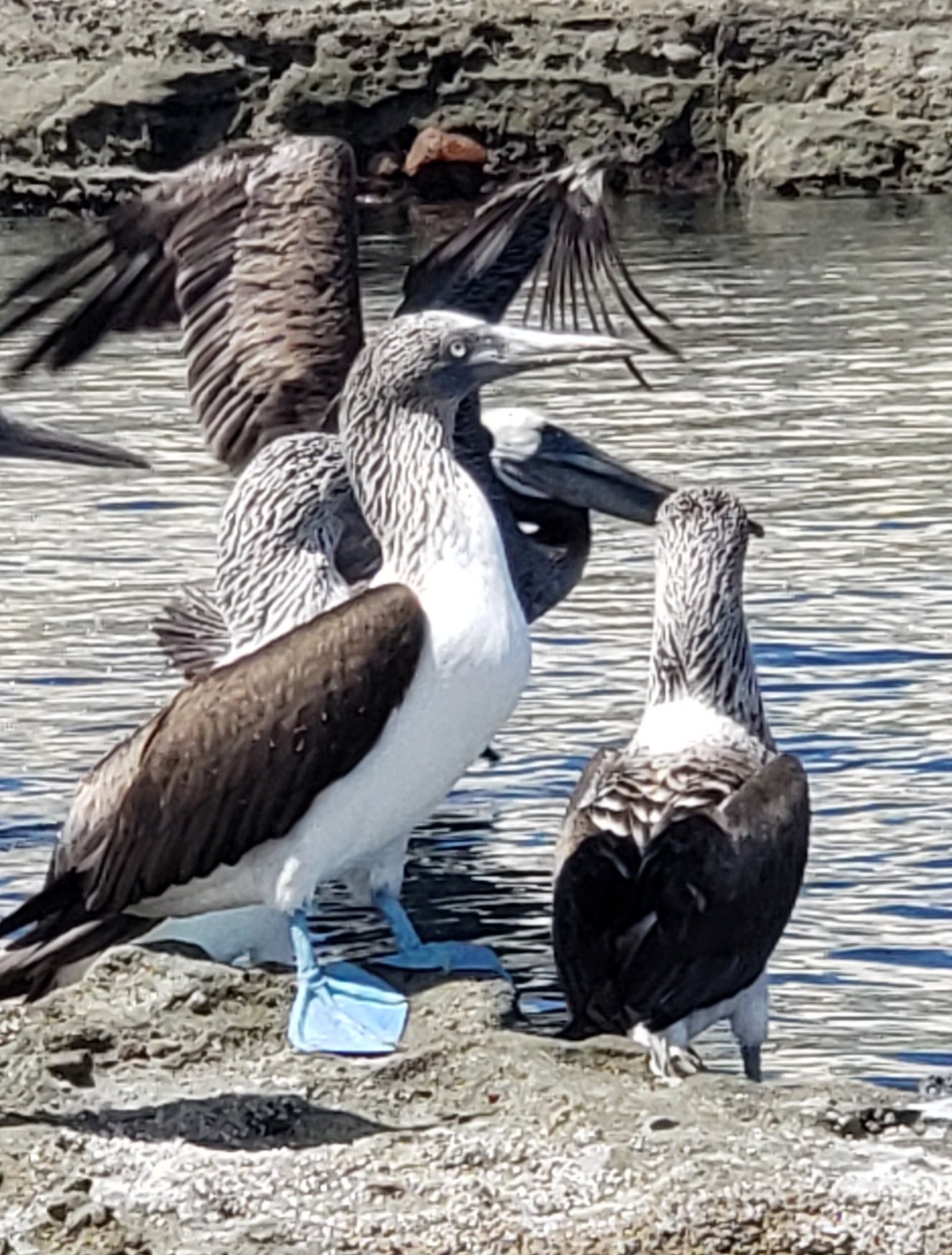
Blue footed Boobie

Besides noticing the numerous typical sparrows, wrens, hummingbirds, pigeons, finches, jays, hawks, cormorants, pelicans, vultures, gulls…. I have also photographed and recorded hundreds of other birds over the last year. I have found the Cornell Lab of Ornithology, Merlin App very helpful.

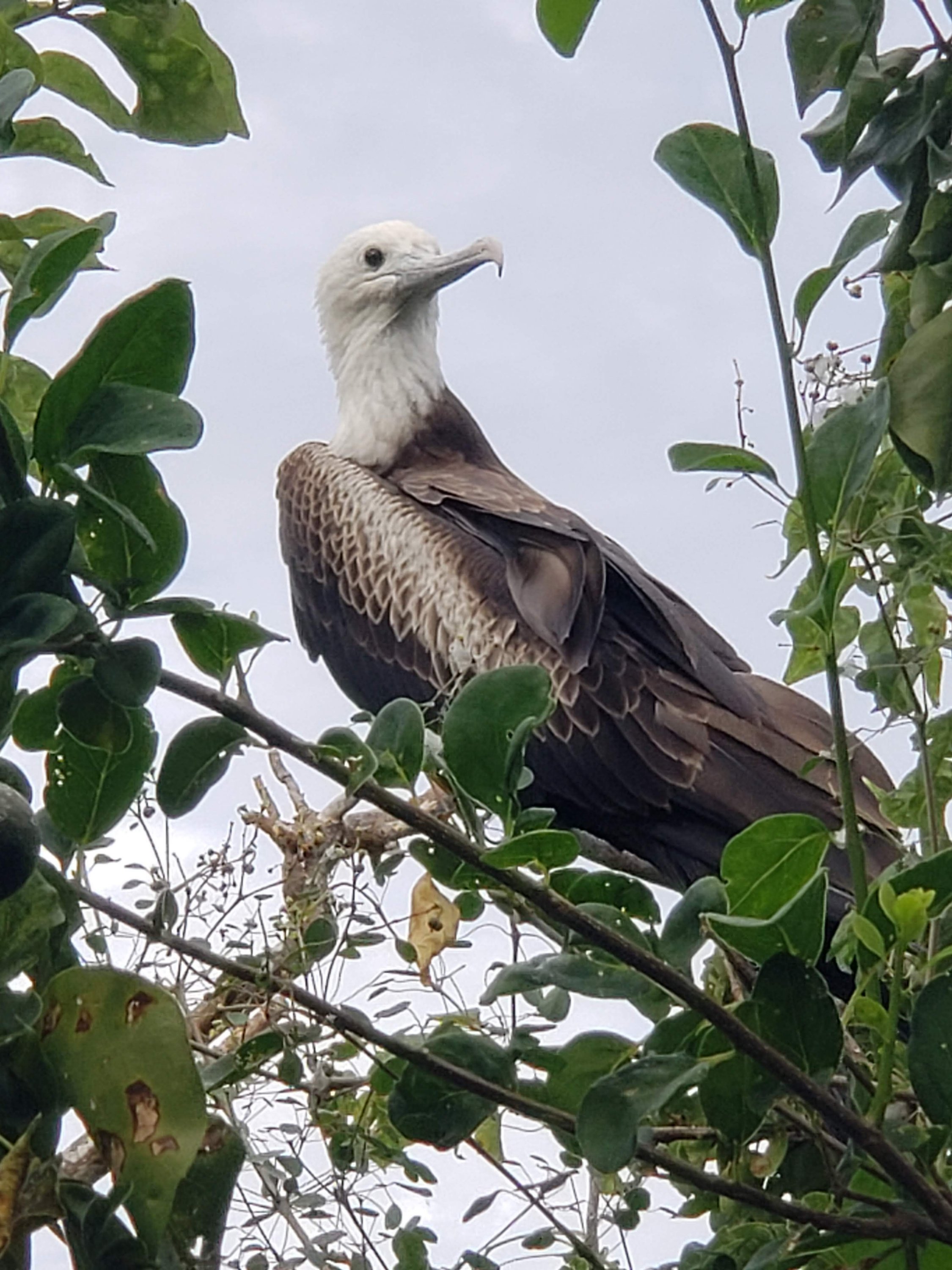
Majestic Frigate

I have enjoyed identifying my birds along with learning feeding habits, behaviors, sounds, and breeding.

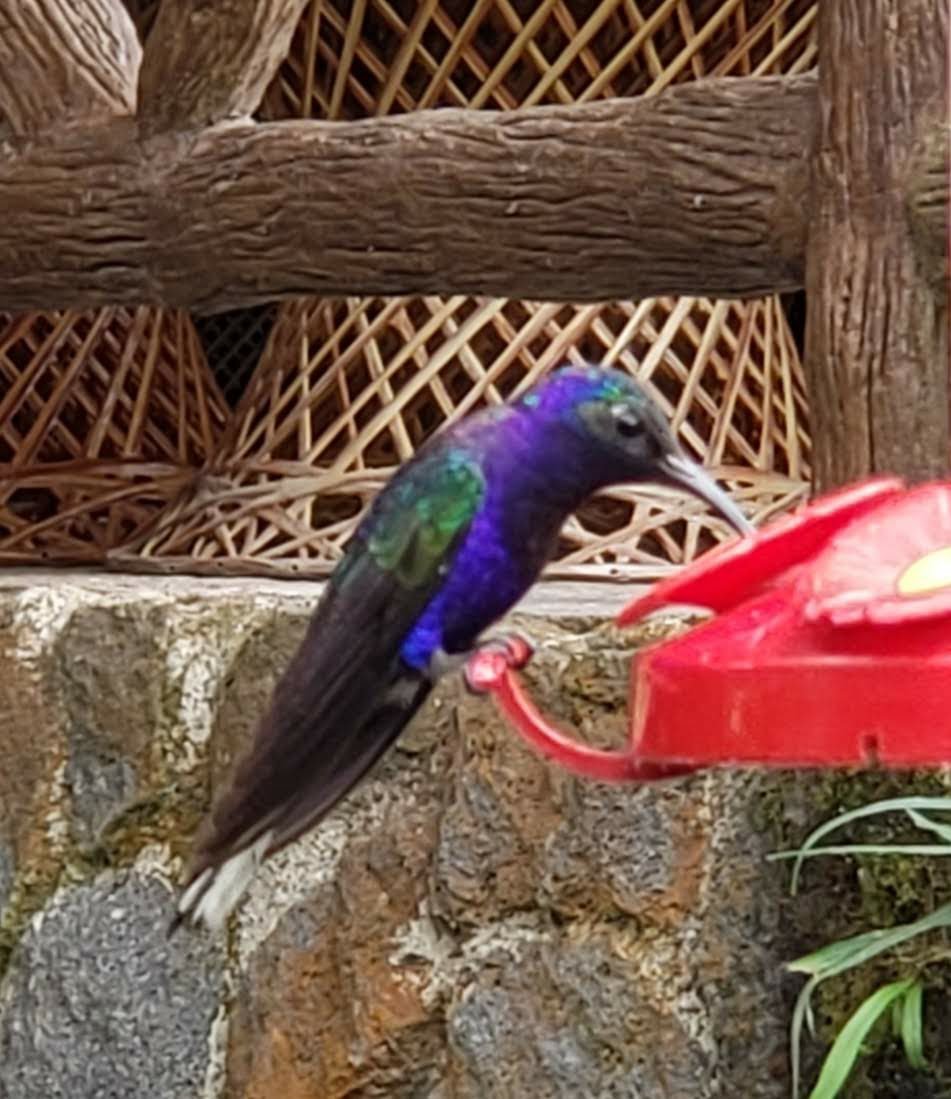
Jalisco Hummingbird

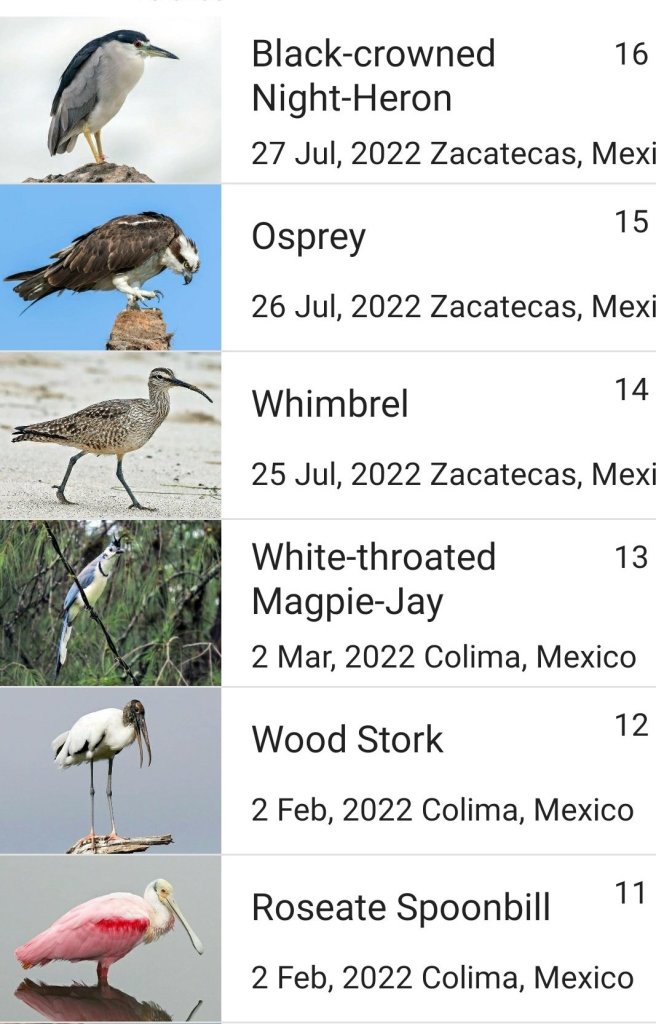
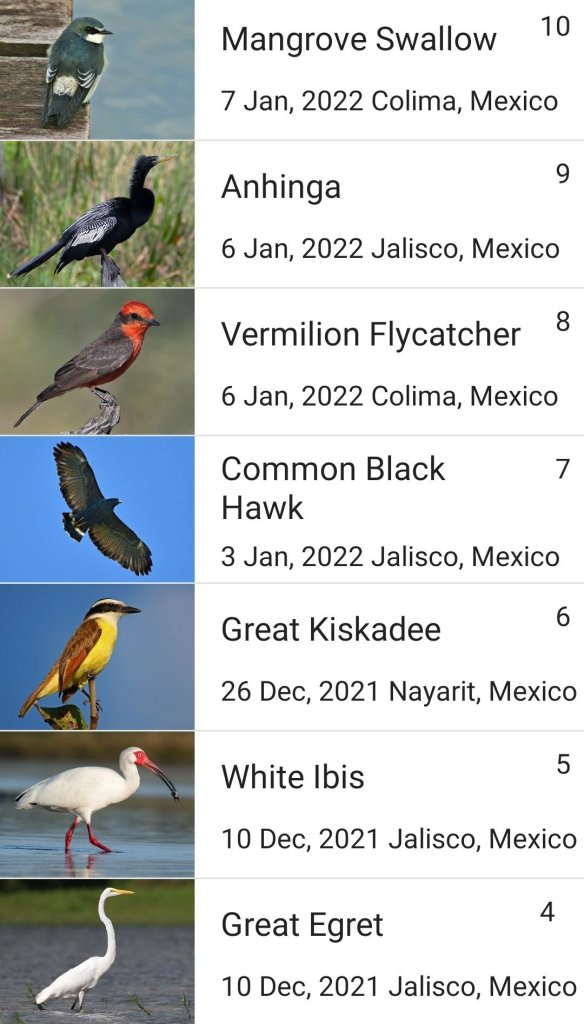
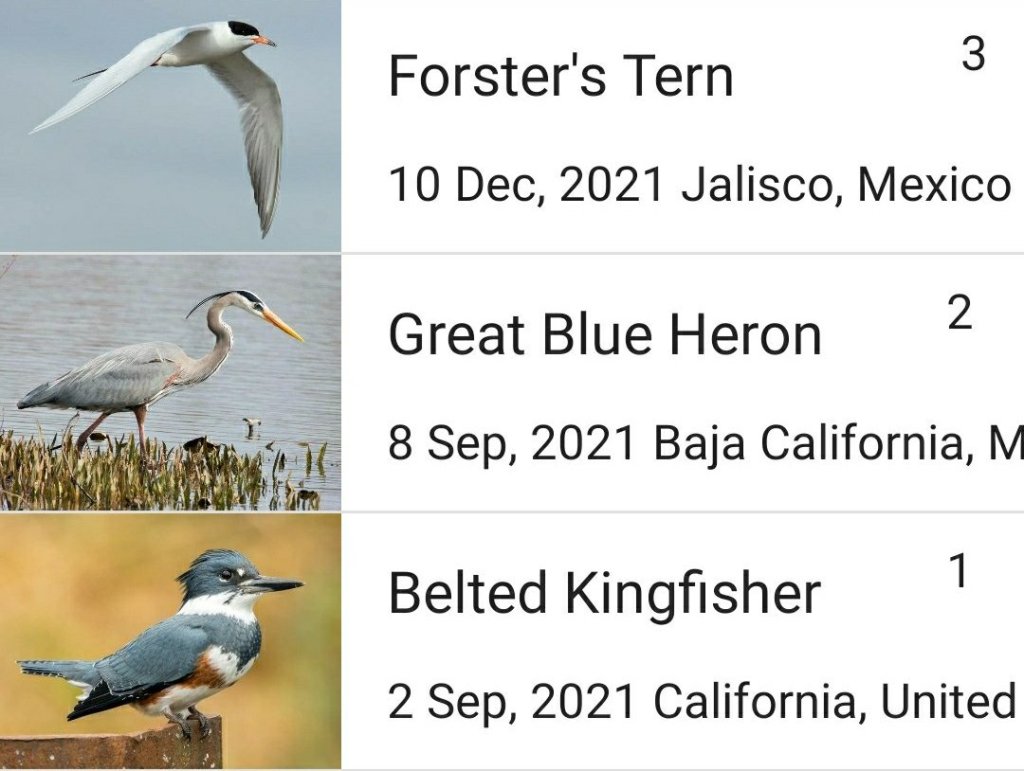
The photo identification below is a partial screenshot from my Merlin App for anyone who is interested.

5 most Commonly found Plants in Baja, California

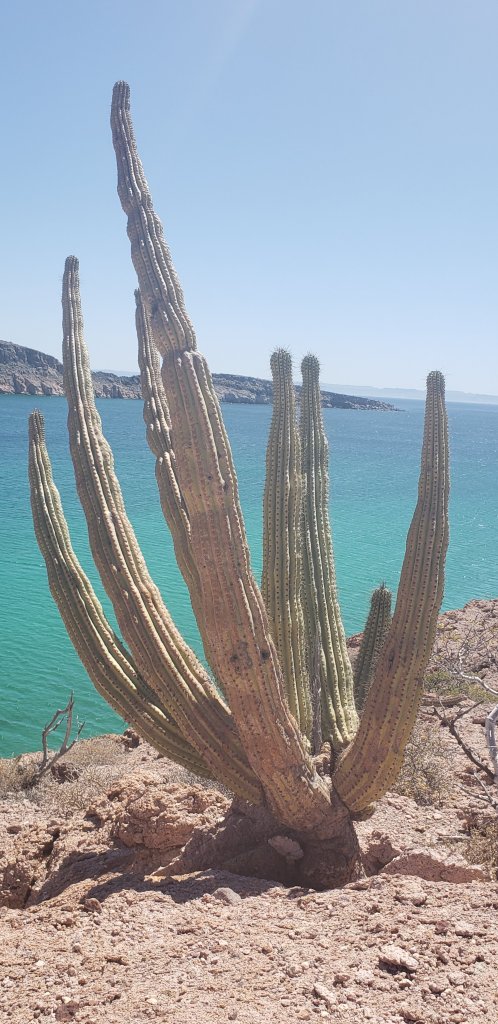
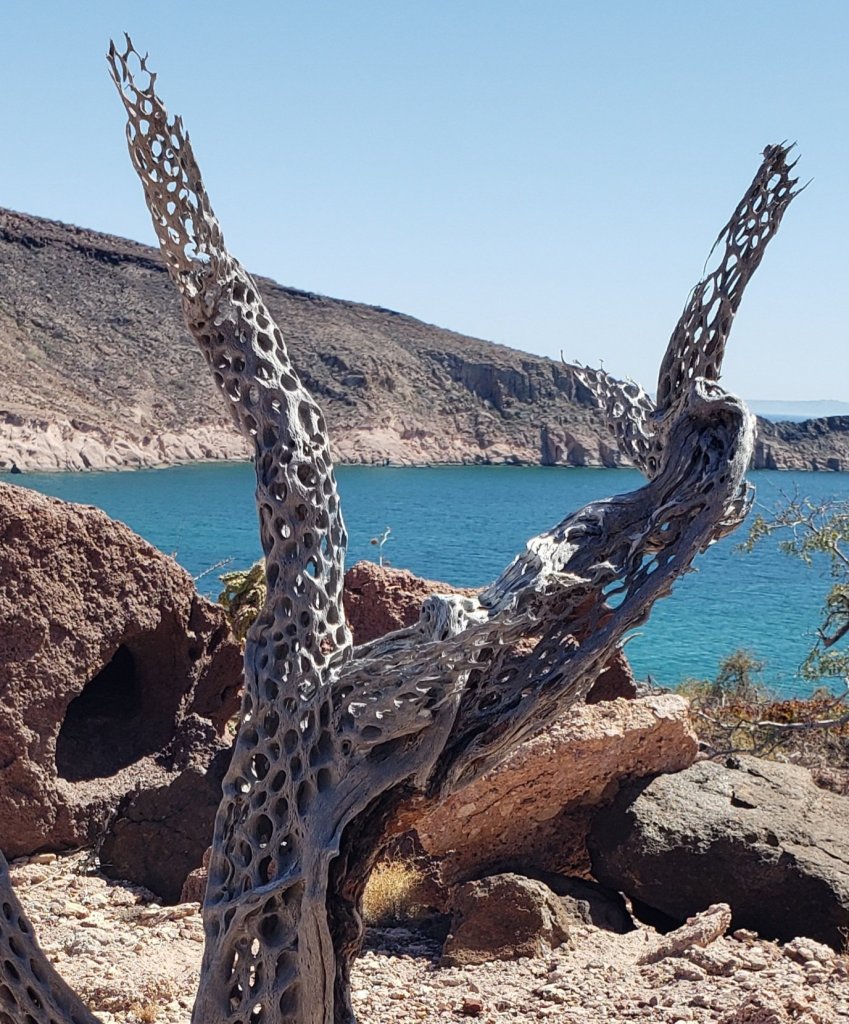
Cardon Cactus, reaching 19 meters high and living more than 100 years, is prolific here on the Baja Peninsula. The fruit was eaten by the indigenous Indians of this area, but it only produces fruit at 50 years old, kind of rough for any farming.

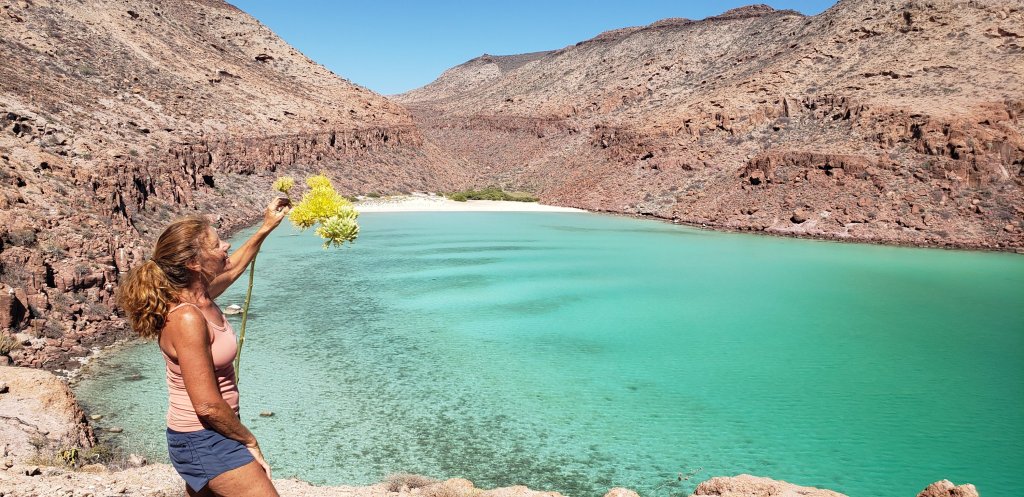
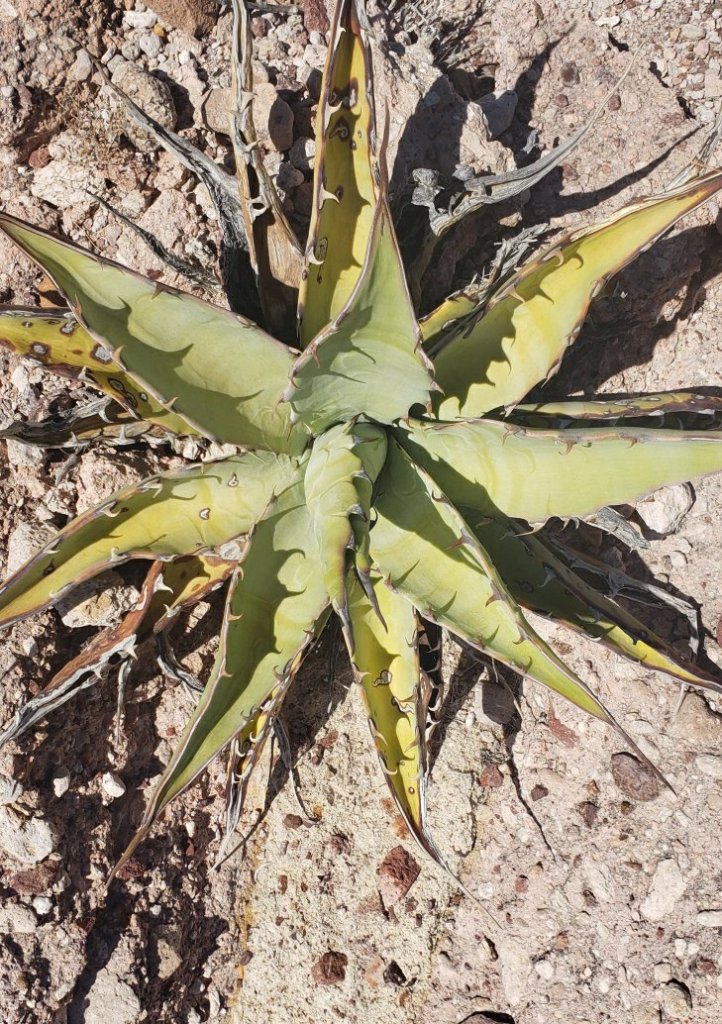
Agave; common to North America and Mexico- is also referred to as Century Plant. It flowers, usually with a tall spike with yellow blossoms like below, but only after 15 to 25 years. Then it dies.
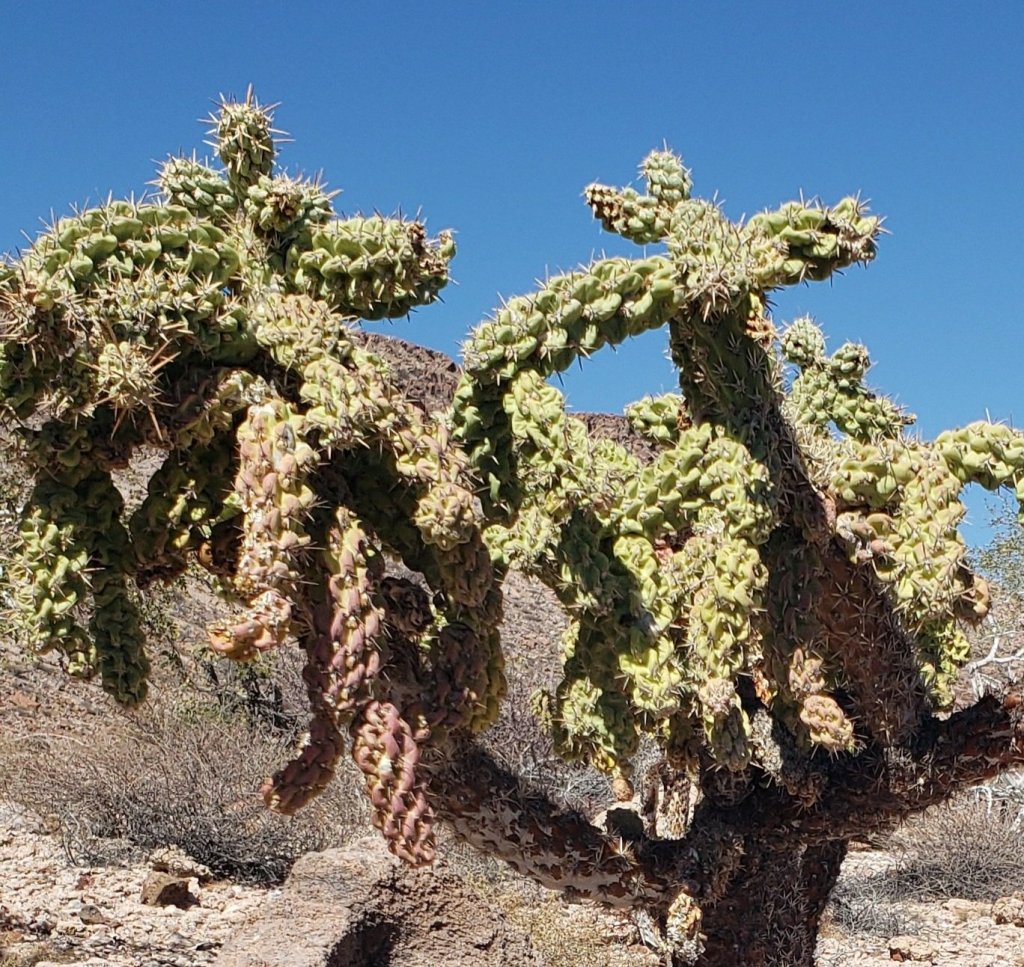
These are fascinating plants dead or alive. The Sonora Jumping Cholla; seen all over at about hundred feet above sea level. These strange looking plants got their name from the small ball like barbed cactus piece they drop. Many hiker friends of ours have been “jumped” by this cacti/ball, needing a pair of needles to remove the thorns.
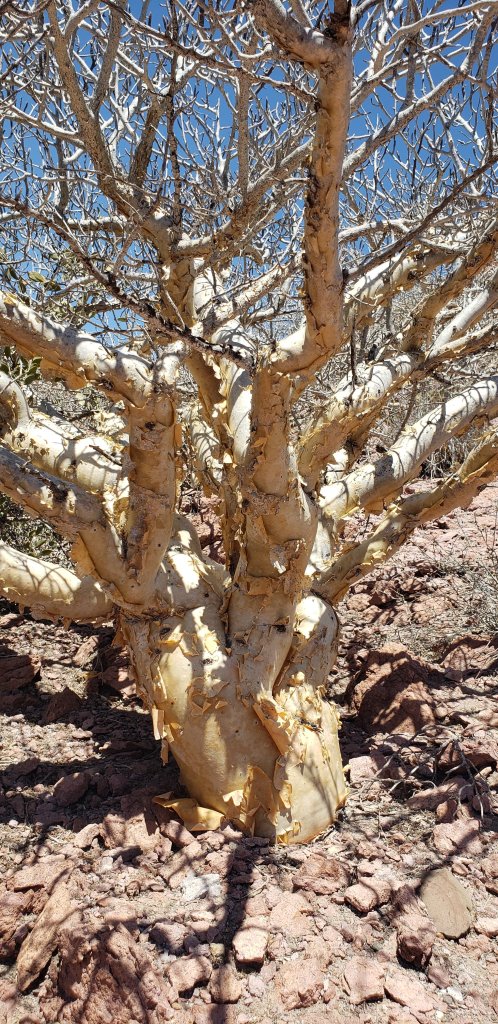
Elephant Tree; they only seem to grow a few feet tall, but can be as tall as 25 feet. These are shorter on the Baja, probably for wind protection. Cream colored flowers with pink in the center blooms in May, depending on moisture. A town along the Baja reported no rain in a few years.
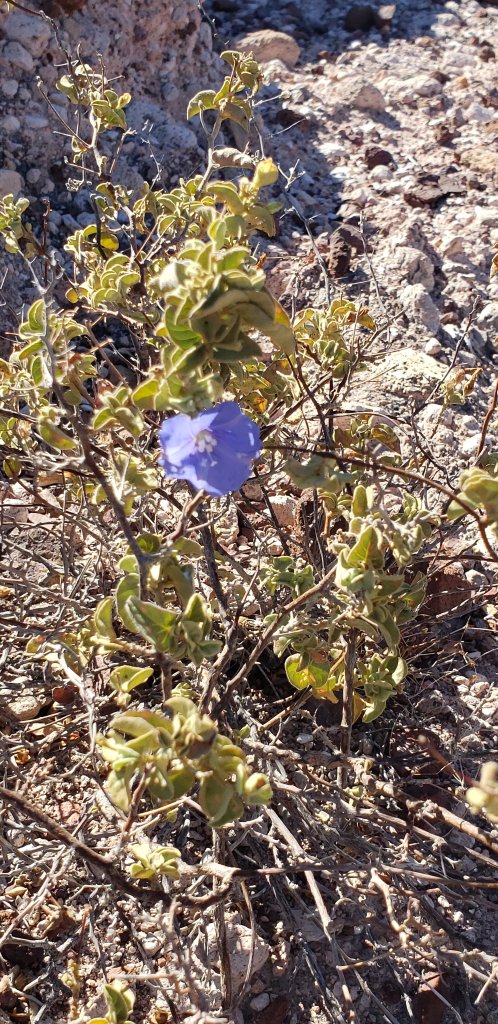
Dwarf Morning glory; its rare to find one with a bloom, as its so dry here.

Wonders of Bahia De Los Angeles, Mexico

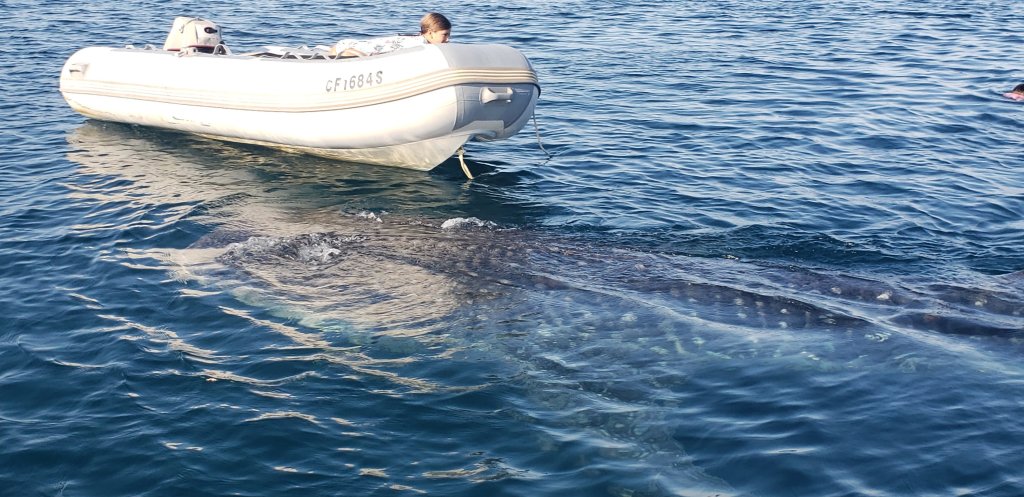
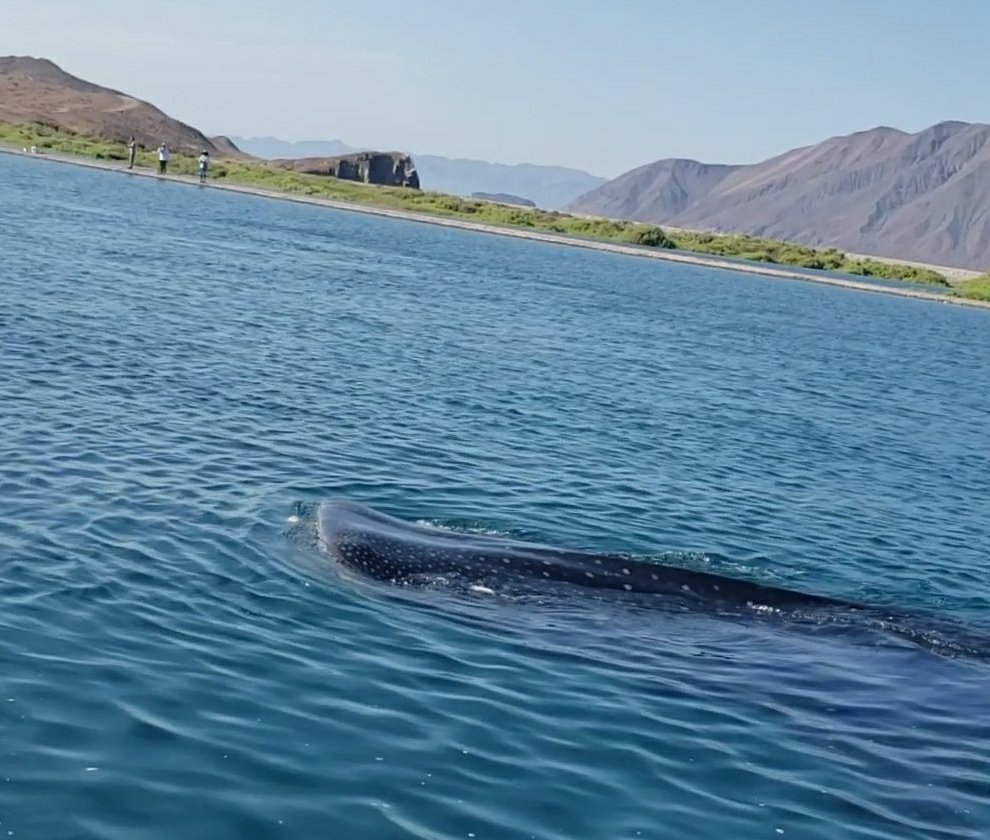
We witnessed the best, epic day of snorkeling with the whale sharks!  These docile, gentle giants hang out in the late afternoons when the light shows their dinner, which is microscopic plankton. Lucky for us all, they don’t mind snorkelers touching them. They summer here in 85 degree waters of the northern Sea of Cortez, Bahia De Los Angeles. Then head south to La Paz in the winter months.

The amazing assortment of sea life has been beyond our expectations.
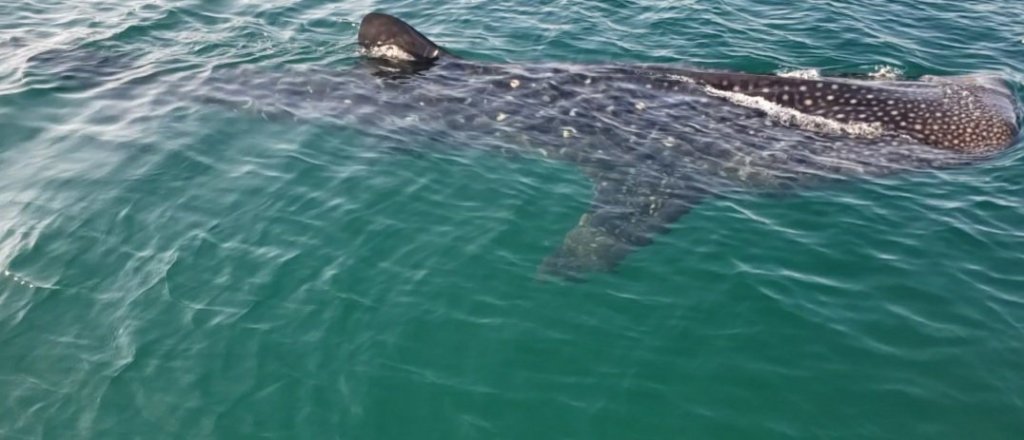
Below is a surface shot of the Whale Sharks. We videoed these underwater with a GoPro 4 my Dad Ashley Erwin gave us a few years ago.
Swimming with the Whale Sharks are common and does not endanger the Shark at all. Scott actually rode along while holding the dorsal fin of one.

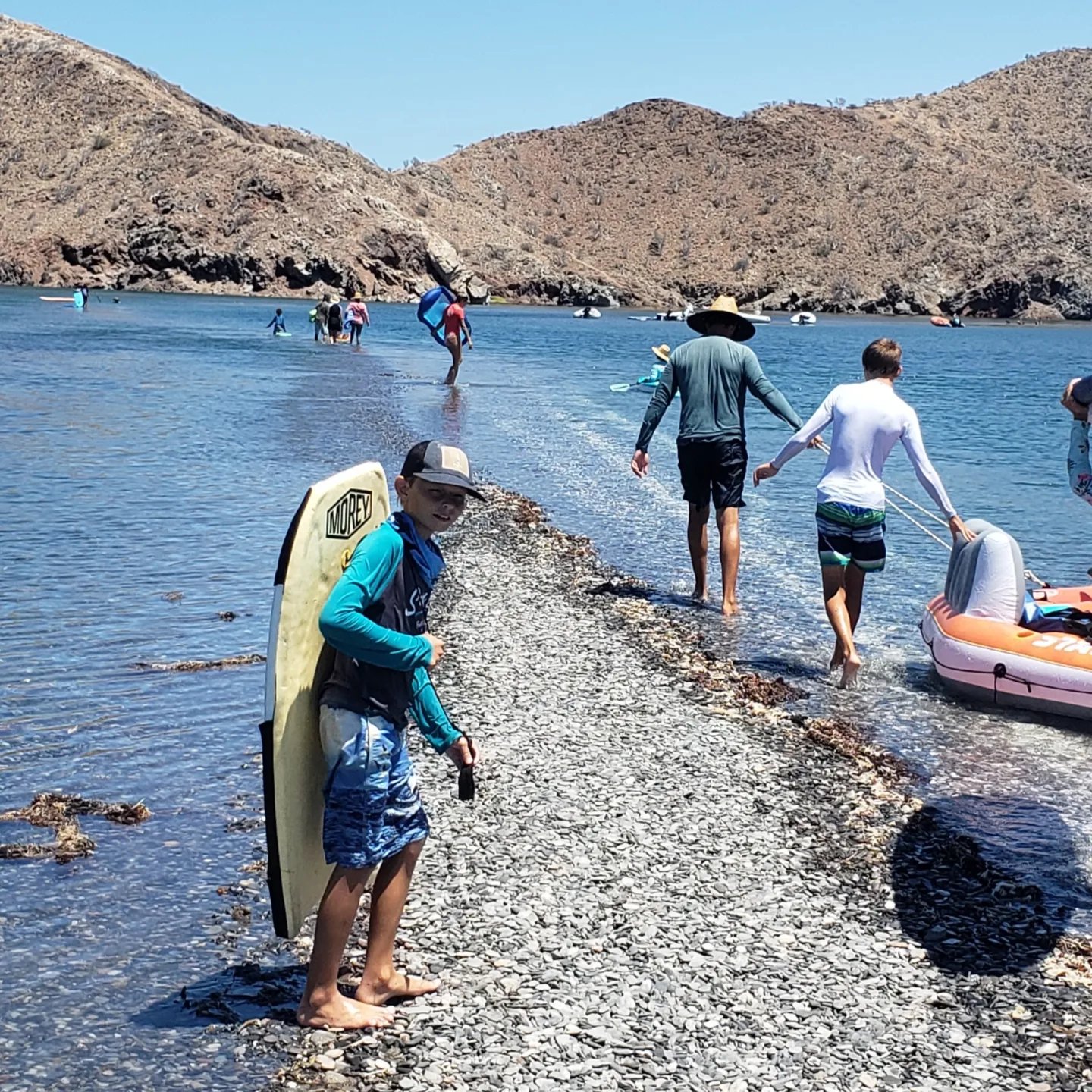
We also experienced the full moon  fun ride down the rapids! There is a lagoon   that is nearly a mile long and a foot deep at low tide.. high to low tide).

However, its not all fun and games. Most days are pleasantly hot at 92 degrees, but some days, and nights are blistering hot at 103 with 80% humidity.

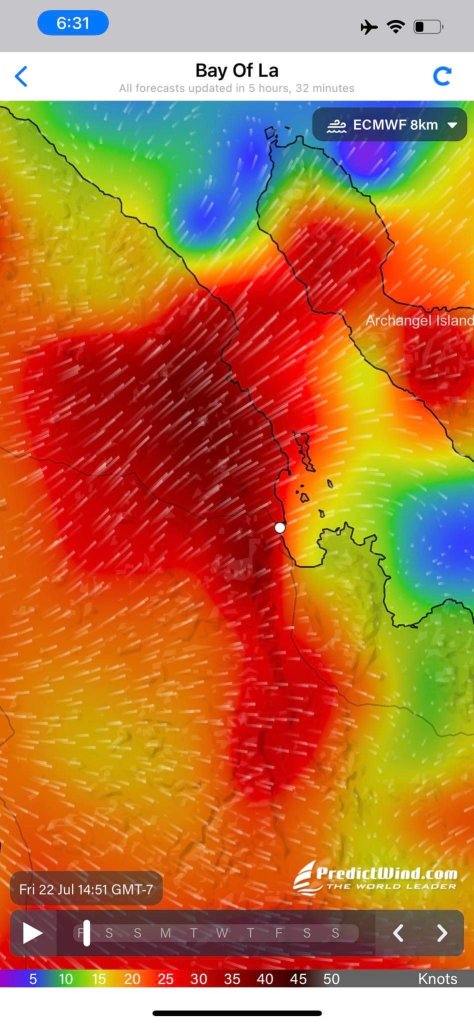
Have you ever wondered what it would feel like to be inside your convection oven? 25 knot 100+ degree winds off the Baja.
Ooh yeah…..Thank God the Tecate is cold. We don’t get westerlies like this very often.

5 most Commonly found Plants in the Baja

Cardon Cactus, reaching 19 meters high and living more than 100 years, is prolific here on the Baja Peninsula. The fruit was eaten by the indigenous Indians of this area, but it only produces fruit at 50 years old, kind of rough for any farming.

Agave; common to North America and Mexico- is also referred to as Century Plant. It flowers, usually with a tall spike with yellow blossoms like below, but only after 15 to 25 years. Then it dies.
These are fascinating plants dead or alive. The Sonora Jumping Cholla; seen all over at about hundred feet above sea level. These strange looking plants got their name from the small ball like barbed cactus piece they drop. Many hiker friends of ours have been “jumped” by this cacti/ball, needing a pair of needles to remove the thorns.
Elephant Tree; they only seem to grow a few feet tall, but can be as tall as 25 feet. These are shorter on the Baja, probably for wind protection. Cream colored flowers with pink in the center blooms in May, depending on moisture. A town along the Baja reported no rain in a few years.
Dwarf Morning glory; its rare to find one with a bloom, as its so dry here.

Wonders of Bahia De Los Angeles

We witnessed the best, epic day of snorkeling with the whale sharks!  These docile, gentle giants hang out in the late afternoons when the light shows their dinner, which is microscopic plankton. Lucky for us all, they don’t mind snorkelers touching them. They summer here in 85 degree waters of the northern Sea of Cortez, Bahia De Los Angeles. Then head south to La Paz in the winter months.

The amazing assortment of sea life has been beyond our expectations.
Below is a surface shot of the Whale Sharks. We videoed these underwater with a GoPro 4 my Dad Ashley Erwin gave us a few years ago.
Swimming with the Whale Sharks are common and does not endanger the Shark at all. Scott actually rode along while holding the dorsal fin of one.

We also experienced the full moon  fun ride down the rapids! There is a lagoon   that is nearly a mile long and a foot deep at low tide.. high to low tide).

However, its not all fun and games. Most days are pleasantly hot at 92 degrees, but some days, and nights are blistering hot at 103 with 80% humidity.

Have you ever wondered what it would feel like to be inside your convection oven? 25 knot 100+ degree winds off the Baja.
Ooh yeah…..Thank God the Tecate is cold. We don’t get westerlies like this very often.

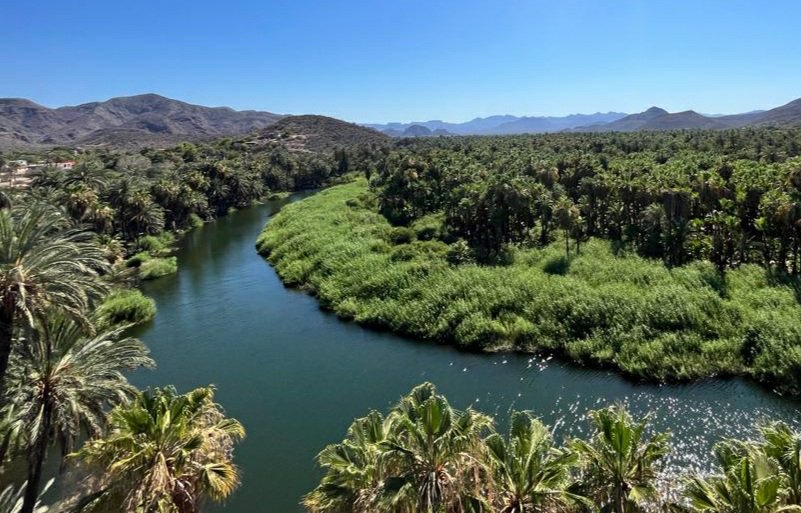
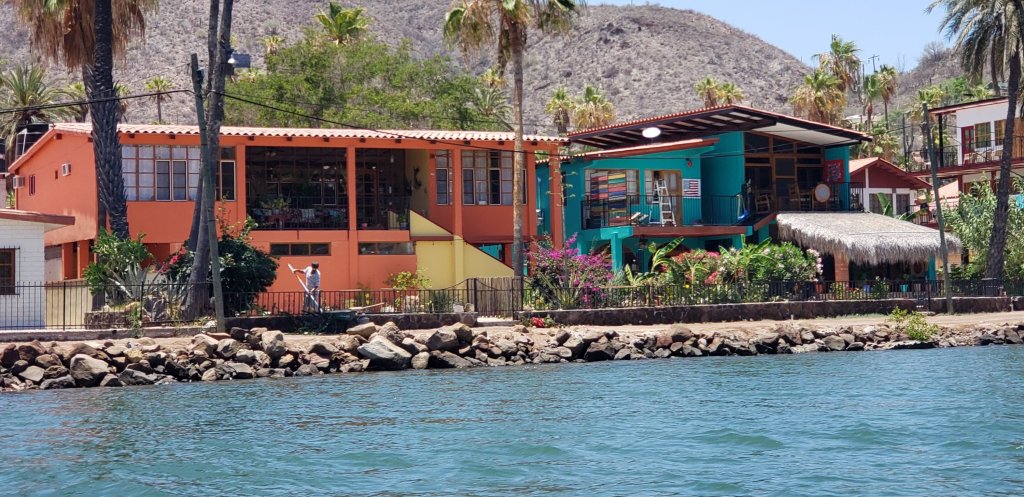
Mulege’, Mexico

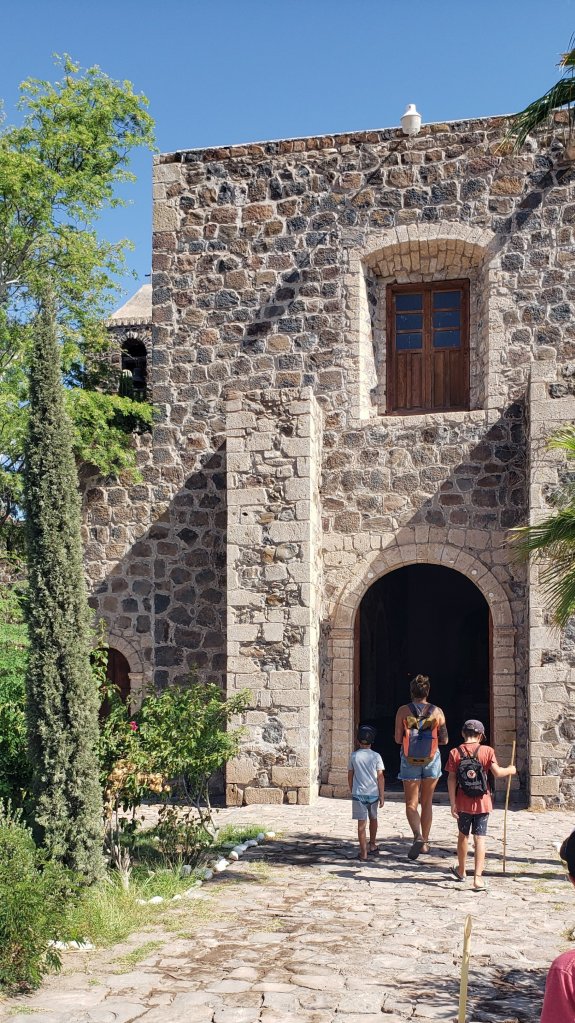
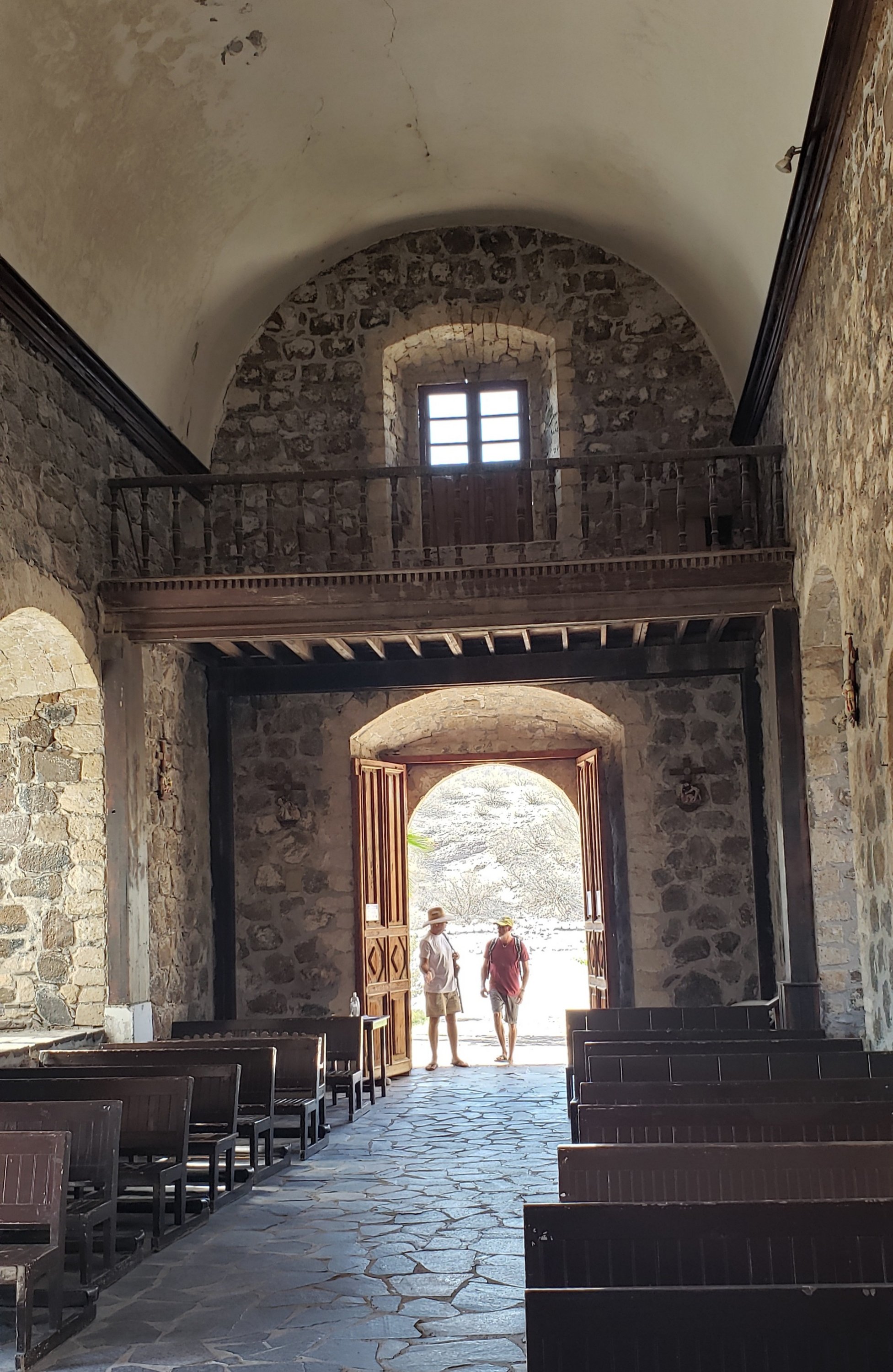
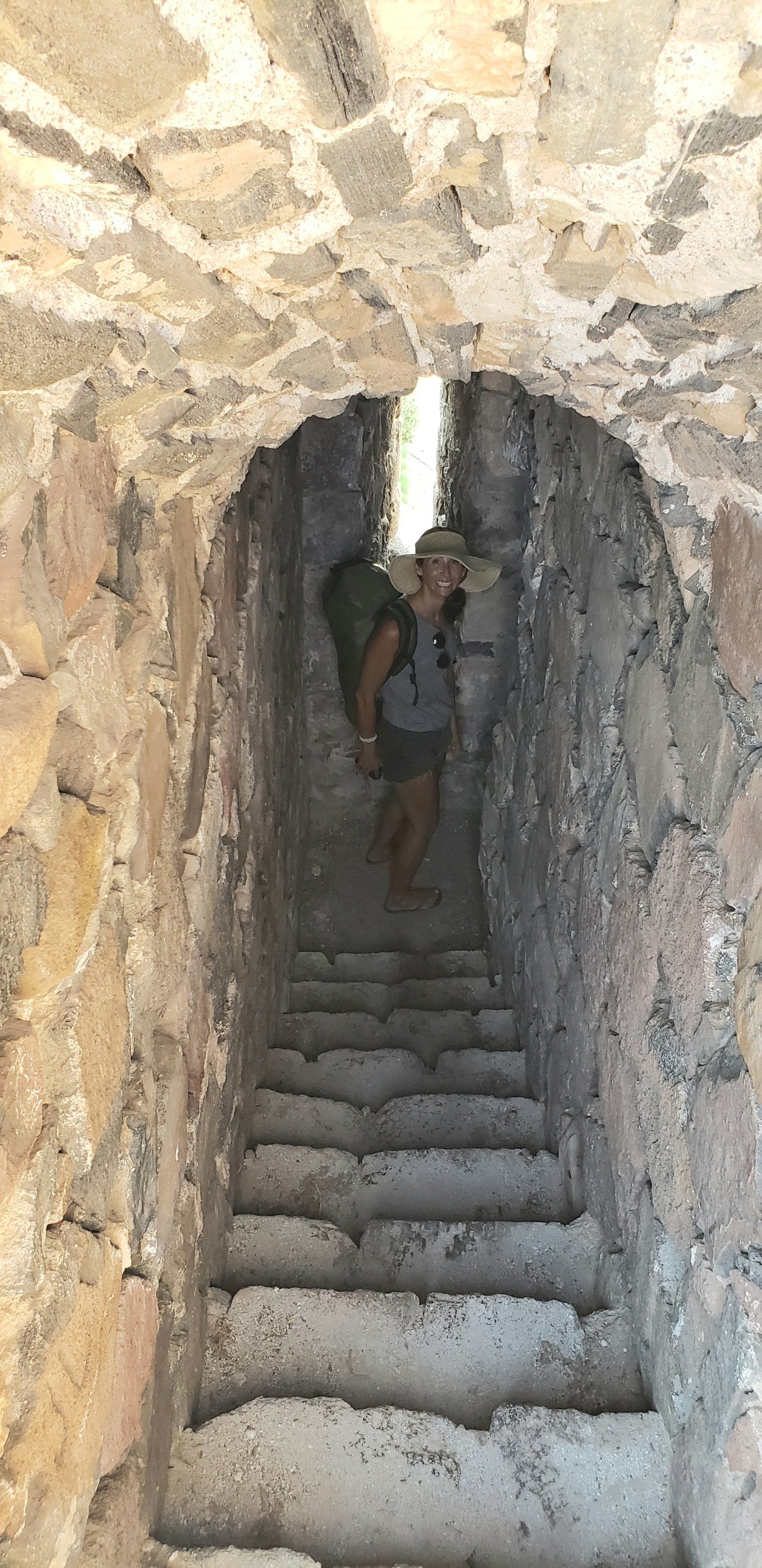
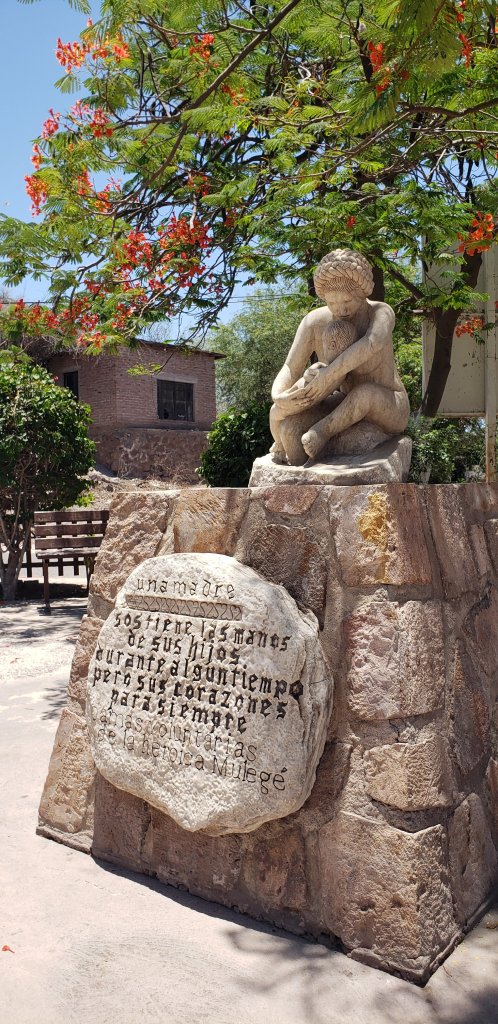
In 1768, the Fransiscans took over responsibility from the Jesuits. 300 Cochimí native Indigenous people were enslaved and kept near the Mission. They cut and hauled all the stones that built the church and the spooky, narrow bell tower. We all climbed to top, creepy!

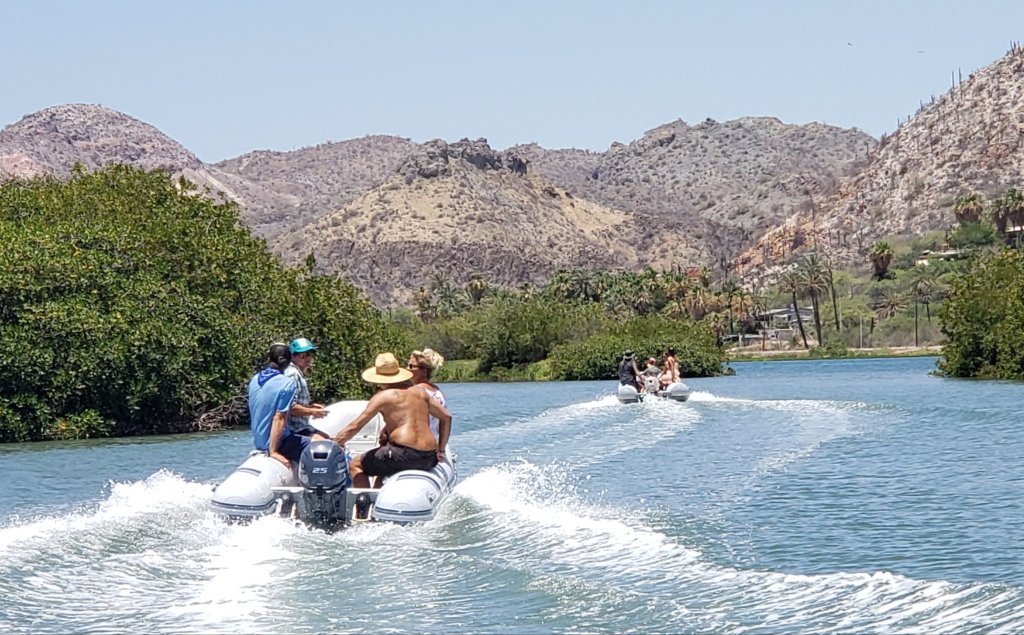
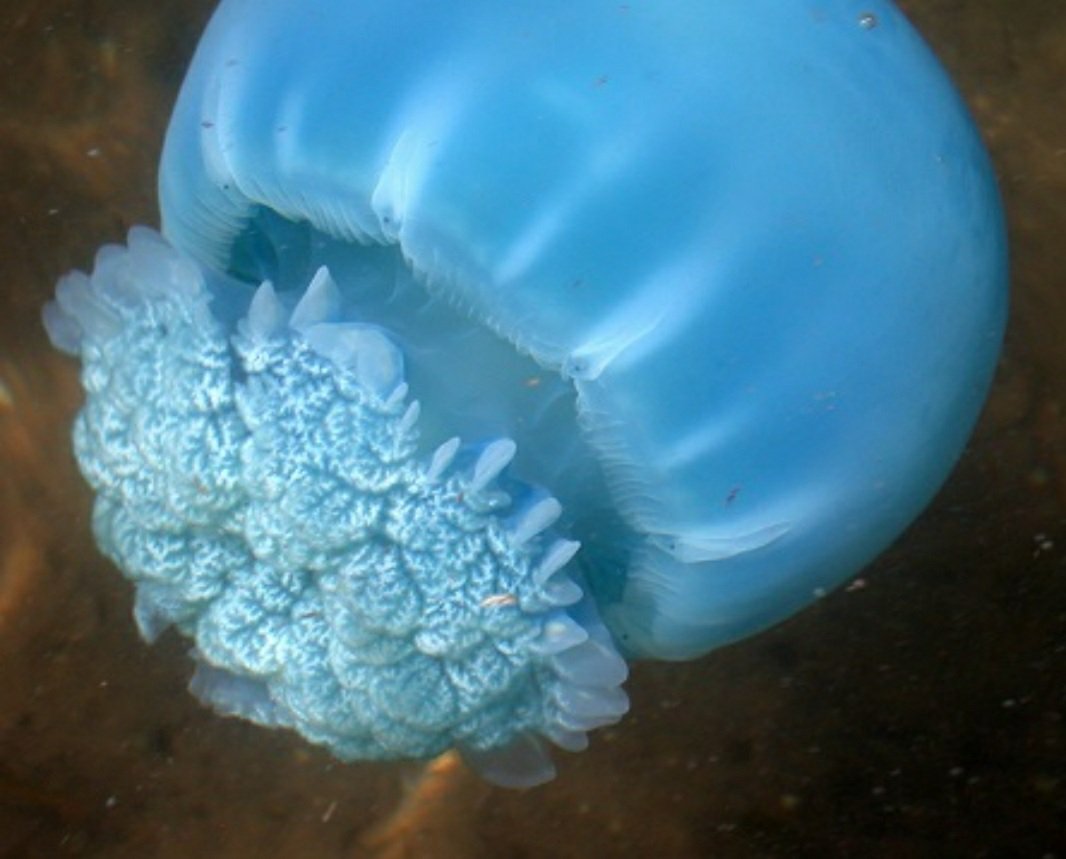
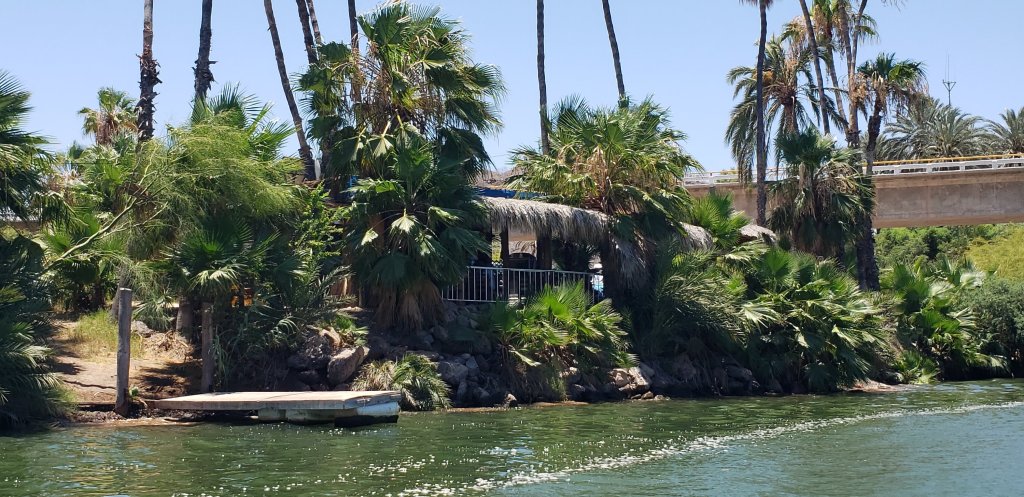
We all hopped into our dingy’s and raced up the river, which is brackish but home to hundreds of Blue cannonball jellyfish floating along. These were fun to hold, since they won’t sting. They only live about 8 months. Funny reproduction fact: the male shoots sperm out of his mouth and the female catches it in her mouth. She harbors the eggs in her little arms. STRANGE!

Mulege’

In 1768, the Fransiscans took over responsibility from the Jesuits. 300 Cochimí native Indigenous people were enslaved and kept near the Mission. They cut and hauled all the stones that built the church and the spooky, narrow bell tower. We all climbed to top, creepy!

We all hopped into our dingy’s and raced up the river, which is brackish but home to hundreds of Blue cannonball jellyfish floating along. These were fun to hold, since they won’t sting. They only live about 8 months. Funny reproduction fact: the male shoots sperm out of his mouth and the female catches it in her mouth. She harbors the eggs in her little arms. STRANGE!

Father’s Day Concepcion Bay, Mexico

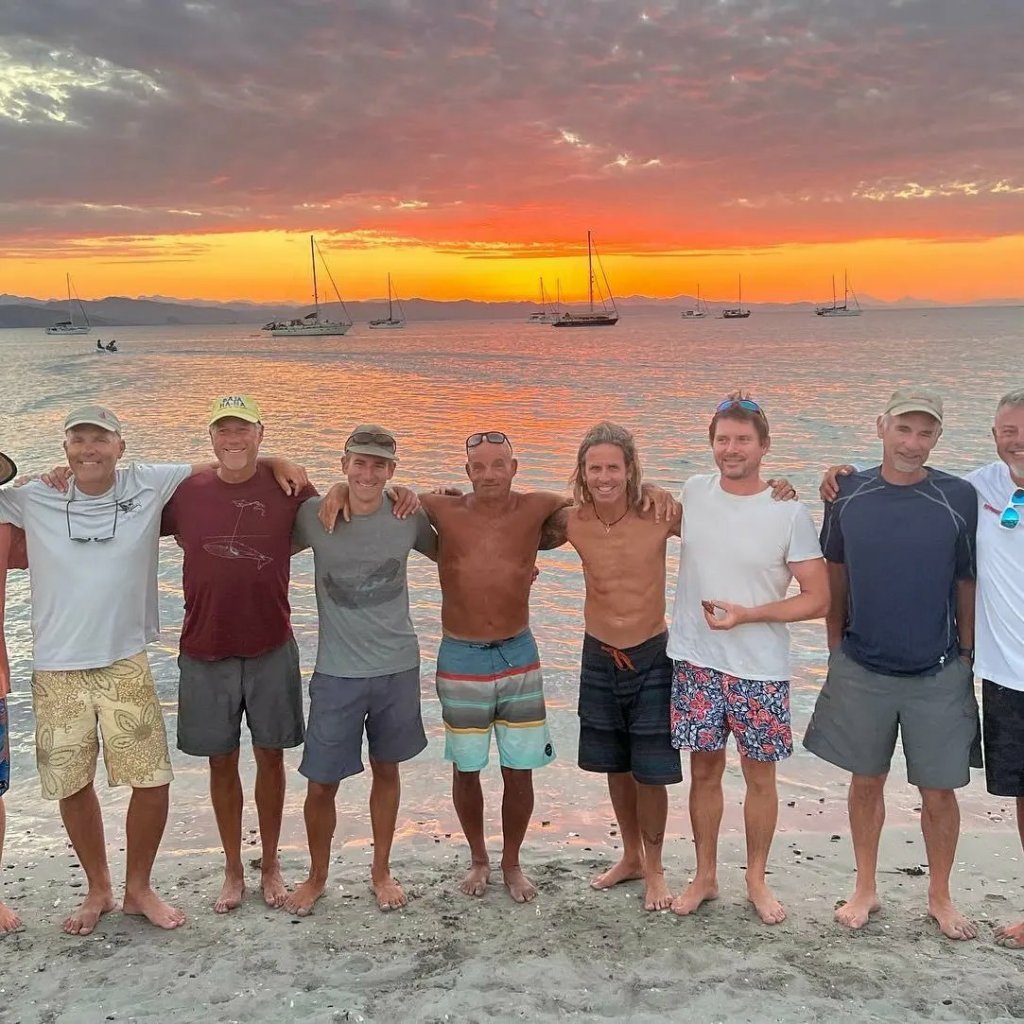
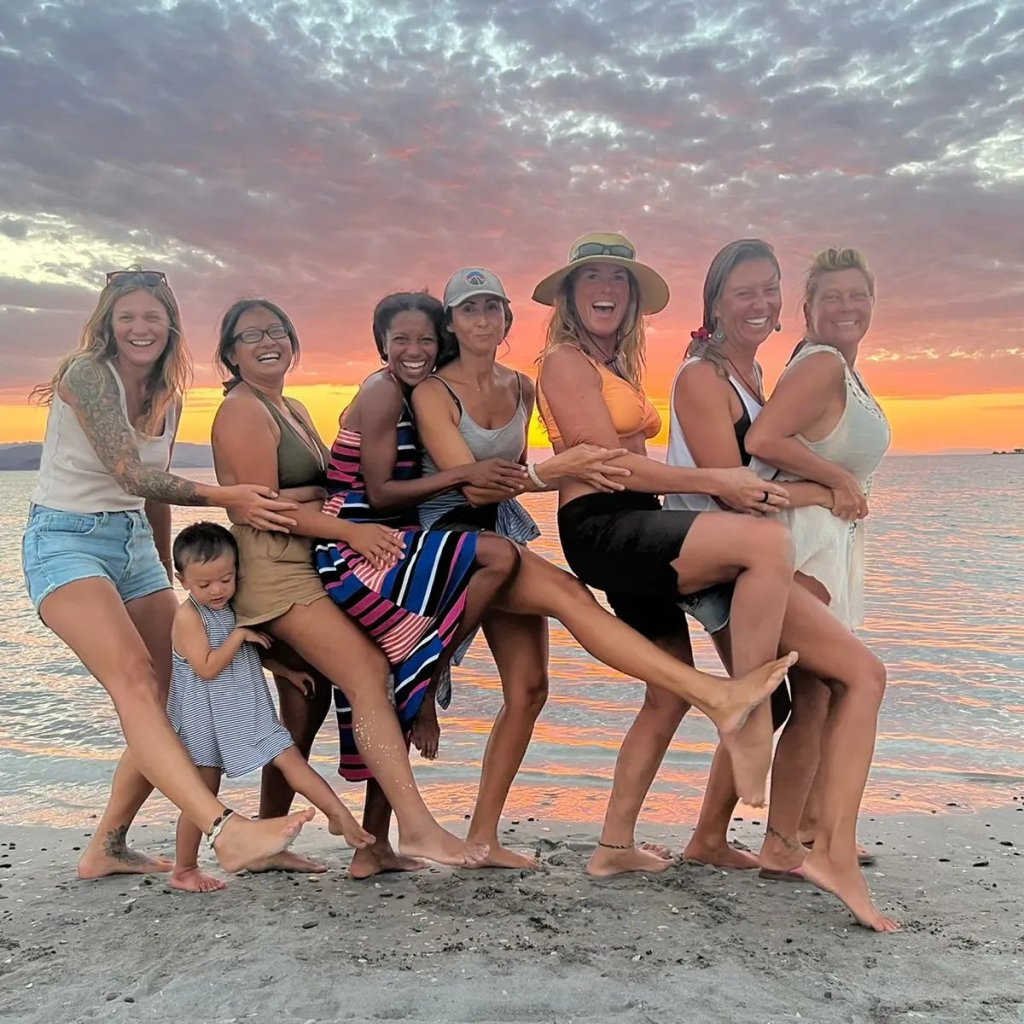
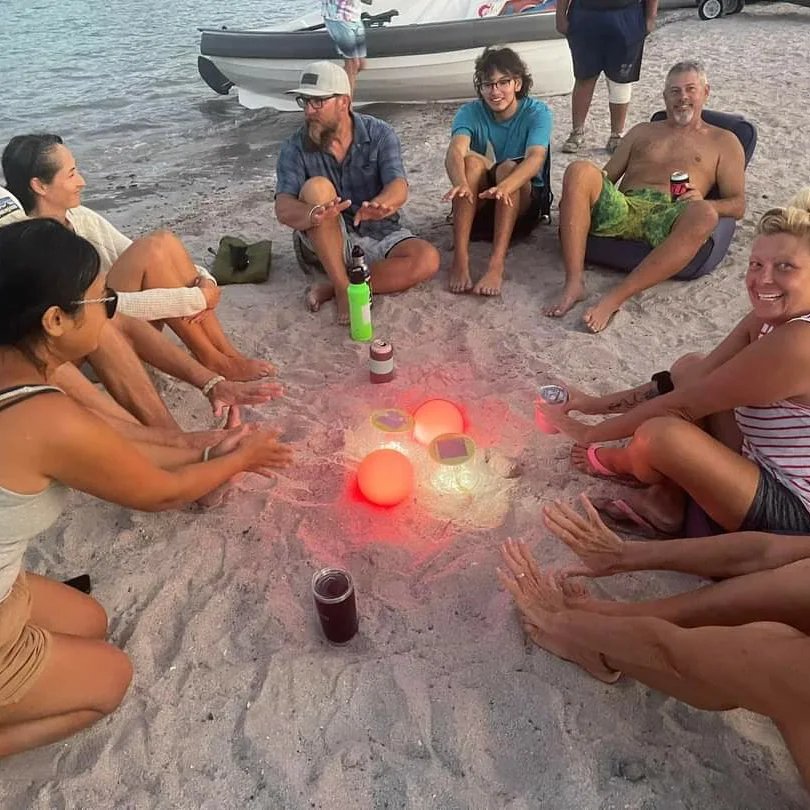
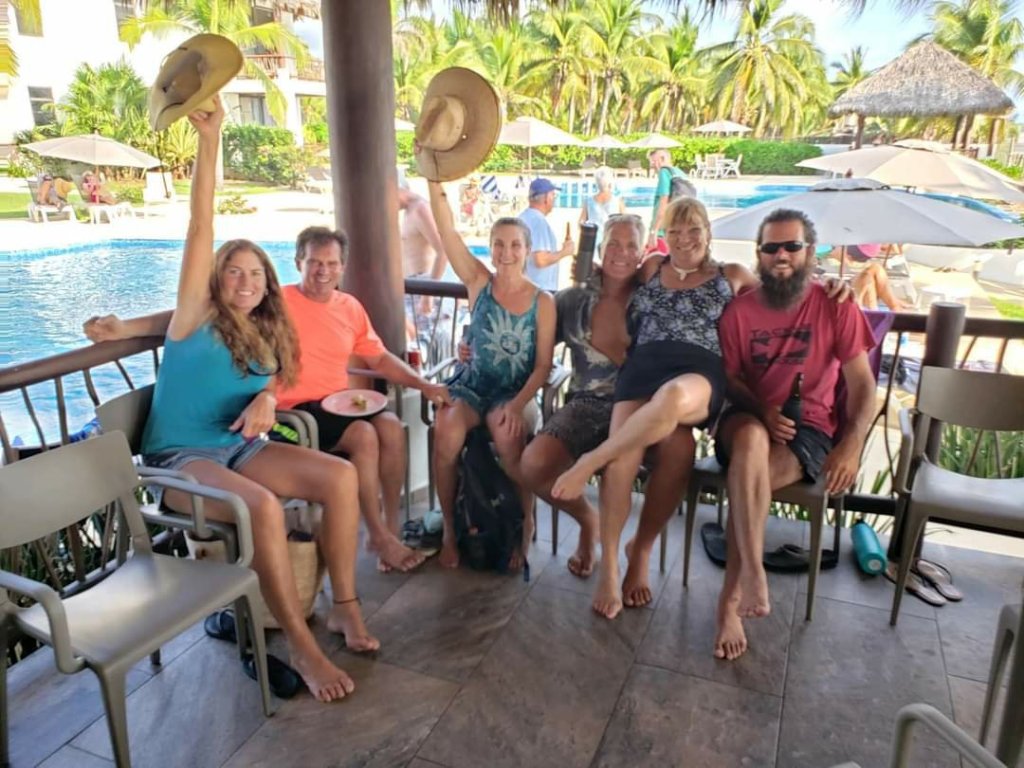
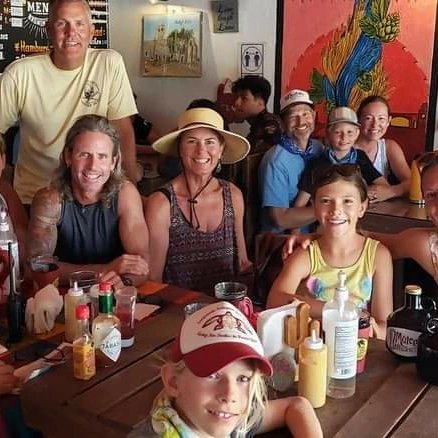
It just happened many of our cruiser friends were together for Father’s Day in Bahia Concepcion. Here are a few photos of a great night (and times) with friends. It’s hard to describe the network of friends we’ve become a part of in the last year but “family” is the closest term that comes to mind. Many of these folks we’ve been sailing next to for the last year and some we’ve just met in the last months.
…..and some we are sailing to the South Pacific with next year. ~/)~

Father’s Day

It just happened many of our cruiser friends were together for Father’s Day in Bahia Concepcion. Here are a few photos of a great night (and times) with friends. It’s hard to describe the network of friends we’ve become a part of in the last year but “family” is the closest term that comes to mind. Many of these folks we’ve been sailing next to for the last year and some we’ve just met in the last months.
…..and some we are sailing to the South Pacific with next year. ~/)~

HOT times in Mexico

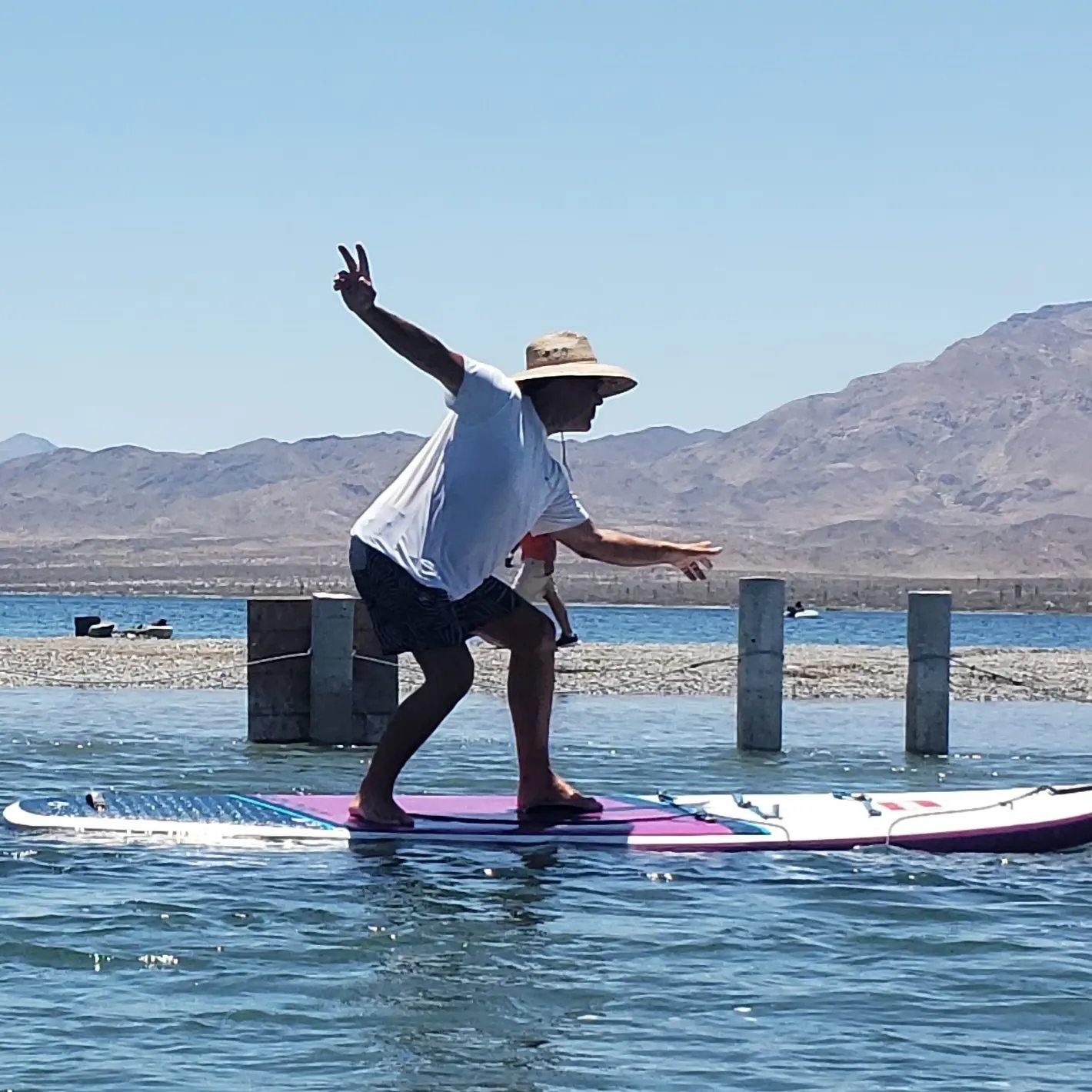
This is an awesome place down in Bahia Concepcion, Baja, but I must share a few realistic details. It’s so hot at 7am, we need to make ice cold coffee and cold hard boiled eggs. Mostly we rested in the shade, did no boat work, and just floated around in the water, which at the highest was 90 degrees. At 7pm, outside was 101 degrees, so we decided to dingy to an amazing rock island, covered with frigates and pelicans, to snorkel and dive at. Always new fish and sealife to see. A few hours later, we returned home for a back deck rinse off. The water in our tanks are the same temperature as the Sea, so imagine going from a swim in 88 to a shower in 88 to a shady cockpit in 93 degrees!! But, we are lucky tonight, there is a breeze- the objective is to stay wet and sit outside in the shade, in the wind. Of course this doesn’t last but 5 minutes and one feels like jumping in the salt water all over again (rinse, lather, repeat!)
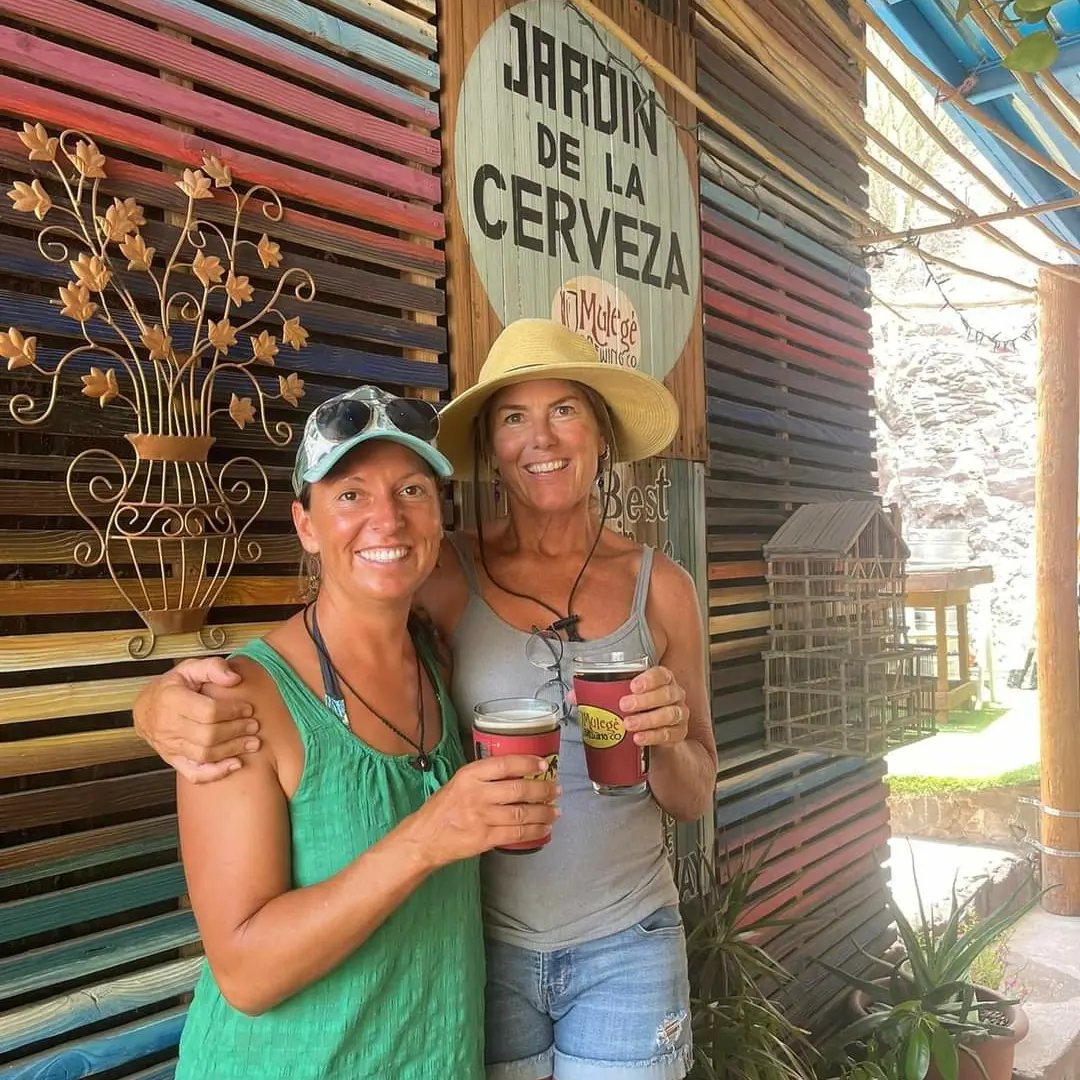
Afterwards, I make some taco meat in the pressure cooker. (NO BAKING IN THIS HEAT) All fans are aimed at me in the galley, in my birthday suit, btw. Fun day though 😉

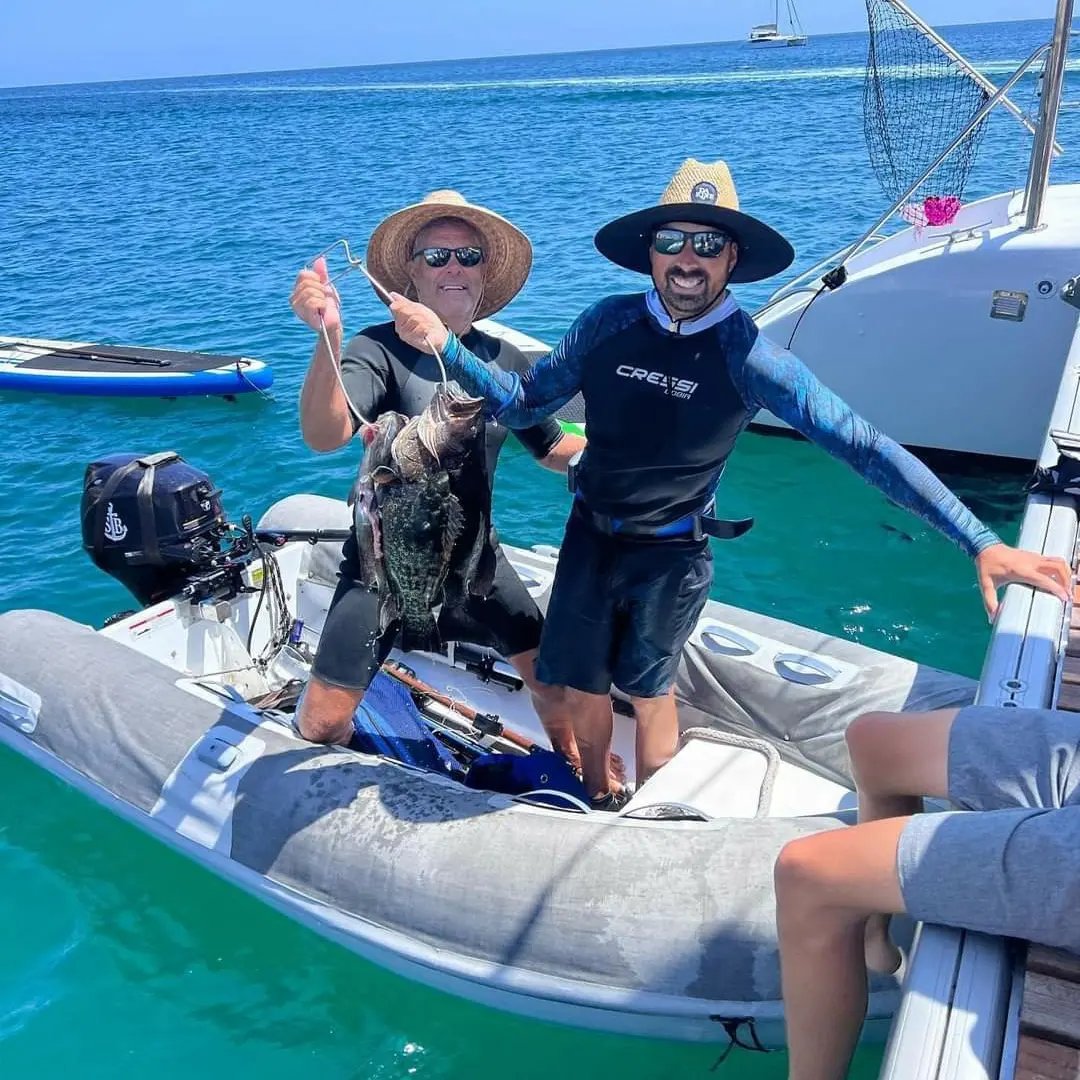
Have you ever swam in 89 degree water? Hmmm, refreshing…?! Why, yes it is. Believe it or not the water was just 67 degrees just a few days ago about 35 miles north of here. The Sea of Cortez is so deep in some areas that constant upwellings of water keep us on our toes and wetsuits ready when necessary (spearfishing for dinner).
We are now in Bahia de Conception. The other cruisers in this anchorage have us alerted to Whale Sharks in the Bay, stay tuned! We have seen just a few green turtles and a few dolphins down in Concepcion area.