Sailing to a new country? Customs, Immigration, Biosecurity…

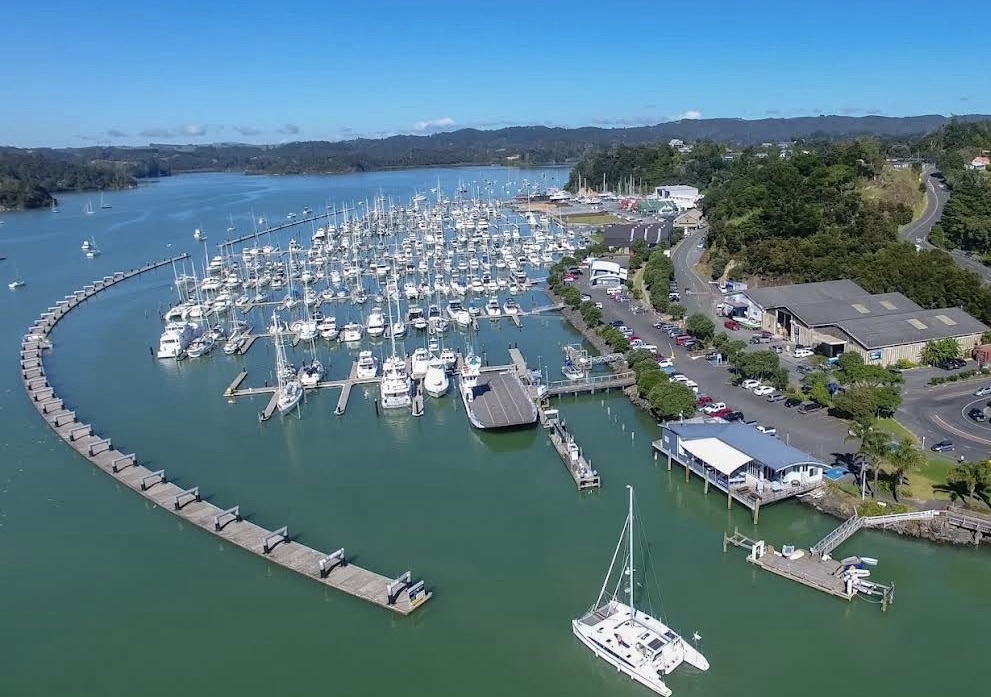
Bay of Islands Marina, NZ

We often get the question from family back home; “What is the Customs process for a sailboat exiting or entering a country, and what about Immigration?” Folks are shocked at the lengthy procedures, not just for us crew but for the boat as well. The Port Officials and Border patrol are always watching all boats coming and going. They use online programs like Marine Traffic, since boats have an AIS (automatic identification system). Their exact location is transmitted through the vhf radio. Port authorities, and coast guards worldwide rely on AIS for traffic control, and security. In a few days, New Zealand will monitor our boat closely, after our clearing out appointment, we promptly exit their waters without stopping. We have sent New Caledonia Customs our paperwork so that when we get close, we will hoist our yellow quarantine flag, and arrive at their check in area. This yellow flag ( Q flag) indicates that we are entering their country and will head straight to the customs dock. This flag stays up until we are fully cleared in and free to come and go.

Fiji

Once at the Dock, boats may get searched by biosecurity. They look for pets, plants, raw meats, drugs and produce. Any fresh produce is taken and our trash is double bagged and collected. The 21 or so official Customs papers that I had previously emailed in are reviewed. If all good, our passports are stamped, then lower the yellow flag, and hoist the local country flag above our US flag. Either that day or the next, we pay for clearing in and are granted our tourist visas, temporary import papers, and cruising permits. Then we can freely get off the boat. It’s a lot, right?

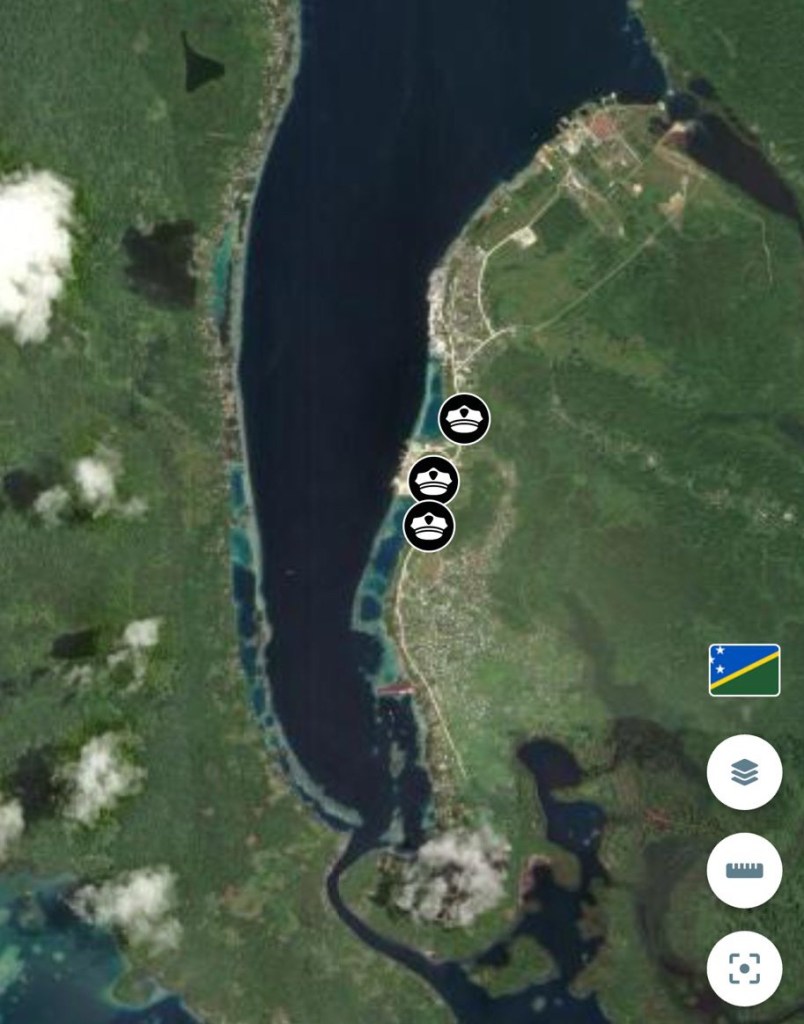
Researching Papa New Guinea Ports

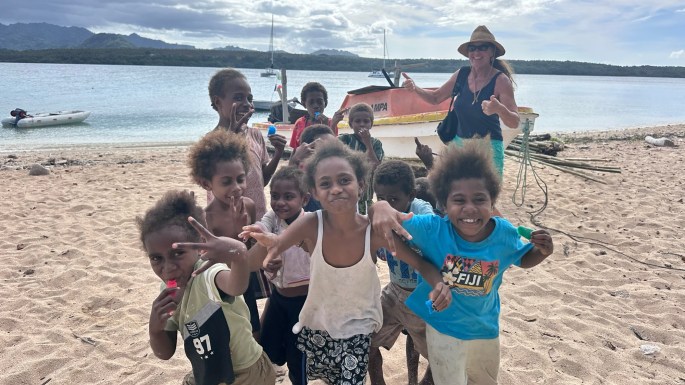
We spend a lot of time researching the location of the Ports of call for each country. There may be 4-5 Ports spread out 100 miles or more, on various small islands, all with varying advantages or disadvantages. For example, these remote places may only have offices open a few days a week. Or, as someone has reviewed it may be closed down due to a recent cyclone. It pays to research. Sailors are grateful for the app called Noforeignland. With map filters we can easily find the Offices to head to. Sometimes these buildings are miles apart and to our disadvantage, may have no public transportation. These are stressful days. Remember, new country, new language, new money, new transportation and new procedures. We were lucky to have a welcoming party as we entered Fiji 2 years ago.

Vuda Marina, Fiji

That’s a Wrap! Good bye New Zealand & Hello New Caledonia.

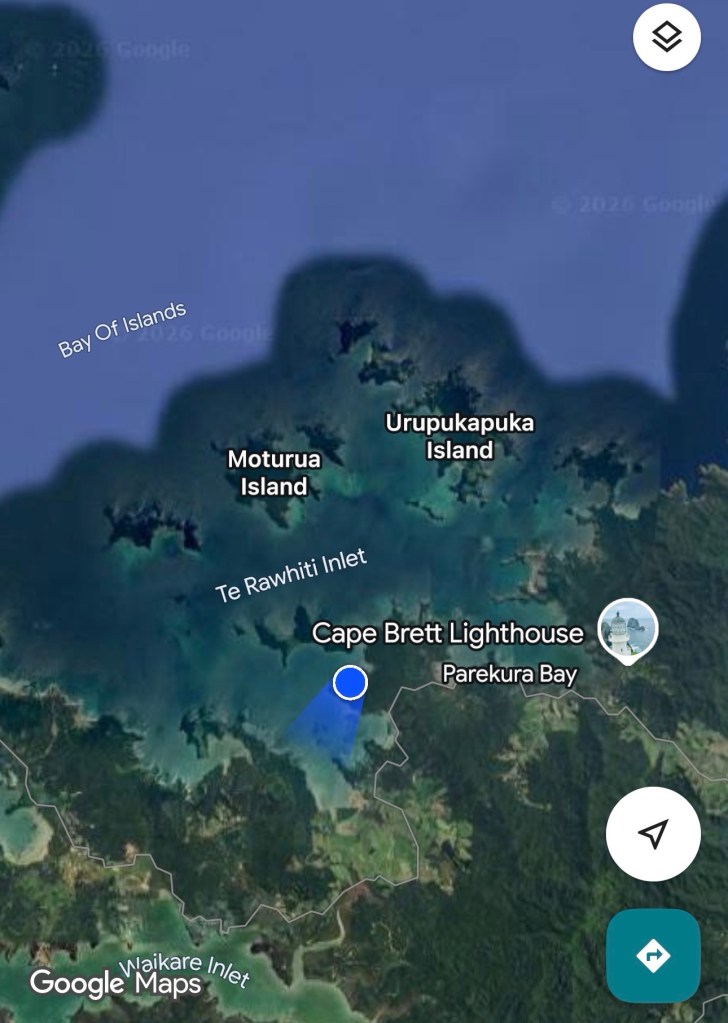
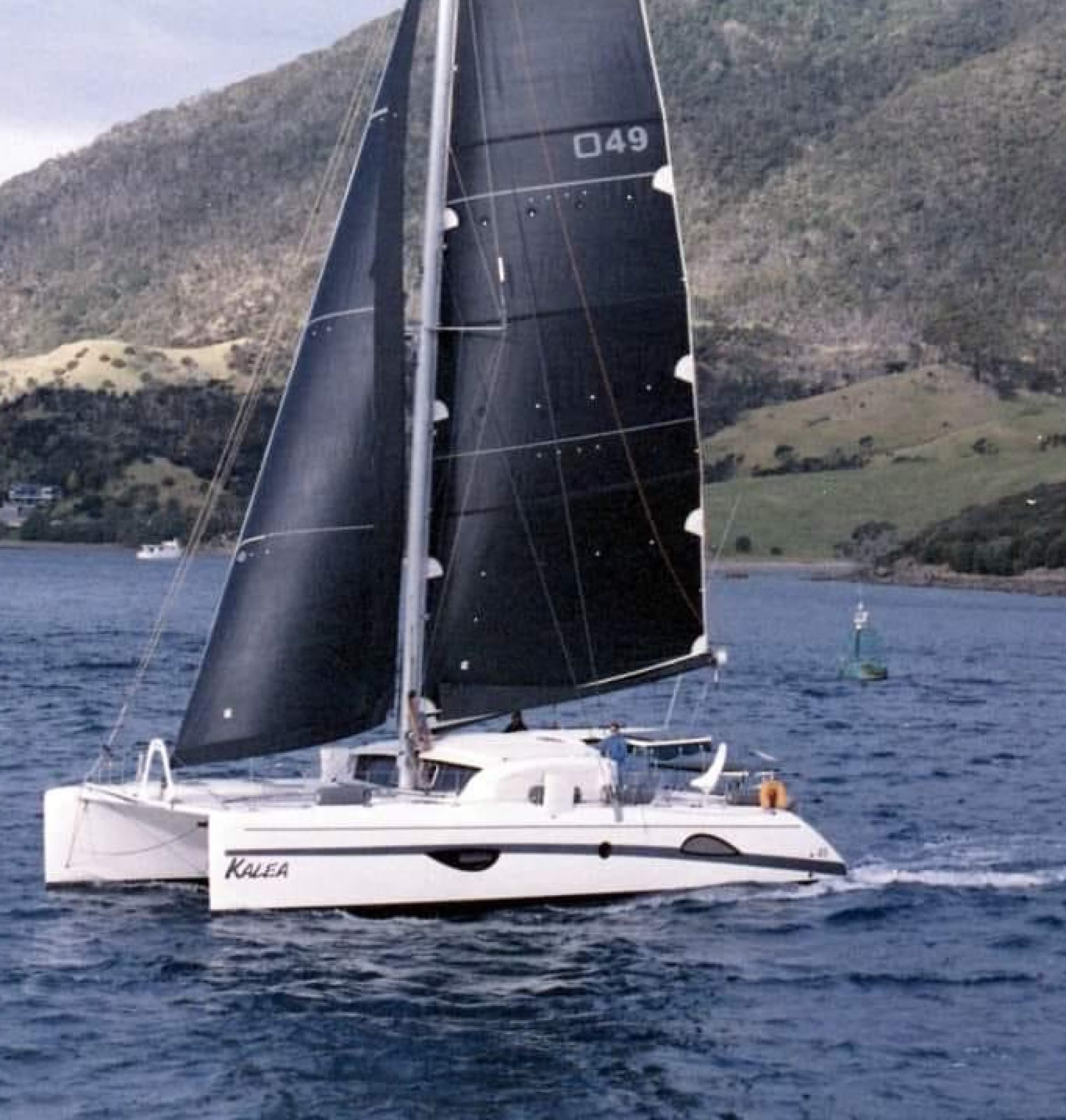
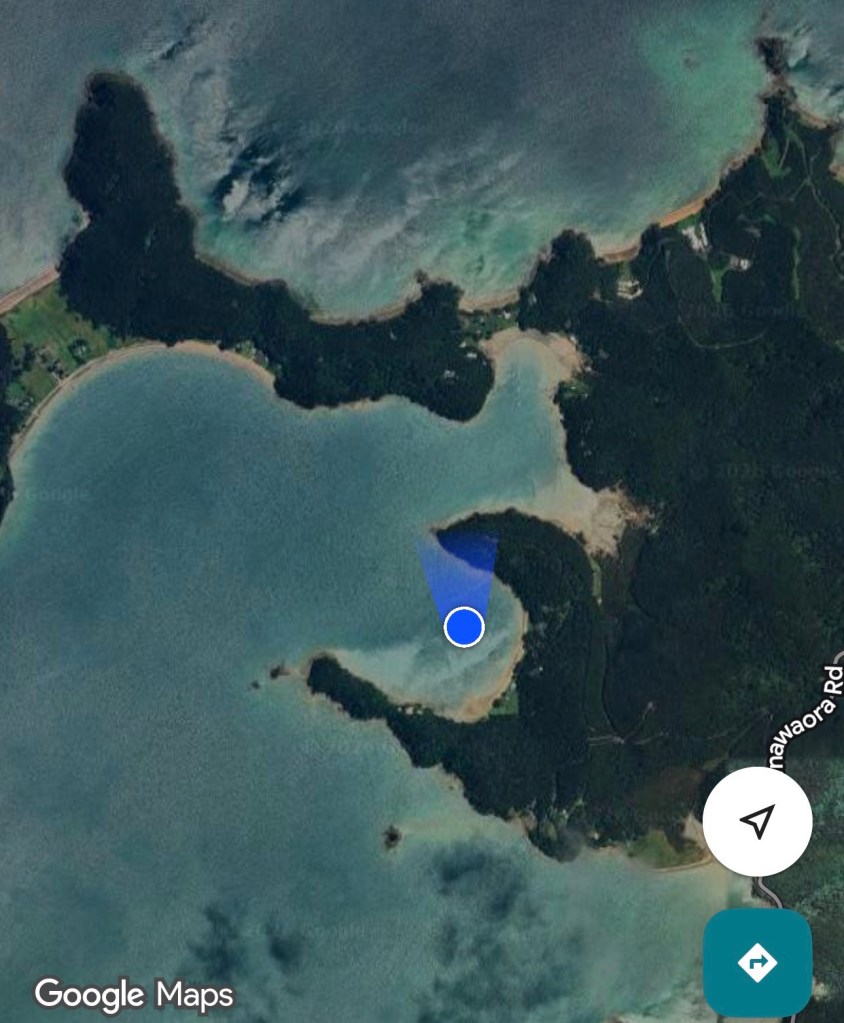
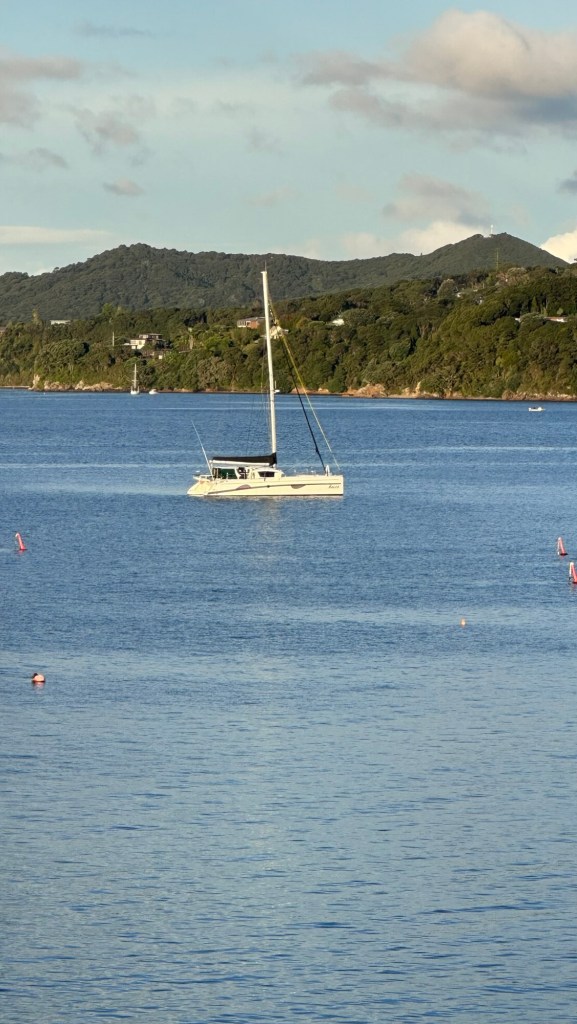
The rains and winds have totally died, and we are all settled in a calm and favorite tiny anchorage to enjoy the Bay of Islands and our last 2 weeks here in New Zealand. Hiking about on Moturua Island was good for a few of our last favorite spots. Luckily Kalea is comfy and spacious with all the necessities, and she doesn’t leak, it is Autumn here, by the way. ☔️

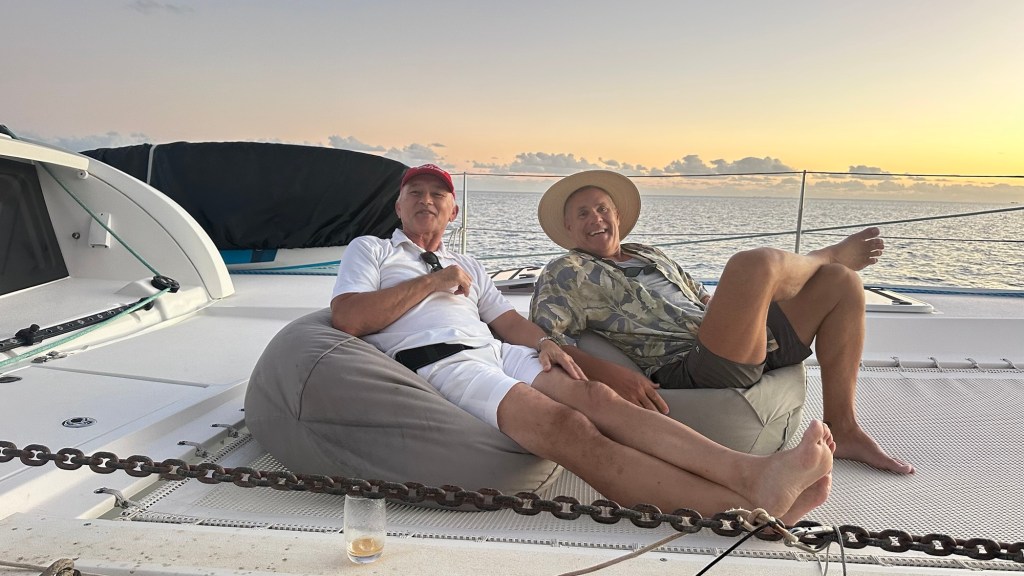
Whats next? We begin our prep for our clearing out of the country, and we will take the first weather window after May 1 (funny because that is when our marine insurance agent says it’s “Cyclone safe” 🤣🤣 Again, due to this typically rough passage north, we have 2 crew join us. A great highschool buddy of Scott’s; Tom Dwyer, will fly in. Also crewing is Mark Clough, excellent Kiwi sailor who joined our last trip north.

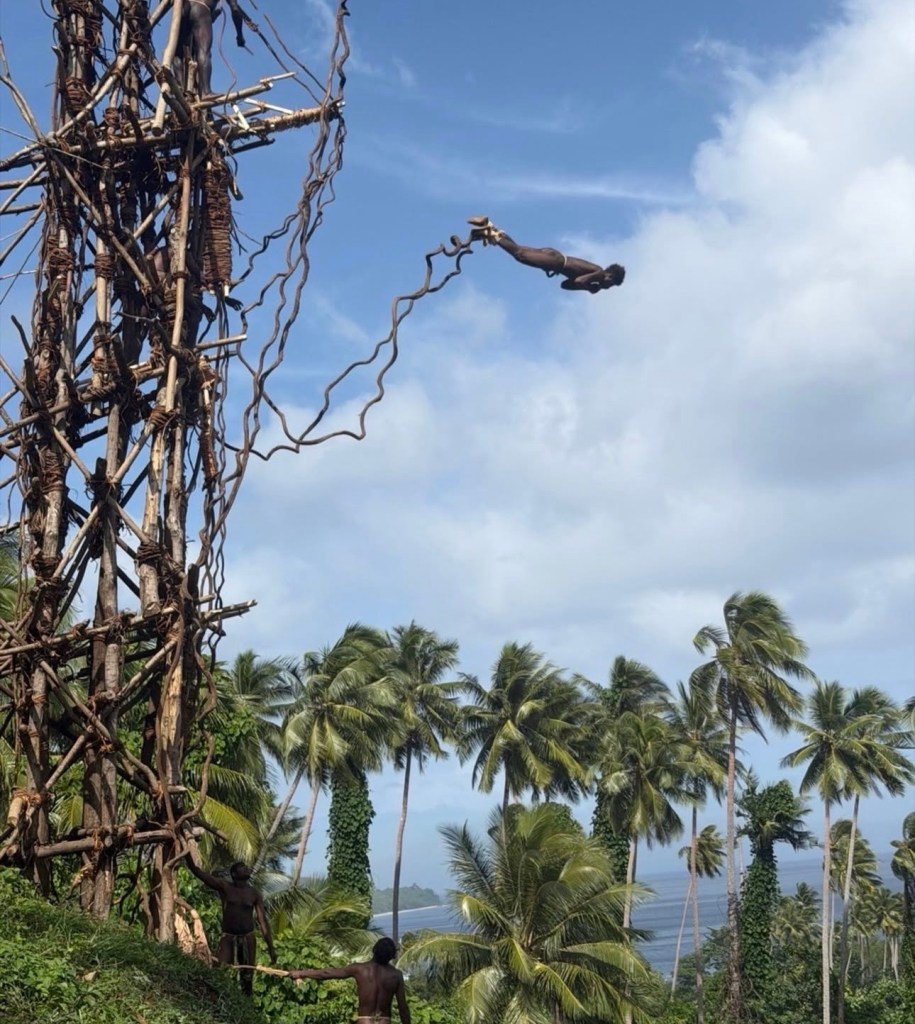
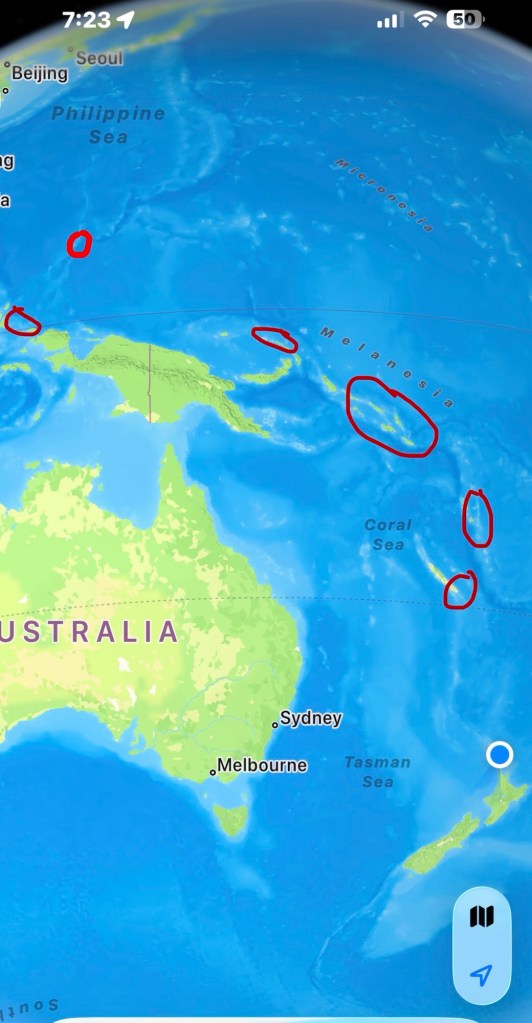
Our sail plans are fully packed for the season, including 5 maybe 6 Oceania countries. We will be returning to New Caledonia, as those were some of the clearest waters we have seen and has friendly turtles! 😁 Then we head to the marvelous Islands of Vanuatu. Our aim is to visit 5-6 new islands, each having a unique cultural Kastom (Ni-Vanuatu, a Bislama word for custom), dress, dance, and stunning blue holes. One tradition you may have heard of is the land diving of Pentecost, it’s called Naghol. (Research that one for a shocker) We then will clear out and check into the remote Island country of Solomons, a lot of rich WW2 history there. Moving north, we sail up and around Papa New Guinea, staying at the outer islands along the way. A slight possibility is to head to a tiny, but stunning US Territory named Palau. Heading East to our final destination of 2026, Indonesia! Our cruiser friends out there have reported amazing things like such friendly people, yummy foods, and cheap prices. Raja Ampat will be our highlight destination, so we will stay there for as long as possible. A much needed flight to the states will also happen in there somewhere.

Thanks for staying connected and joining us online for this sailing travel adventure! If you want to see some of our past experiences, our YouTube channel has 60 sailing videos and 27 yoga videos for anyone interested.

@Kaleasailingadventure

Cyclone Vaianu, hits Northland, New Zealand

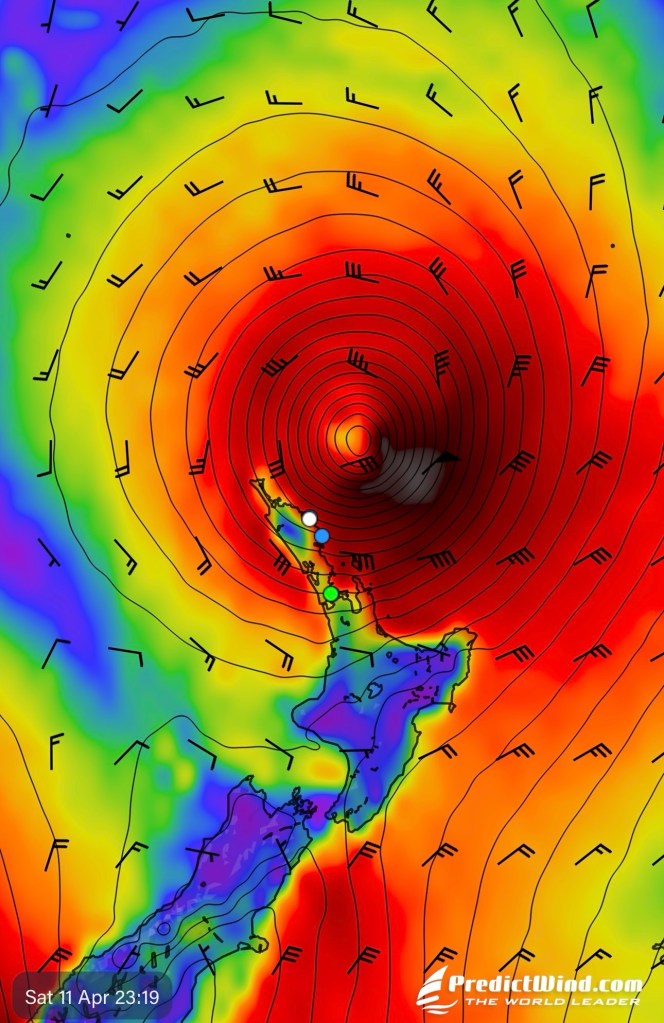
Thank you for all the safety wishes as Cyclone Vaianu clipped Fiji then went to northland, New Zealand. It was as a large, powerful and potentially historic systems. There were good chances the north island was to get a direct hit, with winds at 60-70 knots, but all we saw was 53 knots. Not any problems really, just a lot of wind and rains for 2 days.

So, what did that mean for Kalea? We of course had to stow all gear, and watched the weather regularly all week. We tucked into a local favorite hide an away, in Opunga Cove in the northland in the Bay of Islands. The choice for us was at anchor in a snug hurricane hole, on a mooring ball or at a dock in Opua Marina. Neither of these options are were great, but we felt the safest at anchor and we were ready for whatever may occur.

Cyclone Vaianu, turned into category 3 with winds building as it went south. The worst part for us, besides being trapped inside for a few days is the sideways rain. This can sometimes blow under our hatches, creating moisture inside the cabins, but only in big gusts. In addition to all the prep work, we decided to wrap a halyard around our furling jib, extra protection is always good.

Funny, we came to New Zealand because it’s supposed to be out of the typical storm region. 🤷 (reminds me that I need to go reread my insurance policy, lol) We love weather in general and enjoy seeing the awesome power of Mother Nature. As much as many feel we are crazy, these were very interesting times. What does tend to get me down though is the days and days of rain. We really questioned coming back to New Zealand this year because of how wet April was last year. Oh well, only a few more weeks till the tropics.

Anyway, there is a lot of land between us and the reported 24 foot seas off shore. The land also knocks down much of the wind velocity other than gusts that make their way around the mountains.

We met some new friends who reached out on Facebook who are anchored right next to us. Too funny! And another new friend called us on the vhf, a rare occurrence these days, and mentioned they are good and making up some afternoon South African pancakes. I often make ham, avo, tomato sandwiches for lunch and spent the afternoon working my 1000 piece puzzle. We sure thank you all for your support and kindness, 🥰 less lonely this way. All is well.

Wildlife of Eastern Australia

The crazy Kookaburra

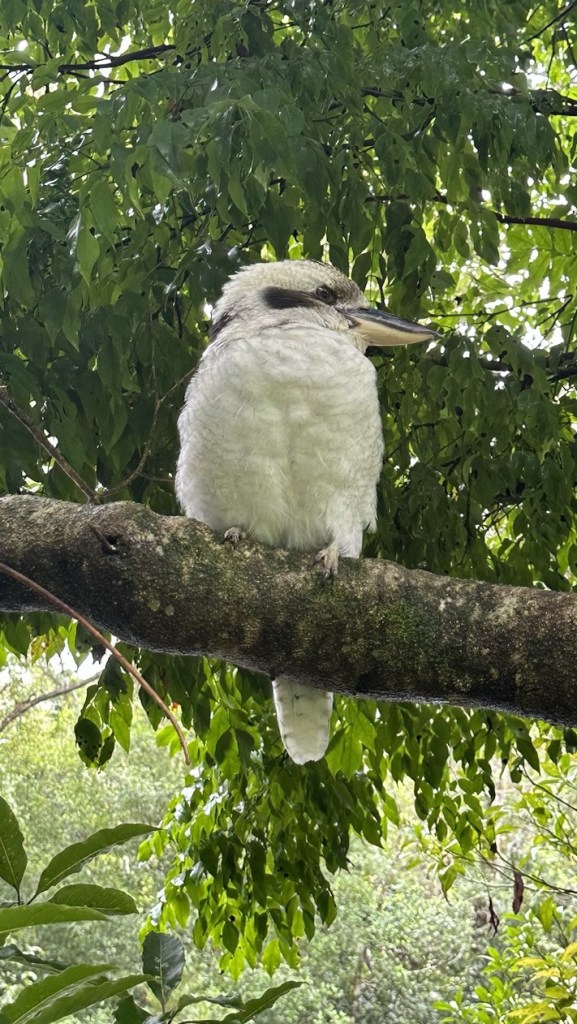
🦅 As a bird lover, I was enthralled by the Birdsong of Eastern Australia. If you are like me, you may know the app Merlin Bird ID, which has helped me identify birds by song or photo. I have used this app all over Mexico, Pacific Islands, New Zealand and now Australia! Such fun! Listen to the below videos, you can hear my favorite; the Australian Magpie. We saw a lot of them, usually in pairs, and typically very friendly, even eating a peanut out of Scott’s hand, while we camped out in rural areas. Their inquisitive eyes and slight turn of the head makes you think how smart they are. The other favorite of ours of course, is the laughing Kookaburra. Not only do they laugh loudly like monkeys, they are friendly, silly and so curious! Remember the old camp song “laugh kookaburra, laugh kookaburra…”

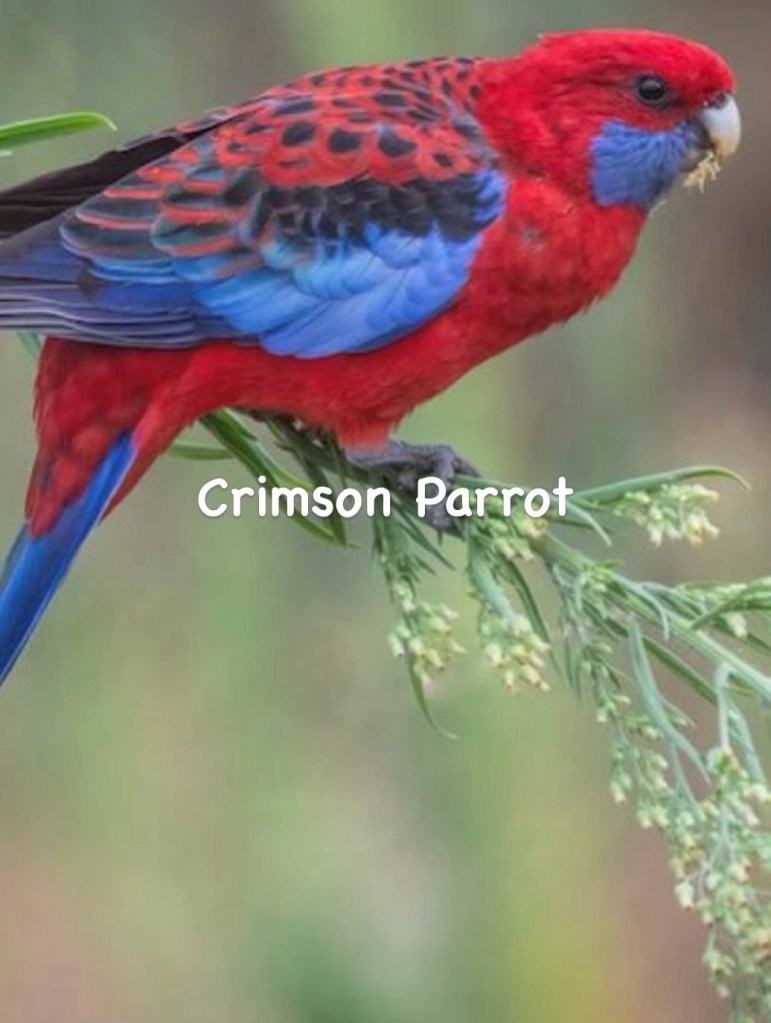
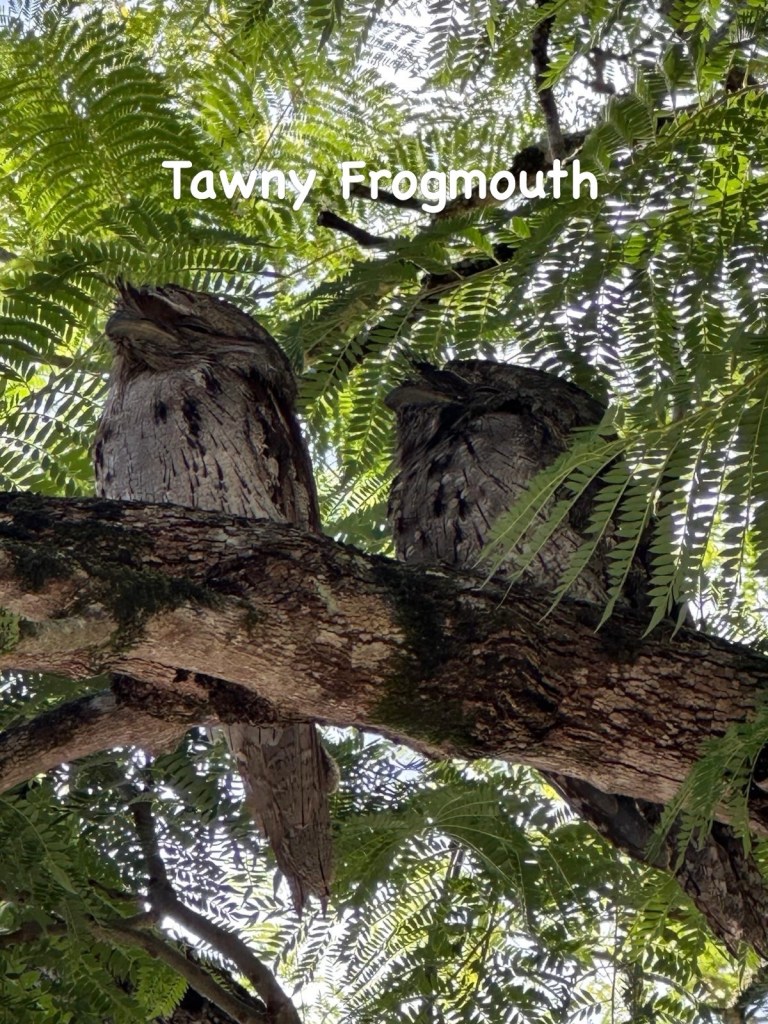
Now, the most colorful, by far is the crimson Rosella Parrot, brilliant crimson red head and breast. We were very lucky to see two pair swoop down for a drink in the river. Such colors! The funniest looking was definitely the nocturnal Tawny Frogmouth. While visiting the tiny town of Tyalgum for a day, a local elderly man pointed out a sleeping pair in a roadside tree. Shaggy camouflaged faces blended right in with the tree bark. 🤣 And, of course there are the small, sweet, crested pigeons, with rainbow wing feathers, but they sound like a small owl.

We had the chance to explore some Australian National Rainforests. Yes!!! Australian rainforests.
We too never imagined Australia having a rainforest. All we knew were the Crocodile Dundee movies (we all grew up with) and something about a dingo getting the baby. Lol

Anyway, the Springbrook National Forest is about 3300 feet and at 28 degree latitude south. Weird really as it looks to be a mountainous forest like California but the underbrush is filled with palms and ferns. Very lush and typical of a forest at 28 degrees south I guess. 🤷
We were hiking after a huge rain so the waterfalls were running strong and we found time to take our showers. 🙂 Although it was rainy, the water and outside temperatures were about 80 degrees.

We then explored a bit west of the green lush coast, as we wanted to find some desert and Kangaroo’s. We didnt go north far enough to see Crocodile’s though, no need to camp near those rivers! Can you imagine the fear about going pee in the night?

Warning! Some material in the rest of this post may make you squirm. Dont watch the below video if you don’t like creepy crawling things. 🙂Kathy found a little friend at the end of the hike. Beware, it’s gross!

Australia has been nothing like we expected. Green and lush countryside welcomed us as we drove up the coast from Sydney to Brisbane.
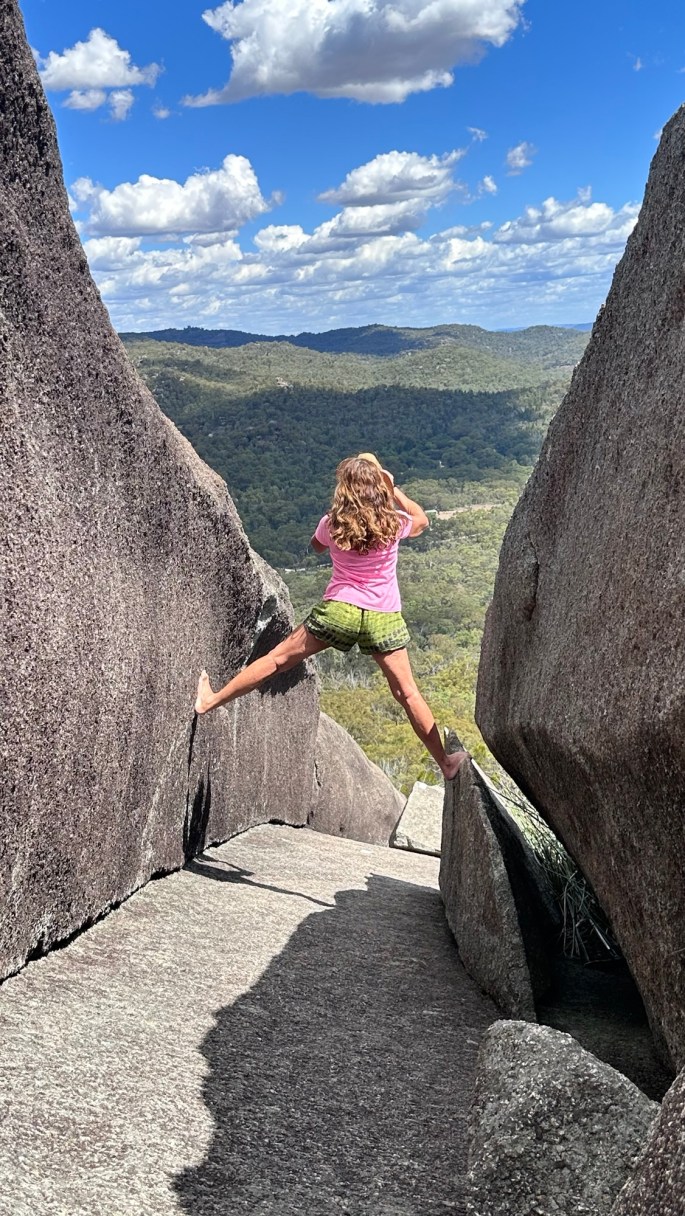
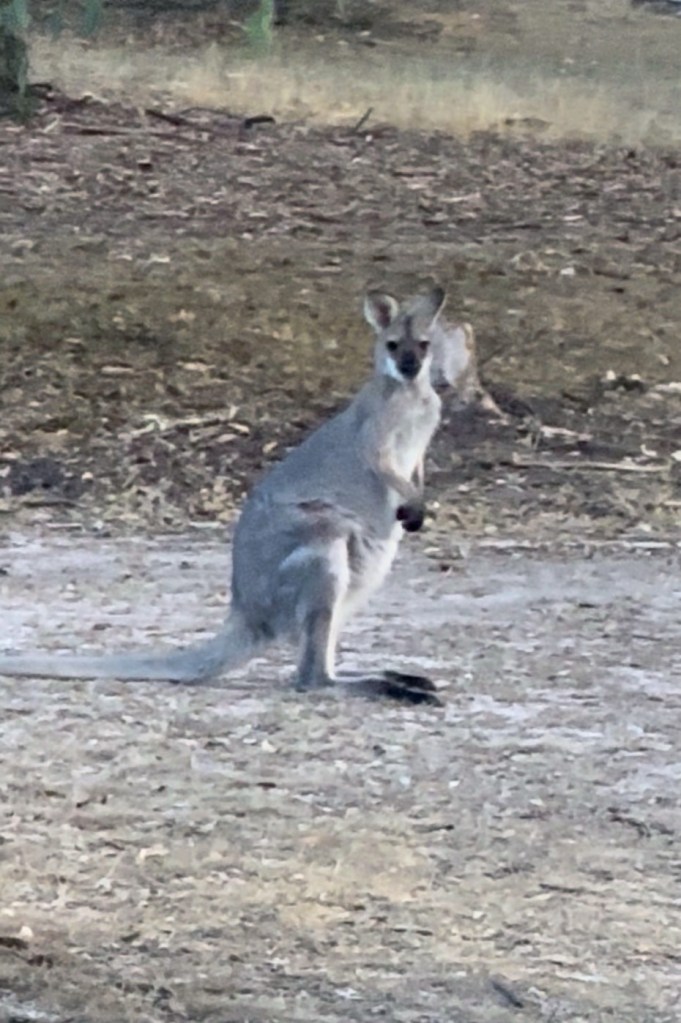
We’ve seen, Koalas, Wallaby’s, Water dragons, Kookaburras, Huge Cockatoo’s, Green Parrots, Bush Turkeys, Lamington Spiny Crayfish and a whole host of wild Mushrooms. Hiked the spectacular Granite dome called the Pyramid.

Many, many busses

After the final 3 weeks in a van, some great days and some hard days in the rain, we are flew back to New Zealand to finish up the cyclone season. Kalea has new bottom paint so we will splash her later this week.

A paint job for our Catamaran, Kalea. Scott and Kathy go camping then fly to Australia to do van life adventure.
Time to haul our Catamaran out of the water for the routine, every 2 year bottom paint and zinc replacements. It’s always a good idea to check props, rudders, dagger boards, through hulls, sail drives and overall condition of our hulls. We chose the popular area of Whangerei, New Zealand to do this work, as well as park her on the hard for a month while we explore and adventure inland, and then travel to Australia.

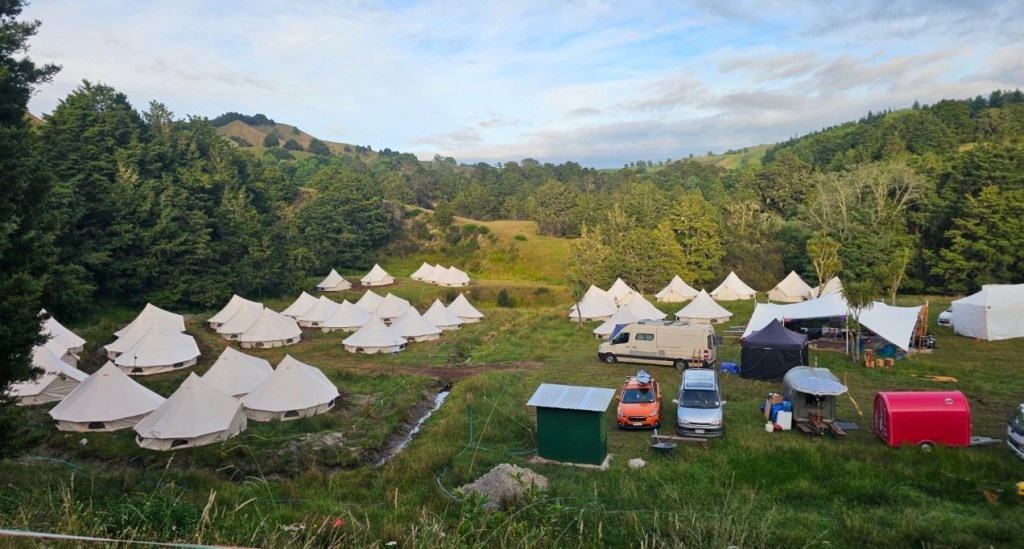
Our first land experience in NZ was a music/yoga dance weekend festival, in the rolling hills and forests south of Auckland. This was an amazing weekend making new Kiwi friends, attending in depth workshops, and dancing to wild music till the early hours. However, the NZ rains and winds moved in and drenched us, our camping gear and all of our bedding. The long, hilly, muddy path to the main festival area had nearly washed away. So, we slipped and slid over the river and through the woods, carrying all our gear barefoot (as our shoes would be stuck deep in the mud). We hauled everything, our food and gear to a small yurt which was nicely given to us. Also, new bedding was kindly donated to us by new friends. Our crazy weekend continued and fun memories were made.

These were the dry Yurts

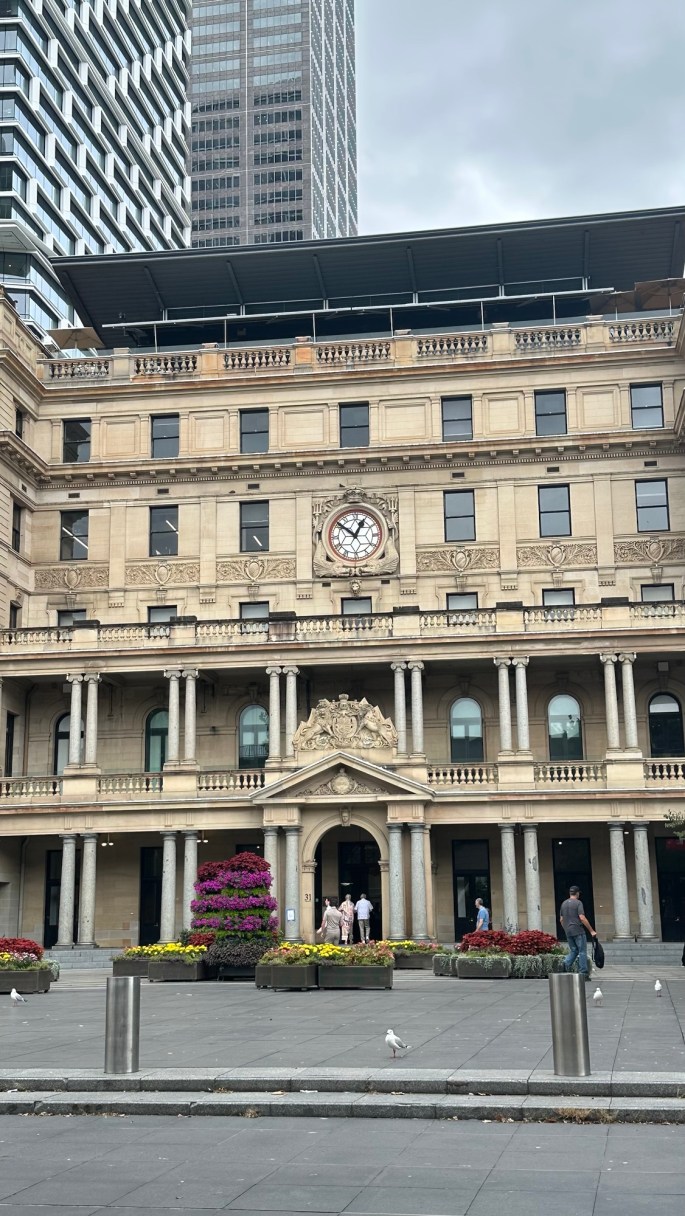
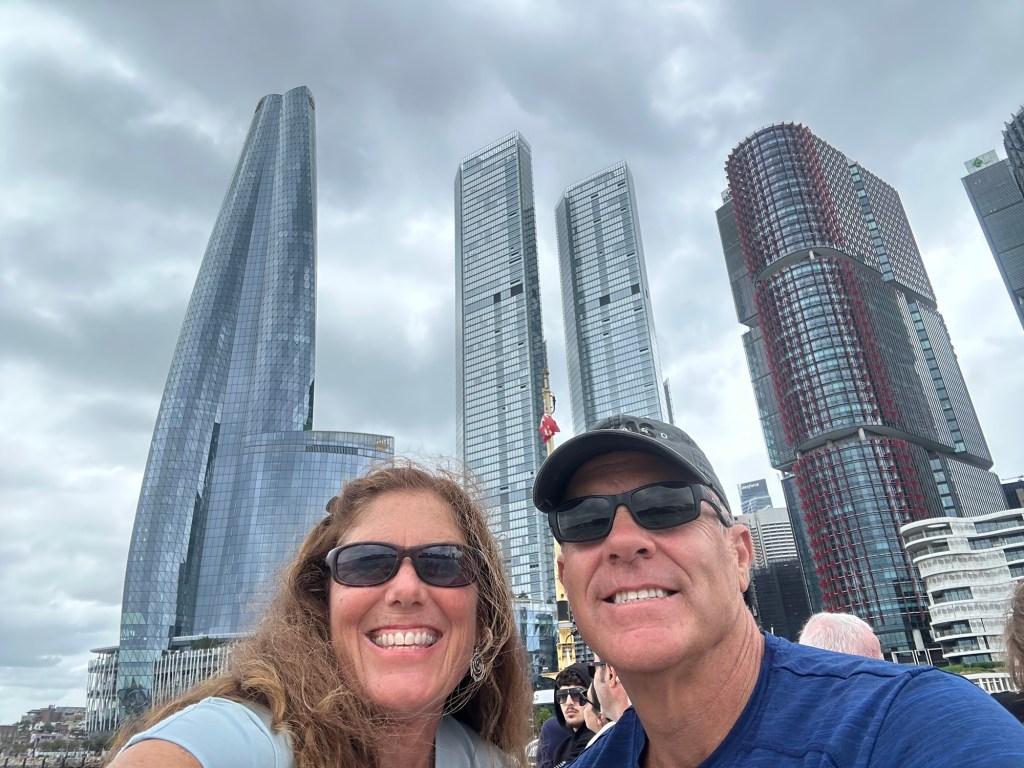
Next adventure had us flying to Sydney, Australia, to visit a new country. We got to experience the massive city of Sydney and many iconic points of interest. This city is supposedly ranked number 12 in the world for overall high quality of life. Agreed! It was friendly, safe and clean. The city was beautiful, and so easy to get around. Well known for its ferries, we made this our primary source of travel, besides our feet. Very cheap, only $9 AU per day for unlimited on and off!

The Sydney Fish Market was rebuilt and only opened last month. Tons of local fish, oysters lobsters, squid…. Quite an operation.

After a few days in the big bustling city, we needed more space and nature so we ventured north. A great sailor friend we made last year stays in Brunswick Heads on his boat for cyclone season. He invited us to stay the week and get a taste of the local hippie vibe. Thank you, Thomas on Ananda!

Why are New Zealanders called Kiwis?

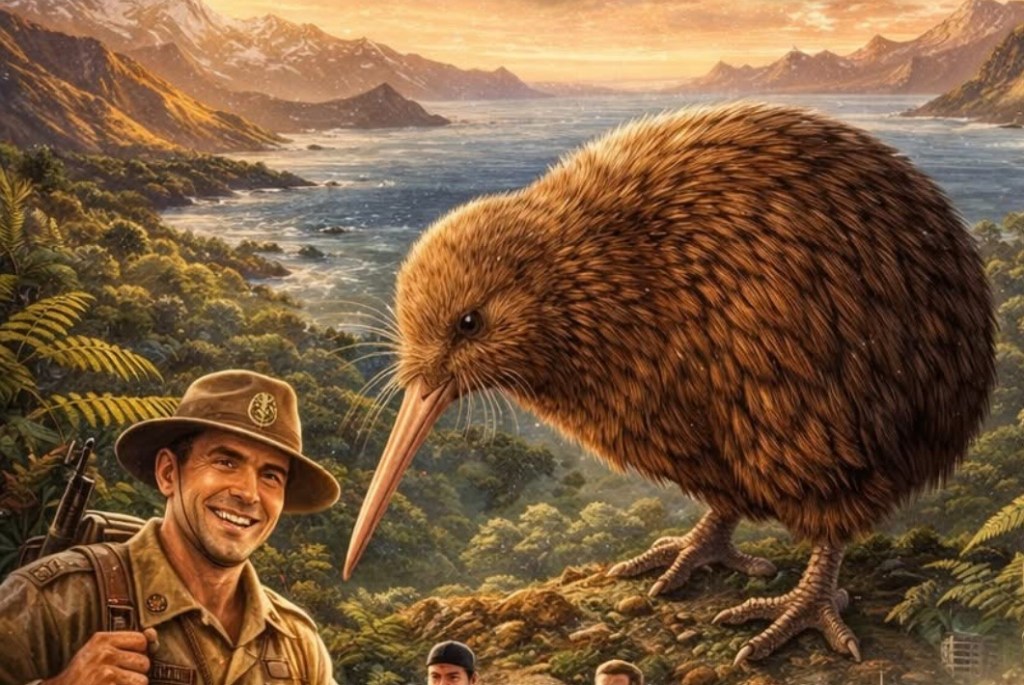
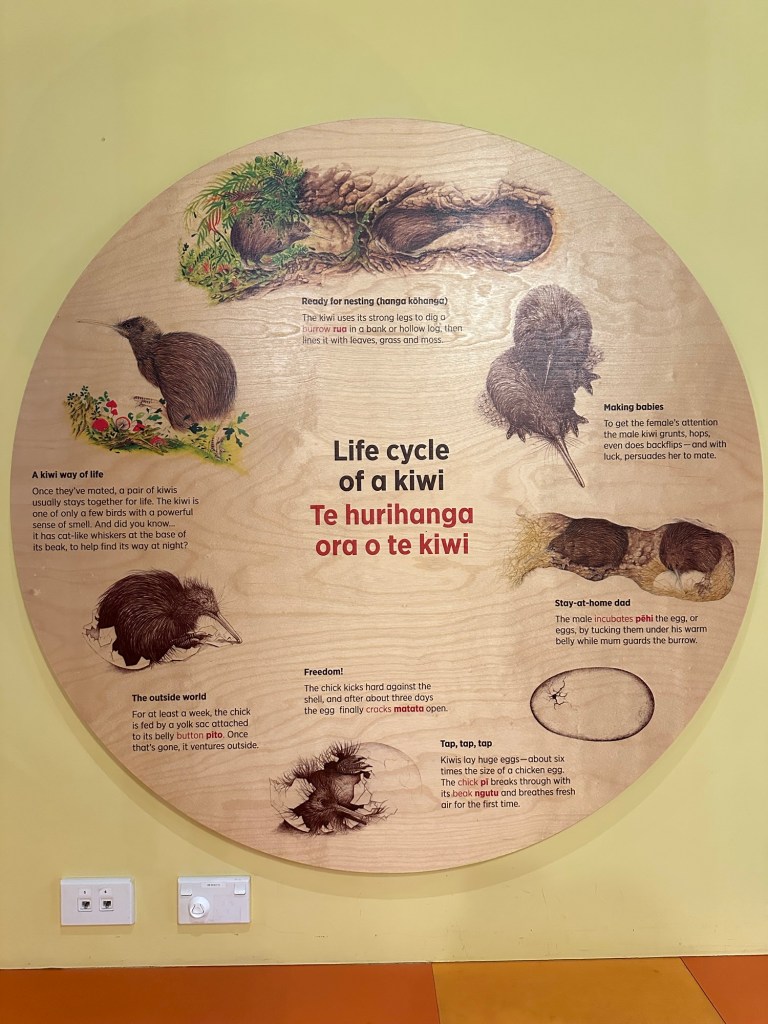
The locals living in New Zealand are proudly known as Kiwis. It is a nickname spoken with warmth, confidence, and belonging. The name comes from nature, yay, my favorite topic. A Kiwi bird is a nocturnal, small, flightless bird found nowhere else on Earth. This is our second season here, trekking across many islands, and we have yet to see one.

The kiwi bird has lived here for millions of years, long before humans arrived. With no natural land predators, it evolved without the need to fly, and developed strong legs. When Māori arrived, they named the kiwi a taonga, this treasured creature was woven into stories, cloaks, and spiritual beliefs. Later, when Europeans settled in New Zealand, the bird became a symbol, since it was so unique. World War I New Zealand soldiers wore military badges featuring the kiwi bird. Over time, soldiers began referring to themselves as Kiwis. They do like using nicknames!

The word also seems to connect people across backgrounds, uniting Māori and non-Māori, which is so important. The kiwi explains a people known for traveling the world while never losing sight of where they come from. Funny, Scott and I will have lived here a year this May, can I call ourselves Kiwis?
Hanging out with a dozen Kiwis is always fun, spirited and full of much storytelling.
Auckland, New Zealand

Our home for the month.

Docking in downtown Auckland, crazy tricky.

Merry Christmas to all! We had a quiet, fun Xmas on the boat with our besties, Jason and Candice. We later met some local Kiwi’s and invited them out for a sail in the bay. New experience for them.

And, Happy New Year to all! Since we had such a fun New Years last year downtown Auckland with numerous cruiser friends, we thought we could repeat it on Kalea. We threw a crazy loud and silly costume Disco party, with music, lights and all. Take a look at these silly videos.

What else have we been up to? Plenty of big city activities downtown Auckland, we even found a gym for the month! We just hop on a little pink scooter and zip around town. Plus our normal boat life, shopping, marine projects, hikes, exploring, bussing it, nightlife, sewing, friends, restaurants, and yoga. Life is good and very full, just the way we like it, for now.

What’s next? We will continue exploring this area till mid February, then haul out Kalea as she is due for a bottom paint called antifouling. We really are keen to explore Australia, so instead of sailing there, we will hop on the plane. Need to do a visa run anyway, as we only get a 3 months visit at a time. A flight will be much quicker than sailing there, plus Australia is so huge. We will spend 5 weeks exploring and visiting some cruising friends there. Transitioning from sailboat to a camper van should be pretty simple, NOT! Stay tuned for that story.

New Zealand, Islington Bay

Ahhhh, New Zealand. Good people, good food, beautiful scenery and amazing sites. It’s good to be back and reconnect with friends we made last year. Although we won’t be in the states for the holidays, we will be spending Christmas and New Years with many of our cruising family members and a New Year’s party hosted on Kalea in the downtown Auckland (Viaduct Marina). 

Today’s post is about the hike and anchorage across the bay from Auckland. It’s a rather large set of islands called Rangitoto and Motutapu. In the 1920s locals would sail and row themselves across the bay to these beautiful islands and build little holiday homes/structures that they called Baches. About 140 structures. This island was government owned but it didn’t deter people from carving out a piece of the island and calling at their own. The government gave the tenets leases and used the residents to build walkways and roads around the island. They were modest cabins by any stretch, but these people put a lot of time into getting materials across the bay and moved lots of lava stone to create foundations and boat ramps. 

In 1937 conservationists convinced the government that the Baches were detrimental to the efforts to conserve the island and the courts agreed. The courts gave the residents 20 years to remove themselves and everything associated with their structures. A smart attorney continued to haunt the conservationists and finally in 1957 got the New Zealand Supreme Court to agree that the Baches were part of the environment that should be protected and kept preserved as long as the family has survivors. After the 20 years of required eviction, only 30 Baches were left and to this day many have been handed down in families and still are in use. 

As we walked around, it was fun to see the ruins as well as some of the Baches still occupied by some of the original families. 

As for us, we have decided not to sail to Australia, so will fly there for a few weeks. We want more time in the tropics before we move onto Indonesia. As always……plans are ever changing to adapt to our whimsical lives. 🙂 

Sailing South for Cyclone Season

⛵️ Kalea, our sailing home 49’ Catamaran, left New Caledonia and headed back South to Opua New Zealand. We had to say goodby to the warm tropical waters and beautiful coral sealife, to seek safety from the upcoming cyclone season. Most cruising boats leave the region of Tonga, Fiji, Vanuatu and New Caledonia by December and head south, to NZ or OZ, all hoping to return in May, when it’s safe again.

NZ small gulls

This journey started as a 20 knot bash, meaning close hauled, with not much swell, heading east at first. Rather uncomfortable and loud. As we tacked south, the wind shifted and we still were bashing. Still uncomfortable. Finally the 3rd day we were blessed with a speedy downwind blow but with 3 meter swell forward of the beam. A bit calmer feel, but you still need to keep a seat or hold on while moving about. Every angle of wind and swell is a different feel on a boat, especially on a catamaran. And as most of you know, bashing is never comfortable, in either boat.

Still sampling the sea water

Some friends asked about the most used sailing tools that we use. As you can imagine, paper charts are a thing of the past, since Starlink. Our most common tools are PredictWind, Open Cpn, Navionics and out boats Chartplotter program. Also handy are:

You wonder what we do for 5 days in a boat beside sail? Mainly sleep (or try to) eat (or try to) read (or try to) cook (or try to) and maybe watch a few downloaded movies. I have been successful at ocean water sampling for Citizens if the Sea, a fun side hobby so far. If you know me well, I did finish my puzzle the first day, played rummicub the second day, and I tried bananagrams, but it was a bit too lumpy that day. But overall, I am still enjoying the ocean, sunrises, sunsets, stars, my amazing captain, our passage crew friend from California, and our sailing home.

Then, it’s Land Ho! We Motor sailed the last few miles into Bay of Islands, aka Opua, New Zealand. All is well, nothing broken, just ready for some land time. Not much to report about for sealife, one squid on the bow and a few black seabirds, and no fish caught. Oh well, the lamb and meat pies are sounding great! 😋

A ton of boats returned to NZ, but we saw none out there on the passage south. PredictWind is an amazing tool.
I finally got some great photos of the full moon last month

And last but not least, my favorite video this year, taken on my go pro 12 in New Caledonia. Most of the little islets, as the this French colony calls them, are homes to multiple endangered migratory seabirds and friendly Sea Turtles! We only got to stay a week waiting for the weather window to jump south. So we will be back in May!

Free mooring balls at all the islets of New Caledonia, this helps protect the corals.

Sailing and experiencing beautiful Efate and Malehuka, Vanuatu

An amazing adventure in an among various small and big islands in Efate and Malehuka in Vanuatu. The highlight for us for sure were the genuinely kind and happy local people.

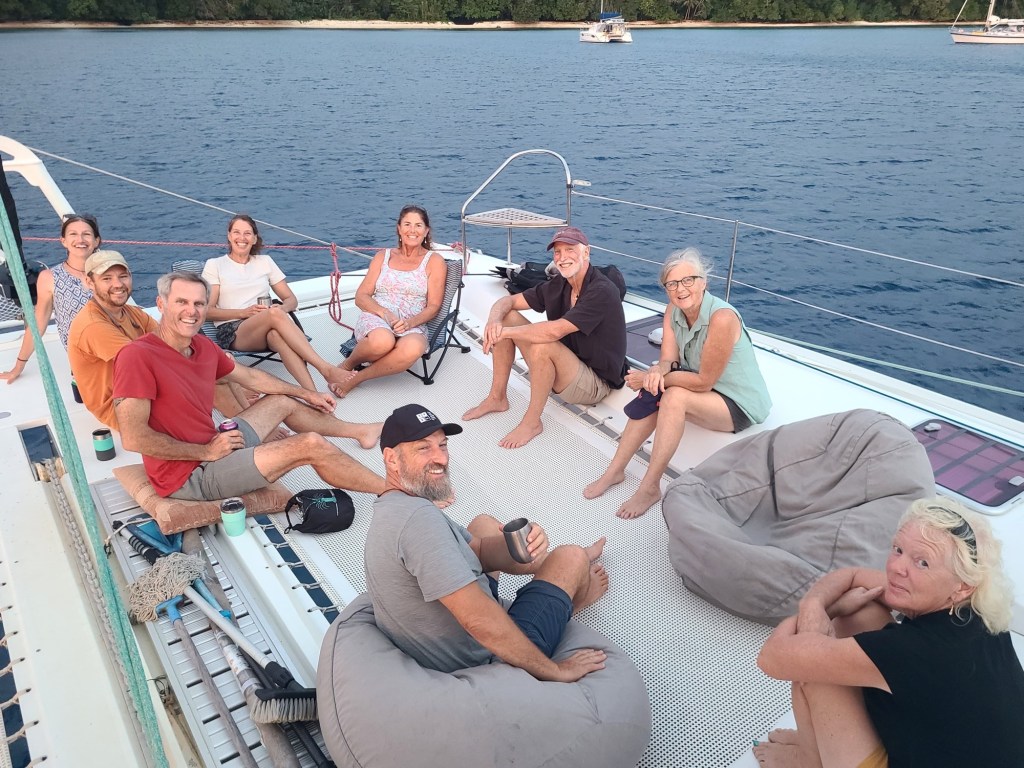
Sailing west from Fiji to Vanuatu on our beloved sailing home Kalea, we adventured through three island groups visiting numerous villages, meeting amazing people, and enjoyed some very special experiences. Lucky for us, Kathy’s brother Andrew joined us for 3 amazing weeks. We had some terrific snorkel days, saw some dugongs (like manatees) and had a great hike into the cocoa farms. Also lucky, that our good friends’, Jason and Candice (on SV Deguello) buddy boated with us the entire way. We are feeling blessed.

Follow our tracks online below, as we soon head to New Caledonia, New Zealand, and next season back up to include Solomons, Papa New Guinea, and Indonesia.

https://forecast.predictwind.com/tracking/display/SV_Kalea/

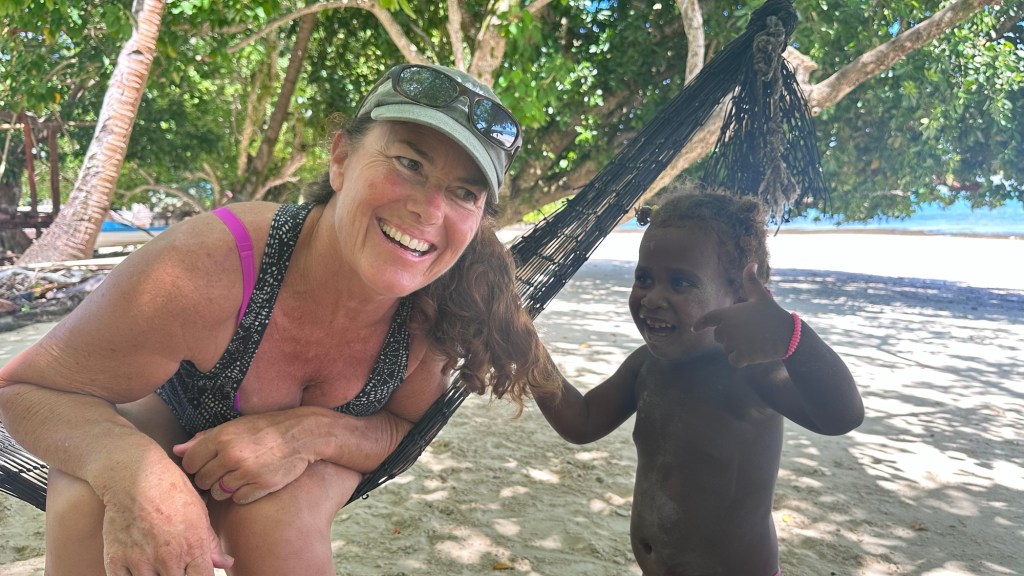
Village children are the cutest! Fun game nights were had.

Bislama language of Vanuatu

  • Hello: Halo
    -Good bye: o revar
  • Thank you: Tangkyu
  • Yes: Yes
  • No: No
  • Good: Gud
  • Nice to meet you: Mi glad blong mitim yu
  • How are you?: Yu stap gud?
  • I don’t know: Mi no save
  • Thank you very much: Tangkyu tumas

Although there are more than 80 languages here in the Vanuatu islands, some English, we have been having fun with the common language of Bislama. It is creole like, so fairly easy to interpret. Bislama’s vocabulary is basically English, with influences from French and local languages.
Bislama language is important for Vanuatu’s culture as it ties the far off island villages together, also providing communication for young dating couples. Read the signs aloud, you’ll surely chuckle!