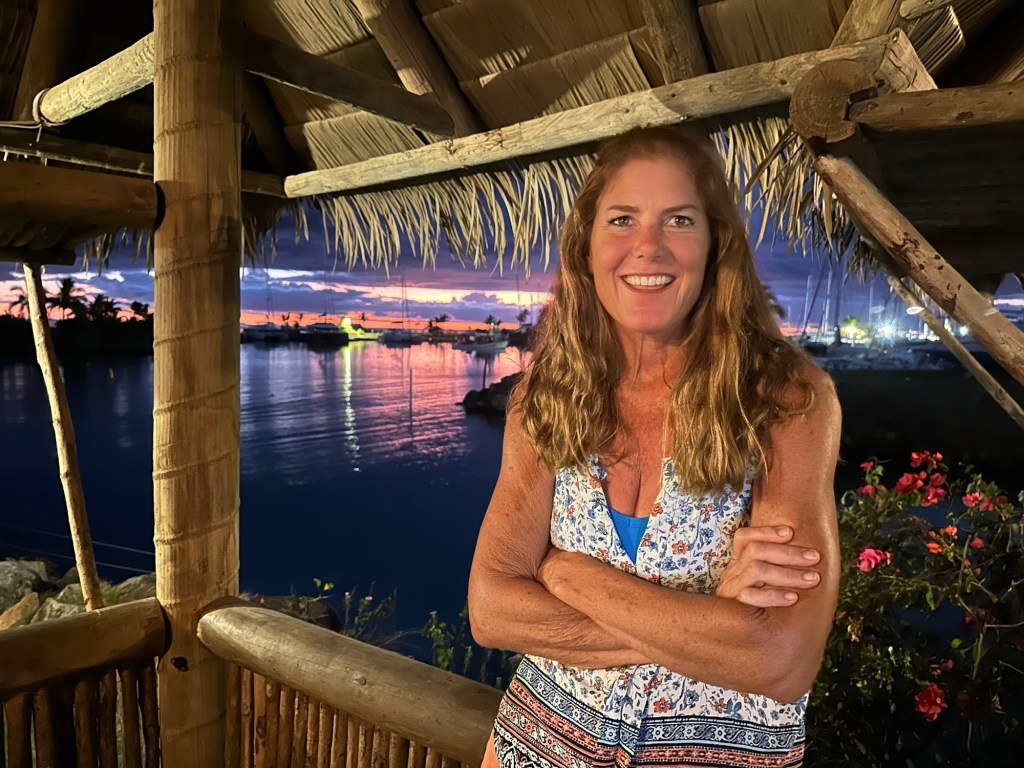
Our sailing home takes us, Scott and Kathy Erwin to travel the world one island at a time. Come along on this adventure to learn, or join Kathy’s Yoga, and explore and see the world.
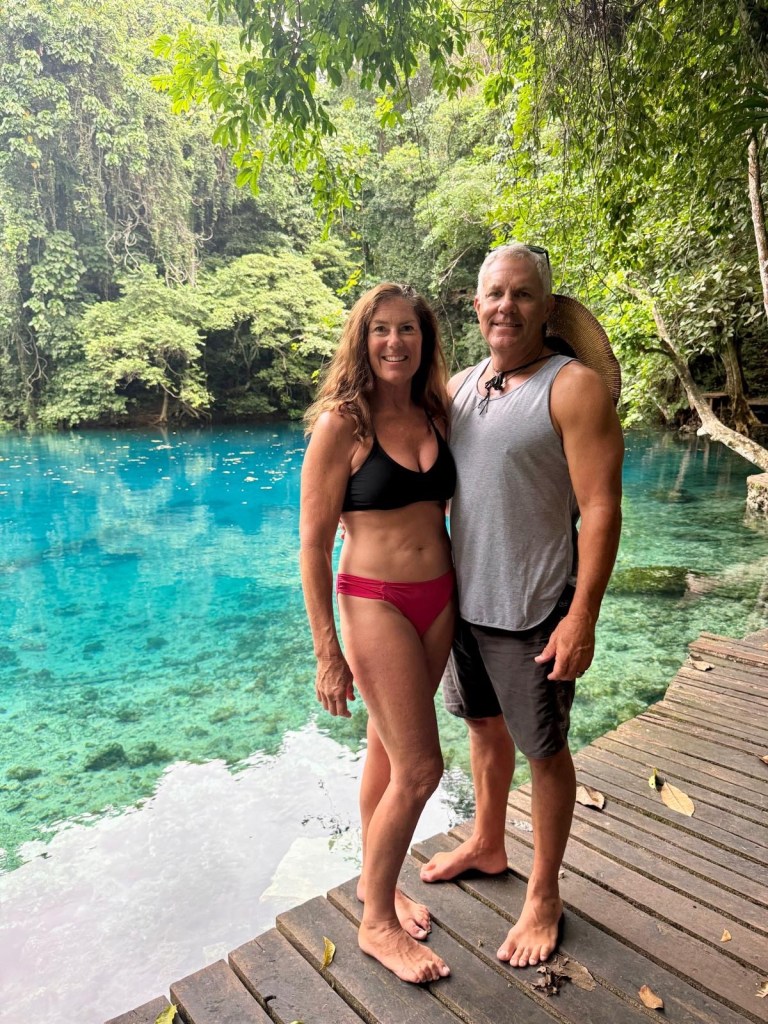
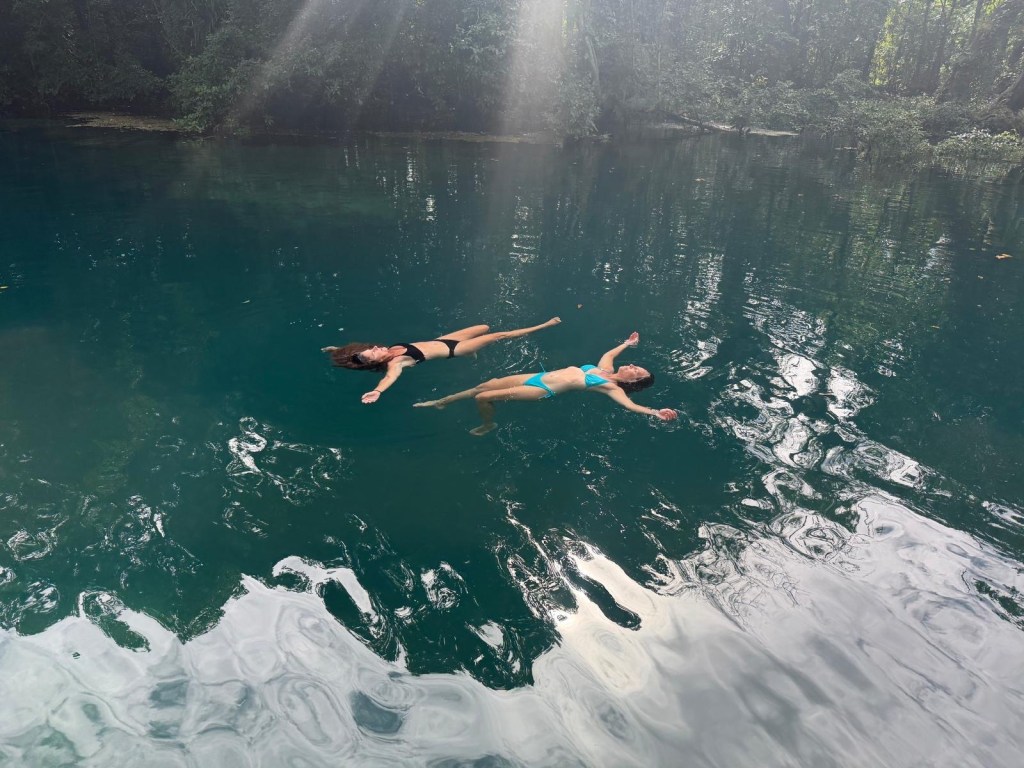
Dotted around Vanuatu are these incredible natural swimming pools called blue holes. They form by rainwater trickling through the volcanic rock and down into the limestone, making the water unbelievably clear and dazzling turquoise. We found most of these spots in the north of Santo Island. One can find them hidden in the lush rainforest, some accessible by car and others requiring a paddle or dingy ride up a small winding jungle river.
We were lucky to find 5 of these crystal-clear, mesmerising blue water spots. The light interacts with the limestone and water. The water is so clear and deep that it absorbs all colours except blue. We were lucky to find these holes about a mile up a jungle river. Luckily there were no mosquitoes anywhere to be seen! They say it’s too dry?? I say it’s too windy.
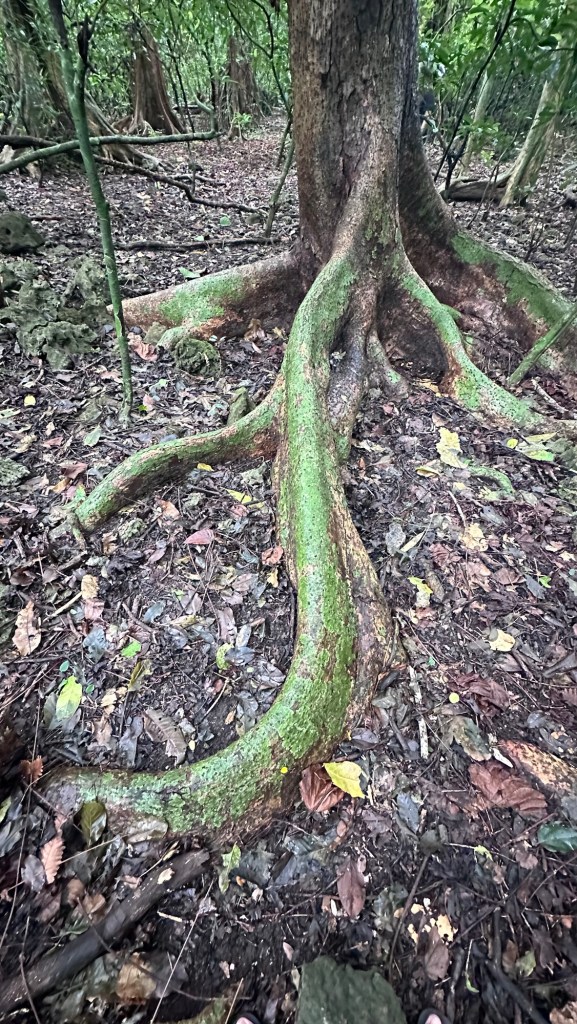
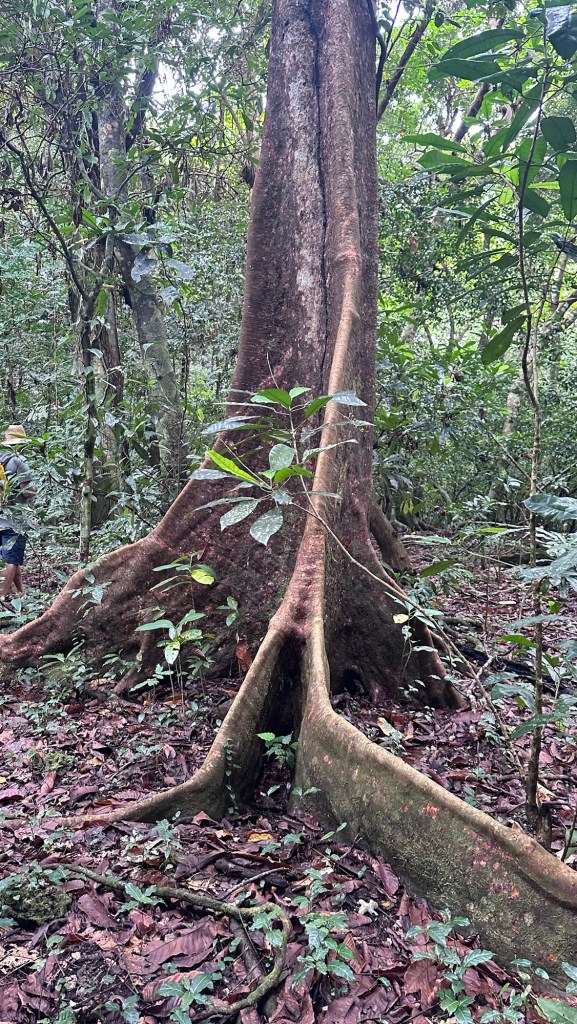
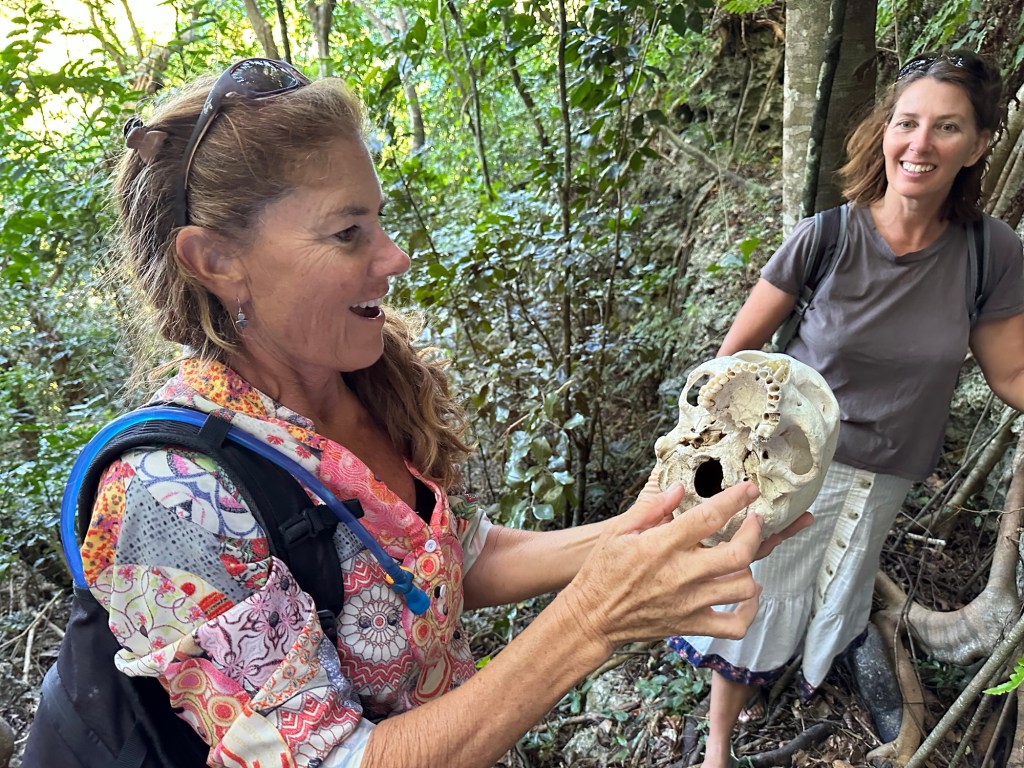
The jungles of Vanuatu are dense and such fun to safely explore and hike through. We ventured off trail, gps in hand, and searched for a hidden lake. Little did we know we would find so much more. The TREES! And vines as thick at my arm so twisted and gnarled around them. One looked like a double braid rope.
Hidden lake near Port Olry
It was fun for me to write a share about Vanuatu and our 5 year sailing journey (so far) on Noonsite, an online sailing site. If you want more details about the ups and downs of cruising lifestyle, some pacific Islands we enjoyed, which boats we picked and why…take a look. If the QR code doesn’t work, click below.
New Zealand Check out time! 😅 We often get the question from family back home; “What is the Customs process for a sailboat exiting or entering a country, and what about Immigration?” Folks are shocked at the lengthy procedures, not just for us crew but for the boat as well. The Port Officials and Border patrol are always watching all boats coming and going. They use online programs like Marine Traffic, since boats have an AIS (automatic identification system). Their exact location is transmitted through the vhf radio. Port authorities, and coast guards worldwide rely on AIS for traffic control, and security. In a few days, we check out of New Zealand. They will review our visas, our paperwork, our boat documents and stamp all crews passports. They will monitor our boat closely, after our appointment, we promptly exit their waters without stopping.
We sent in the New Caledonia Customs paperwork so that when we get close, we will hoist our yellow flag, and arrive at their check in area. This yellow flag (Q flag) dated back to the 1300’s, aka “yellow jack” for yellow fever. It also means “my vessel is healthy and I request free pratique.” This indicates that we are entering their country and will head straight to the customs dock to resume health checks. This flag stays up until we are fully cleared in and free to come and go.
Once we are the Dock, our boat may get searched by biosecurity. They look for pets, plants, raw meats, drugs and produce. Any specified meats, fresh produce and alcohol over their limit is taken and our trash is double bagged and collected. The 21 or so official Customs papers that I had previously emailed in are reviewed. If all good, our passports are stamped, we lower the yellow flag, and hoist the local country flag above our US flag. Either that day or the next, we pay for clearing in and are granted our tourist visas, boat temporary import papers, and cruising permits. Then we can freely get off the boat and enjoy the country. It’s a lot, right? Phew! 😅
Fiji
Once at the Port Dock, boats may get searched by biosecurity. They look for pets, plants, raw meats, drugs and produce. Any uneaten produce is taken and our trash is double bagged and collected. The 21 or so official Customs papers that I had previously emailed in are reviewed. If all good, our passports and boat intake forms are stamped we then lower the yellow flag, and hoist the local country flag above our US flag. Either that day or the next we pay for clearing in and are granted our tourist visas, temporary import papers, and cruising permits. Then we can freely get off the boat.
Researching Papa New Guinea
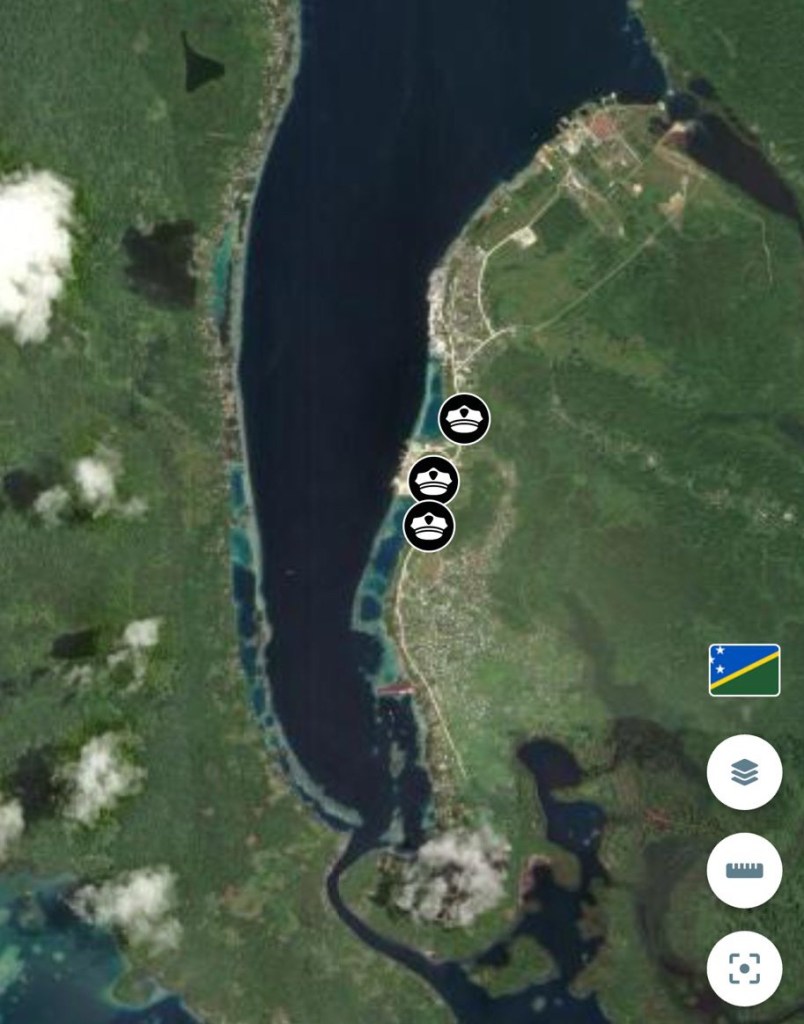
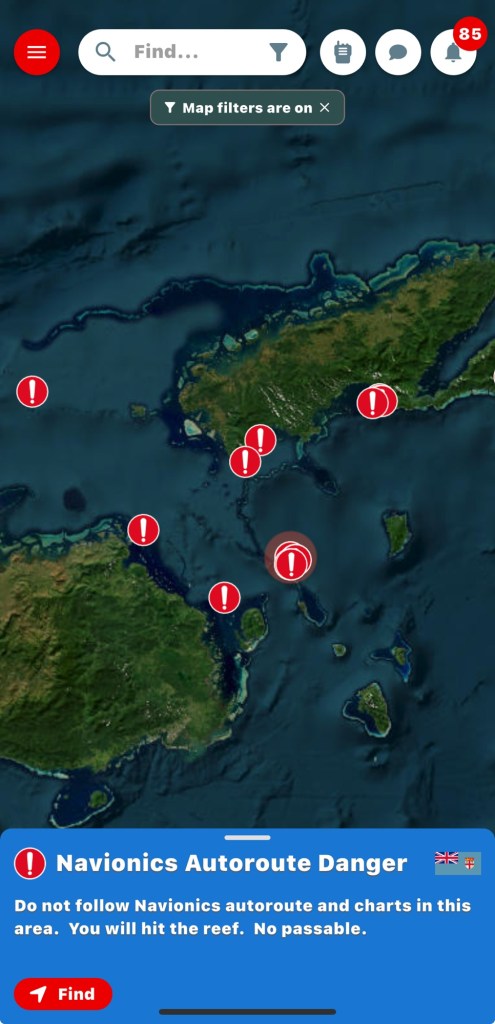
We spend a lot of time researching the location of the Ports of call for each country. There may be 4-5 Ports spread out on various small islands, all with varying advantages or disadvantages. For example, these remote places may only have offices open a few days a week. It pays to research. Sailors are grateful for the app called Noforeignland. With map filters we can easily find the Offices to head to. Sometimes these buildings are miles apart and might have no public transportation. These are stressful days. Remember, new country, new language, new money, new transportation and new procedures. We were lucky to have a welcoming party as we entered Fiji 2 years ago.
Vuda Marina, Fiji
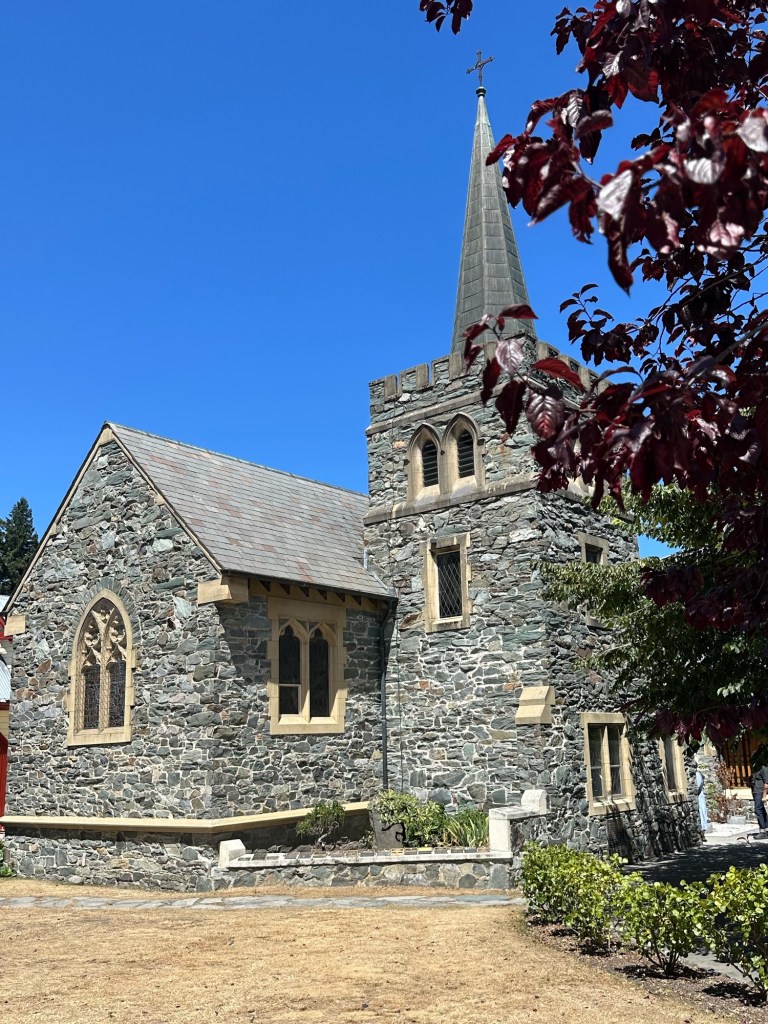
Now we are saying goodbye to our 2 week stay in New Caledonia, and our new French friends that we made here. We enjoy learning about the country from the locals. Barbara and Kim treated us at their delicious restaurant “Hanahana” and later we took them out for a spectacular sunset sail. Much discussion on local Politics, culture and family similarities. The capital city here is Noumea, and is bustling, a bit dirty and very French. We found some fun spots, the Catholic Church, some ruins from 1881 and even bought a new dingy for a friend in need. (Not saying any names here, btw) 🤣 My favorite aspect of Noumea is the fact that it’s free for both check in/out and the 3 month visa. The wines, cheeses and diesel was not cheap, however. But feeling very grateful! 🥰
We are off to Vanuatu next, a 3 day sail, aiming for Port Vila where 4-5 boat friends are waiting for us. Moving right along!
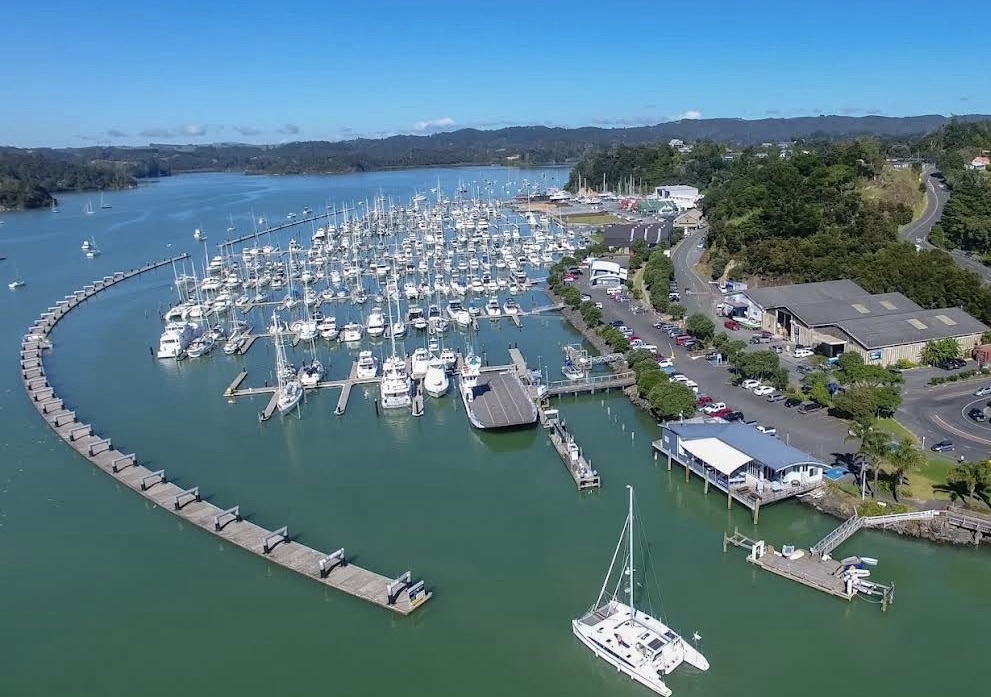
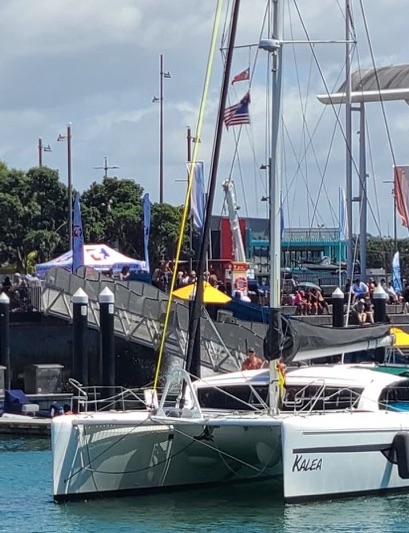
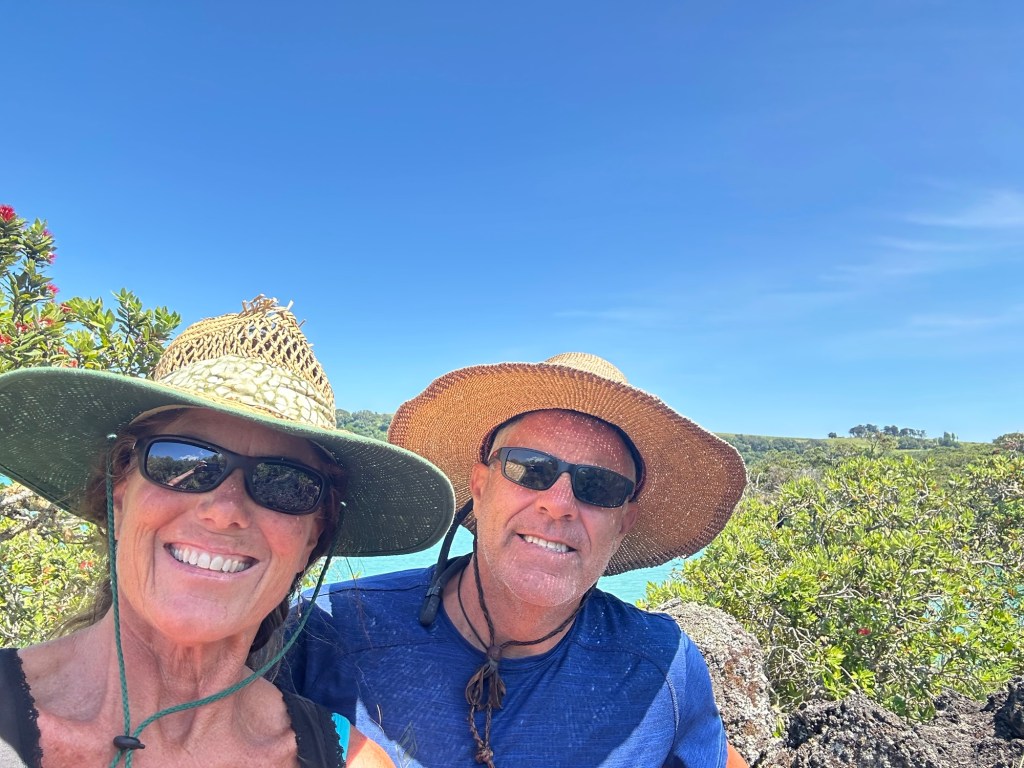
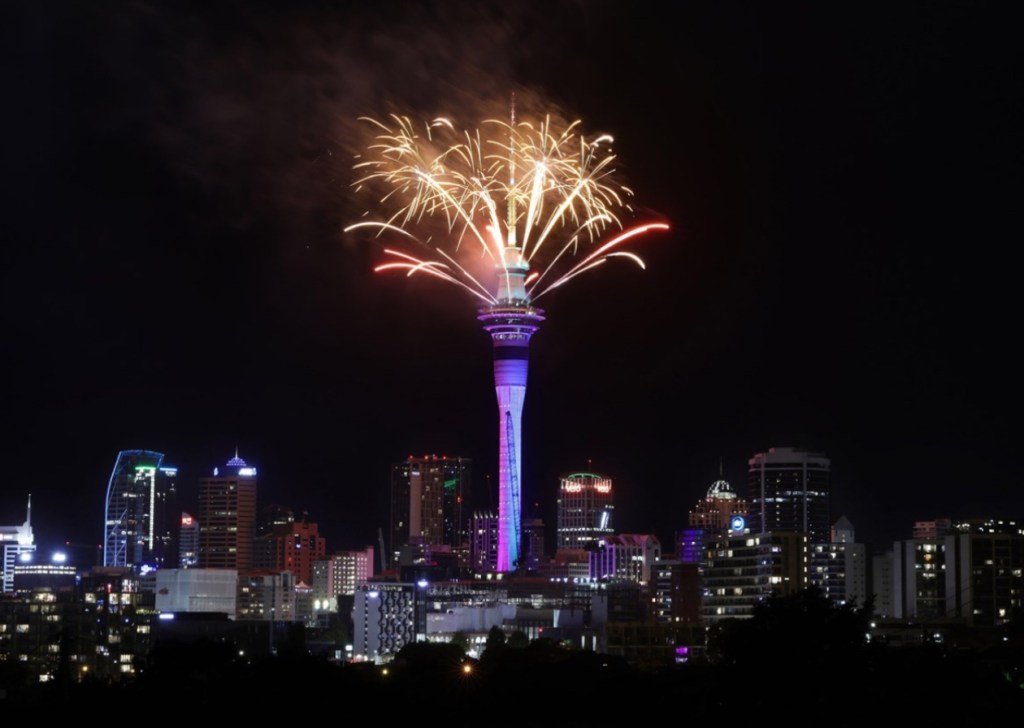
Ahhhh, New Zealand. Good people, good food, beautiful scenery and amazing sites. It’s good to be back and reconnect with friends we made last year. Although we won’t be in the states for the holidays, we will be spending Christmas and New Years with many of our cruising family members and a New Year’s party hosted on Kalea in the downtown Auckland (Viaduct Marina).
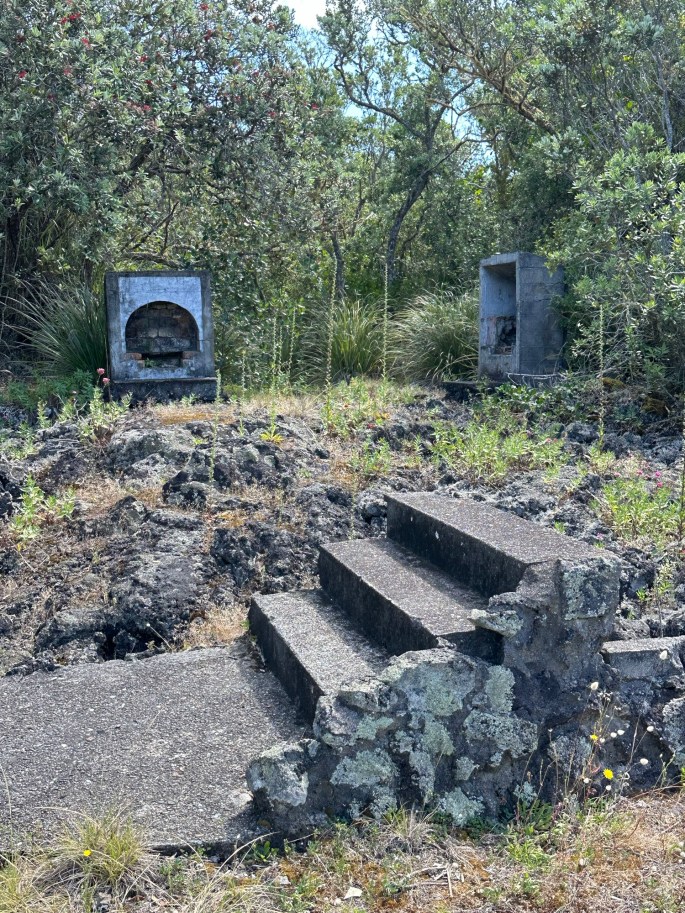
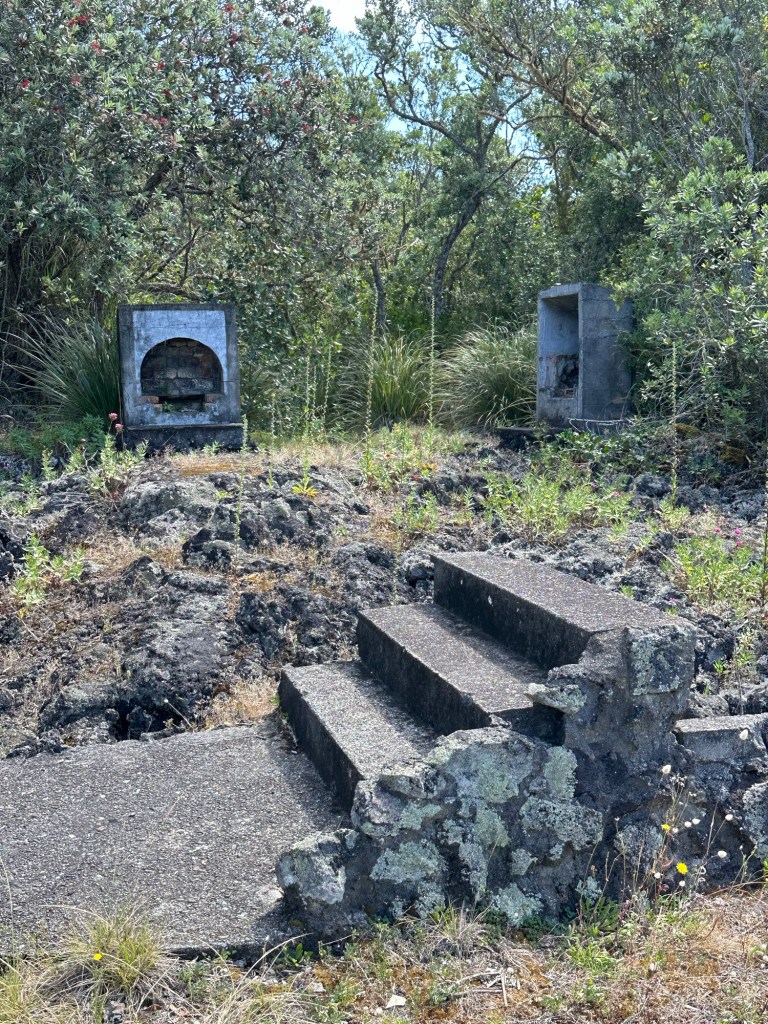
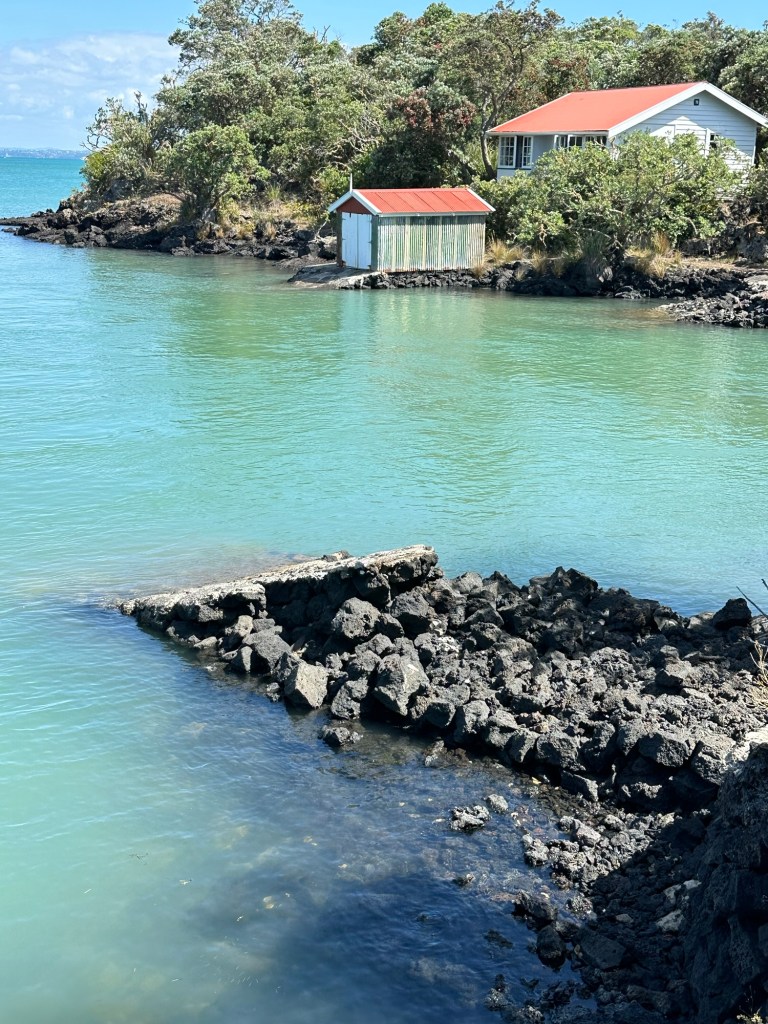
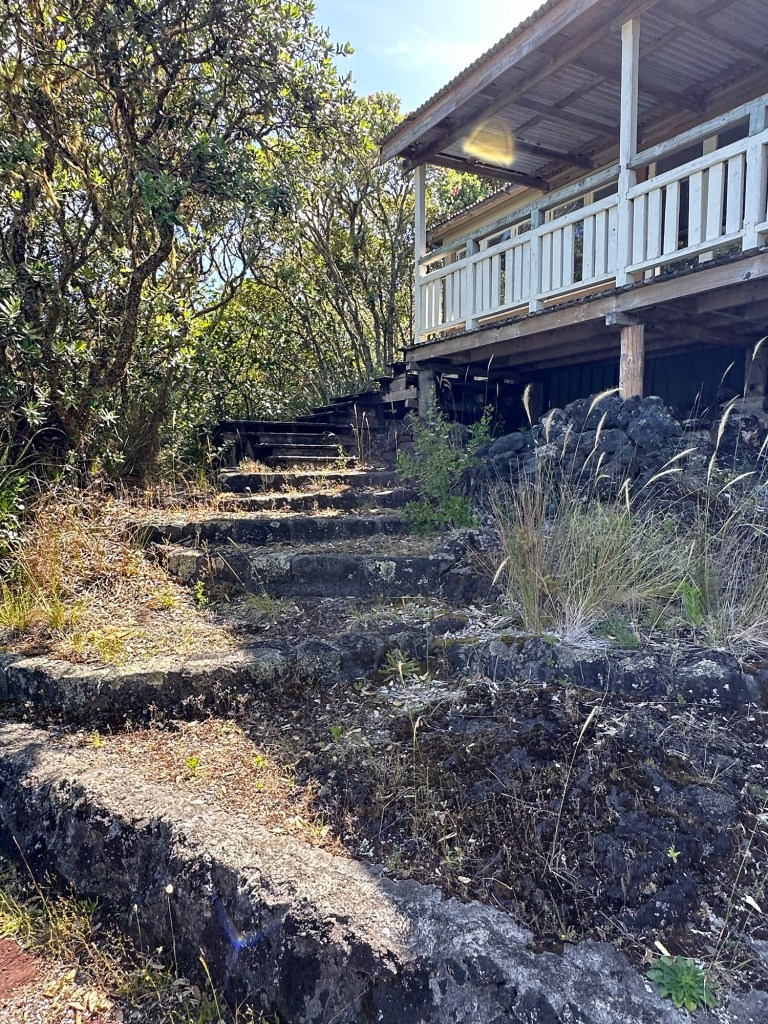
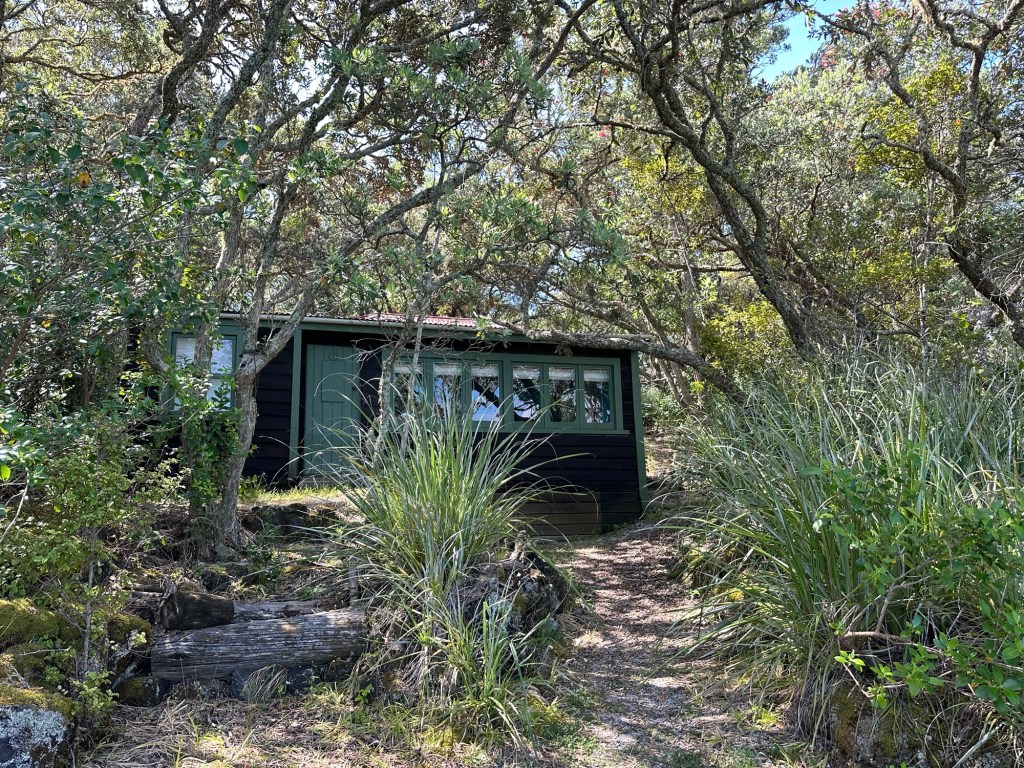
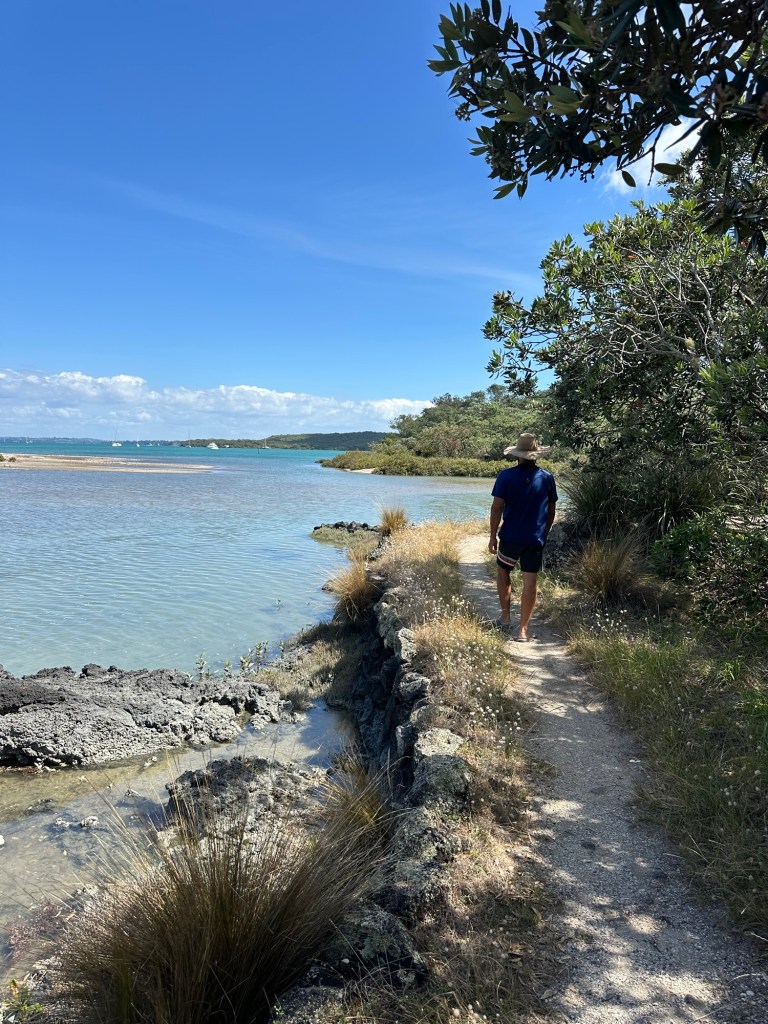
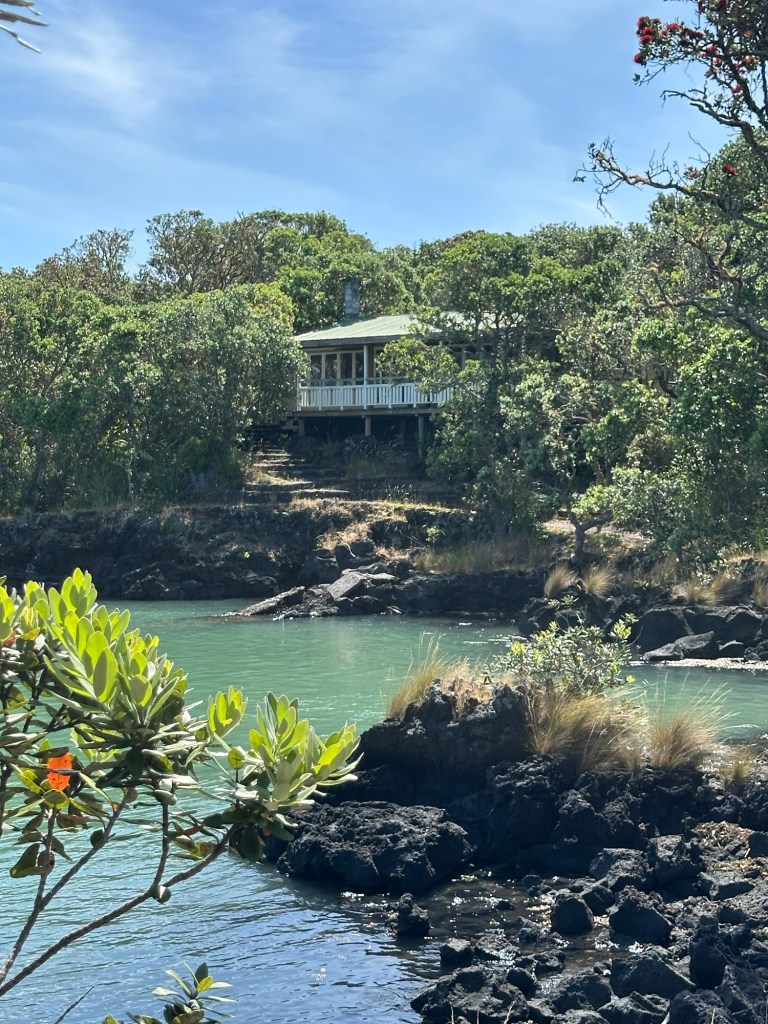
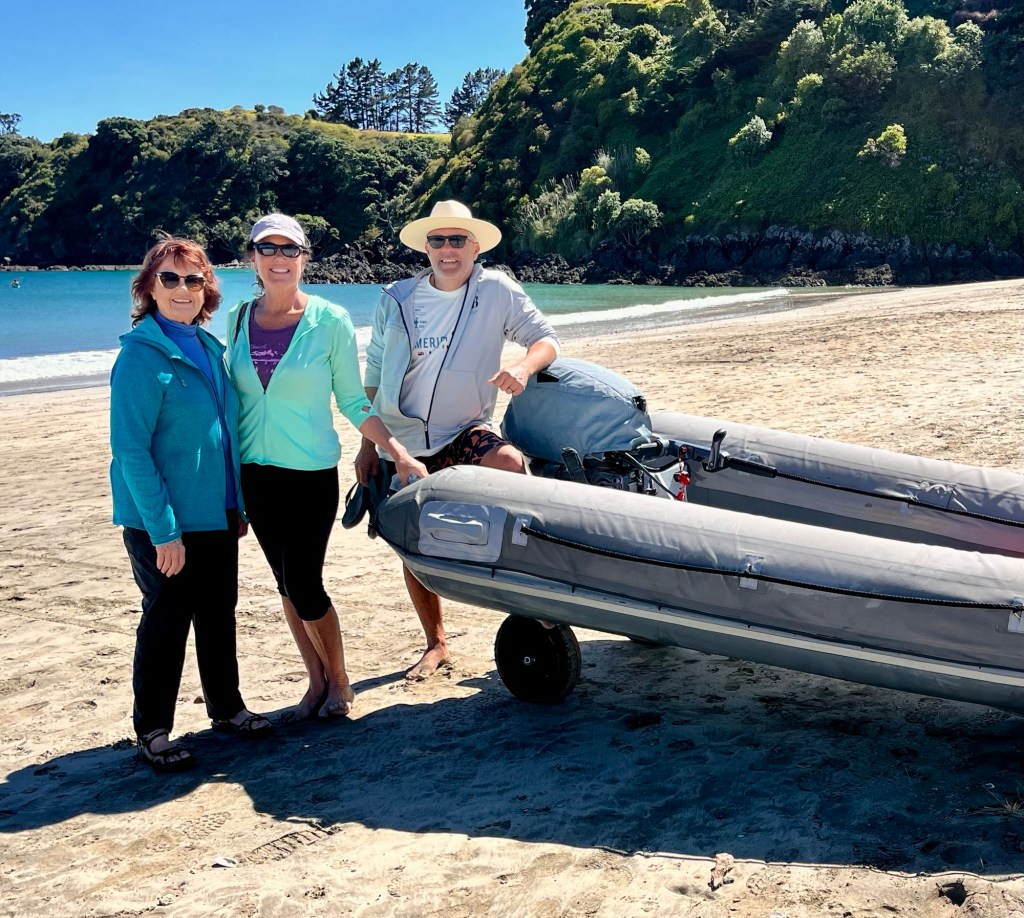
Today’s post is about the hike and anchorage across the bay from Auckland. It’s a rather large set of islands called Rangitoto and Motutapu. In the 1920s locals would sail and row themselves across the bay to these beautiful islands and build little holiday homes/structures that they called Baches. About 140 structures. This island was government owned but it didn’t deter people from carving out a piece of the island and calling at their own. The government gave the tenets leases and used the residents to build walkways and roads around the island. They were modest cabins by any stretch, but these people put a lot of time into getting materials across the bay and moved lots of lava stone to create foundations and boat ramps.
In 1937 conservationists convinced the government that the Baches were detrimental to the efforts to conserve the island and the courts agreed. The courts gave the residents 20 years to remove themselves and everything associated with their structures. A smart attorney continued to haunt the conservationists and finally in 1957 got the New Zealand Supreme Court to agree that the Baches were part of the environment that should be protected and kept preserved as long as the family has survivors. After the 20 years of required eviction, only 30 Baches were left and to this day many have been handed down in families and still are in use.
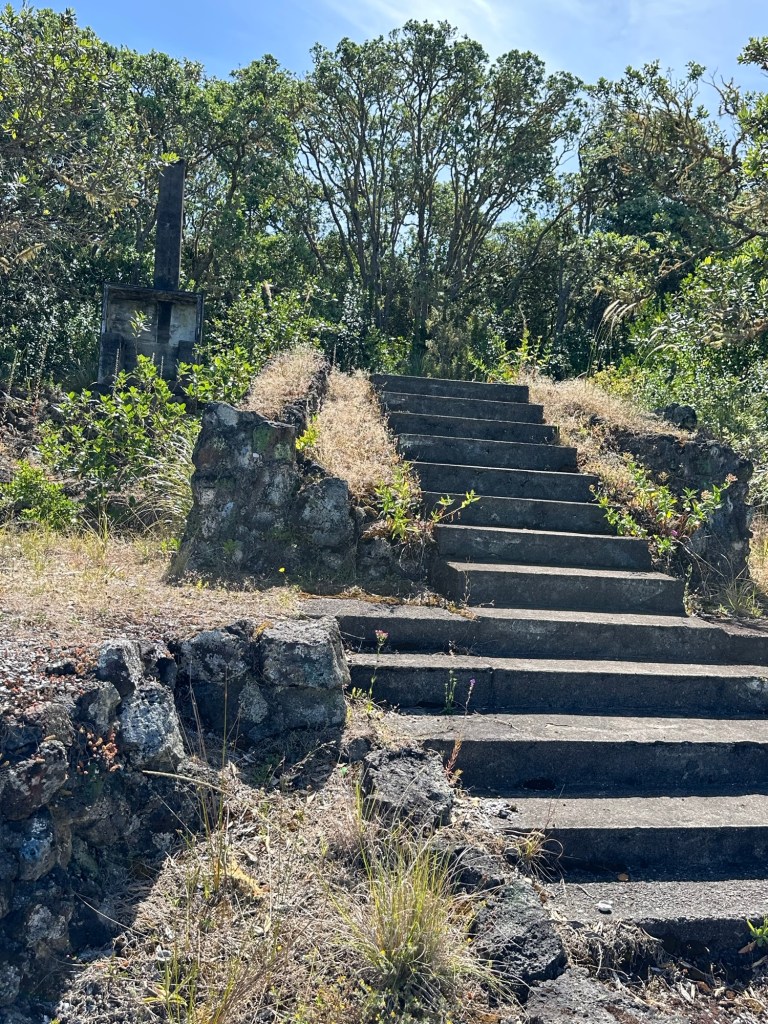
As we walked around, it was fun to see the ruins as well as some of the Baches still occupied by some of the original families.
As for us, we have decided not to sail to Australia, so will fly there for a few weeks. We want more time in the tropics before we move onto Indonesia. As always……plans are ever changing to adapt to our whimsical lives. 🙂
The trade-offs for this amazing experience: smaller spaces, fewer conveniences, missing family and a level of unpredictability most people would never sign up for.
My life on a boat; the highs, lows and a few other oddities. It’s probably often that you see sailing posts and YouTube stories about all the glamorous aspects of sailing. But it’s important to know that it’s not all champagne sailing nor is it all that it seems to be. It’s tough at times. This month had amazing highs for me, but did have lows, and some tough lessons that I am grateful to have learned.
Most of you know me, I am an optimist. I trust the universe. I have conquered fear (to date, anyway). I don’t like to complain or be negative, ever! I look for the good in every tricky or uncomfortable situation. And, I always remind myself that 4 years ago I “chose” to live on a boat.
Life is a choice. So I will start with the lows, but painfully: Since we chose to visit the very remote Lau group of islands in Fiji, we chose to have 0 amenities off the boat. 0 restaurants, 0 stores, 0 taxis, 0 resources, and 0 gas stations….for 6 weeks. I am so grateful that Kalea provided so much comfort and safety, because the feeling of isolation, without any other option, does creep in. Cooking 3 meals a day x 42 days is 126 meals, straight.
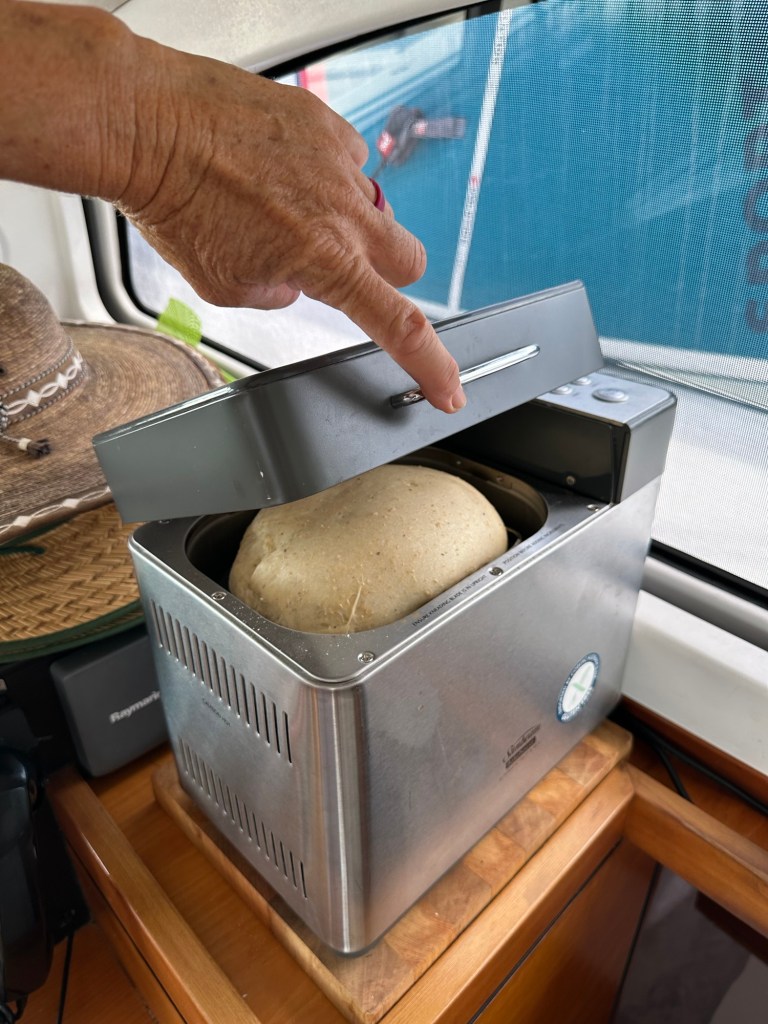
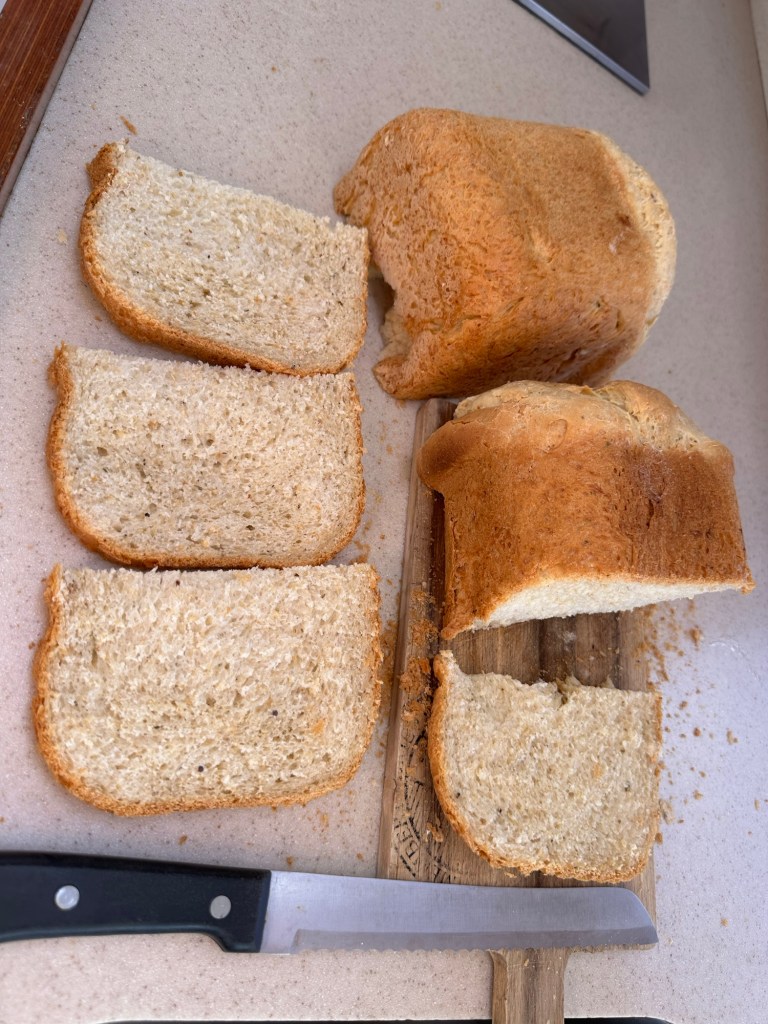
Thats one thing, but food management is another. So I have to make my own yogurt, bread and grow sprouts. We also got quite low on dingy fuel, which created more time on the boat and less adventuring. We didn’t catch any fish. And lastly, we got attacked by mosquitoes and no see ums both in the jungle and on the boat. Enough of that! On to the highs!
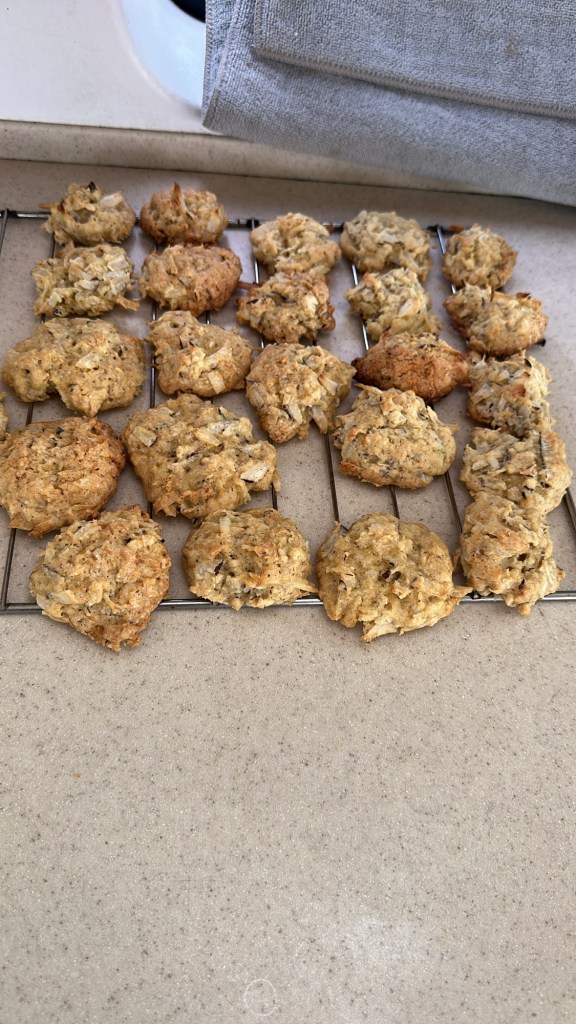
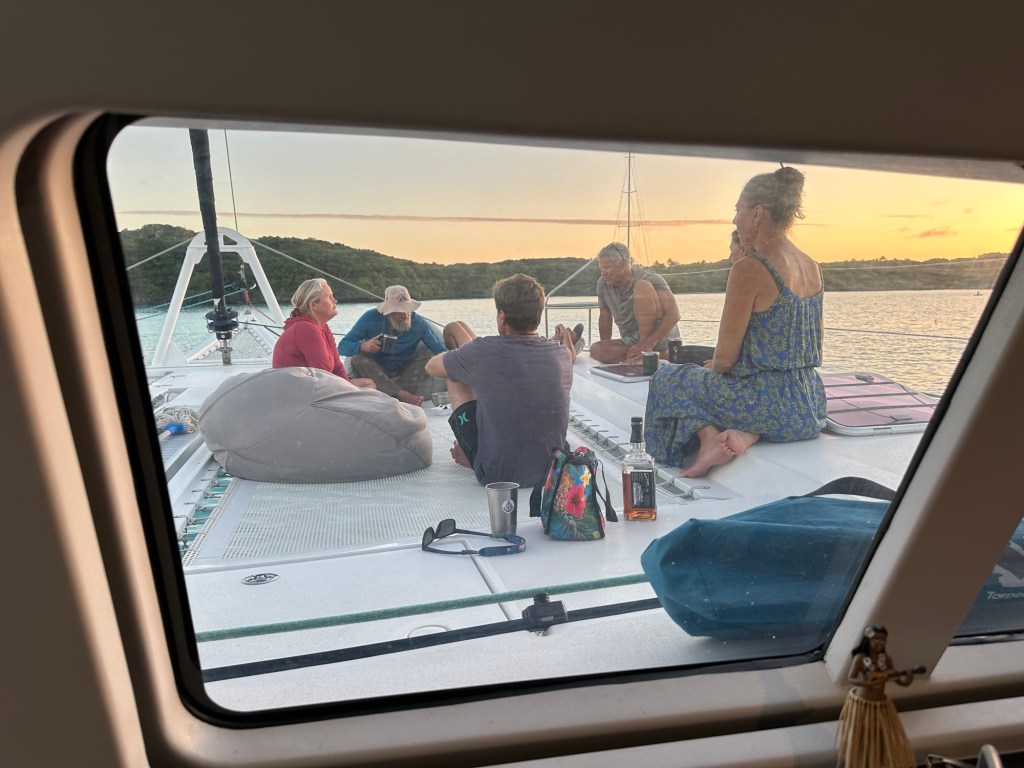
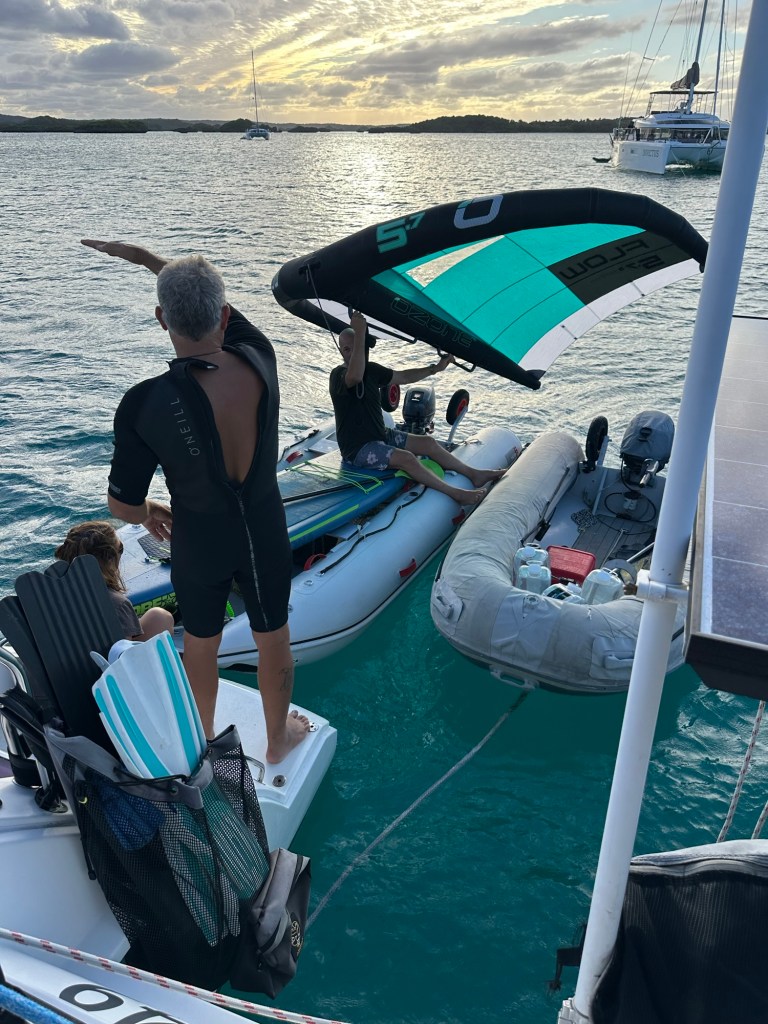
Too many to count….The stunning beauty. The amazing friendships. My bread machine. The friendly Fijians. The clearests waters. Shell searching. Very little humidity. Yoga. My amazing husband. South beach Ogea. My best girlfriend, Candice. Bugspray, bug couls and bug screens. Happy hour with friends. Sprouts. Cookies. Adventuring. Sailing. Cruising with Sea Bella. Wingfoiling. Playing with the local children. Jokers and marbles. Helping fix the villagers sewing machine and generator. Bonfires. And lastly; KALEA!
This life isn’t about escape. It’s about alignment. It’s learning what really matters and building a life around that. And, I am so grateful cuz it’s one of the best decisions I’ve ever made.
We now head back into civilization again. A quick stop at Kadavu for some world class diving. Then to Musket Cove. Fiji. I am excited to say we fly to California soon for Montana’s wedding. This October we head to Vanuatu, December New Zealand, March Australia, June Indonesia. (Loose plans for now)
Studying numerous charts, checking all our resources, discussing routes with other sailor friends and pulling anchor at 4am this morning, we are off!
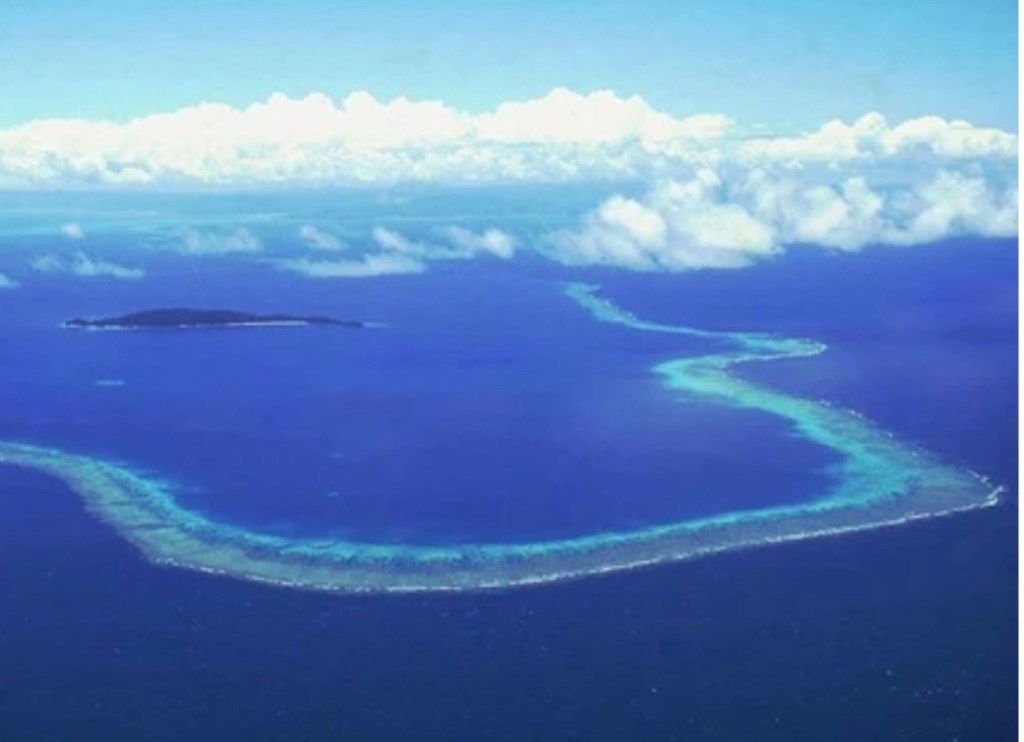
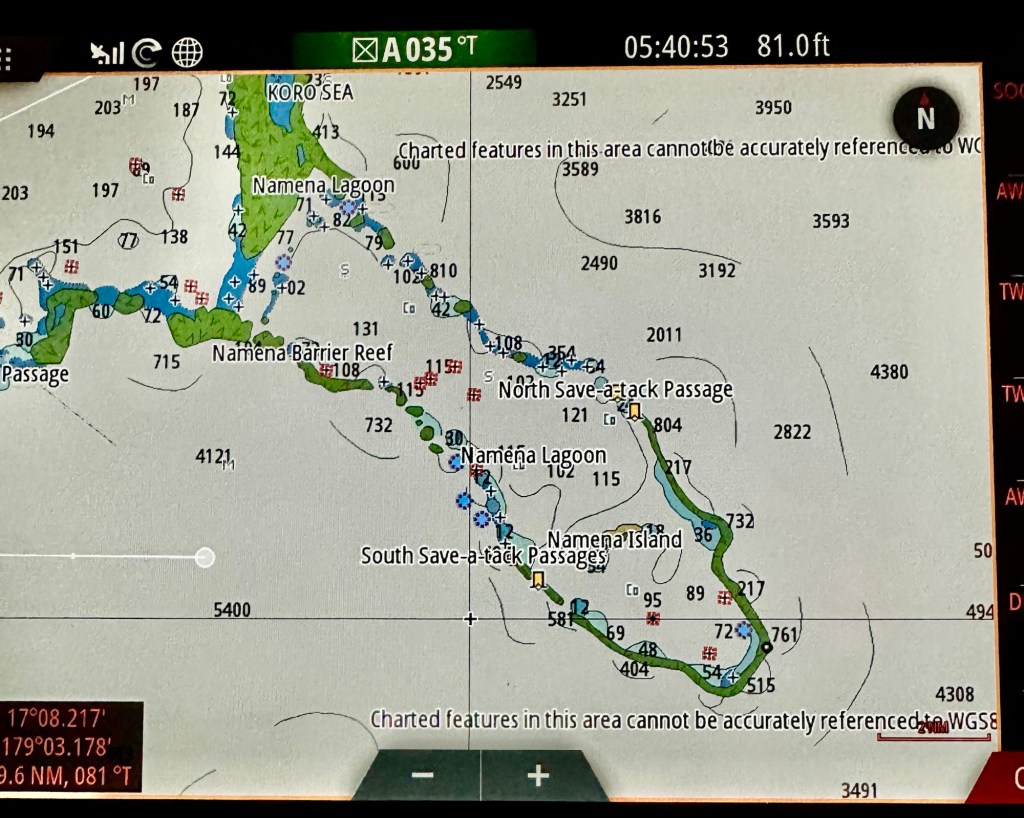
From Nananu-i-Ra to Namena Island, (just) a 50 nm journey through unknown and difficult (to us) seas on our Kalea sailing adventure. Mega reefs, narrow passes, bommies, 100 foot tall pinnacles of coral, barely seen on our 3 charts, but we are ready for a big day of 110% attention to navigation. Established just in 1997, Namena is the largest marine and bird reserve in Fiji. In the 80’s fishing this area was a booming business, but was diminishing the fish population. So, ten Fijian Chiefs from a nearby island gathered and established this area as a no-take preserve. Its 60 km encompasses a horseshoe-shaped barrier reef and a small uninhabited island. In 2016, Cyclone Winston passed directly over Namena destroying the one small diving resort in the strongest winds ever recorded in the southern hemisphere. Why go? We are so excited to possibly see the red-footed booby birds that nest in the trees along the coast. Supposedly the adults rocket down at 60 mph to dive down 45 feet to catch their dinner. They have special airbags to protect their organs when they hit the water! Wouldn’t it be great fun to scuba dive to witness this wonder! Not to mention the thousands of fish and coral species, blue eel, seahorse, dolphin, manta and whale that visit this lagoon… and the nesting grounds of 4 marine turtles!! Stay tuned for photos and videos!
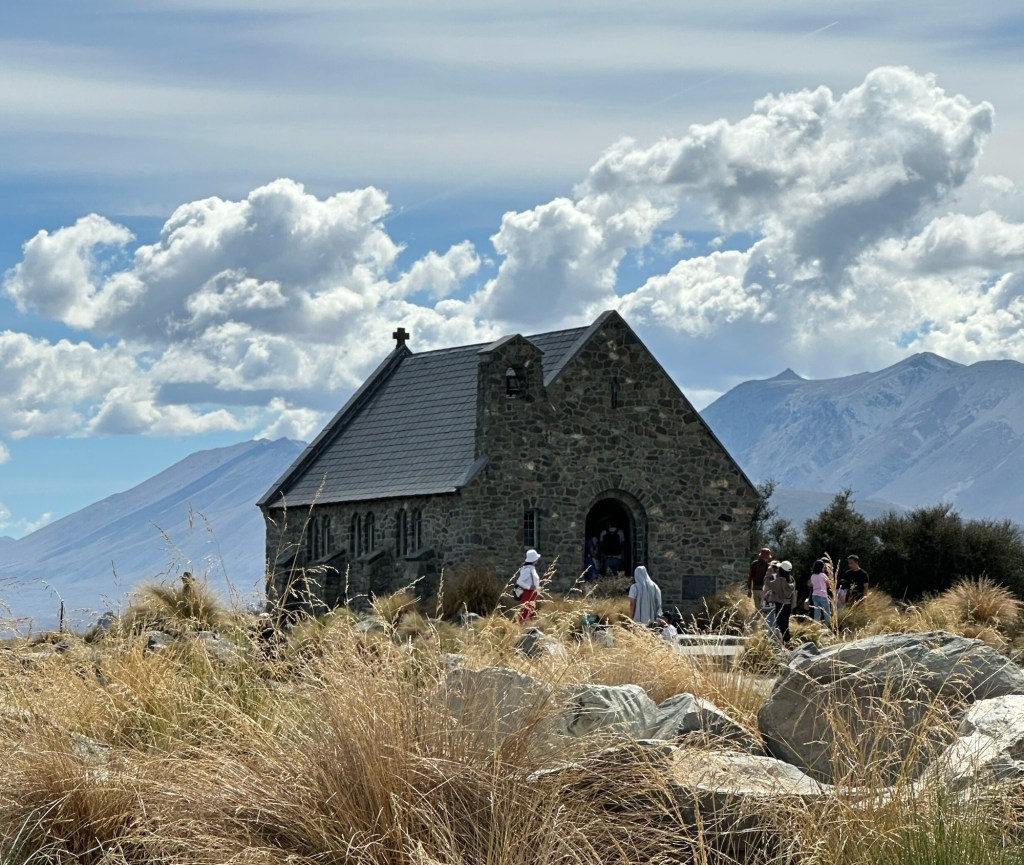
After spending a great, action packed, few weeks with my folks from California, and driving a rental car 1089 miles (length of California) here’s a few fun facts of our own South Island, New Zealand experience. (Turn up the sound in the videos for the full effect)
The inquisitive Kea
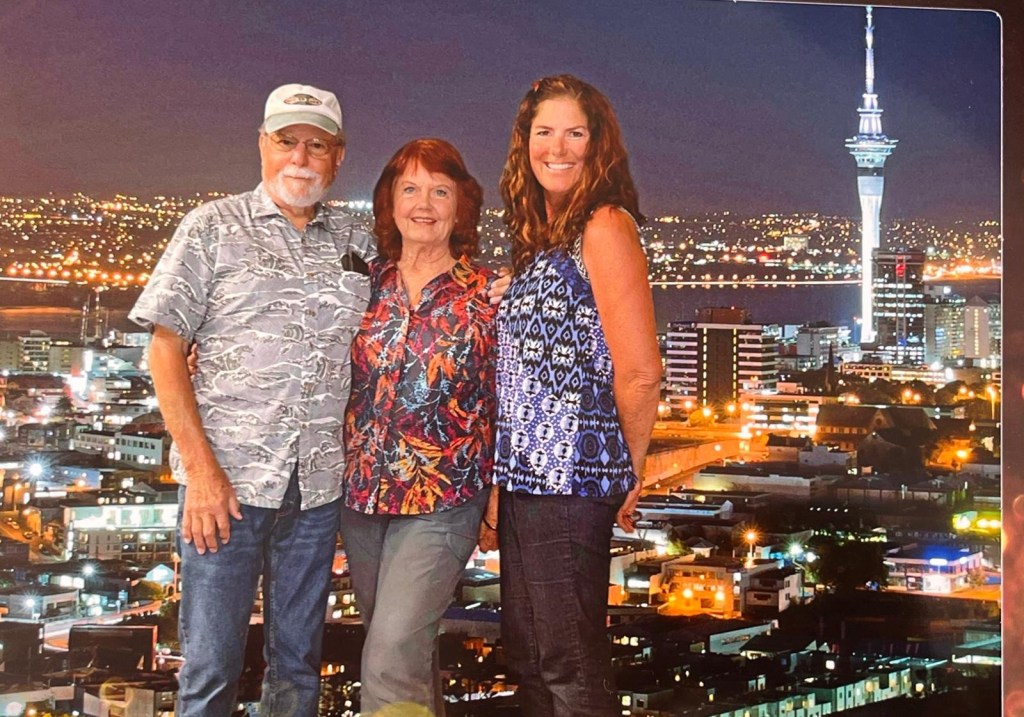
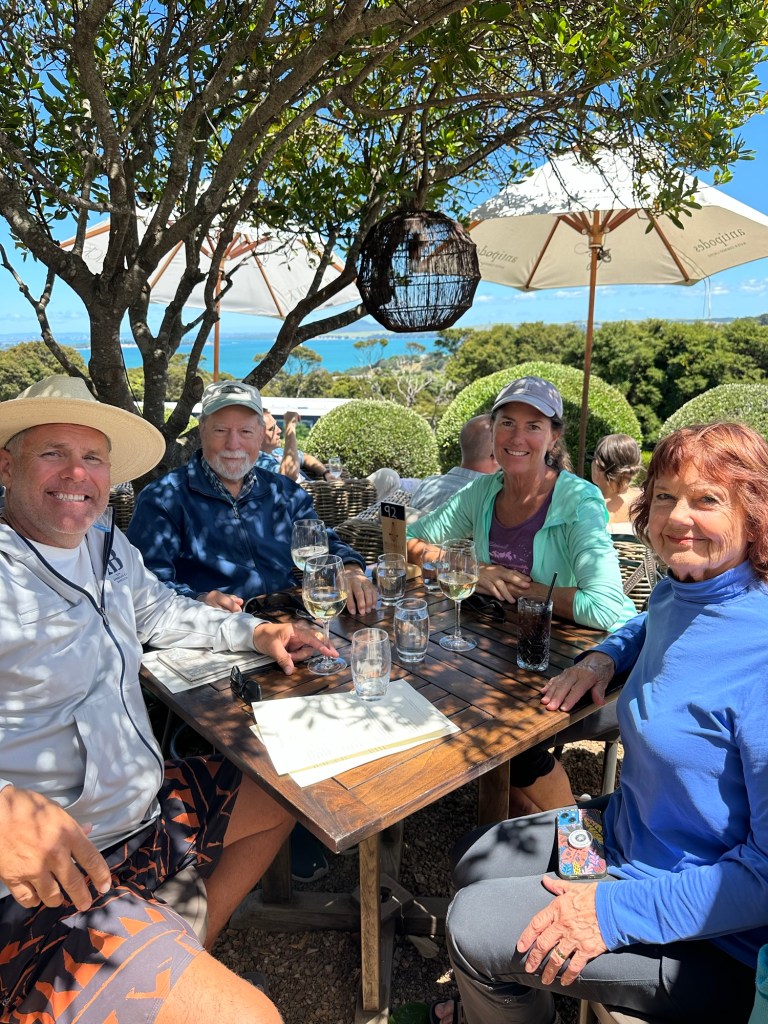
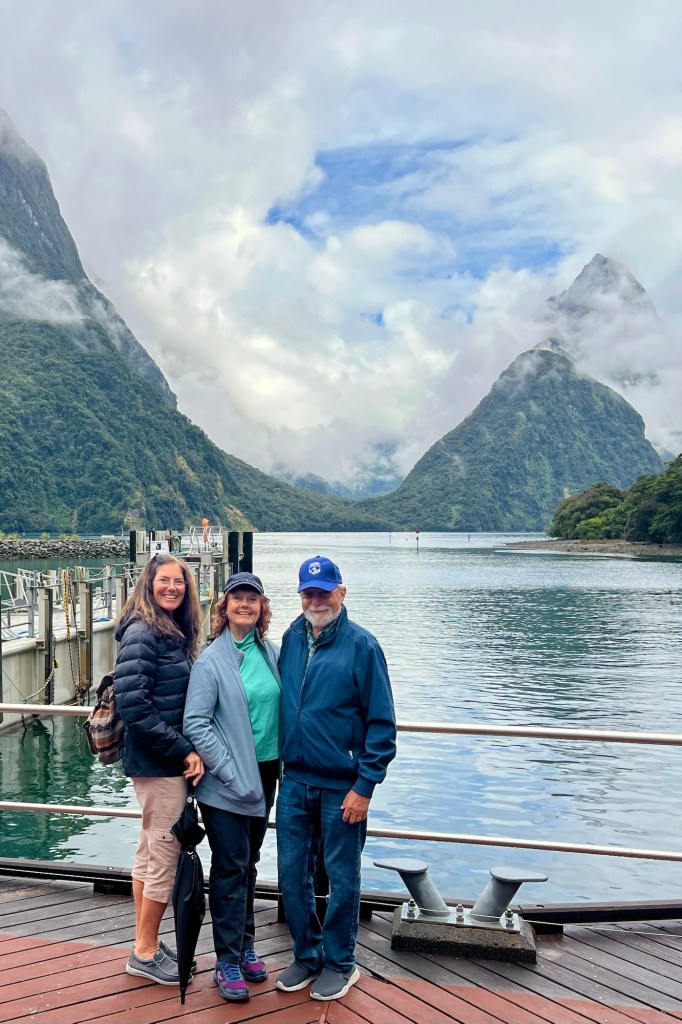
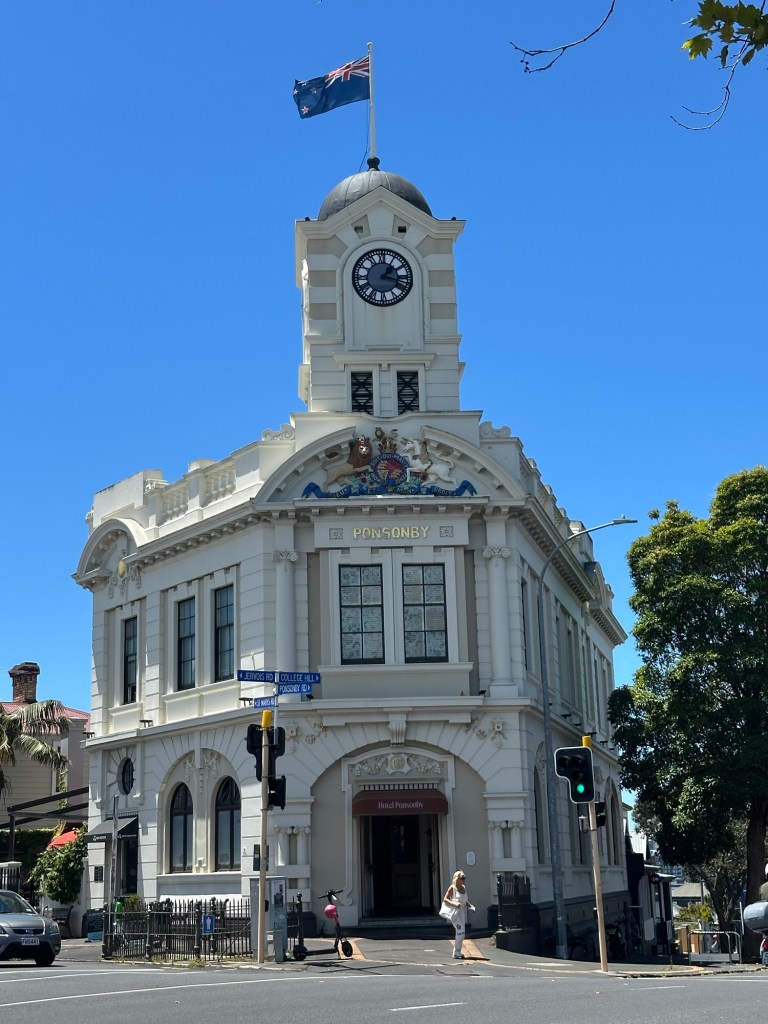
The most lush and loudest forest was seen/heard was near Lake Te Anue, biggest waterfall seen; in the Milford Sound, tallest building and best views: Sky tower (1076 feet) best town: Wanaka, best beach: Palm Beach, Waiheke. The funniest bird: The Kea, most common house: common white painted with pickets, prettiest flower: Hydranga, most interesting building: Ponsonby Hotel/Post office (built in 1911, was robbed and the postmaster was murdered). Best lamb served: Mudbrick Winery, on Waiheke island. We took two sailing adventures here on Kalea. The wind and weather was perfect, great to share this experience with my folks.
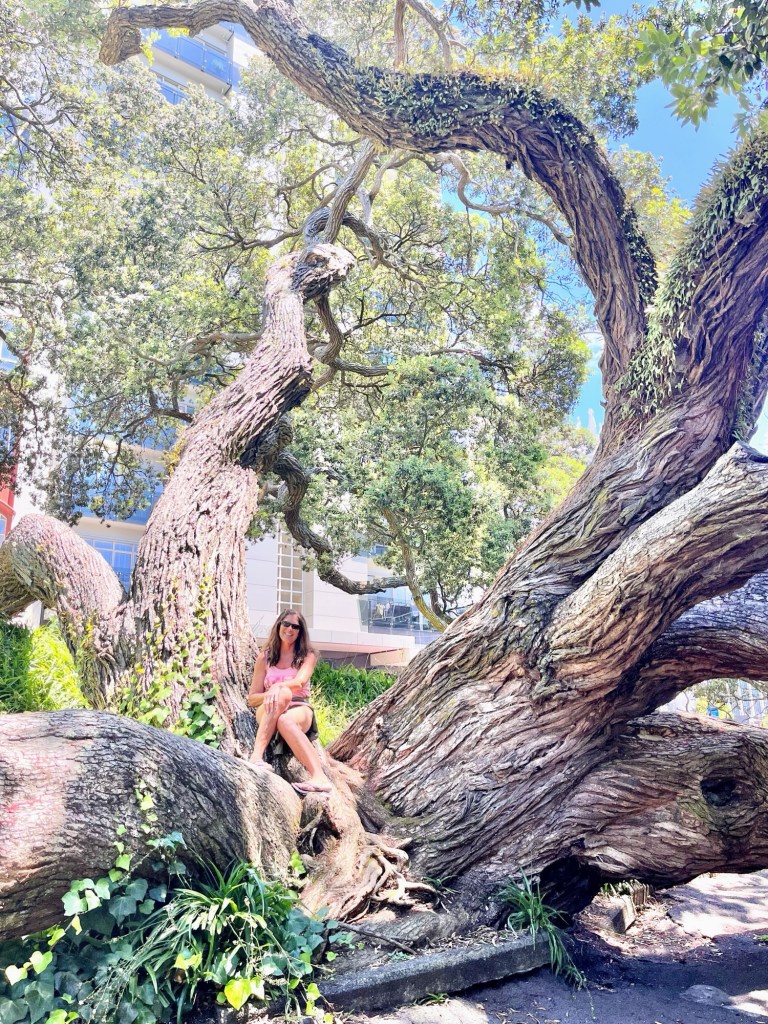
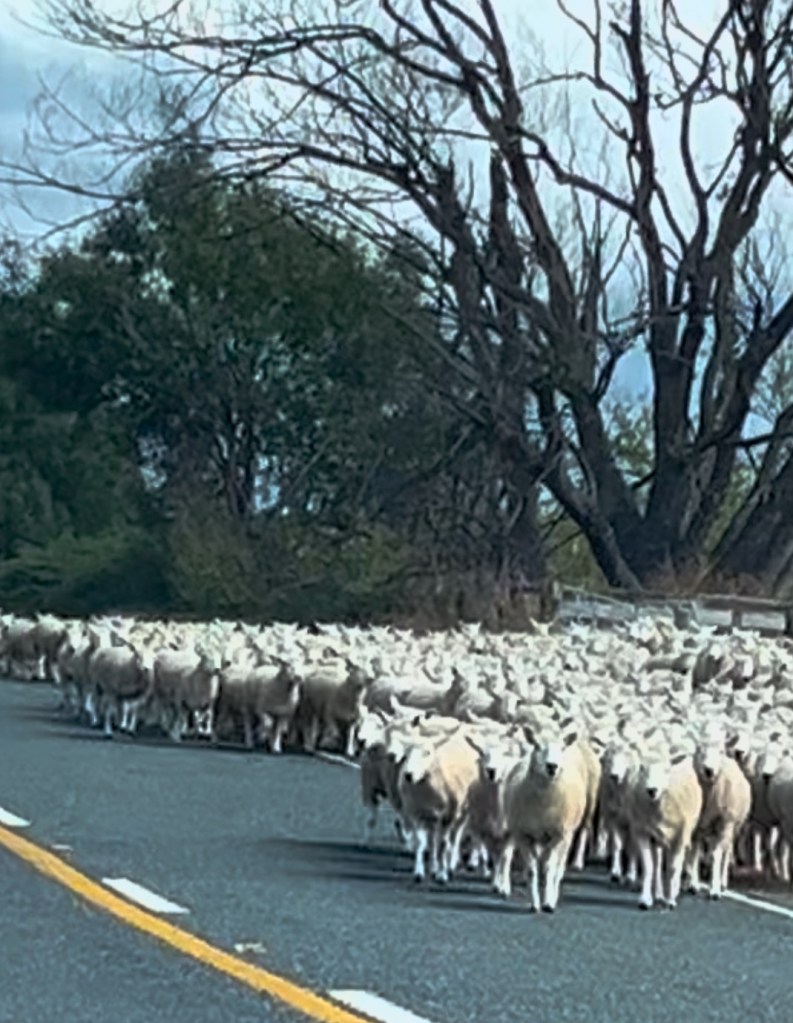
The most evasive wildlife: Kiwi bird, most fun activity: 1,000 sheep crossing the highway, cutest couple: my parents, largest tree seen: bottle brush in Auckland. Fun Trip for sure!
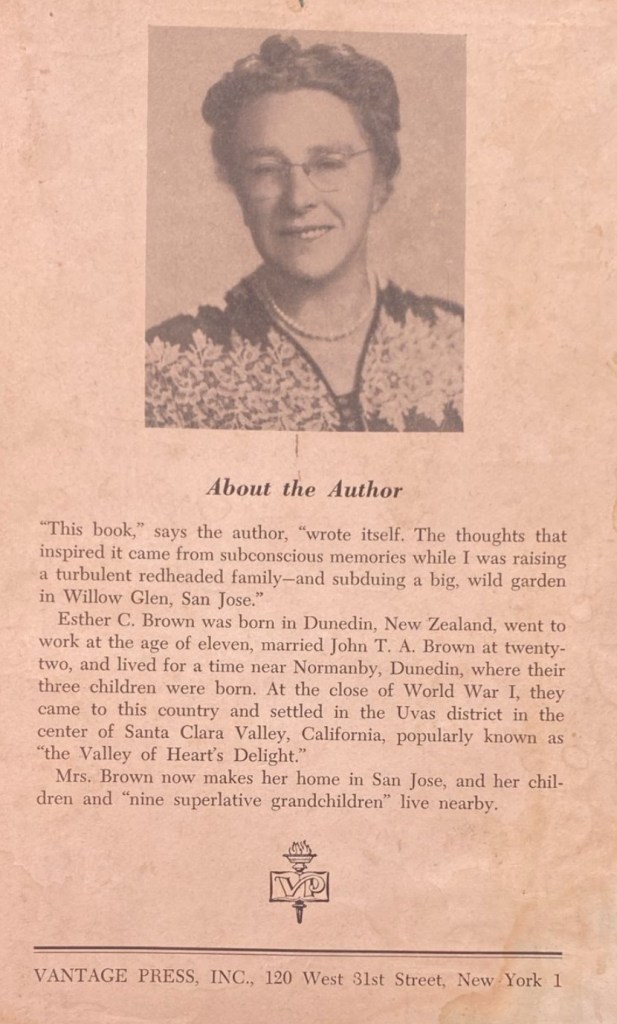
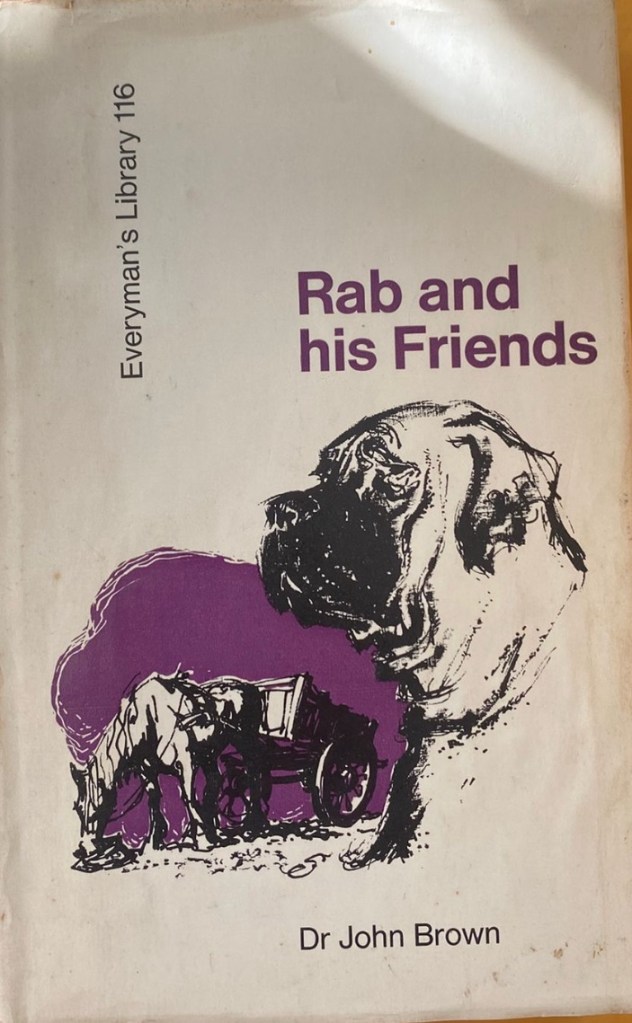
A little fun fact, Kathy has family heritage from New Zealand! The below book was written by her great, great grandmother on her father’s side. It is the endearing story of Esther’s parents from Scotland, who sailed for 3 months to Dunedin, in 1875. While traveling the South Island, Kathy and her own Mother, Sue Krevitt read aloud this story, recounting the steps the ancestors took, the places they lived, the gardens they walked through, the farmlands they planted and the old little towns they lived in. Going to settlers museums, cemeteries, churches and libraries. Searching the names and facts of Kathy’s heritage was a highlight!
Another book was written by Esther’s husband, soon to be read. Both books will soon be electronically scanned and preserved.
We recently connected with Kathy Erwin and have shared our conversation below.
Hi Kathy, you’ve got such an interesting story, but before we jump into that, let’s first talk about a topic near and dear to us – generosity. We think success, happiness and wellbeing depends on authentic generosity and empathy and so we’d love to hear about how you become such a generous person – where do you think your generosity comes from? When I was young and learning about the world around me, I saw people as generous and kind. I guess I was lucky to be raised in a Christian family who focused on the good all around us. My perspective about people grew into one of acceptance and love. I felt it was easy to give back, when I had so much love in my heart to give. I quickly learned that this positive approach gave back to me, ten fold. The proverb “Do unto others” was spoken and taught on a regular basis from my mother, an amazingly generous woman. She exudes love and kindness for all humankind. Naturally I adopted the moral code of generosity, which led to decades of inner strength to become successful in my ventures.
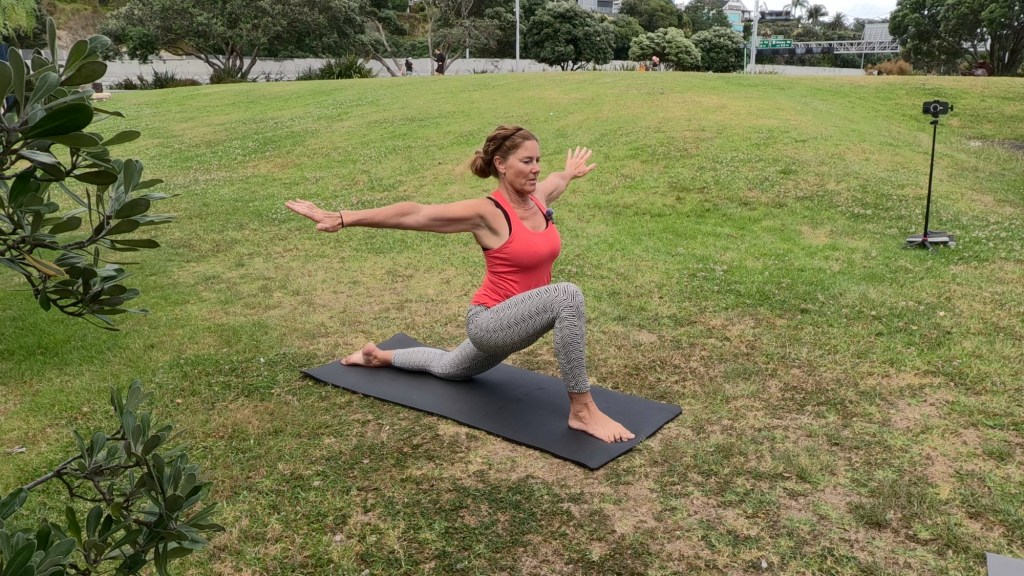
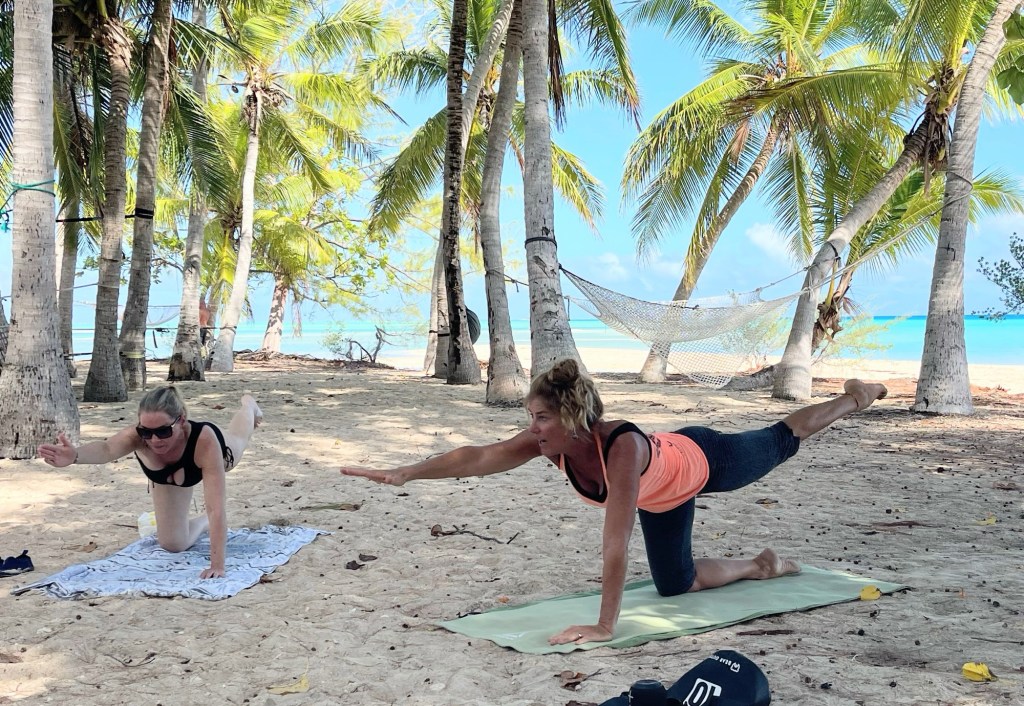
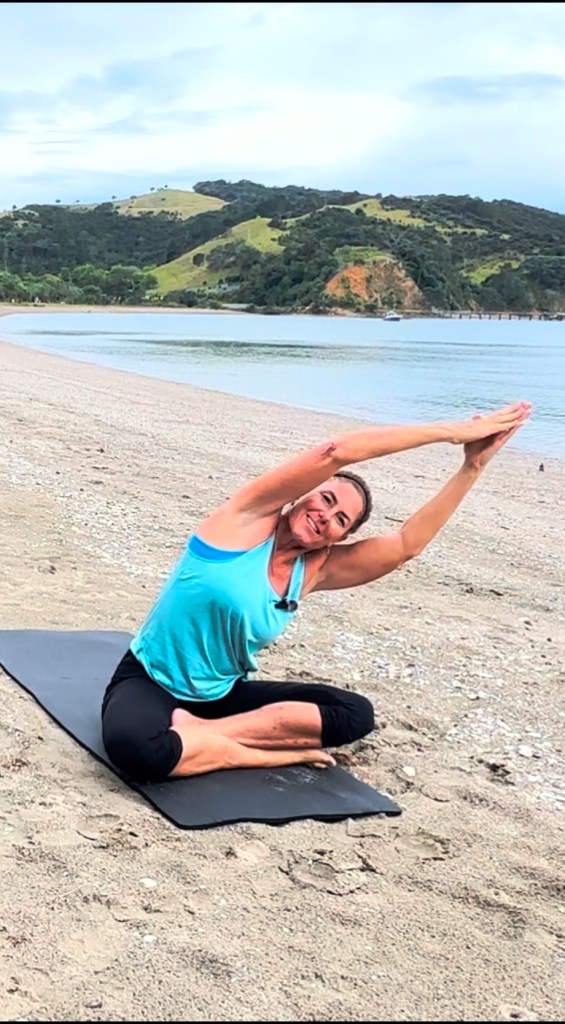
Great, so let’s take a few minutes and cover your story. What should folks know about you and what you do? Coming from a family of teachers, particularly both my father and grandmother, I always knew this was my path. I have a caring and generous heart, a true love for all beings. This soon developed into teaching others when I was only 17 years old. I worked as an assistant in an after school program. I blossomed and thrived. I taught art, sports, music, dance and initiated a homework club. Although I didn’t have good grades in school, somehow this passion and purpose helped me graduate college, and then earned two masters degrees in Education. I now reflect back on 31 years teaching in all levels from Kindergarten to college prep. Venturing on, I found my sweet spot; special education and lastly ended in high school administration. Seems like a big variety and world wind of experiences, which brought me to where I am now. With an adventurous spirit and a side hobby of travel, I am now sailing around the world, meeting others, learning cultures and teaching yoga in remote places along the way.
Looking back, what do you think were the three qualities, skills, or areas of knowledge that were most impactful in your journey? What advice do you have for folks who are early in their journey in terms of how they can best develop or improve on these? Raising 4 children to become productive and successful young adults, is so fulfilling and rewarding. The three main qualities my husband and I feel we taught them was; finding their passion, developing discipline and determination. Every successful mentor of mine seemed to have an inner passion that supported them to success. Whether it be a career path, a hobby, a lifestyle or a purpose, these people exuded a profound inner drive. For me my passion was in helping others. If I saw someone in need, I felt internally motivated and determined to offer a service of one kind or another. This pattern has repeated in my life over and over, even after retirement. As a full time sailor, living on a sailboat in remote locations across the Pacific Ocean, I developed many skills. Sharing these skills with others came naturally to me and my husband. It was so rewarding giving a network of support to the cruising community. For example, my husband started a safety communication group for hundreds of sailors headed west from California. I taught the village and cruiser children arts and crafts. I did canvas repair on dozens of boats. With Starlink, I trained and became a certified yoga Instructor. Providing yoga sessions for local villagers and cruisers is so rewarding. As a traveling sailing community we all learned together how to help each other making breads, yogurt, growing herbs, and more importantly learning together about weather systems, reverse osmosis water makers and solar/wind powered electricity. Passion, determination, and discipline have played a huge role in our lives, past and present.
All the wisdom you’ve shared today is sincerely appreciated. Before we go, can you tell us about the main challenge you are currently facing? Recently, I dove into a new challenge of creating an online presence as a yoga instructor. I am not necessarily a business person, don’t claim to be very technically skilled and definitely don’t feel comfortable in sales. But again, I am passionate about serving others, am determined and disciplined to meet this huge challenge. I know I need support in this endeavor. I learn from other like minded folks, but need guidance in the complicated world of YouTube. I have started a channel, it’s fun to watch it grow, but it’s painfully slow. Look for yourself, maybe even drop a comment. You might be the only one who does, LOL. So, wish me luck, send me some skills, or find me on some hidden, sandy beach in Fiji for restorative yoga.
Hi folks! This is the tour we promised everyone. We are sitting in an Auckland Marina, enjoying the lively city. We are busy fitting the boat for our needs. We had to learn to drive on the left side of the road, with our rental car, 😵💫. New Zealand is beautiful so far.
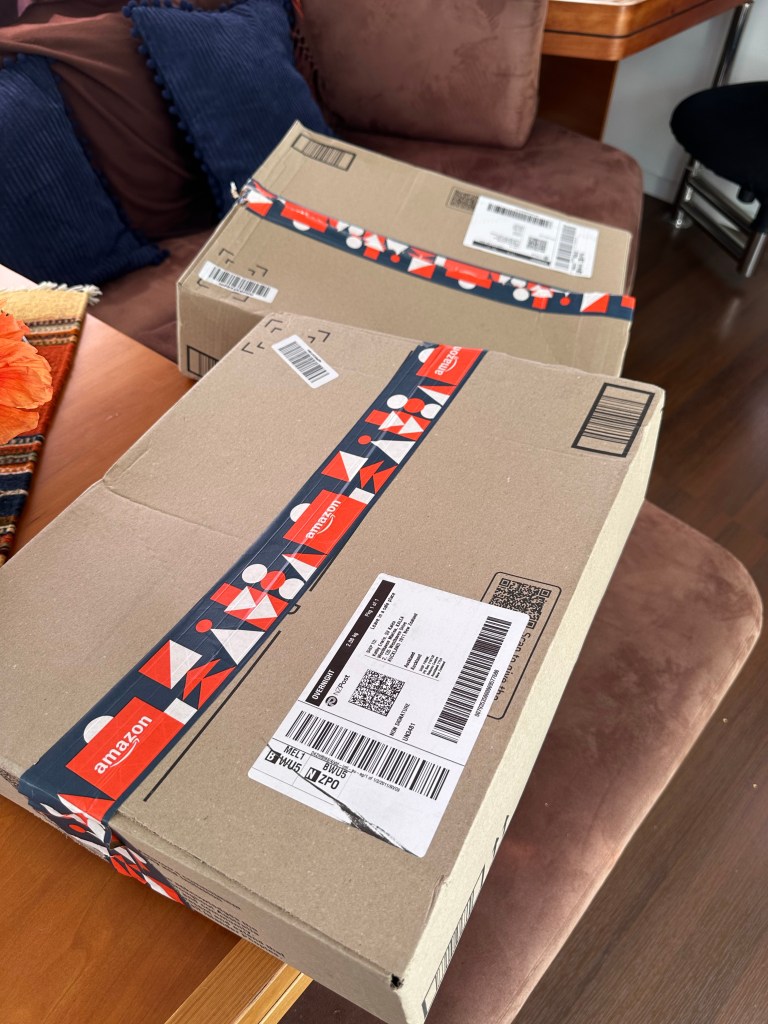
We have been doing a few boat jobs, have some bits of fun in the big city, and a ton of shopping. Kalea had some basics, but not the full Monty. Thank goodness Amazon Australia has most of what we need, they ship to NZ too.
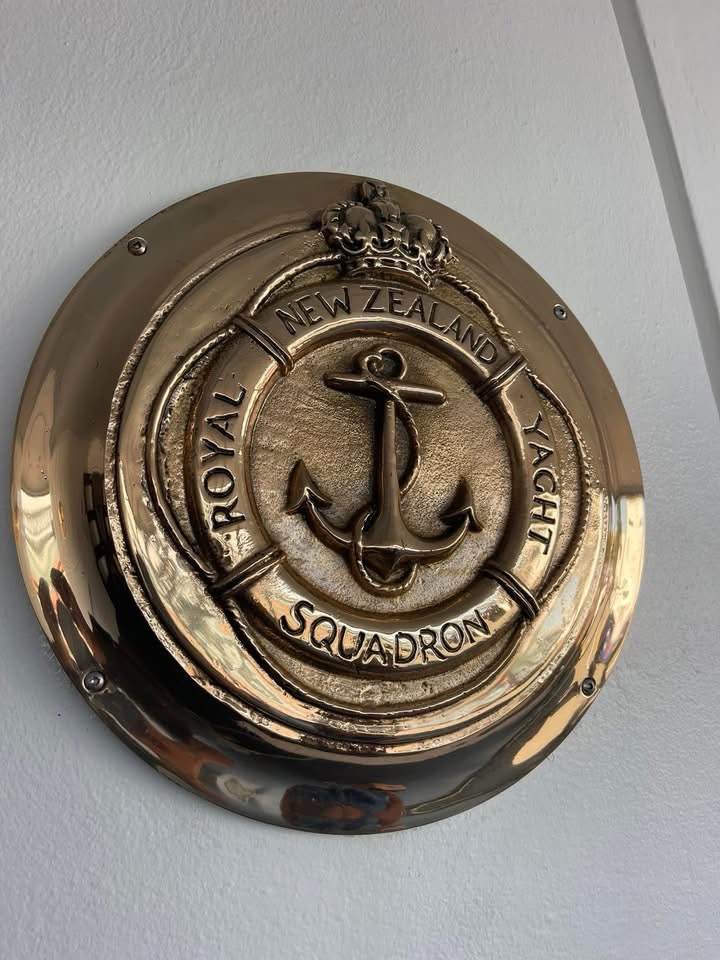
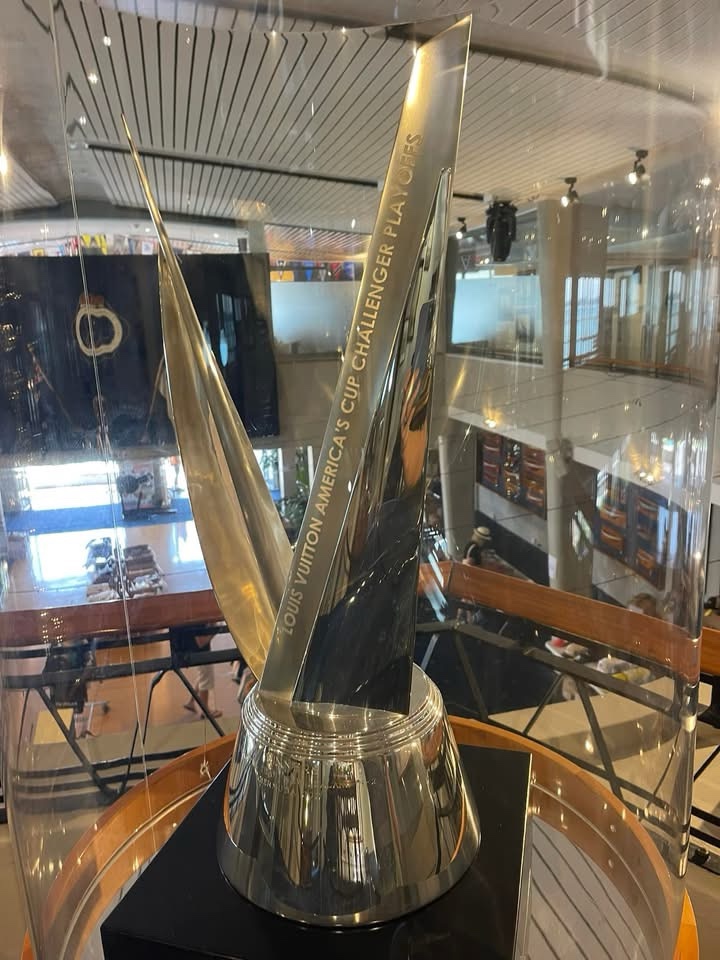
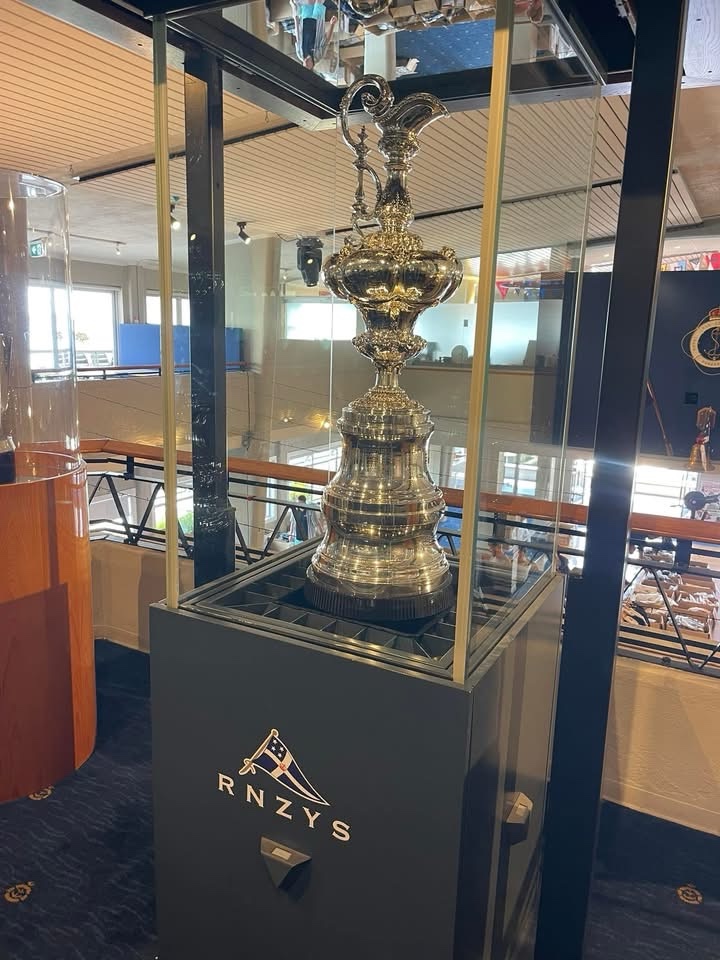
So we were walking around Westhaven marina yesterday and dropped in a local Yacht Club for glass of wine. I looked up and said Holy Moley, I looked around again searching for the name of the Club and it was the “Royal New Zealand Yacht Squadron”. LOL
Right above our heads on the balcony was the Americas Cup!!!! Too fun and so random. The club walls were covered in hundreds of years of sailing history and trophies. The New Zealand folk take sailing very seriously and we were amazed how open the club was and how much the community is involved. We had a very welcoming visit with a few of the members and one invited us back to see the Sail GP races here next month from the club restaurant. Yup, gunna do that, after the holidays!
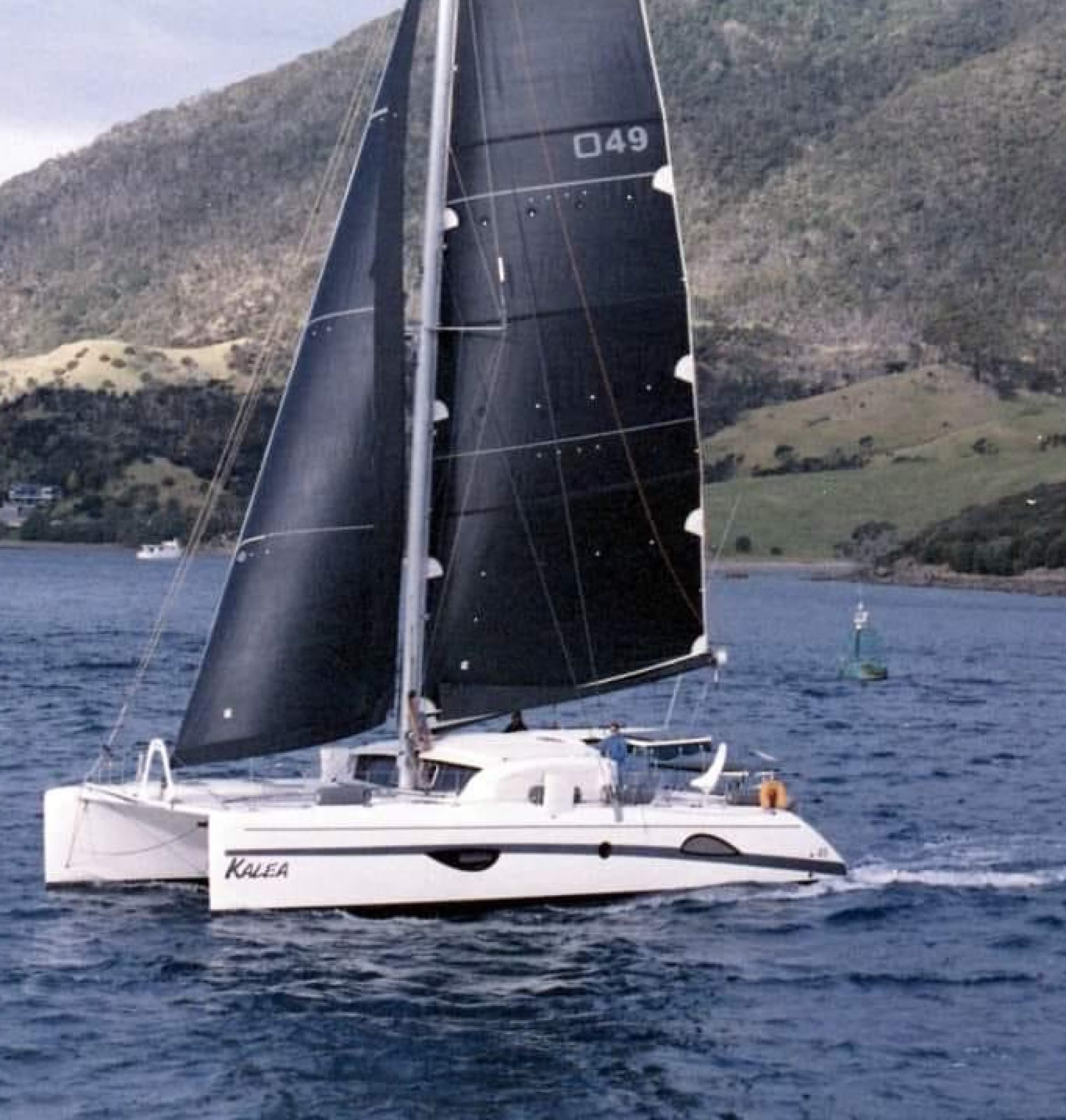
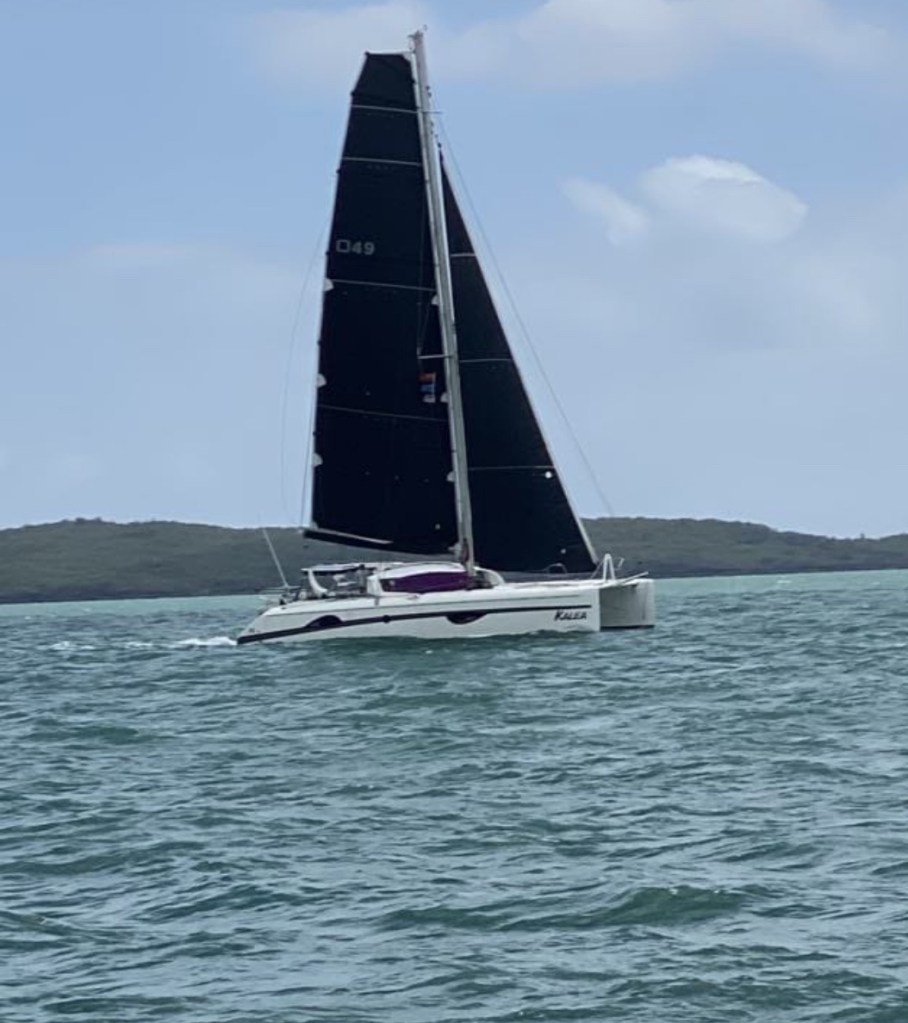
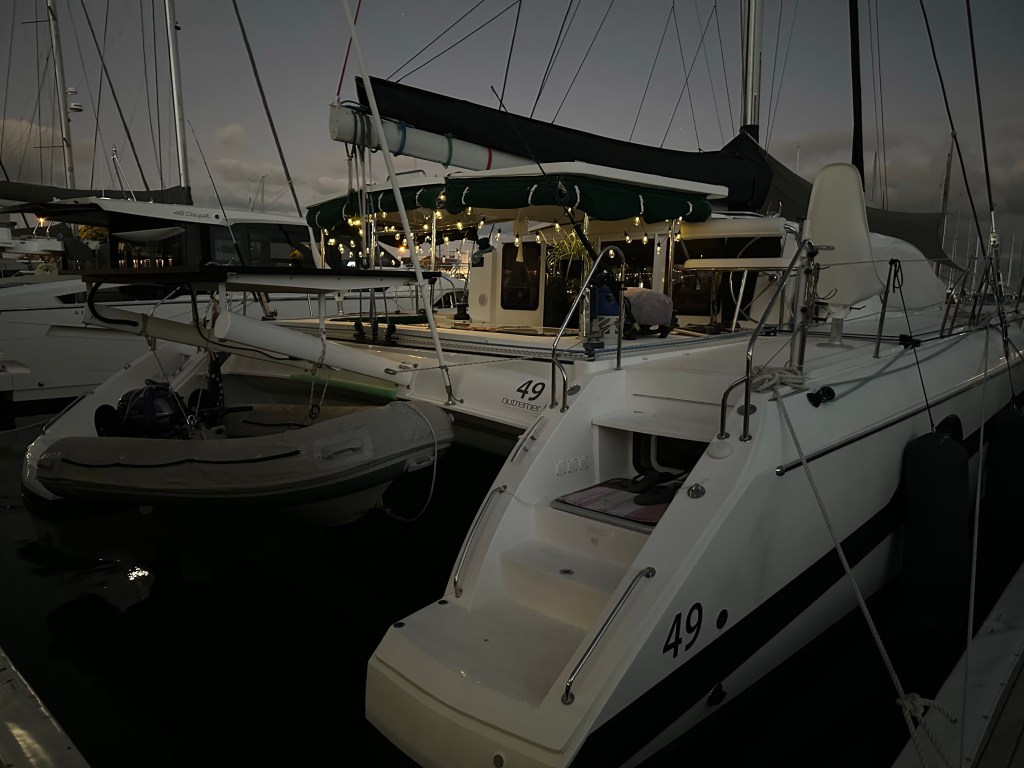
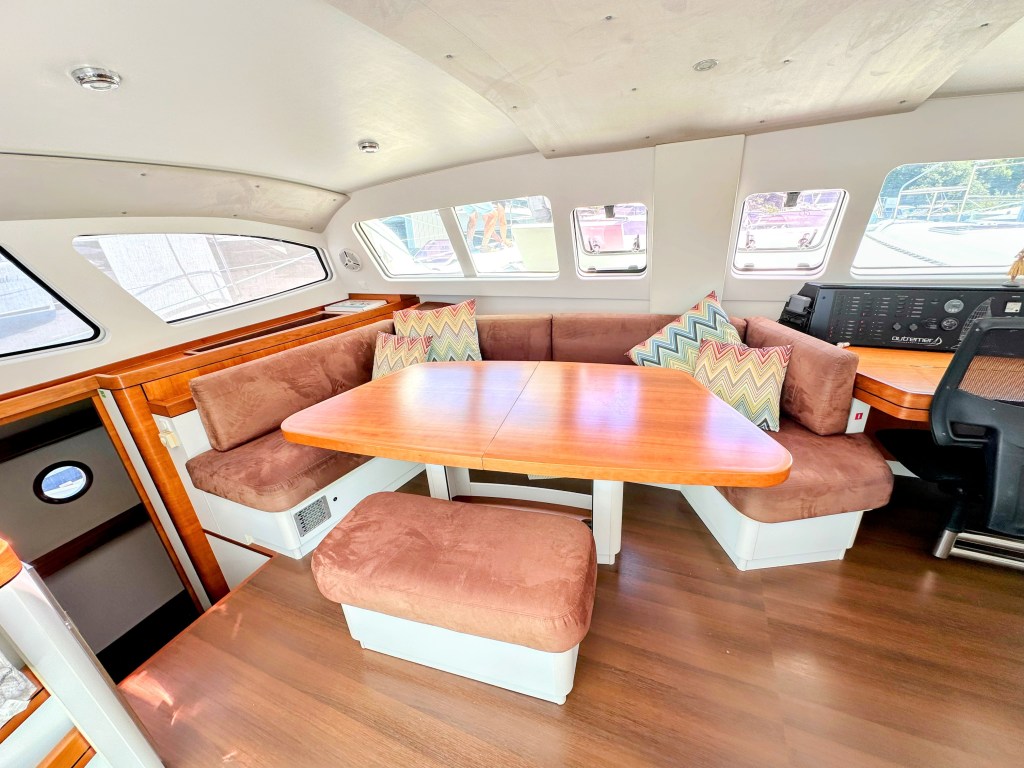
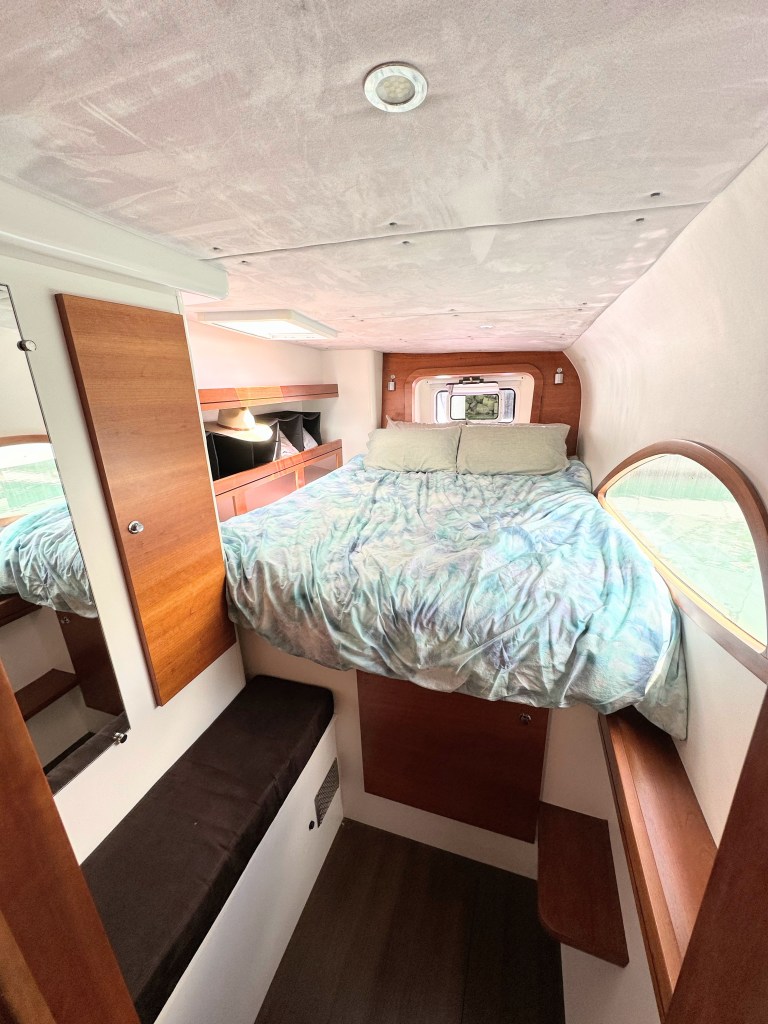
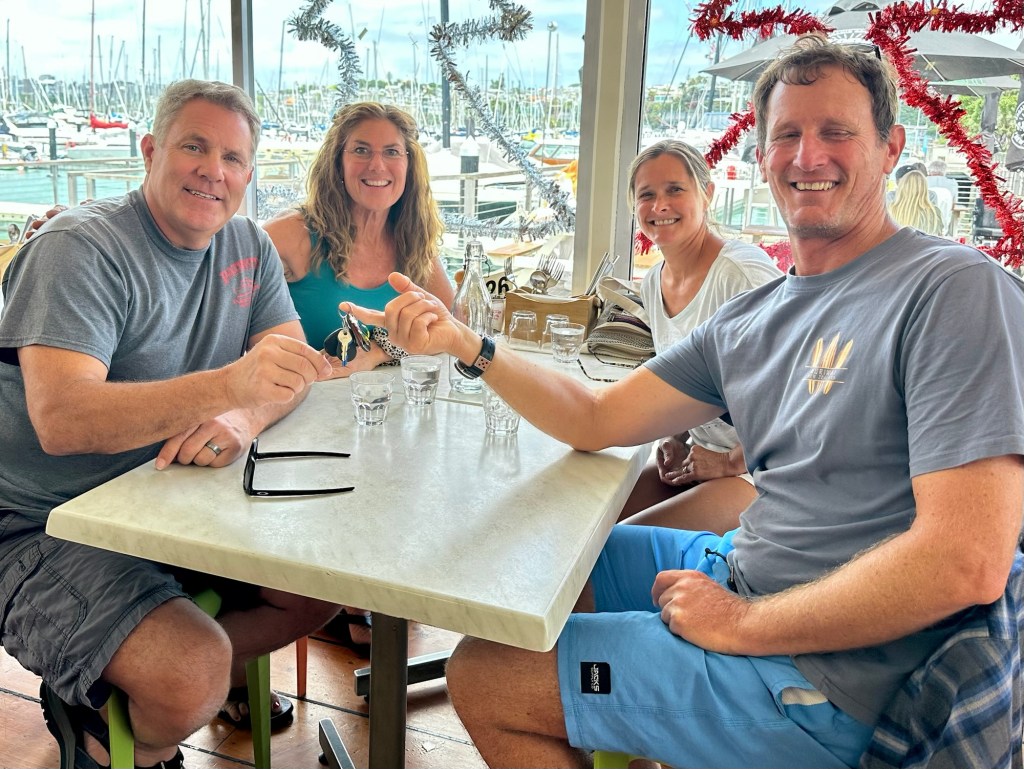
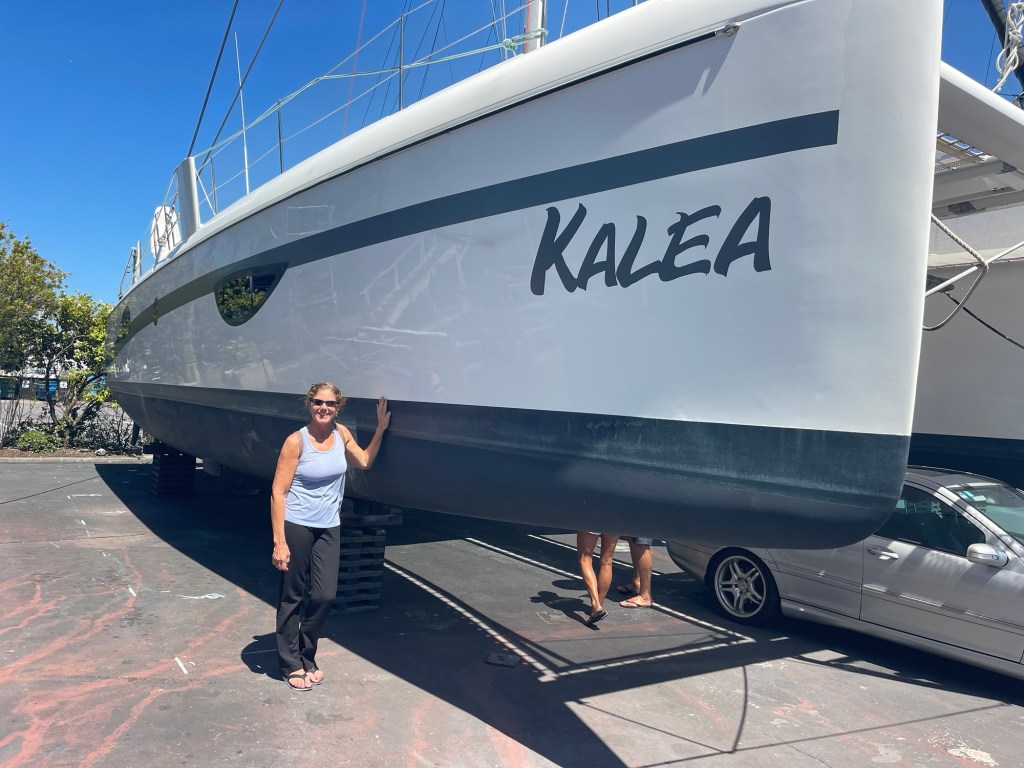
WE DID IT! 🤪😳😃😂. We are again boat owners!!!! SV Kalea is officially ours! We had a few stops and starts but the deal finally went through today. This boat we have drooled over for 4 months, 2011 Outremer 49. A big thank you to Grant and Sam that are helping make the transition smooth. They are local New Zealanders, from South Africa. They sail from NZ to Fiji every sailing season to surf and live the life, in the fast lane!
Now to explore New Zealand in style…
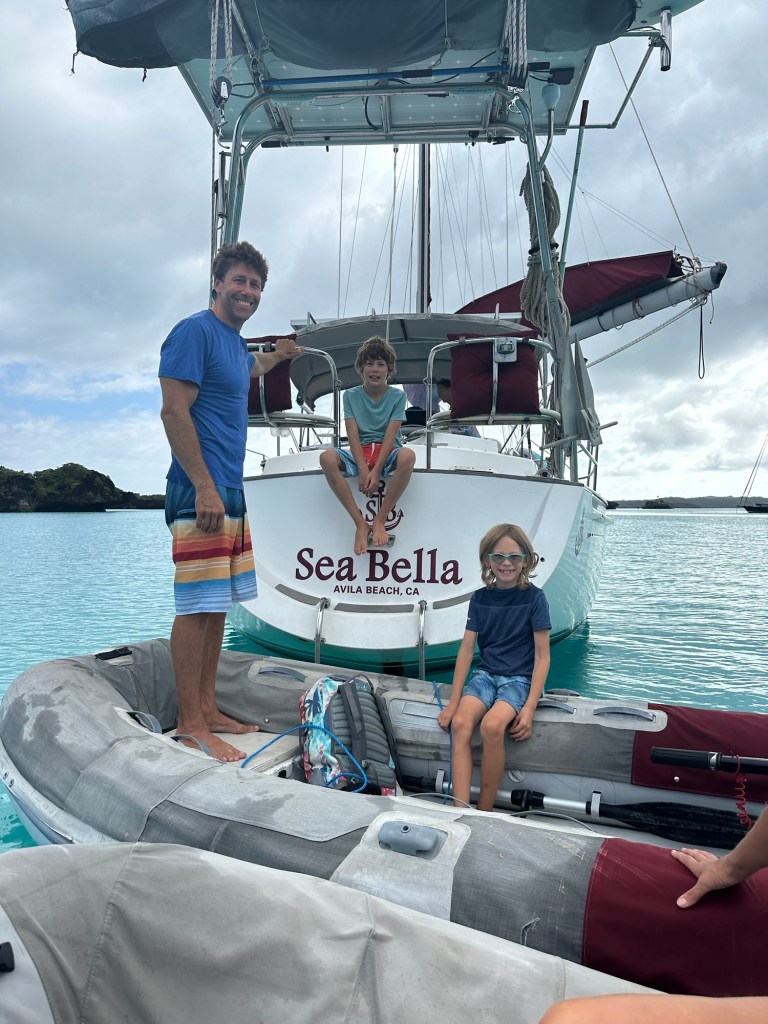
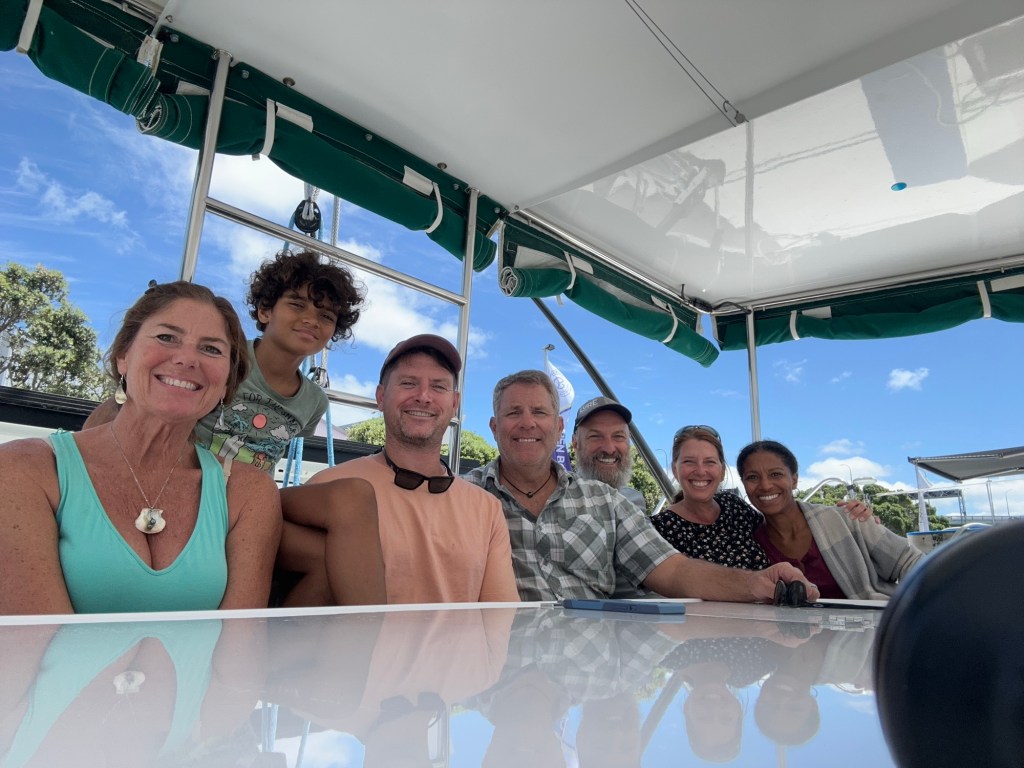
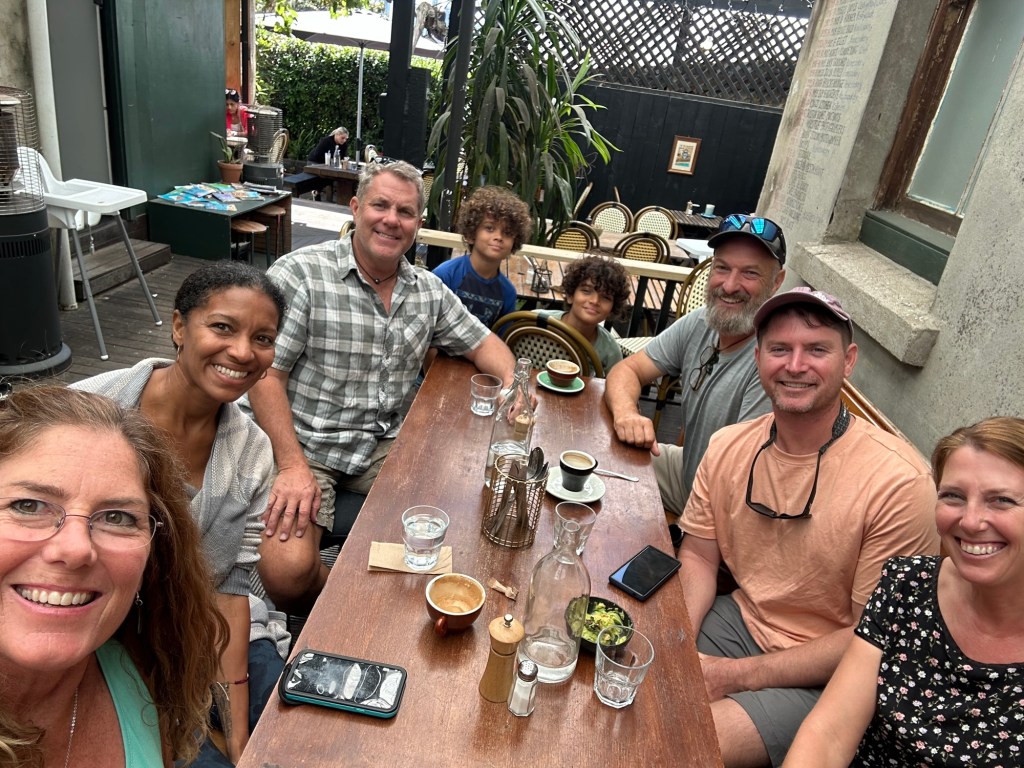
Kalea means “happy” or “joy” in Hawaiian. Well, we sure are that! Keep pinching ourselves. We actually got lucky and found our great cruising friends who sailed all the way from Mexico with us on our last boat, Sea Bella. They were out here in Auckland for the day! They helped us celebrate our day and new life in NZ for the season.
From left, Kathy, Addicus, Adam, Scott, Jason, Candice, Ingrid.
Now, back to the new boat to finish off our contract, hand over the keys and discuss boat systems, processes, survey… all good! Better yet, all done and official.
There are so many differences in cruising catamarans. A few hours of surfing the net for boats for sale can hurt the brain. As much as we have been “beach cat” sailors, mono hull cruisers and have been cruising with a multitude of great catamarans…..this is difficult. Above is Nirvana, a 50 foot voyage catamaran for sale in Fiji. Our friends let us cruise her for 6 weeks while they visited the states. Very comfy, slow cruiser with tons of space. Too much for us though. Our son Derek got to come to Fiji for a week and really enjoyed it.
But, everything is a sacrifice. What do we mean by that? Fast performance cats are typically not as comfortable as heavier slower boats like Nirvana. Not only are the super comfortable boats slow, but most of the time they don’t sail well. (Angle on the wind, slow, and can be noisy)
KALEA
Fast lightweight boats can sail really well but need expensive sails, don’t have as much room for big beds, couches, and water toys. One or our friends even ditched the water heater to keep the boat light. (Lol, you know who you are). Fast comfortable boats are typically more expensive….(Think Gun, HH). Finding a boat you want to live on and sail on is a balance of your priorities and $$$$s. We don’t want slow. We really like our big couches and we have a good budget for the boat, but we still want to eat well. And then there is alway “what does this boat need” and “where is it”. Sheesh….this might take some time.
This weeks boat (brand/designers) all are in consideration. Not all of them are fast. Not all of them are comfortable. But, they do prompt conversations…..and ultimately…..negotiations.












 Our World Adventure