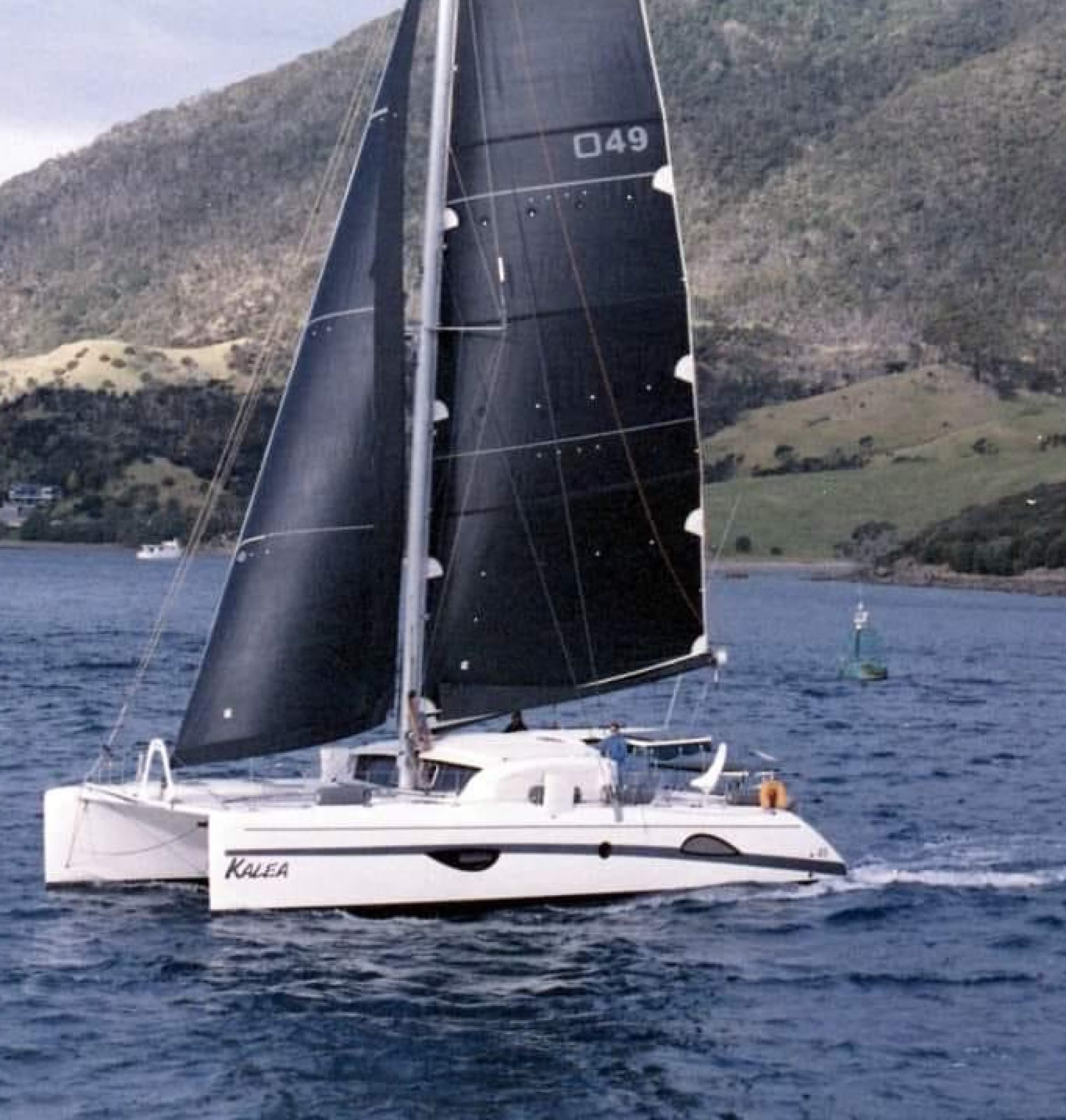
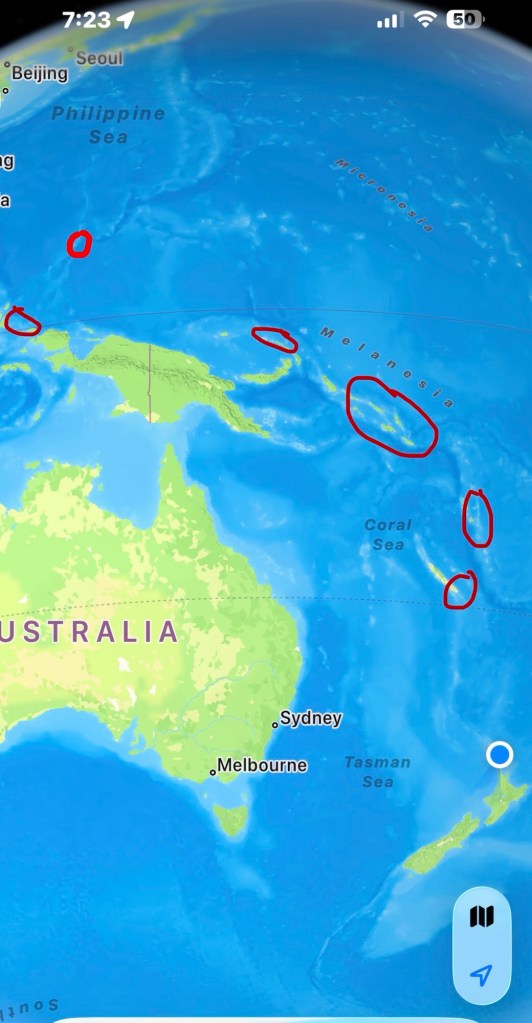
Sailing across the Pacific Ocean over the last few years, we now make Landfall in country number 11: Solomon Islands. It was a beautiful, steady sail north from the lovely Vanuatu provinces — 220 miles on a beam reach, 1 reef in the main, with a 3-meter swell on our starboard quarter. We anchored at midday to drumming and a warm welcome from the local village.
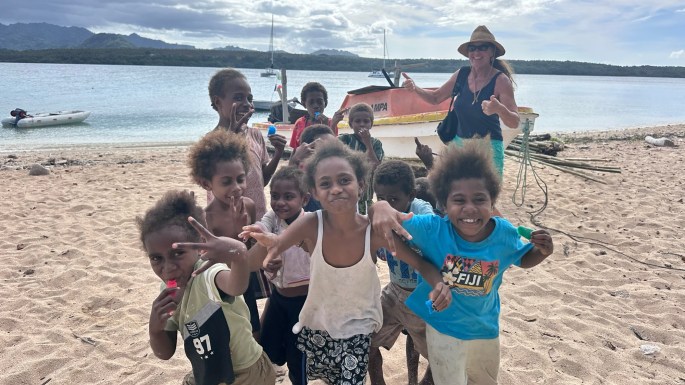
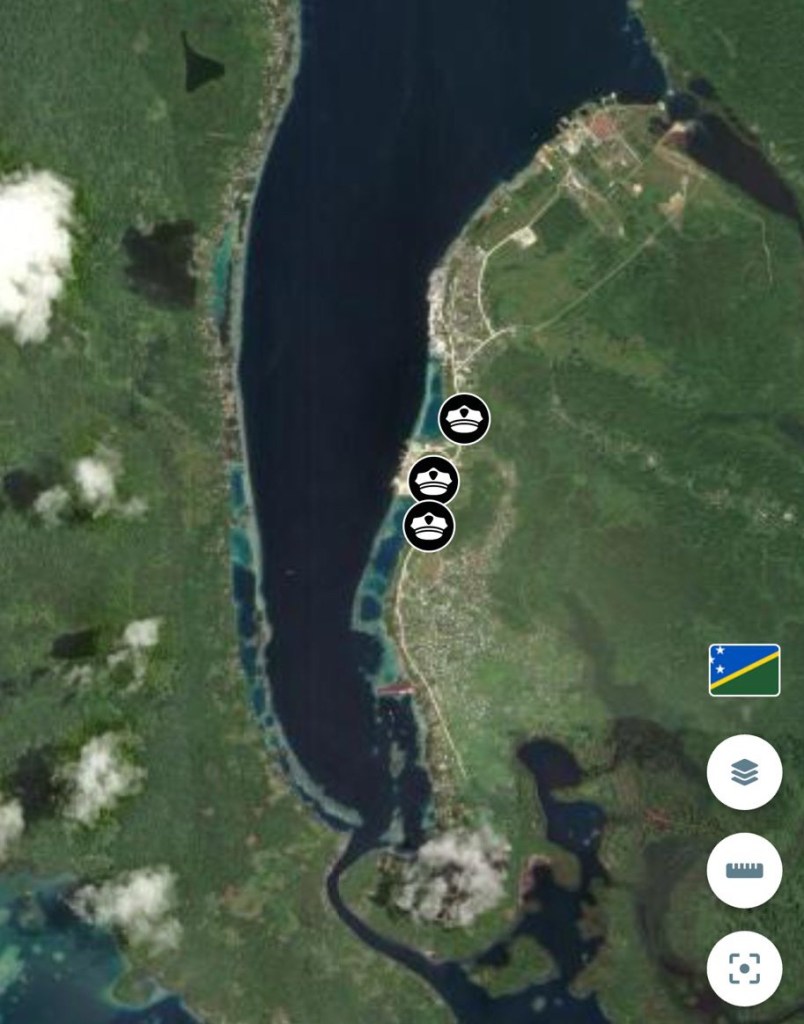
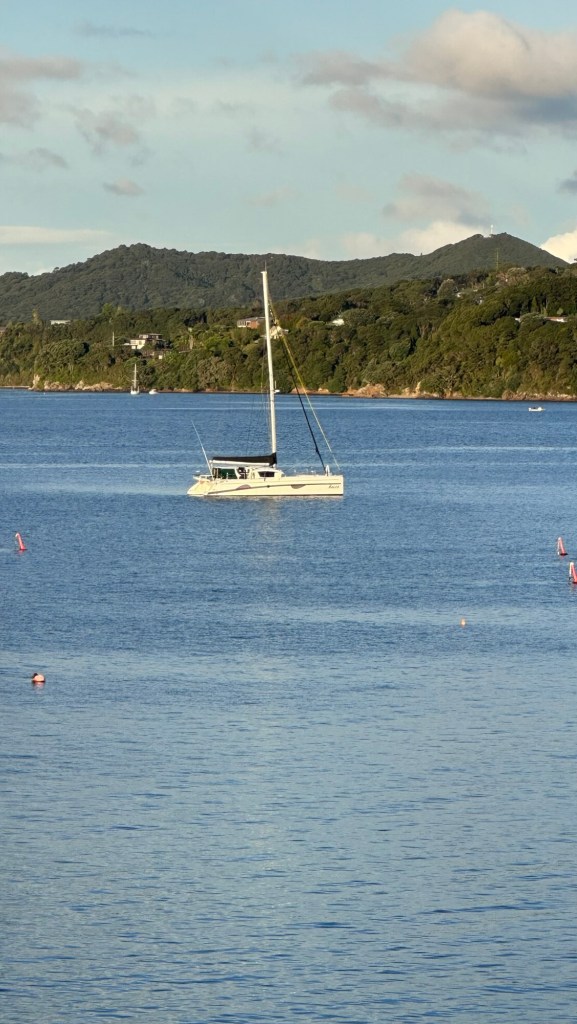
After an easy clearing in at Lata, Solomon’s, we sailed another 35 miles to the remote Reef Islands. Kathy shared brownies with the kids who paddled out to greet us. This island sees very few visitors — none in the last five years, we were told — so our boat Kalea got a lot of curious attention.
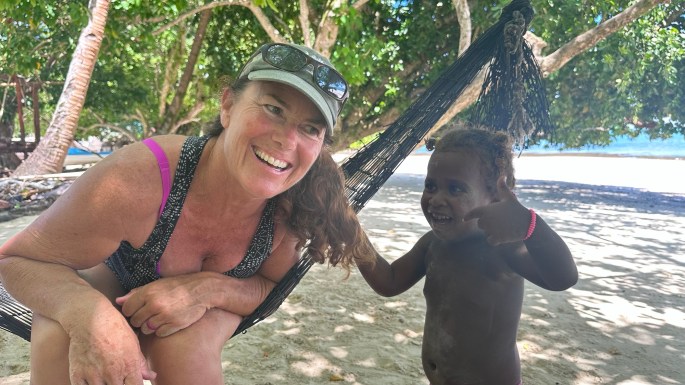
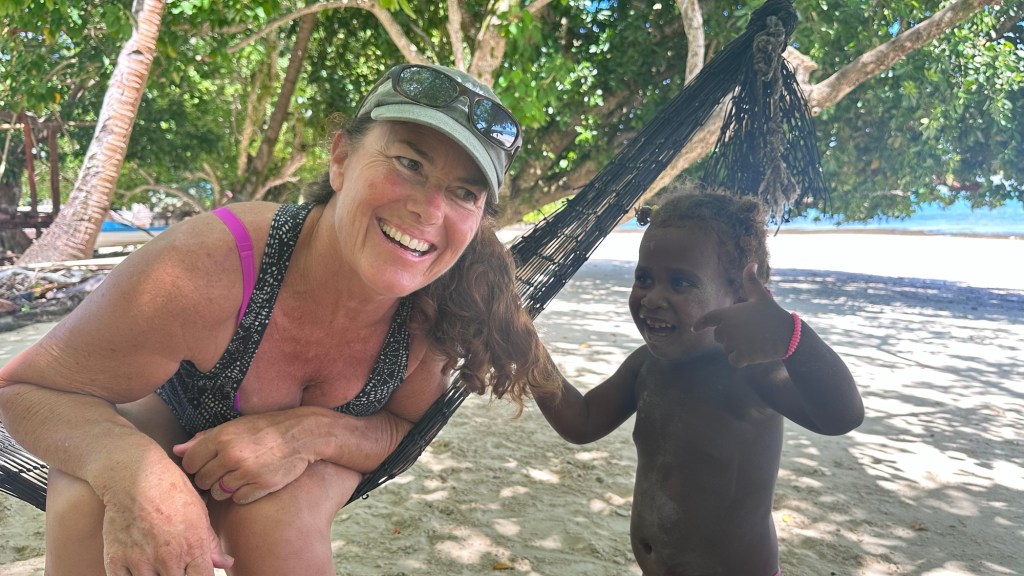
The Reef Islands are one of the few Polynesian outlier communities in a mostly Melanesian chain. Life here is very off-grid: no cell service, no cars, no mains power. Just incredibly welcoming and sweet. They speak Solomon Pijin, which is English-based but still tricky for us to follow, at this island anyway. We went ashore to meet the chief and brought small gifts — a soccer ball and some basic fishing gear. The little 2-year-old girl was fascinated by my hair and wanted to touch it. (Many more stories to come, as we will luckily stay in this country another 6 weeks.)
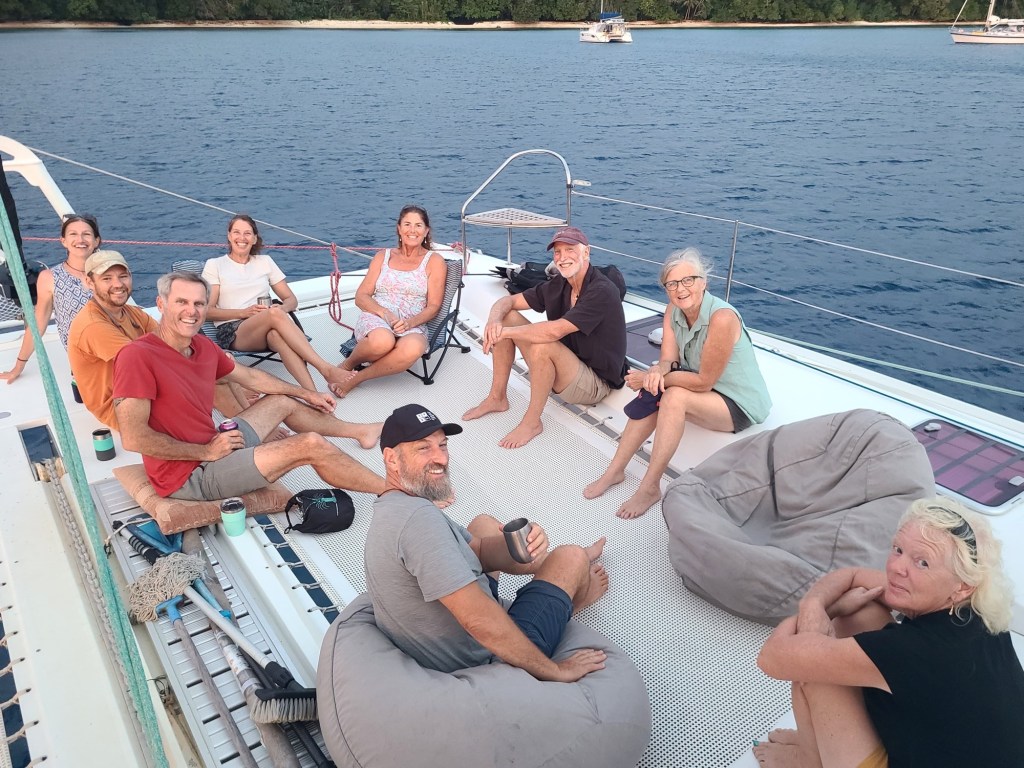
We caught up with new and past cruiser friends from French Polynesia, Fiji, and New Zealand. Some are doing a Pacific Ocean circumnavigation and the others will continue on through Indonesia with us next year or 2.
A quick thought back to our last days in Vanuatu celebrating Scott’s birthday. 🥳 So much love, laughter, and unforgettable memories. Our friends really spoiled him.
After the birthday, one of our last and favorite stops was the small island of Gaua. You haven’t heard ‘nature music’ until you hear the Water Music women. The water is more than just the sea. It’s calendar, it’s food, it’s story. And the women have learned to play it. What struck me most: they told me this is not “a show for tourists.” It’s village life. A daily practice now kept by only a few villages. Standing in a line in the sea, they use cupped hands to trap air and slap the surface — creating deep bass notes, sharp clicks, and rushing splashes. Six or seven women — sisters, cousins, mothers, in-laws — in perfect sync, and the water becomes an orchestra. The woman in front leads the story: the dolphin jumping or the daily work of the village. All you need is black sand, the sea, and village kids watching from shore to learn. No drums. No strings. Just water — until it sings. Beautiful and loud! 🎶
Now for a well known fact about the culture in Solomon’s, the chewing of Betel Nut. We had a nice chat with James and Amanda in the Reef Islands. They walked us through how they chew areca nut, or betel nut. You mix three things in your mouth and your saliva turns red — over time it stains teeth. They say it’s mildly addictive, gives a small buzz, and a lot of adults chew it. You see it across Solomon Islands and Papua New Guinea too.
Ingredients they showed us:
- Betel/areca nut. 2. Mustard stick / green bean-like leaf (they call it daka) 3. Slaked lime — calcium hydroxide powder made from burnt coral or shells.
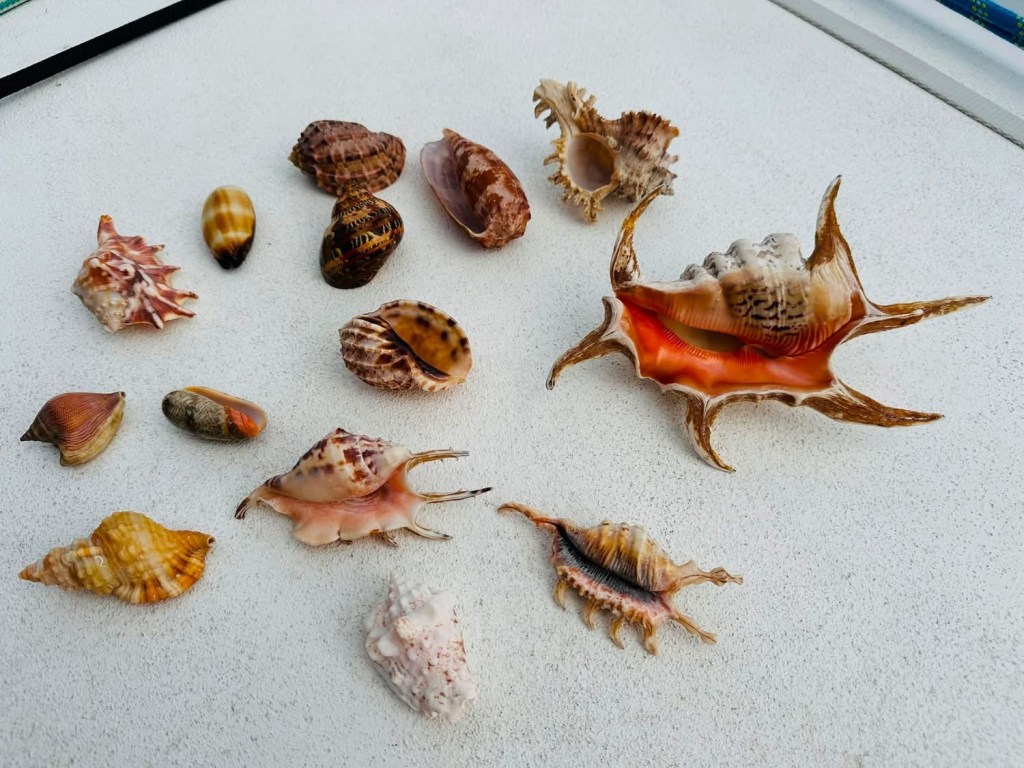
Collecting new shells, Scott reflects:
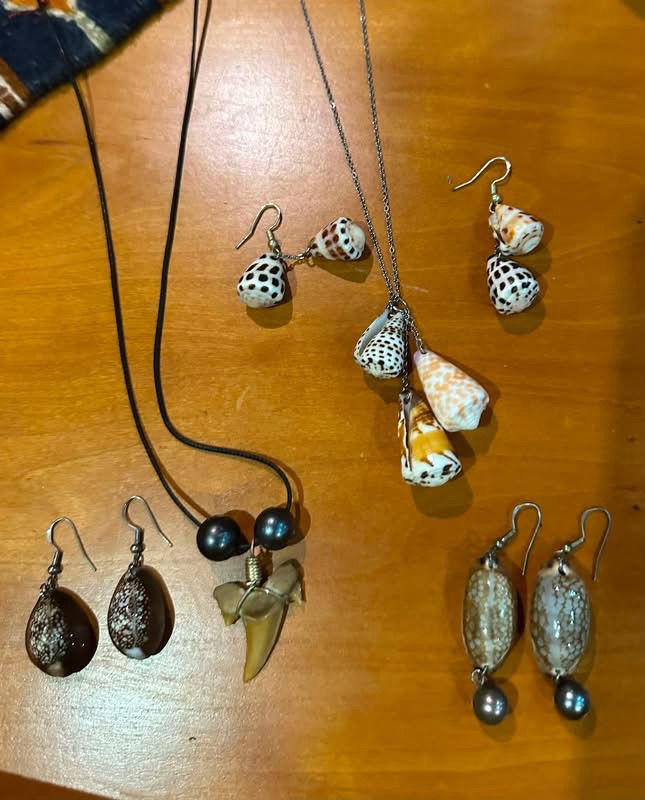
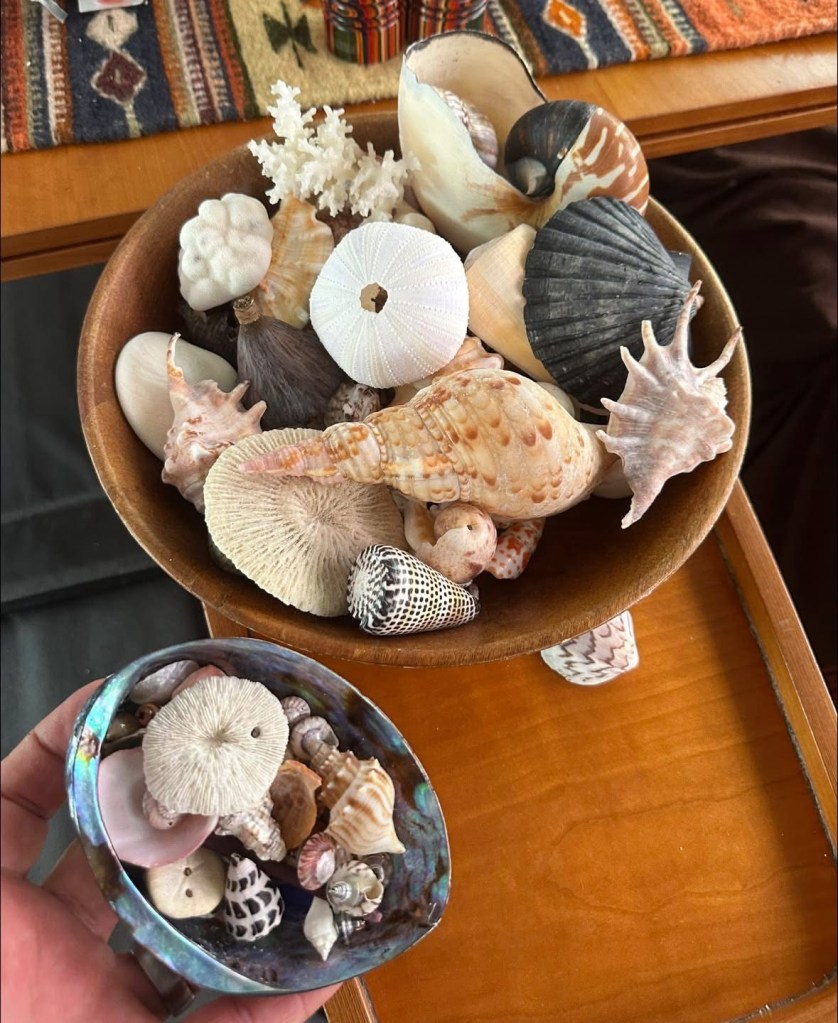
“All my young life, my mom would walk the beach with my brother and me, collecting shells. In South Carolina, our house was full of them — in drawers, in boxes in the garage, and in those hurricane globe lamps everyone in the family got at some point. I remember so many days walking the shoreline, hunting for those little treasures. Even now, 50 years later, I still walk the beach looking for that unique or perfect shell. I turn them into jewelry and give them to local ladies or family at Christmas. Today, those walks are still time I get to spend with my mom — miles and miles of beach with her at my side, discussing each shell we find. Linda Erwin, you are part of why I love the sea… and all her treasures. I still walk with you.” ~Scott







 Our World Adventure