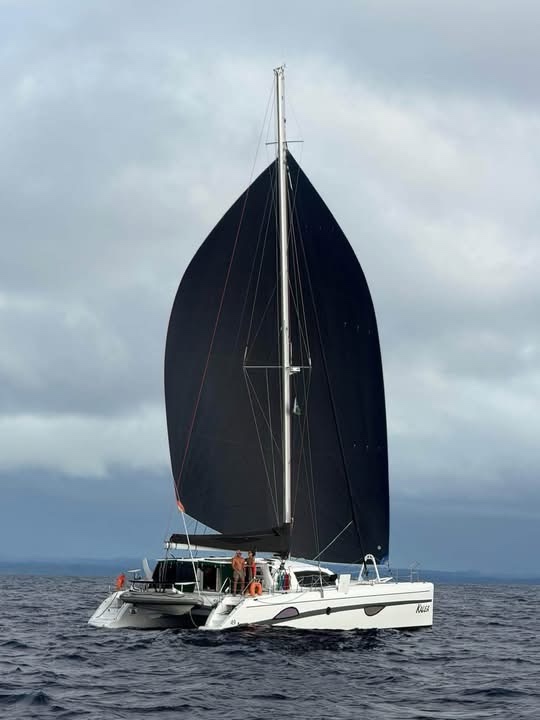
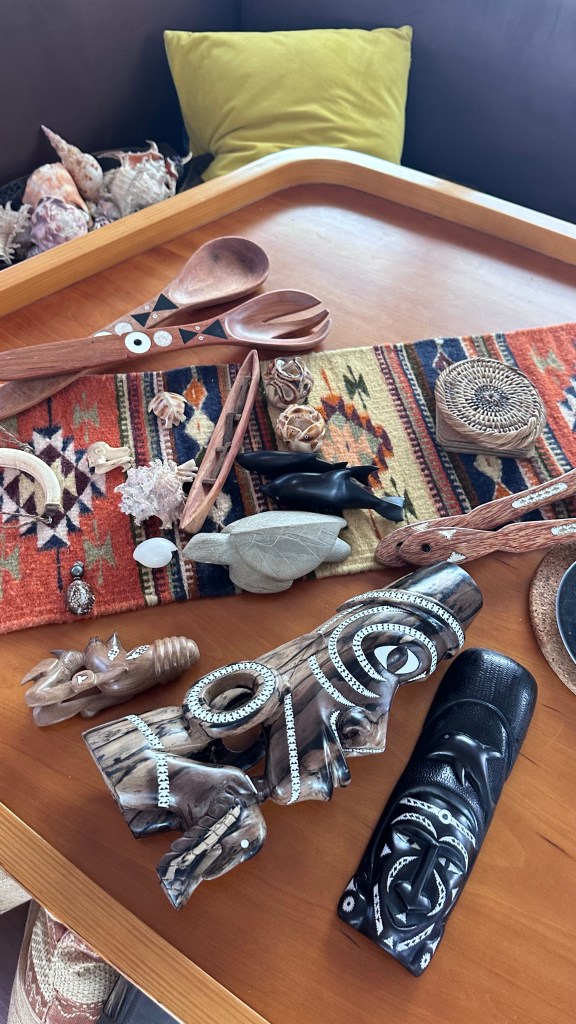
Wow, what a huge learning curve these last 5 weeks in the Solomon Islands have been. One thinks by this age you can make generalities about human beings. Well, culturally speaking, we have been humbled to the core. Traveling to these remote areas with 0 tourism nor external influence gave us a new perspective on human possibility. Unthinkable, genuine hospitality, kindness, joy, creativity, humor, care, and compassion for all! The Solomon people have a calm tender/sweet style, so friendly in nature, and warm welcoming hearts. They have big families, not much need for money, and usually 5 or more children each. Food is practically falling off their trees and gardens. Most families in the Morovo Lagoon area have at least one carver craftsperson in their greater family. Their carvings were spectacular with fine detail. We traded food or clothing for a few special pieces that we will take home.
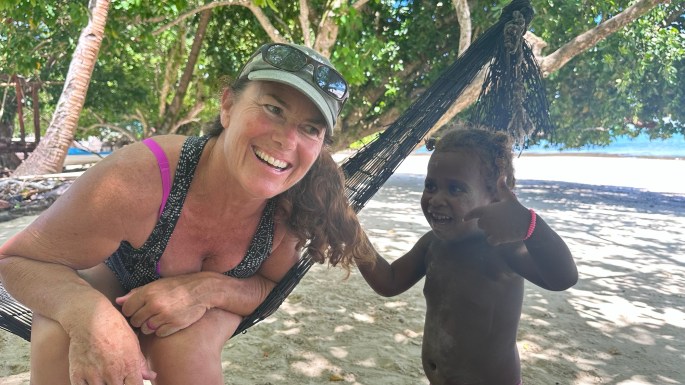
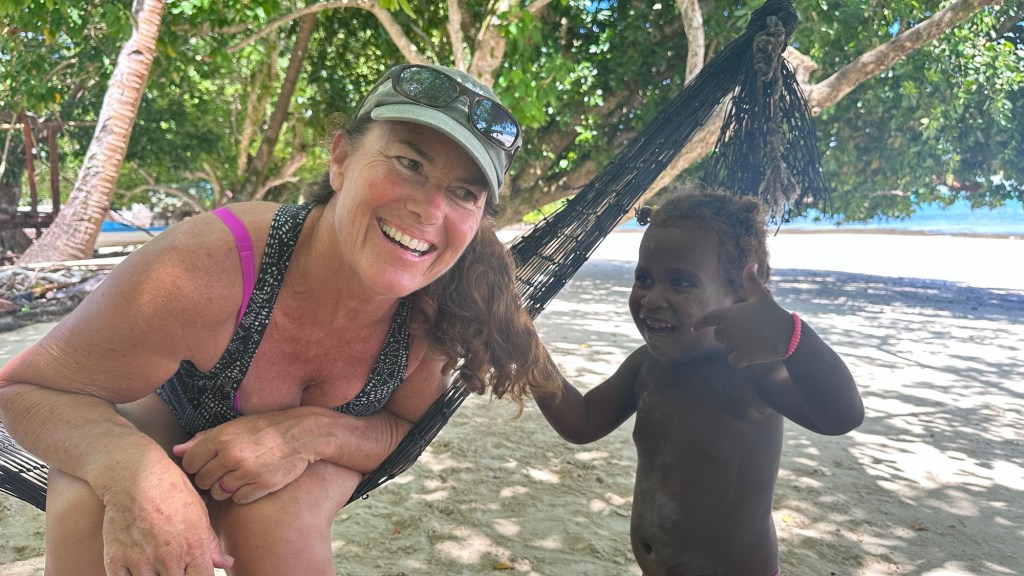
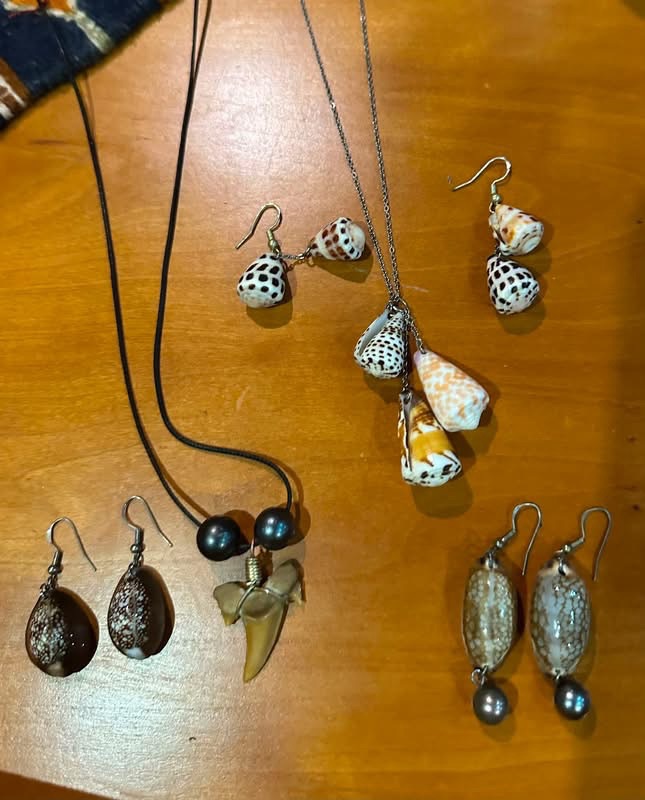
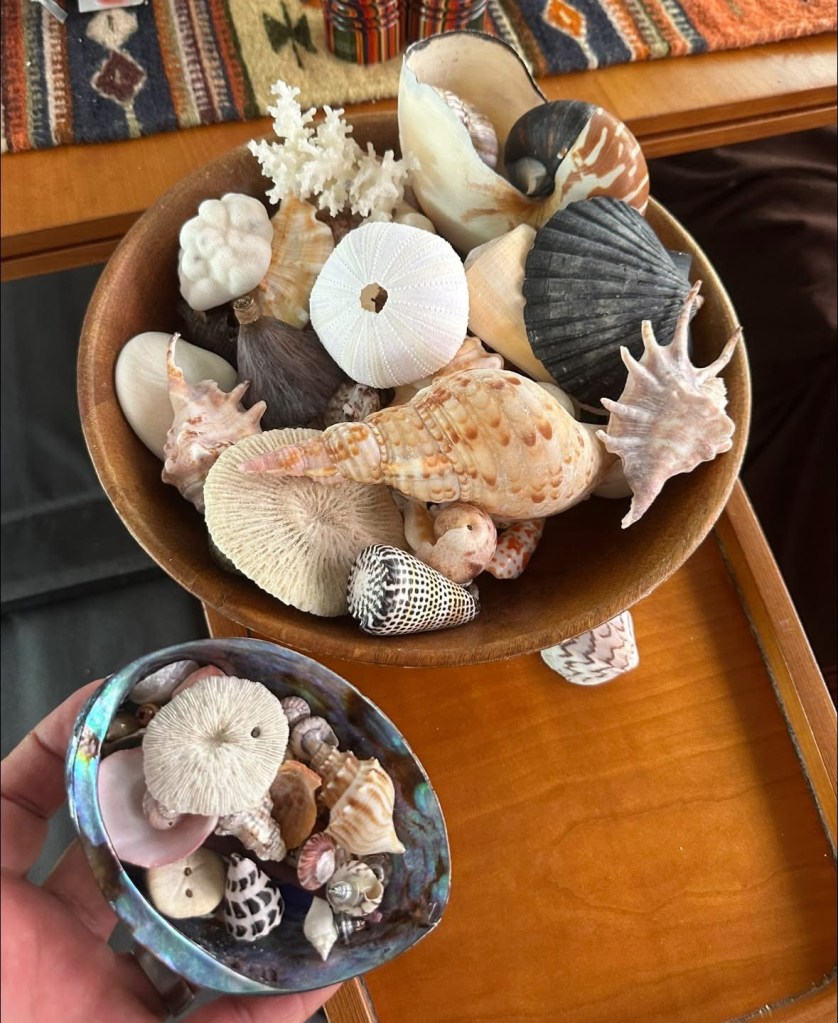
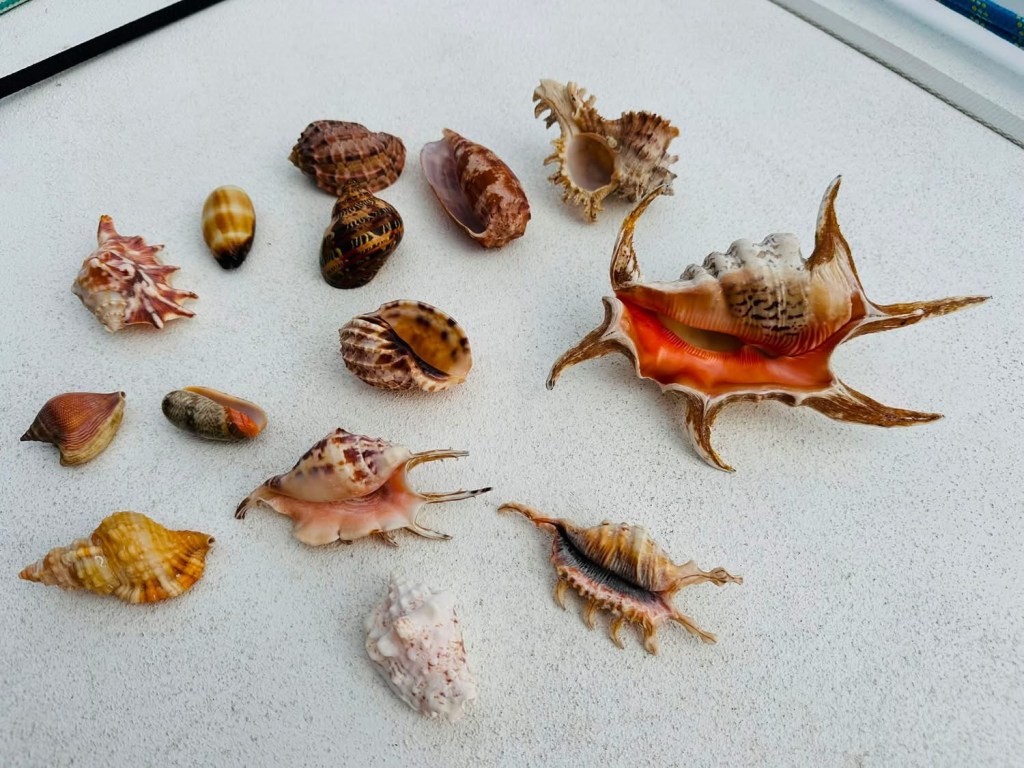
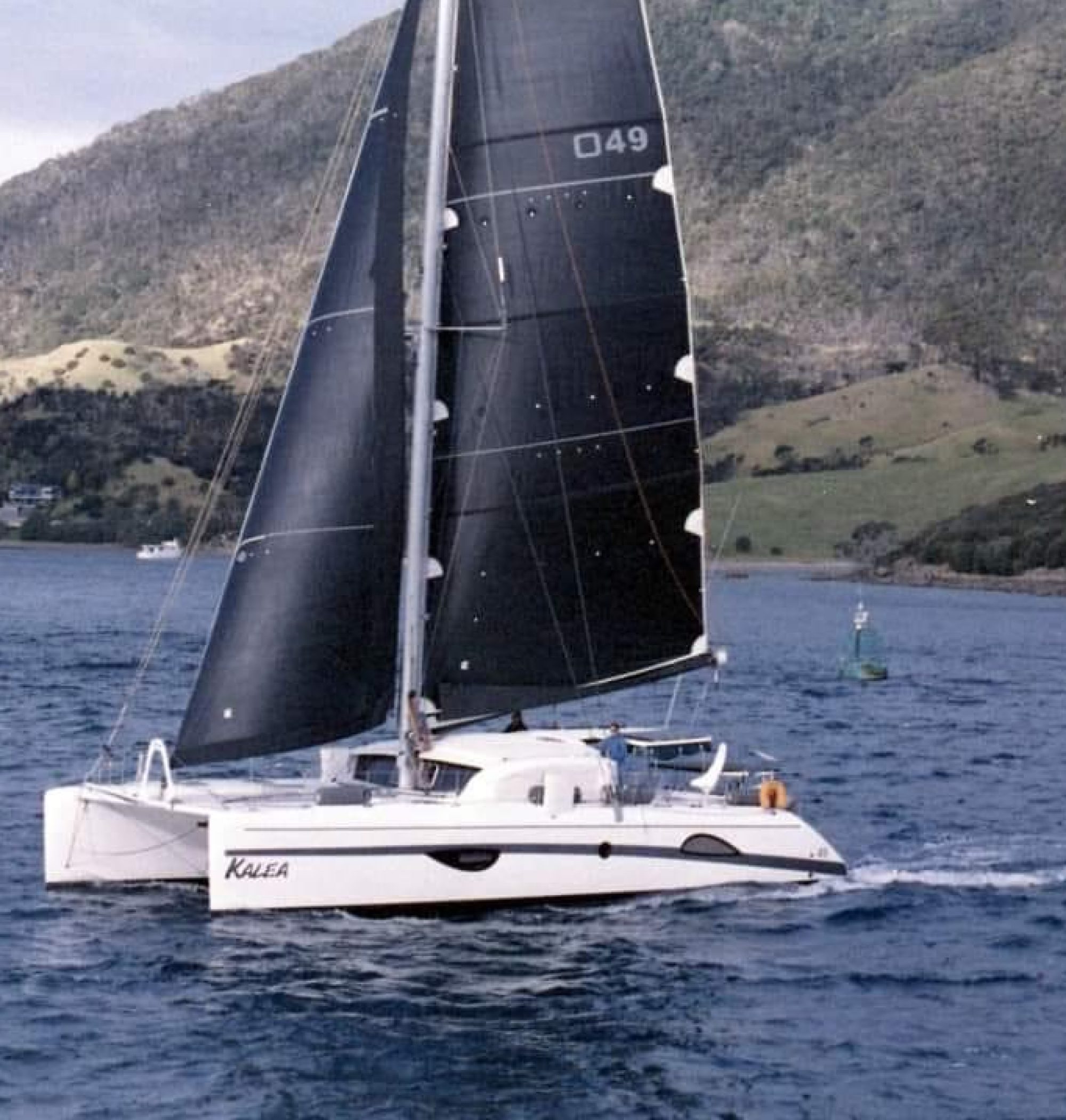
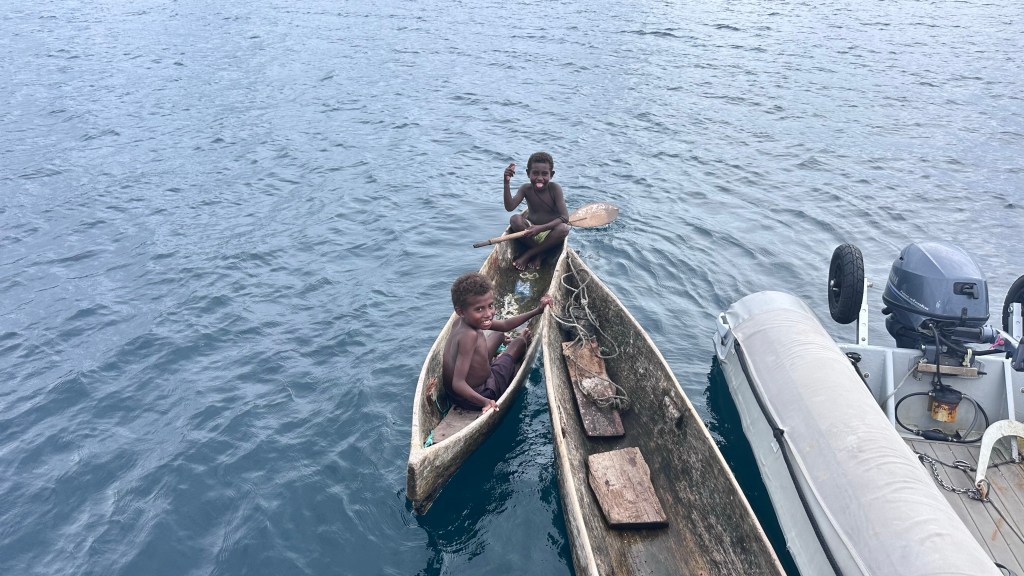
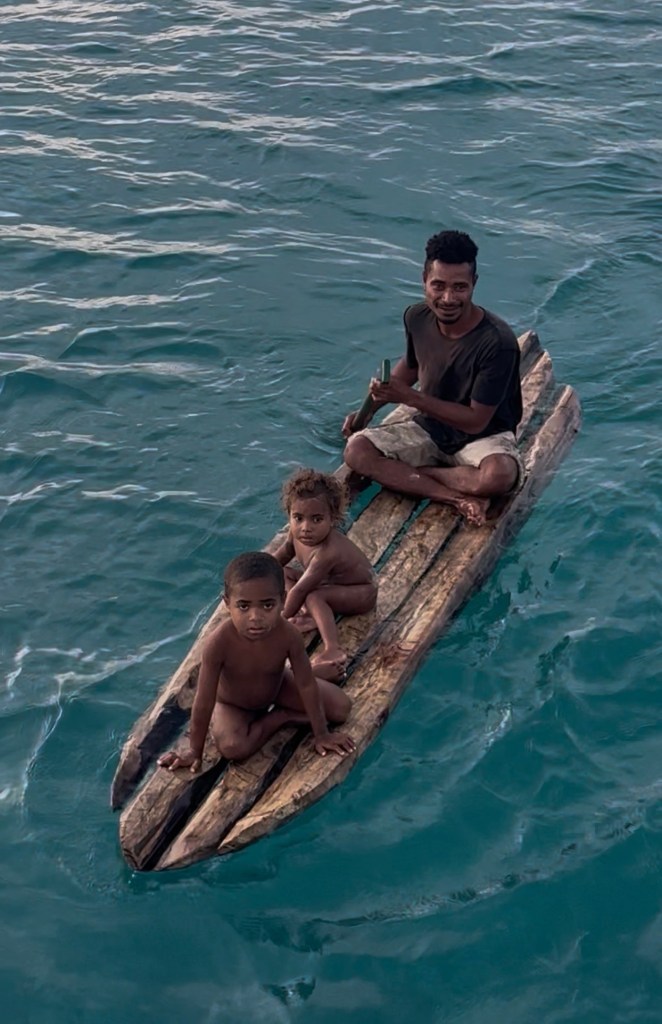
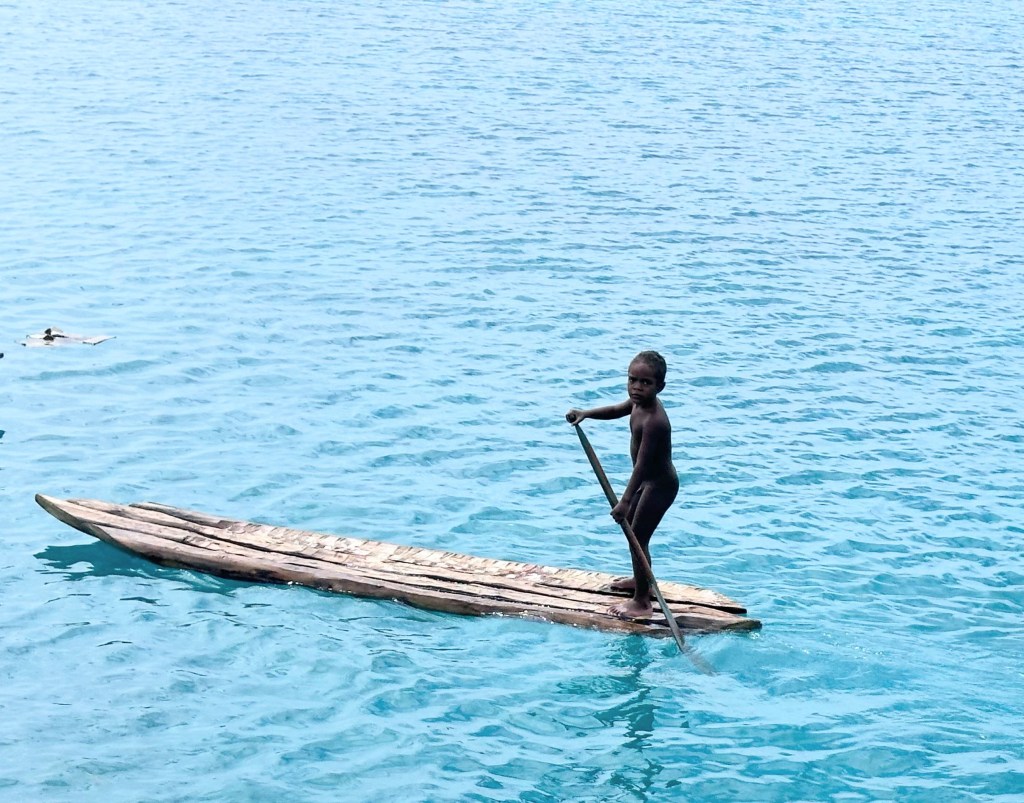
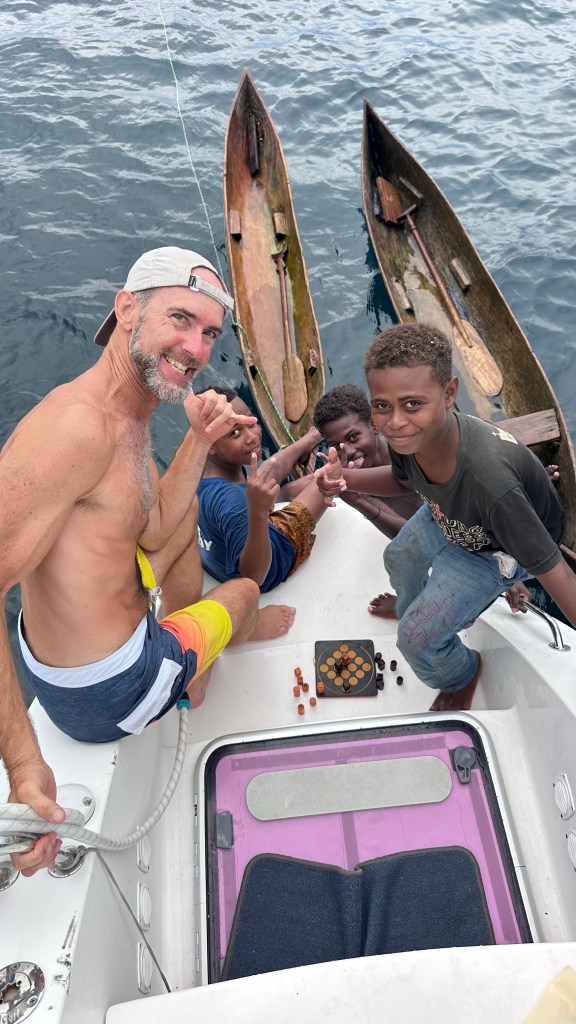
The Reef group of Islands was also a shocker. Dozens of canoe children, called pikinini’s, rowed up to KALEA all day, everyday during our week stay in this Southern province. Kathy shared some brownies one day and ice cubes another, played loud Michael Jackson while we all swam off the back steps, the smiles, giggles and chatting. This Island sees very few visitors and us being “white skins” we are a bit of a spectacle. Not to mention that the adults just paddle out to the boat and stare, like it’s a spaceship. This island is one of the few Polynesian islands vs Melanesian. A very poor island with no data sources at all. No phones, cars, stores, air strip, power….nothing, but, wow do they have hearts of gold. Always wanting to give fruit, veggies and share in a little laughter or a simple story. Not very much English is spoken here. We quickly learned the value of trade. For over a month, we traded with the locals, usually at the back of our boat, sometimes in their home. They loved receiving; clothes, pantry items, notebooks, pencils, soccer balls, fishing supplies, cookery, and even a pack of oreo cookies. They would rather have these items than money. They would give us fruit, root veggies, coconut, and seashells. At the end of the week, we all celebrated good new friendships over a potluck meal, complete with singing, speeches, and gifts!
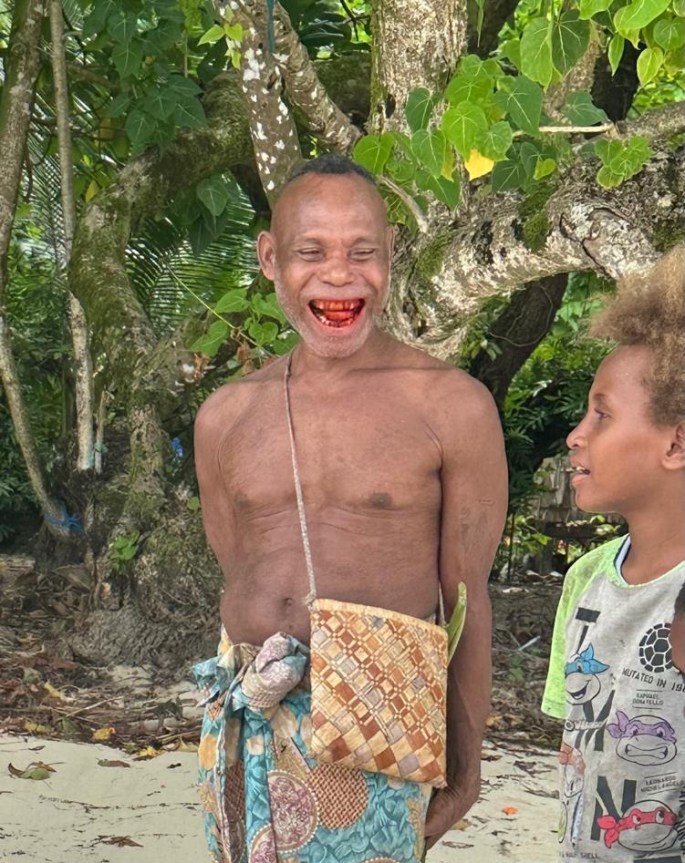
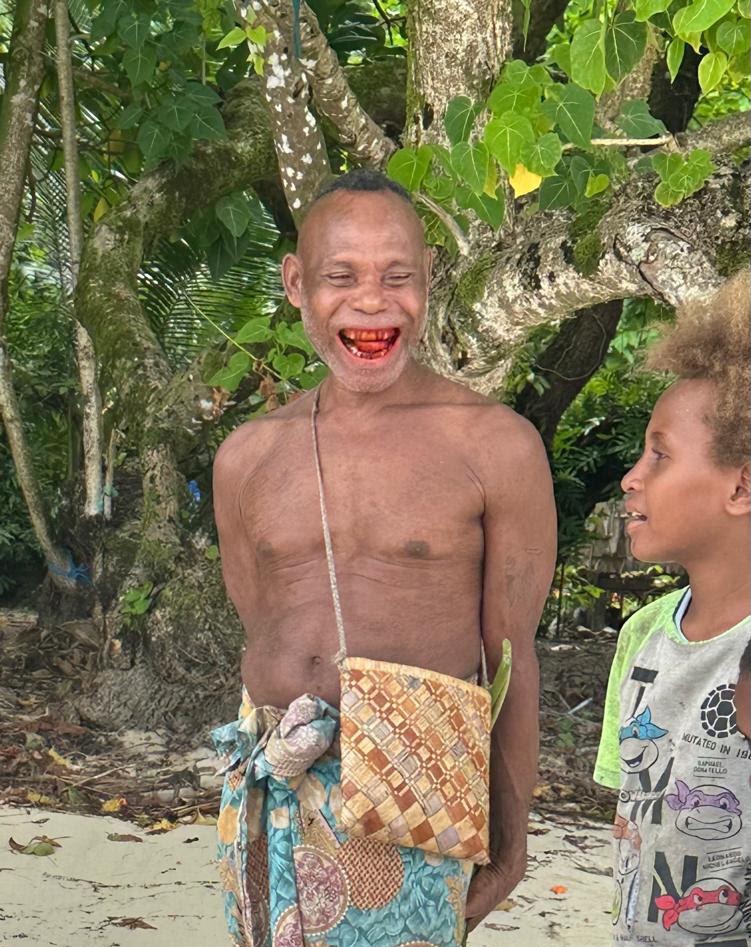
Betel Nut, really a Areca nut, causes the red teeth in most adults in these parts of the world. The process of mixing the three ingredients in your mouth when mixed with your saliva turns your mouth red and teeth black. They say it is semi addictive (with a happy high) and the majority of the adults (some children as young as 12) appear to do it. The Solomon Islands and Papa New Guinea are know for it. Ingredients: Betel nut, Green Bean looking thing 🤷, and Slaked lime (calcium hydroxide powder), made from burnt coral or shells.
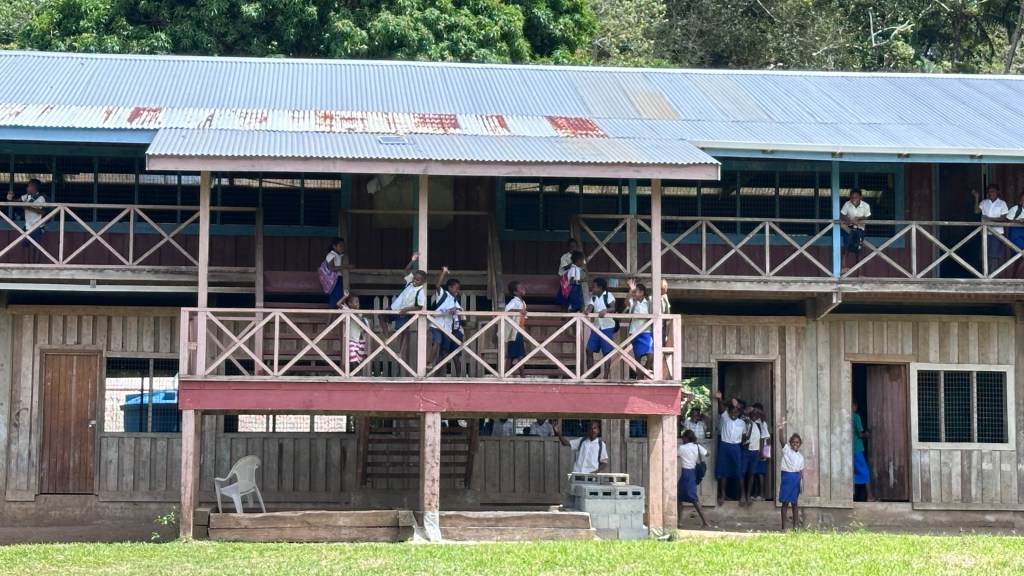
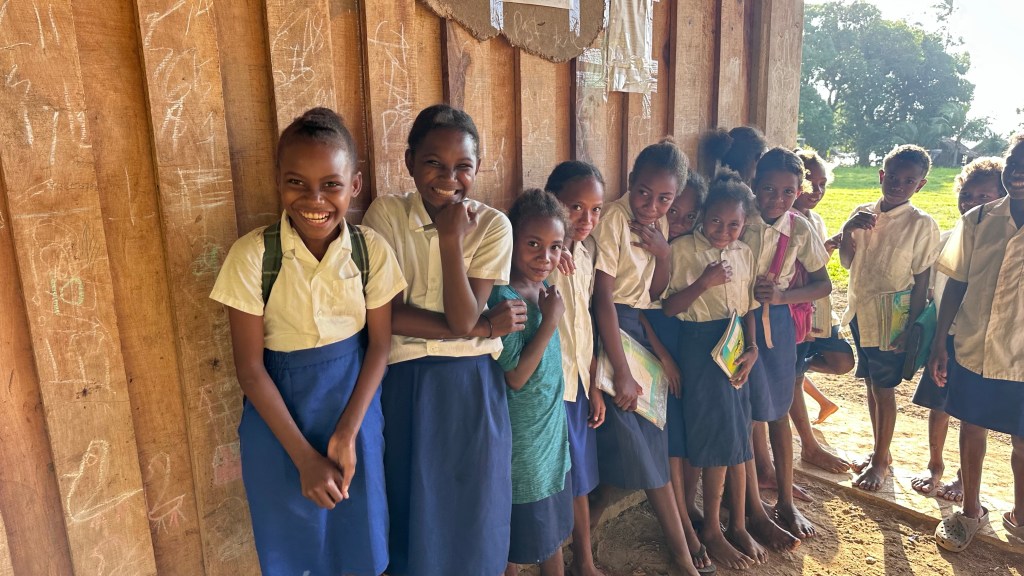
🌎 While we were in the Florida Islands, Kathy visited Leitongo School. When the chief had learned she was a retired teacher, he invited her to be a volunteer teacher for the day. This was a thrill, and she gave it a go. “I stepped up to an old dusty chalkboard with stumpy little bits of chalk to teach 4 different subject areas for 4 different classrooms. This was an English only school, but the teachers mainly use Pidgin English for instruction. The children were such cuties, like sponges, glued to my every word and participating fully in my ‘off the cuff’ silly but engaging activities.” 😀
She bonded with the wonderful school teachers and had so much to learn and share from each other. Almost felt like old times again, back at SLOHS in California. Later that day, the school administrator explained that although the school was grateful to receive a much needed WASH facility (flush toilets) last December, unfortunately they had not been able to use them due to a defect in the construction! OH NO!😬. Sadly, they locked the doors to the restrooms and all 125 school children (and the rest of the local population) have returned to defecating among the mangroves along the ocean. 😳
Well, since my bother Andrew was visiting from California, and since he is a licensed sanitation Geologist, he promptly emailed the Solomon Sanitation Department and the US Embassy here. UNICEF will now be reviewing, monitoring, and making maintenance arrangements with the school, contractor and relevant authorities AND will fix this issue and help prevent similar issues in other facilities, world wide! 😊 Stay tuned!
The Solomon specialists appreciated the technical suggestions my brother raised and planned to visit the island immediately. It was such a short and simple effort we made within our short stay, but YAY! We love to make a difference in the world, any way that pops up. 🌎
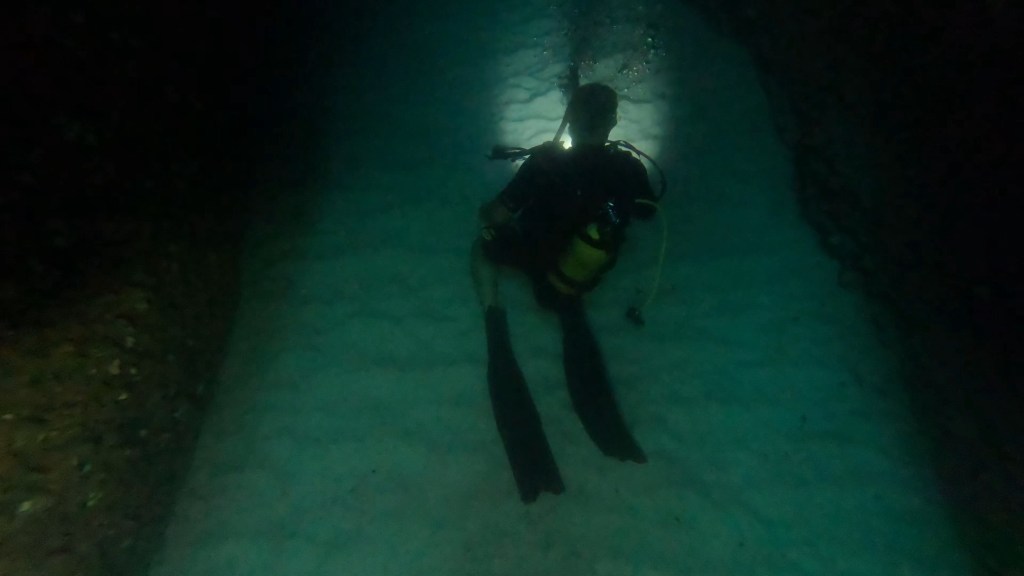
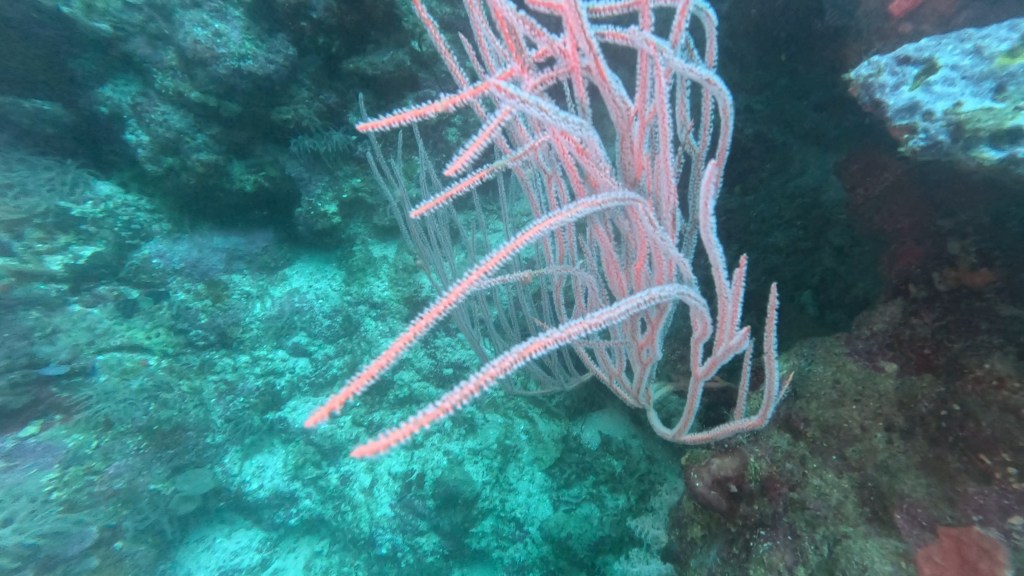
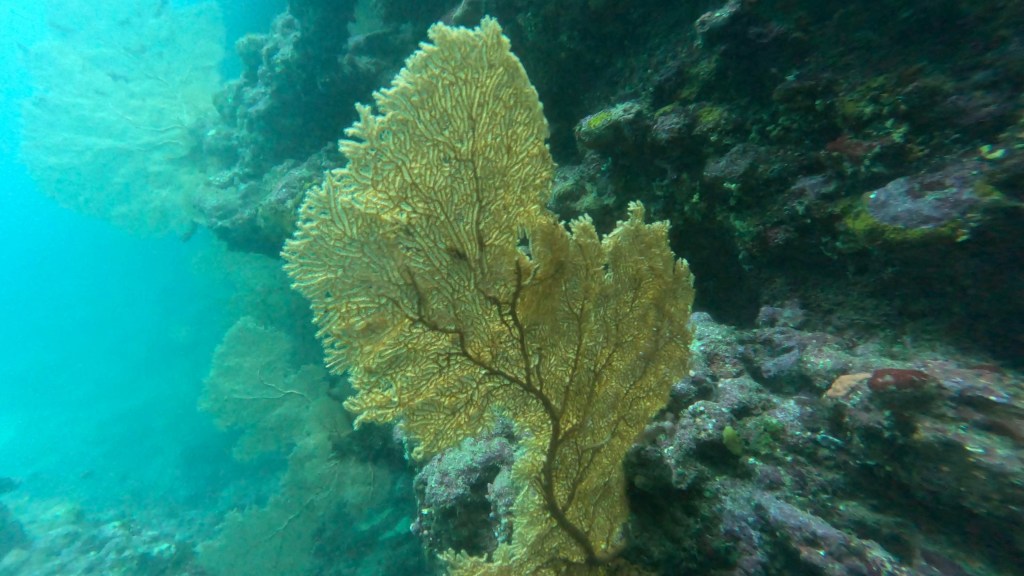
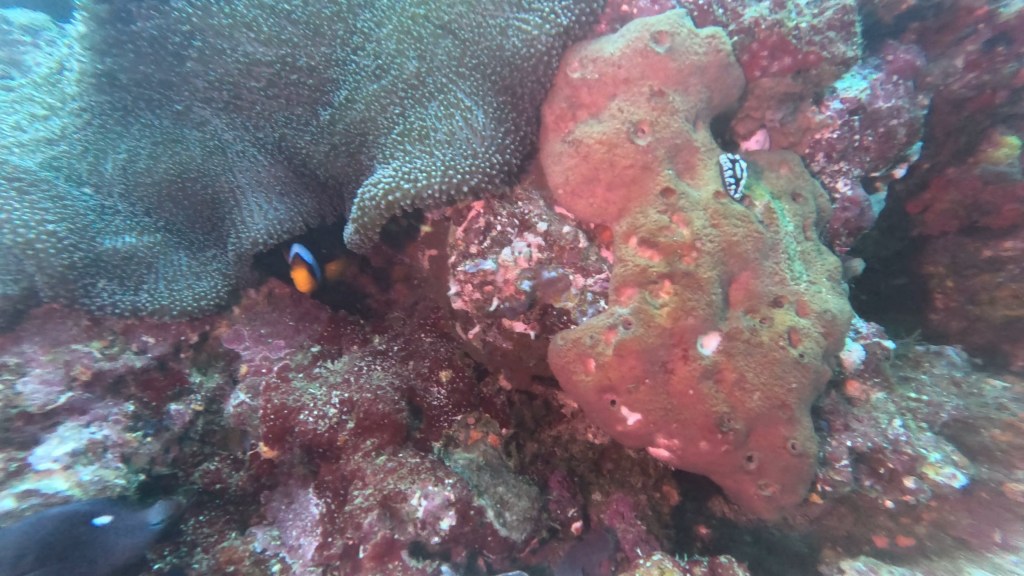
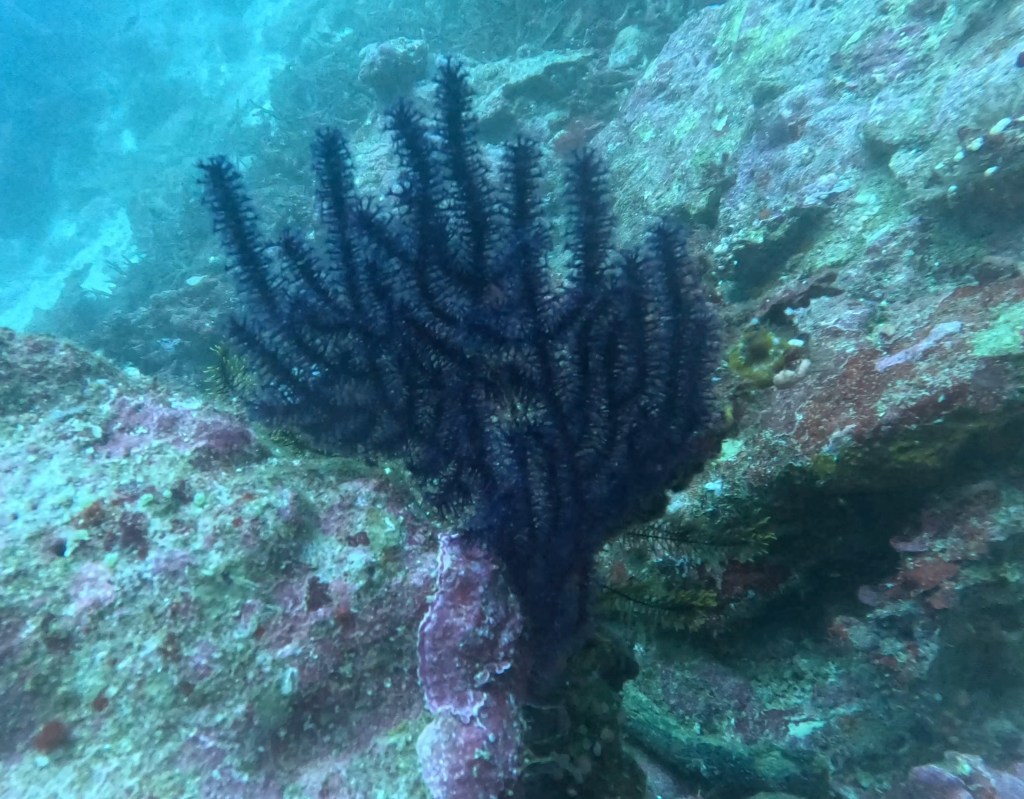
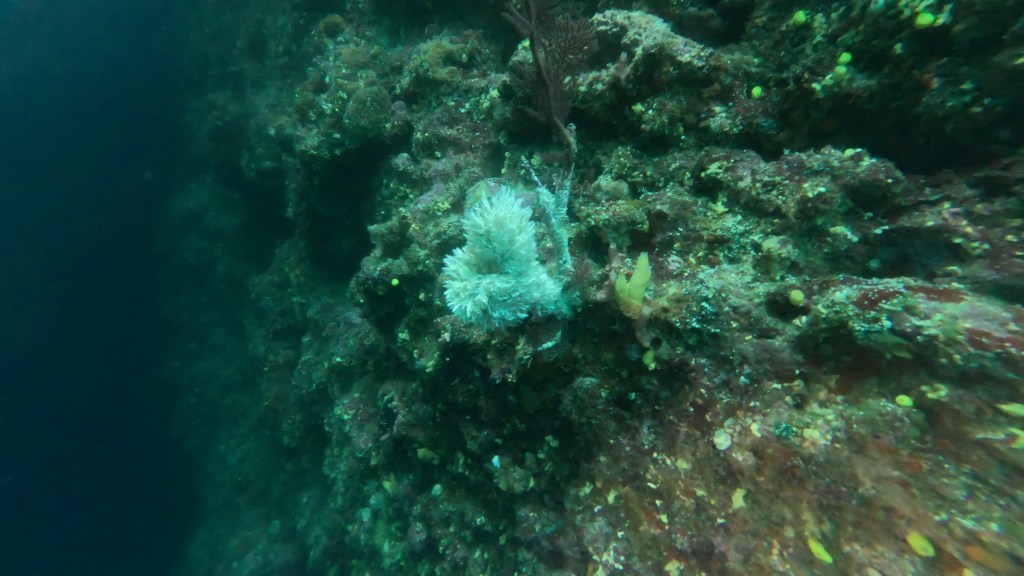
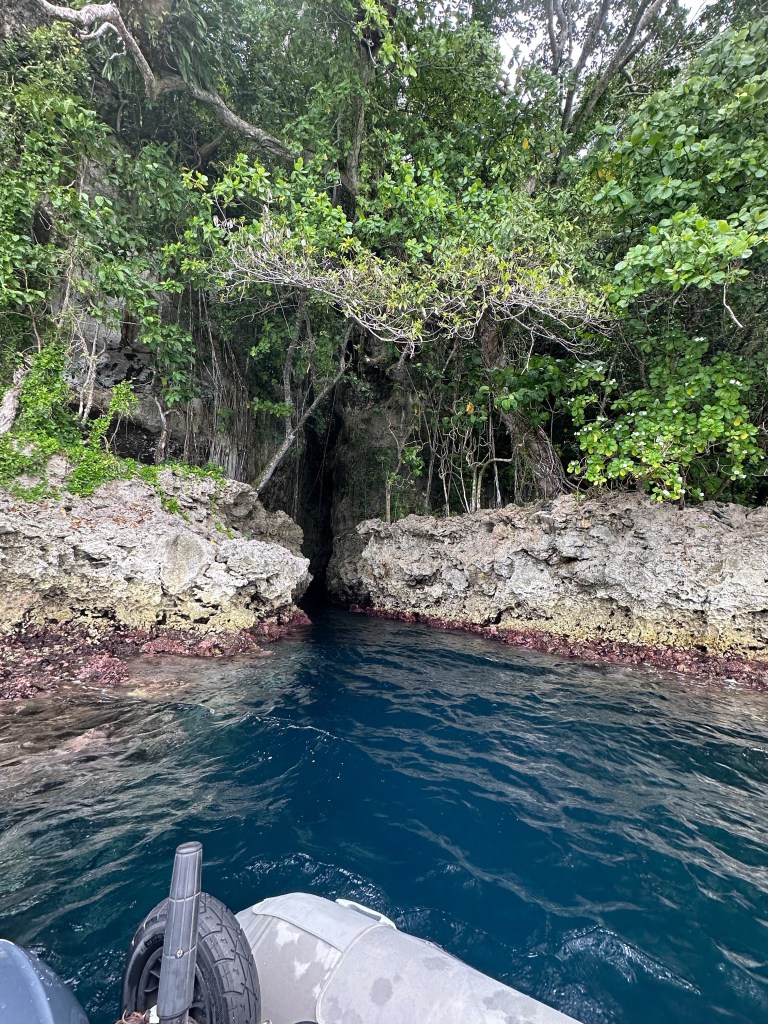
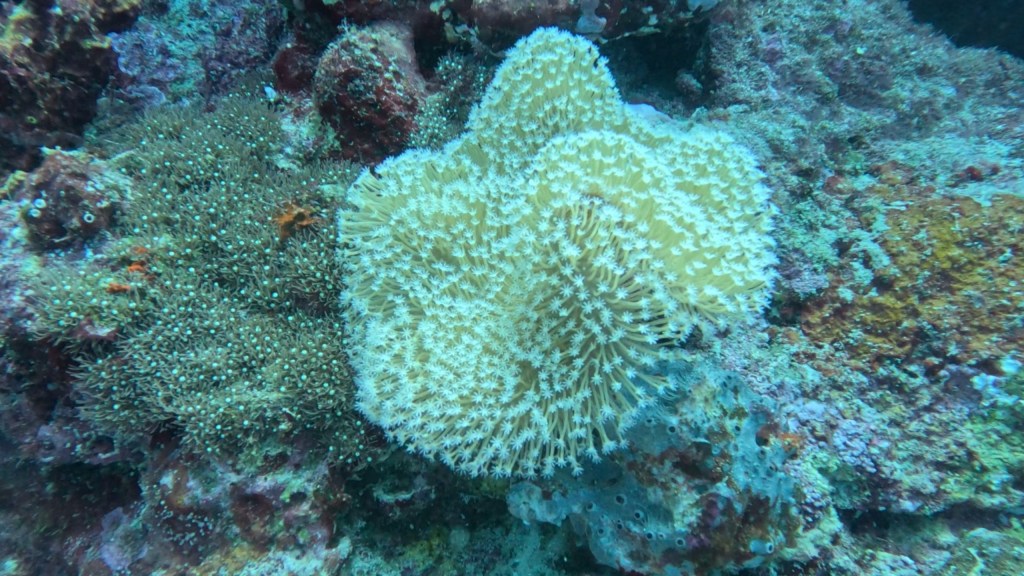
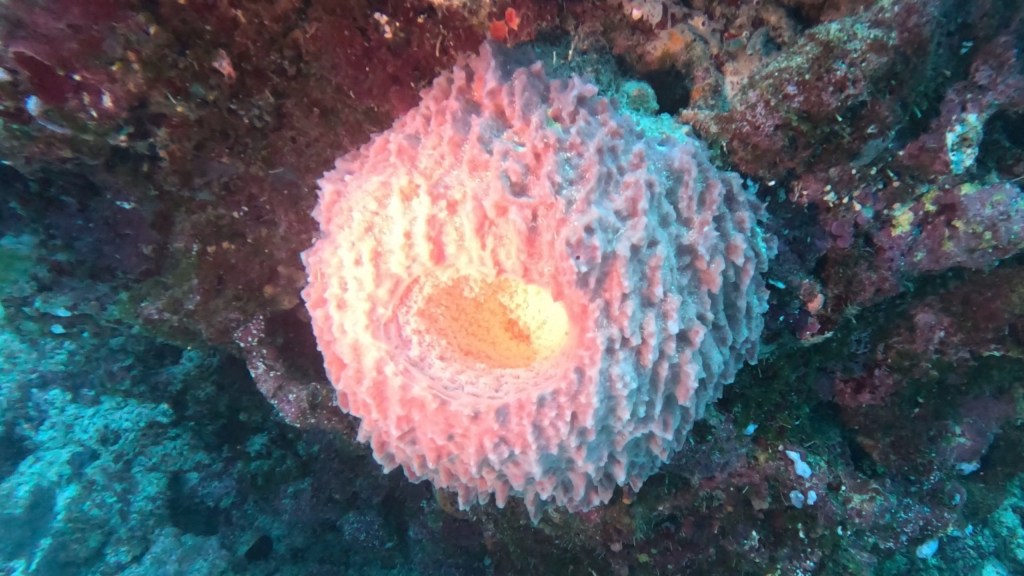
We were able to avoid the crocodiles and Scuba Diving twice in the Solomon Islands. Our first dive was Laru Cut. This is a slice in the massive limestone wall, going 10 feet wide, 300 feet long and about 60 feet ahead into the jungle and 60 deep into the clear ocean waters. Quite an experience with the light filtering down in the crevice and onto the sandy floor. There were not many fish or coral, but so cool for us to to be swimming in signal file to the end and back. Once done in the crevice, we continued to the outer wall, with nutrient rich waters rushing by none stop. This wall was so thick with corals, fans, sponges, fish and nudibranch-really loved it!
Did you catch that? Yes there are crocodiles here, another regular and very sad news worthy issue. we anchored one quick night and had a resident salty circling our boat!
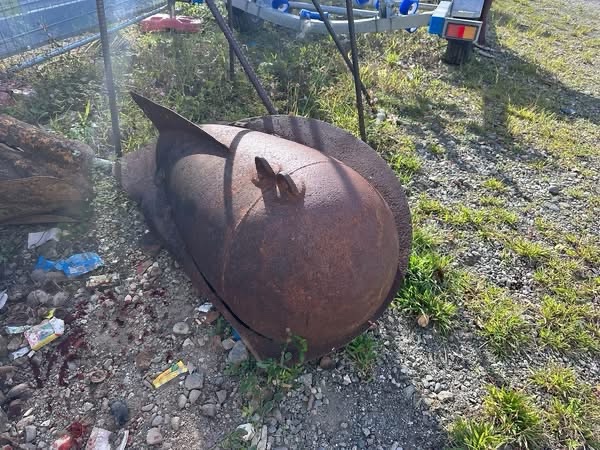
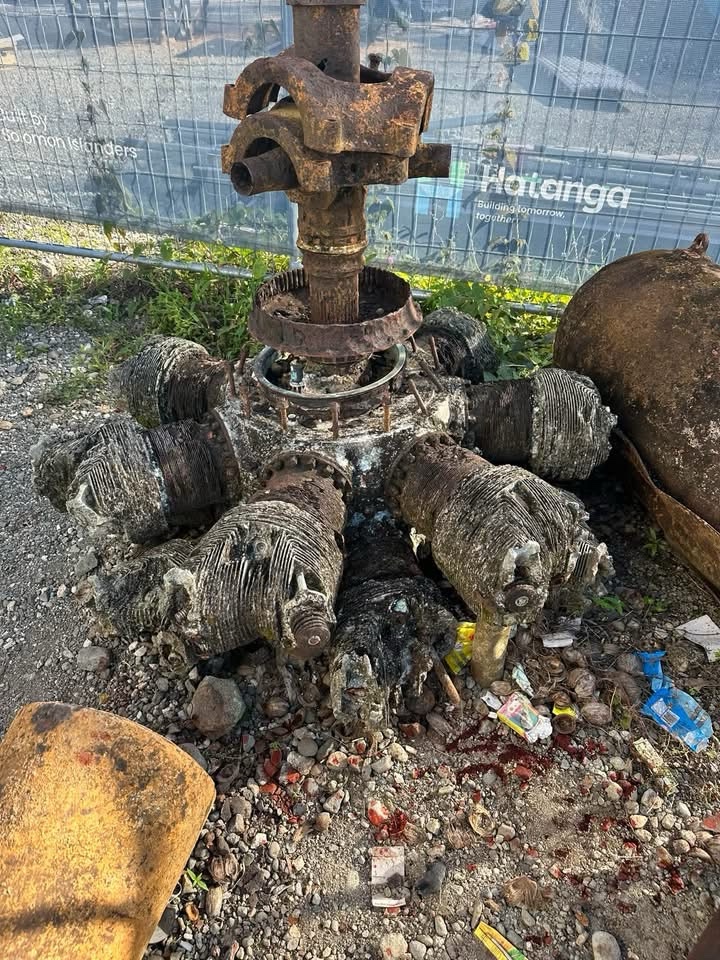
We later dropped off Kathy’s Brother at the tiny strip of rough asphalt known as Seghe Airport, on the island of New Georgia in the Solomon Islands. Seghe airport was hastily built in 1943 as a forward airbase during WWII. (Think Ba Ba Blacksheep) When we parked the dinghy at the dock the airport was under construction with a new terminal. For some reason they had pulled out of the ocean an old engine and what one worker told us was a Mine sweeper drogue. We later identified the engine and it turned out to be a Pratt & Whitney R-1830 Twin Wasp Engine, 14 cylinders. It was most likely a Fighter/Bomber engine from a Wildcat F4F. Super cool. BUT, the Drogue turned out to be an arial depth bomb!!!!!! We are glad we didn’t touch it, very possibly live. 😳 Evidently there is three aircraft still in the water at the end of the runway one of which is confirmed to still have 325-pound depth bombs attached to them. The Solomon news reports deaths by bomb nearly every year! Incredibly sad. We made a note in the sailing app: NoForeignLand NOT TO ANCHOR anywhere near the airport. 😳
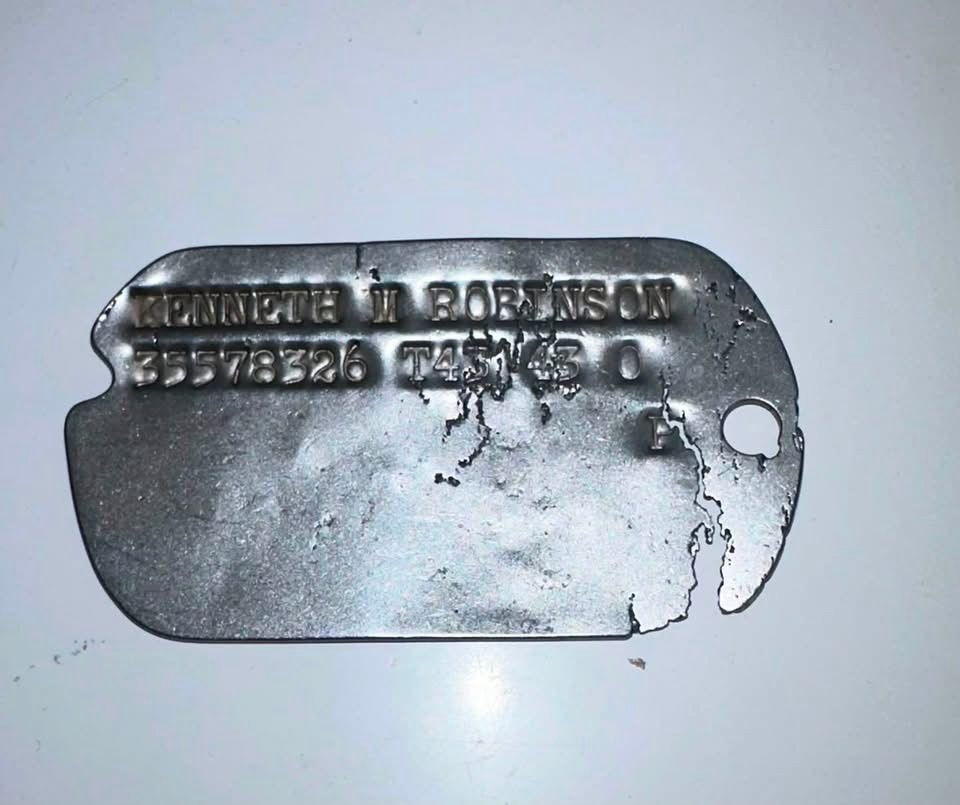
More details on WW2: If you didn’t know, we were at Guadalcanal for a few days. Thousands of Americans died here stopping the Japanese movement south in WWII. A local brought us a dog tag that was found near his village. He is looking to sell it but basically he wants a “reward”. He is asking $1000 USD. 😵💫🥴 He was in WWII and in the Solomon Islands in 1942. After a bunch of research, Scott learned that this soldier had an injury and was sent back to the states in 1943, and apparently has left his dog tags here.
Interesting fact, we were on an island a week ago that a soldier washed up dead in 1942. The local Chief at the time, not wanting to gain any attention to his island, instructed the village to bury him up on the hill. Just recently the village revealed the location of the grave site and the Australian military came and exhumed the remains JUST TWO WEEKS ago and took him back to Australia to try and identify the MIA soldier, most likely a US or Australian serviceman.
Amazing really and makes us proud that our countries are still working to reunite our fighting men with their families and country homeland.