Our sailing home takes us, Scott and Kathy Erwin to travel the world one island at a time. Come along on this adventure to learn, or join Kathy’s Yoga, and explore and see the world.
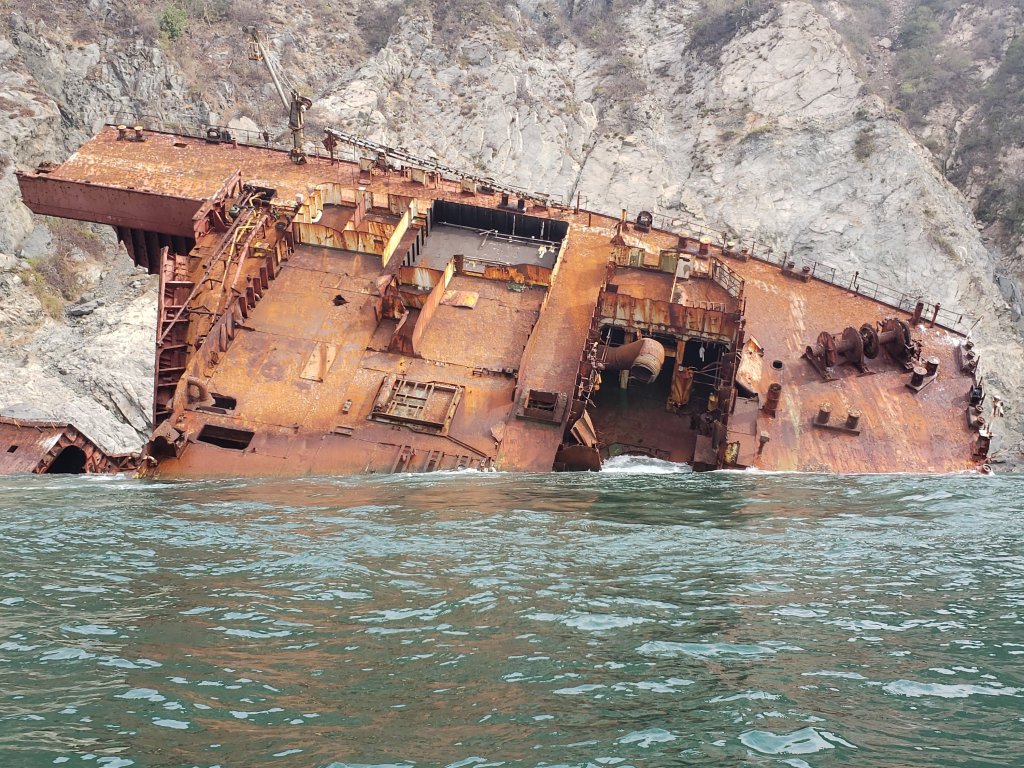
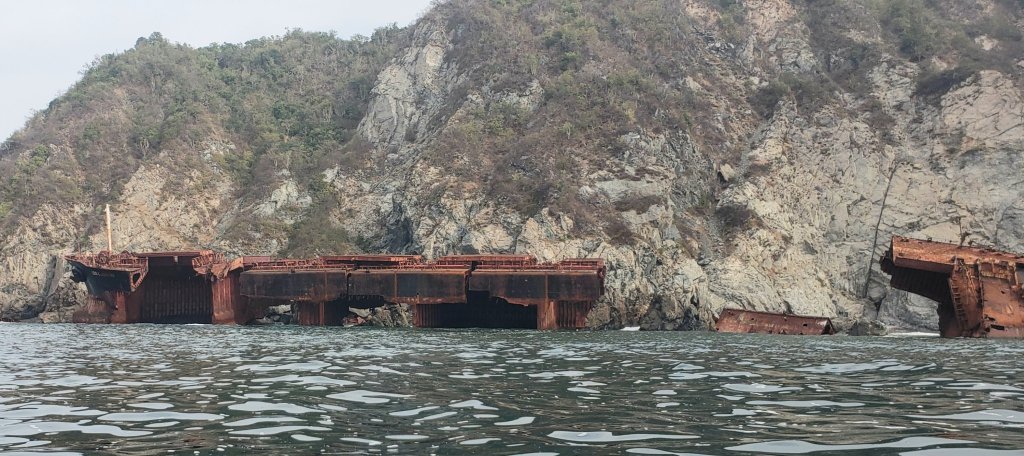
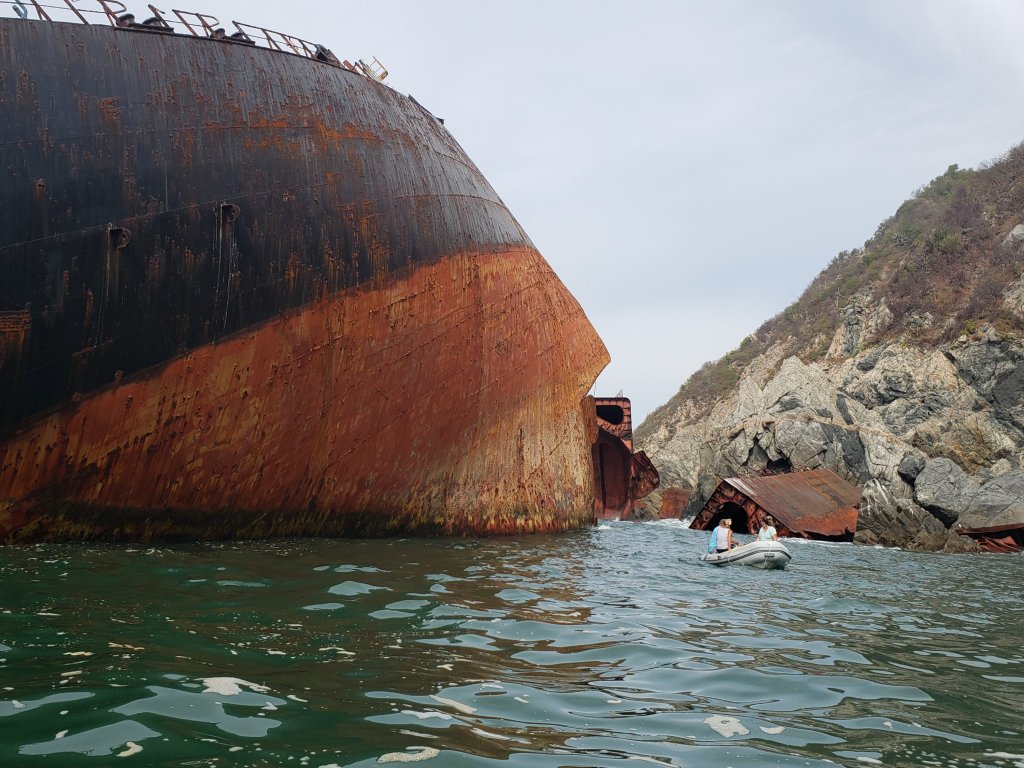
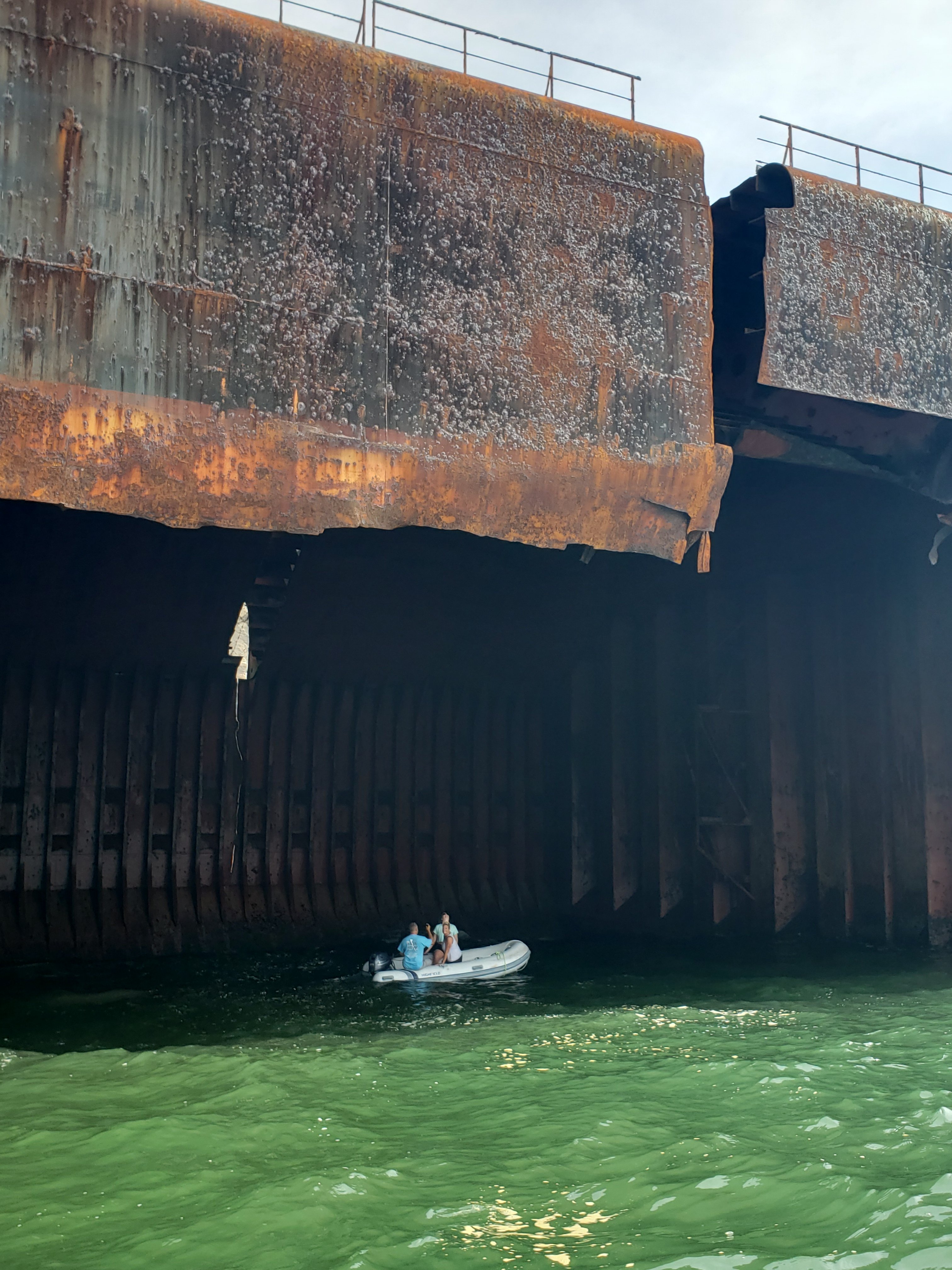
We took a wild dingy ride just South of Barra to the shipwreck of Los Llanitos. She was a 215 meter Mexican carrier, who ran aground just after leaving Manzanillo one day in 2015. This was just before Hurricane Patricia.
“She had been blown ashore unable to withstand the strong winds by the hurricane. The bulker went ashore and sustained severe hull damages as it’s hull dragged along the rocky shoreline. Mexican Navy helicopter rescued the crew prior the hurricane hitting land.” Reported By The Wrecklog.
We took a wild dingy ride just South of Barra to the shipwreck of Los Llanitos. She was a 215 meter Mexican carrier, who ran aground just after leaving Manzanillo one day in 2015. This was just before Hurricane Patricia.
“She had been blown ashore unable to withstand the strong winds by the hurricane. The bulker went ashore and sustained severe hull damages as it’s hull dragged along the rocky shoreline. Mexican Navy helicopter rescued the crew prior the hurricane hitting land.” Reported By The Wrecklog.
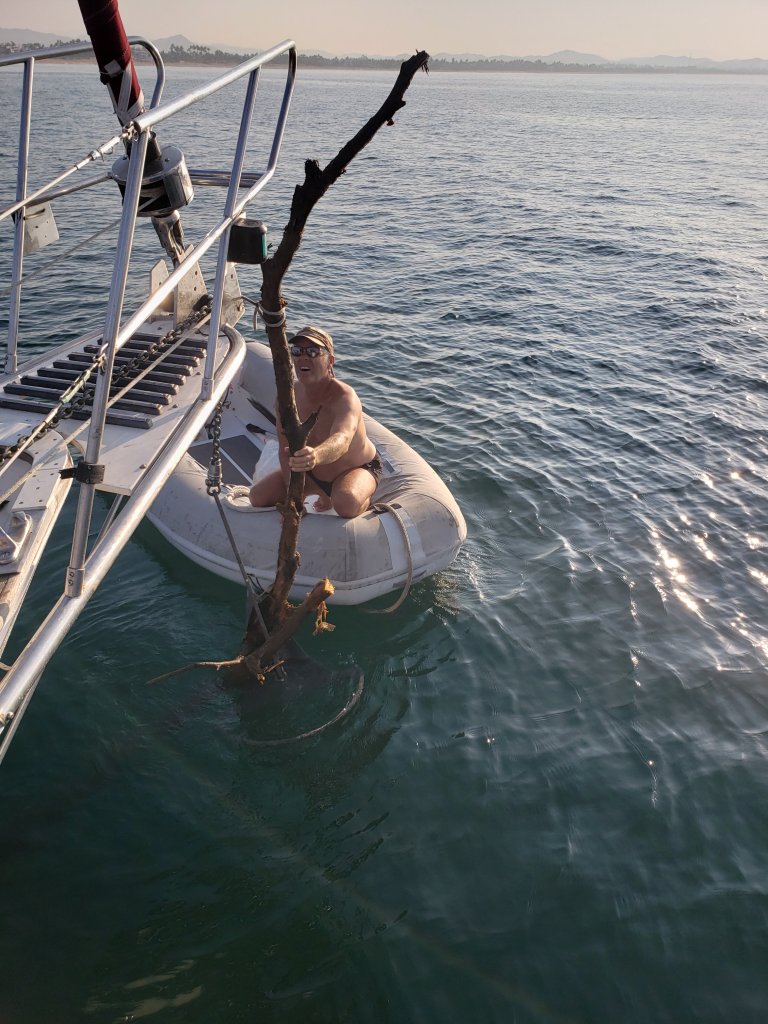
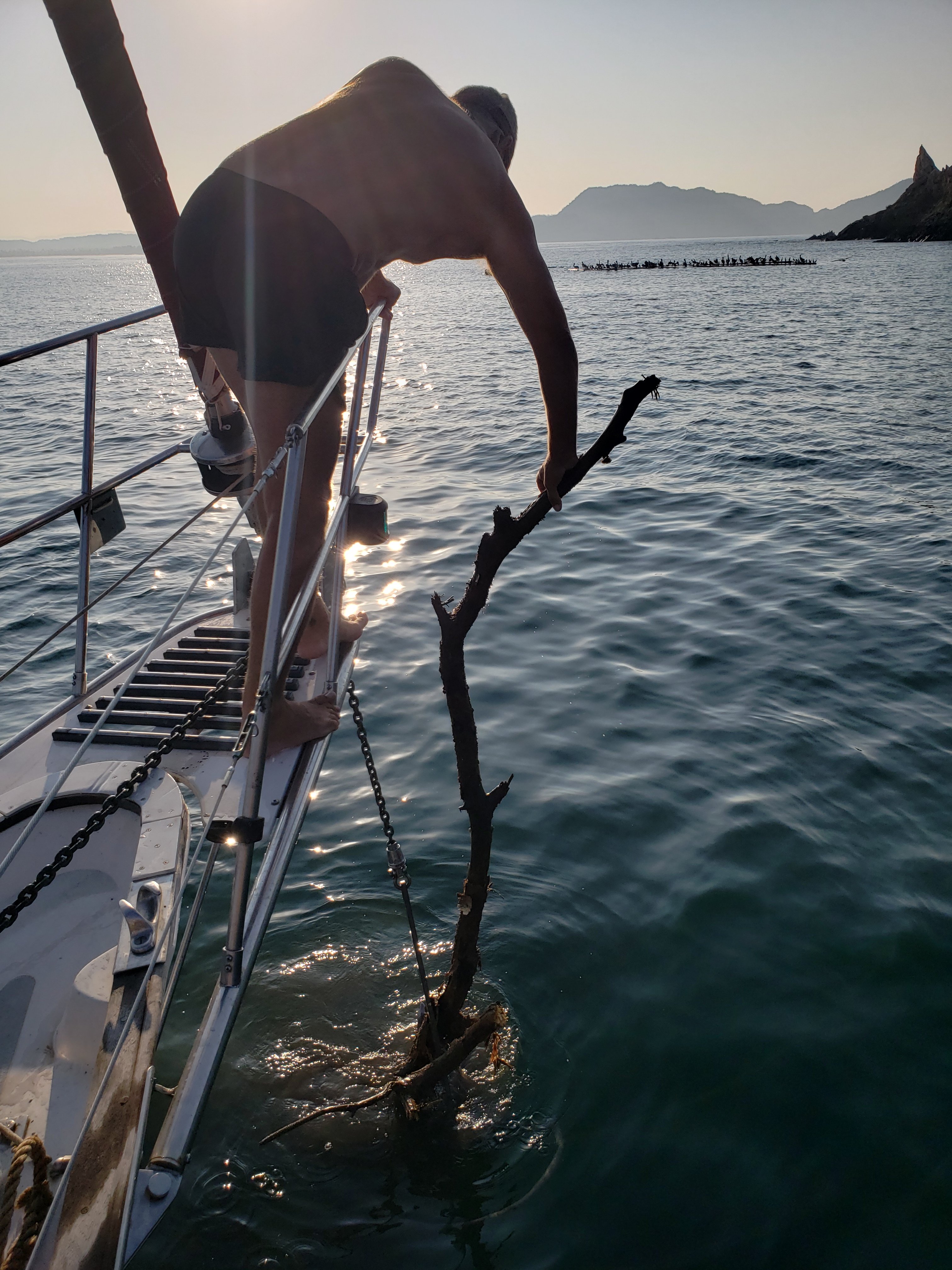
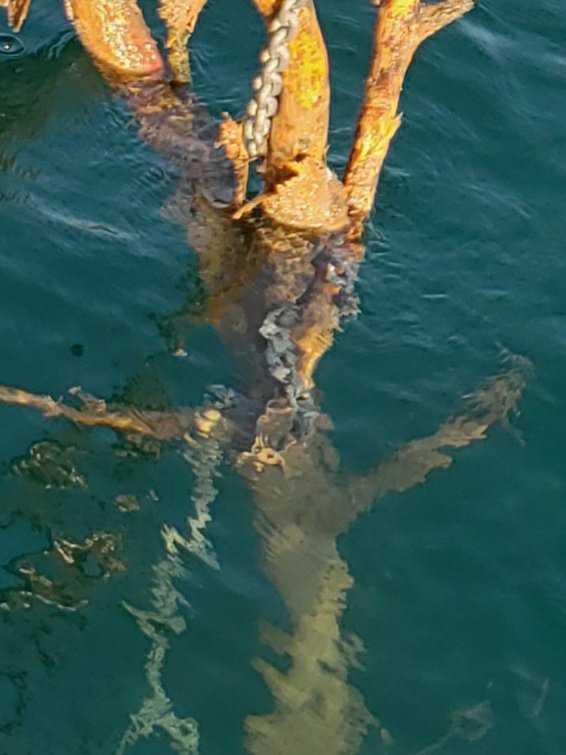
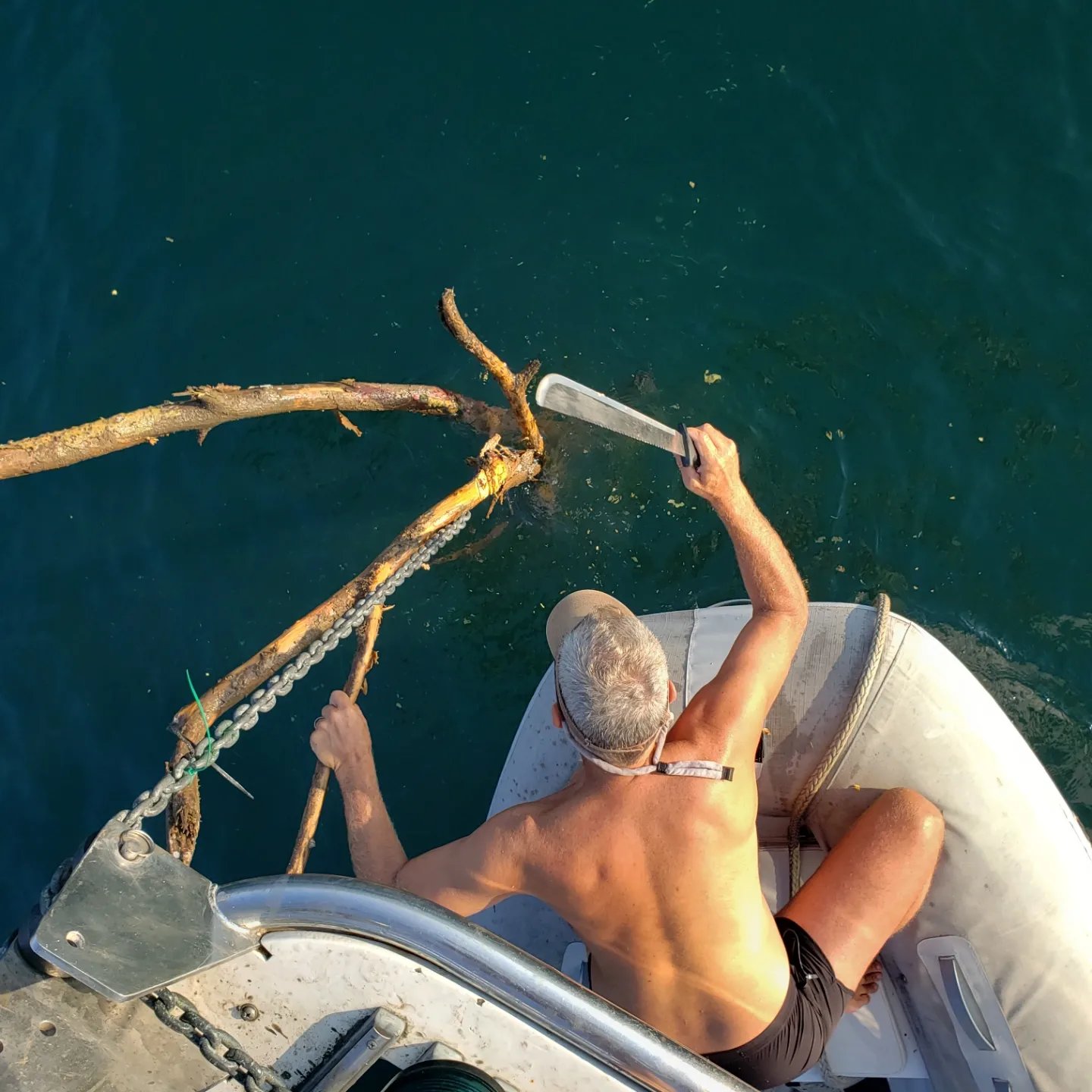
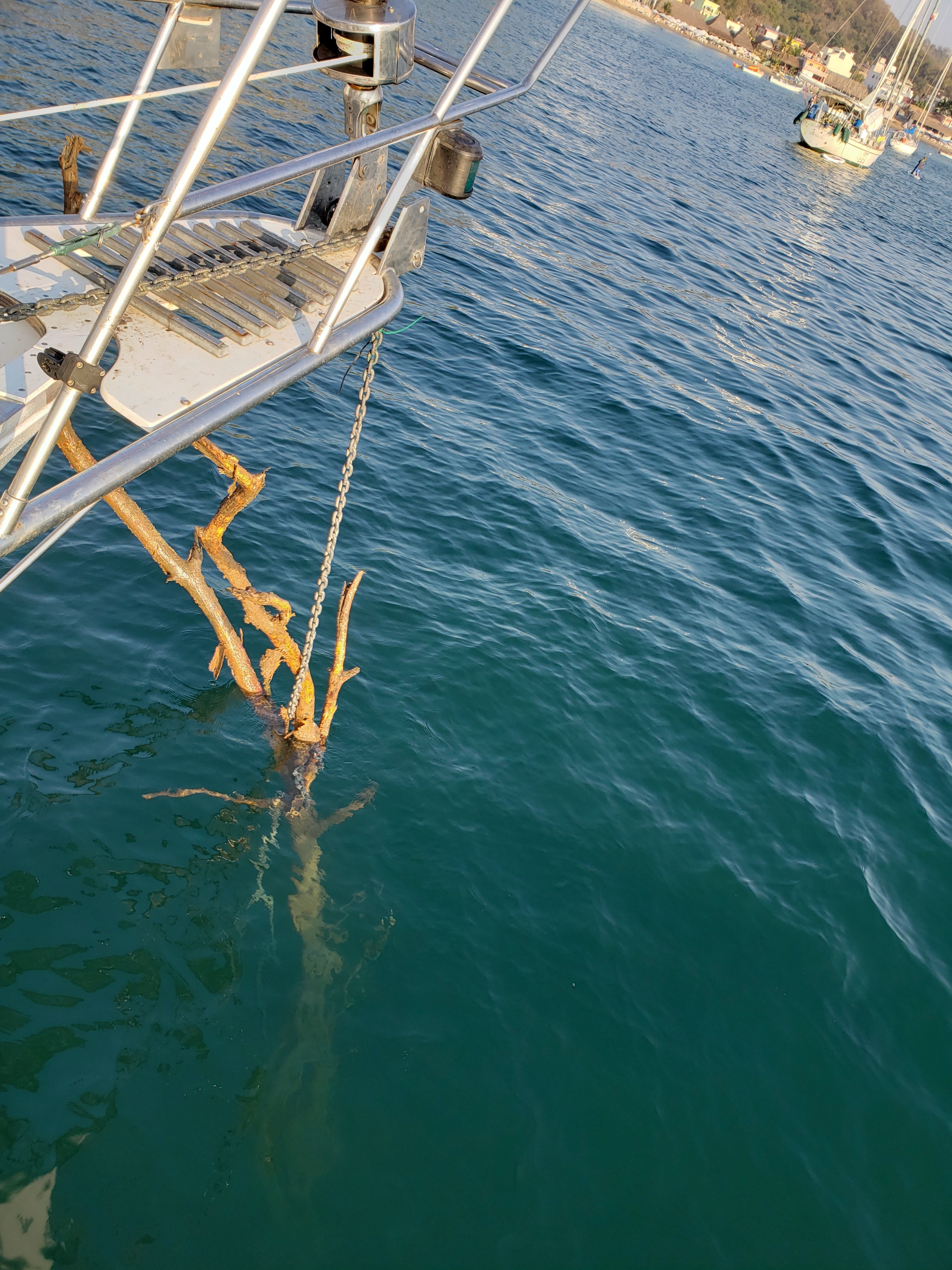
….we were pulling up anchor in Melaque and surprise! This anchorage has a very sandy seafloor, but over the last 2 days, we apparently swung around and around this random dead tree, 25 feet down. Thank goodness Hope Erwin had given Scott a new, sharp machete!!
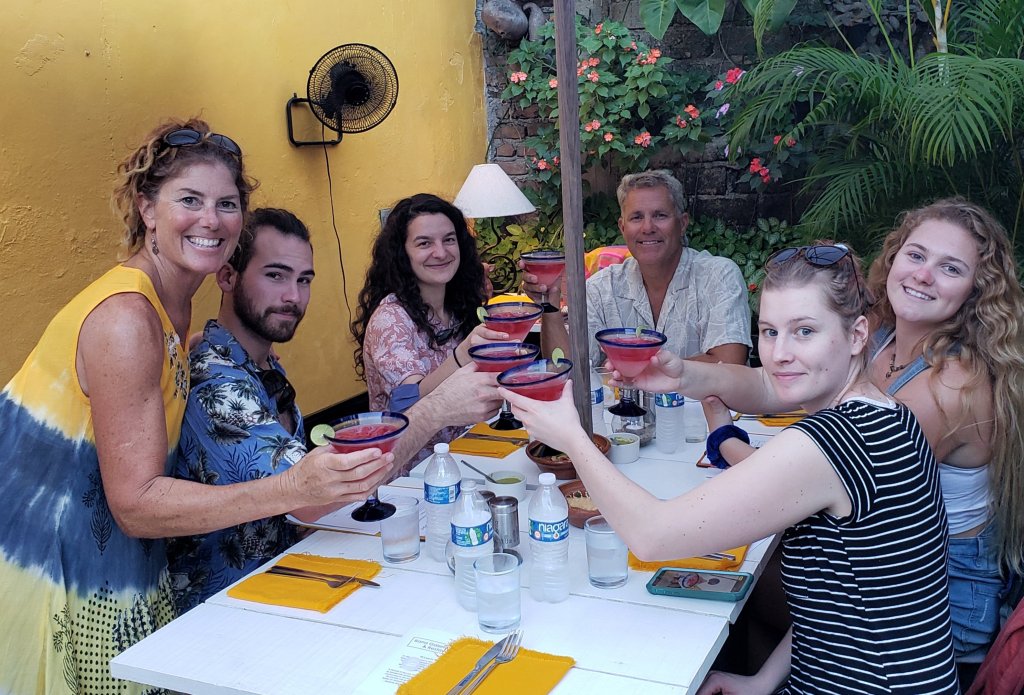
Hope flew into Puerto Vallarta then cruised 100 miles south with us for a week. Montana, Derek and his girlfriend Hailie enjoyed a few days at the resort in Barra, then attempted cruising and some light sailing for the week. Unfortunately, all 3 felt a bit queezy from the seas.
Using their Spanish was trickier then they thought. They practiced it at the many restaurants which was a motivating factor.
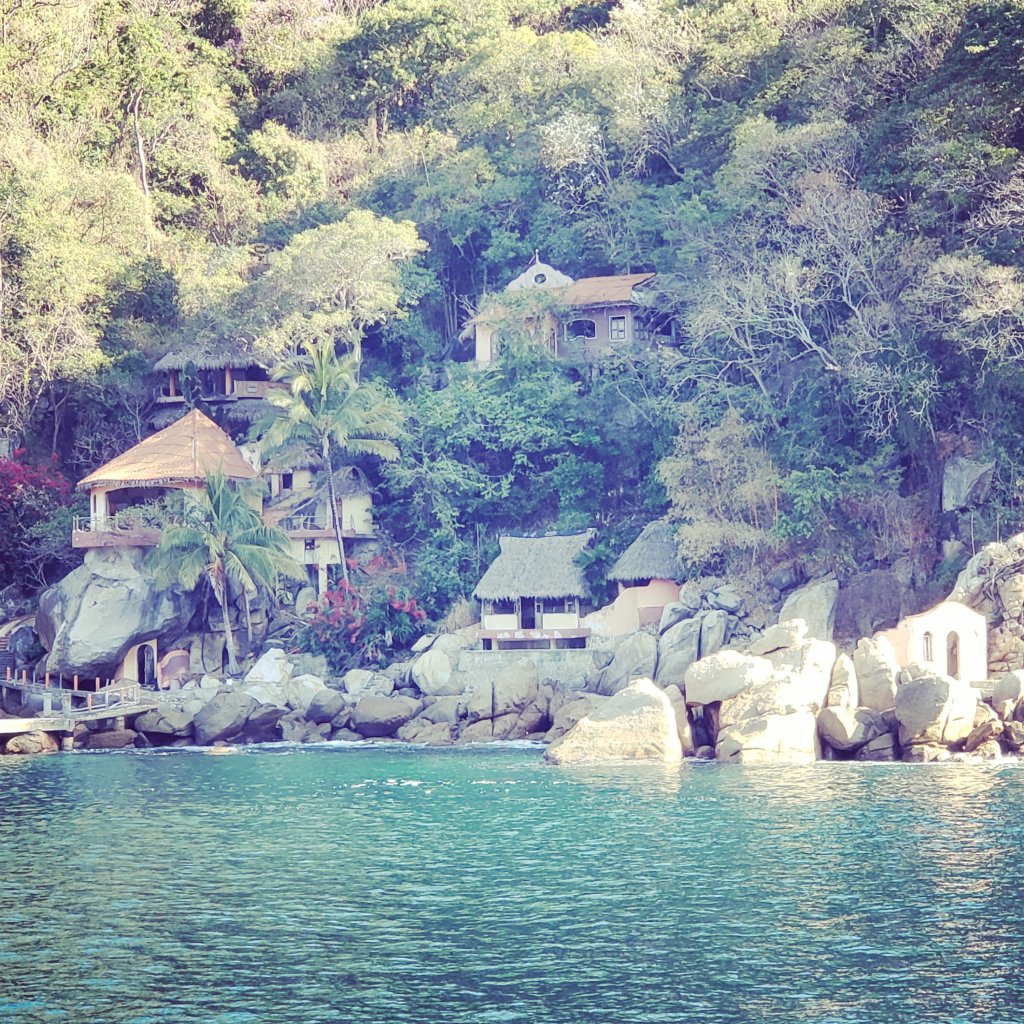
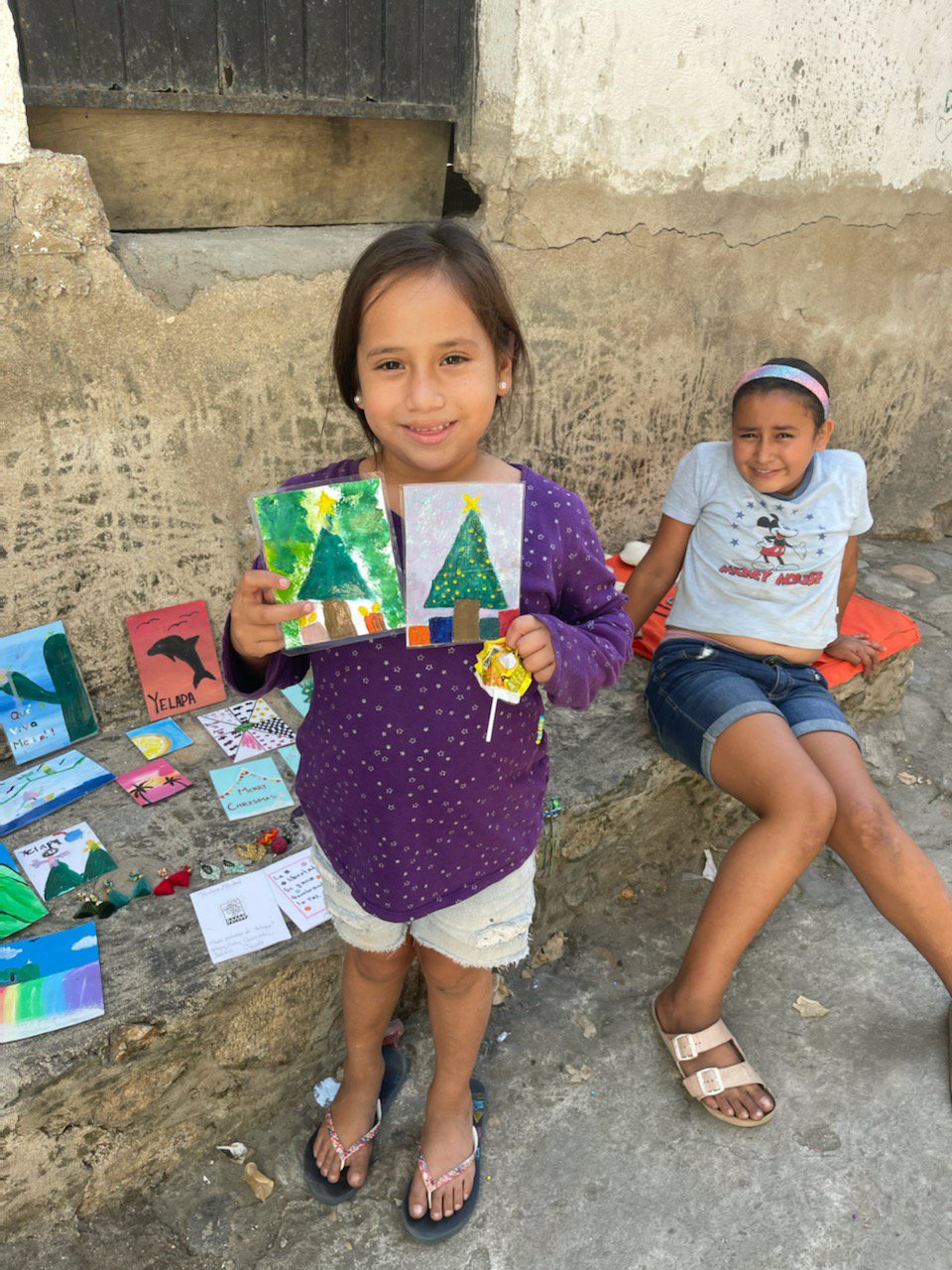
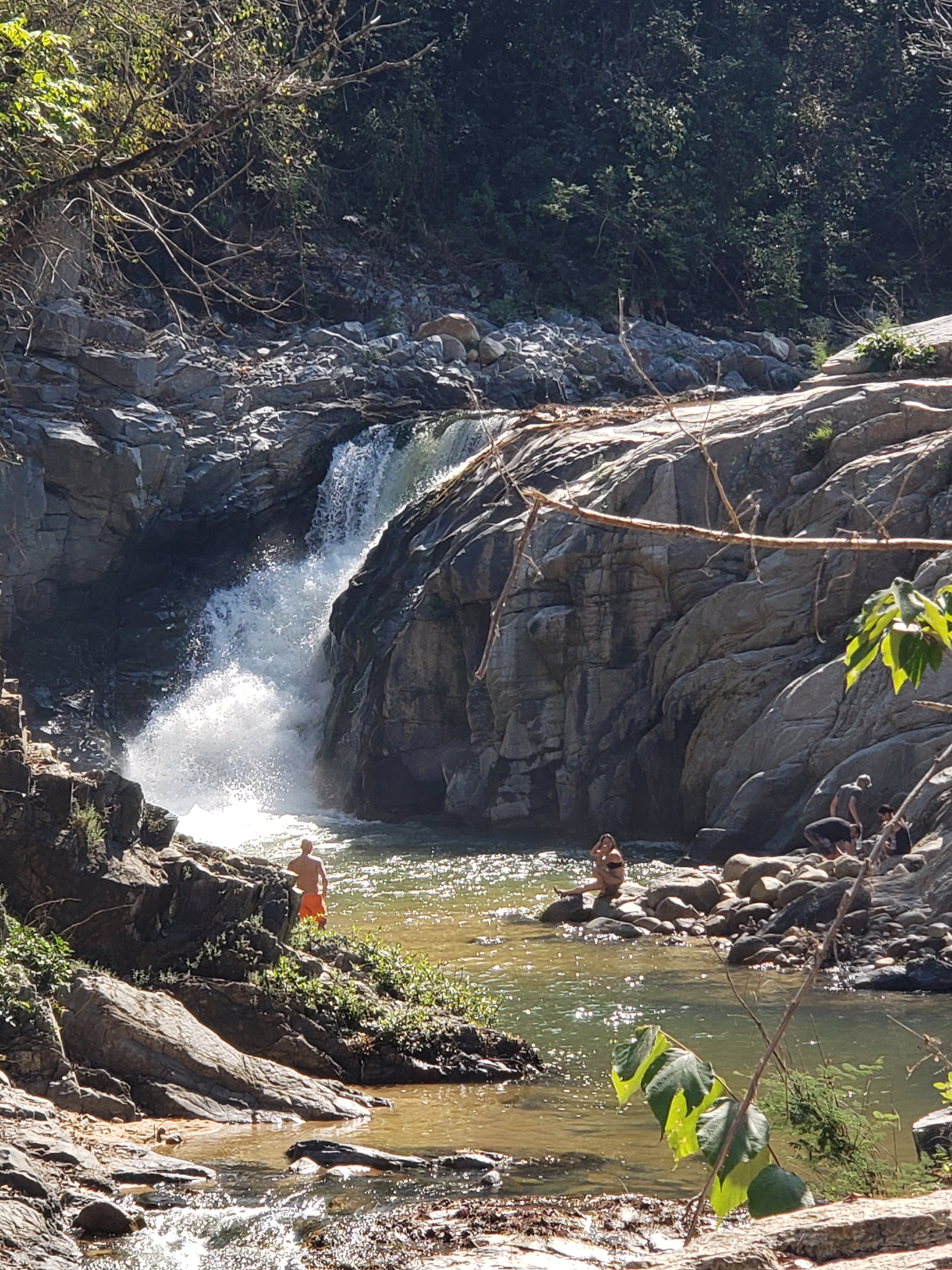
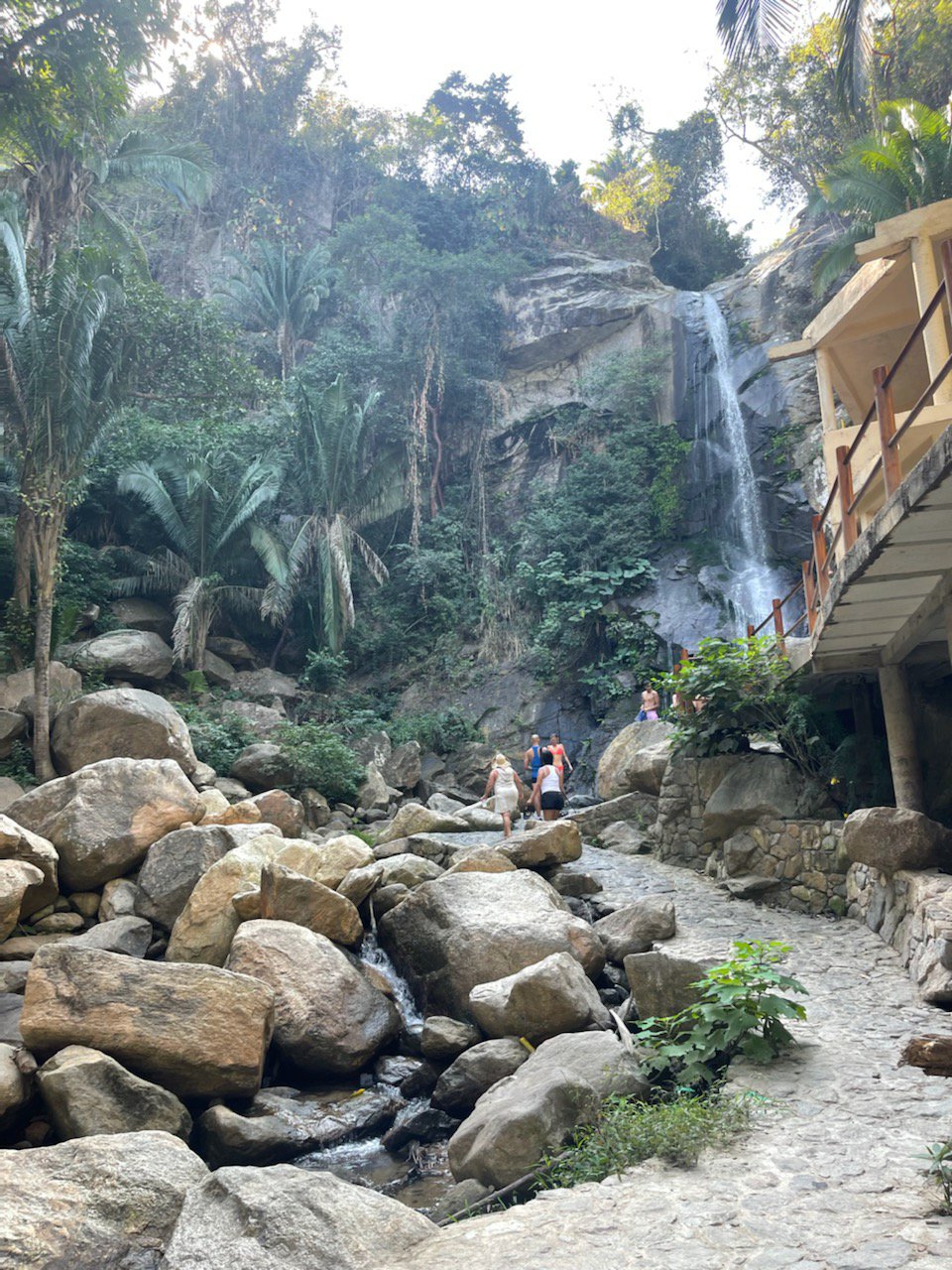
Our cruising friends all piled into a friends motor yacht and headed across the bay to the darling village of Yelapa (only obtainable by boat). The rickety homes and few restaurants all are on walking paths, since there are no cars. Two beautiful, cascading waterfalls are fun to hike up to. The indigenous people here have been here for centuries, dating back to 1581. The land is owned communally, making this little village a special treasure.
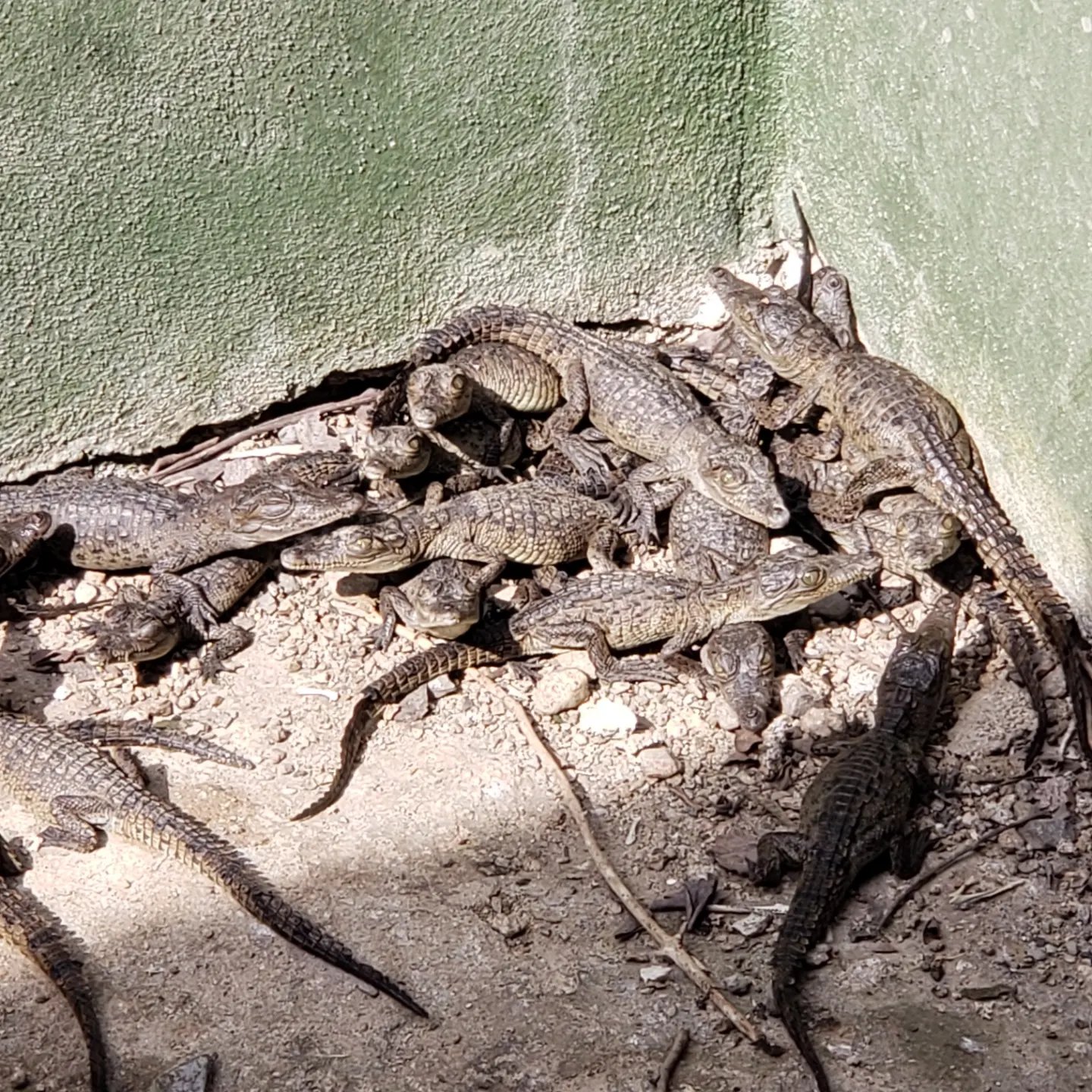
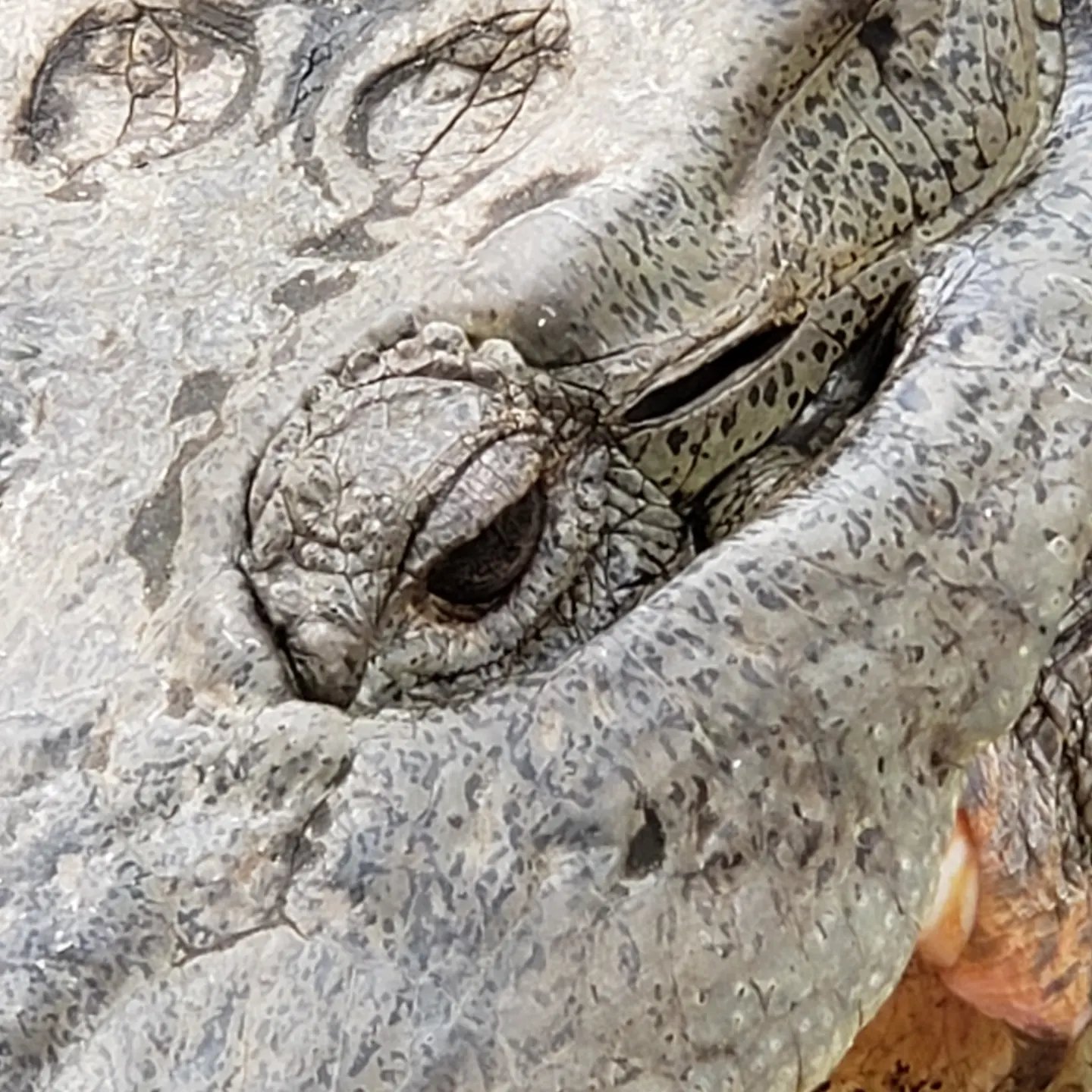
We left Barra de Navidad early December and spent a few days anchored at Bahia Tenacatita just up north a bit. Crazy jungle! A sleepy little bay with access to some awesome mangrove rivers/swamps. A group of 8 cruisers were hanging out here. After trekking through the mangroves for about 5 miles we came to another little beach where we fished with a few locals! Crocs, crabs, egrets, herons and a few fish.
We joined up with a group of cruisers, roughly 30 boats, mostly sail but some motor. ‘Panama Posse’ includes boaters who travel primarily between Florida and the Pacific North West (in either direction). These cruiser groups are an excellent resource for any sailor, newbie or veteran, traveling along this route. The Grand Resort Marina in the quaint little town of Barra de Navidad was where we congregated for helpful sailing seminars and to socialize with like minded, lively people. This town is a bit south of Puerto Vallarta and is the in the center of what cruisers call the “gold coast”.
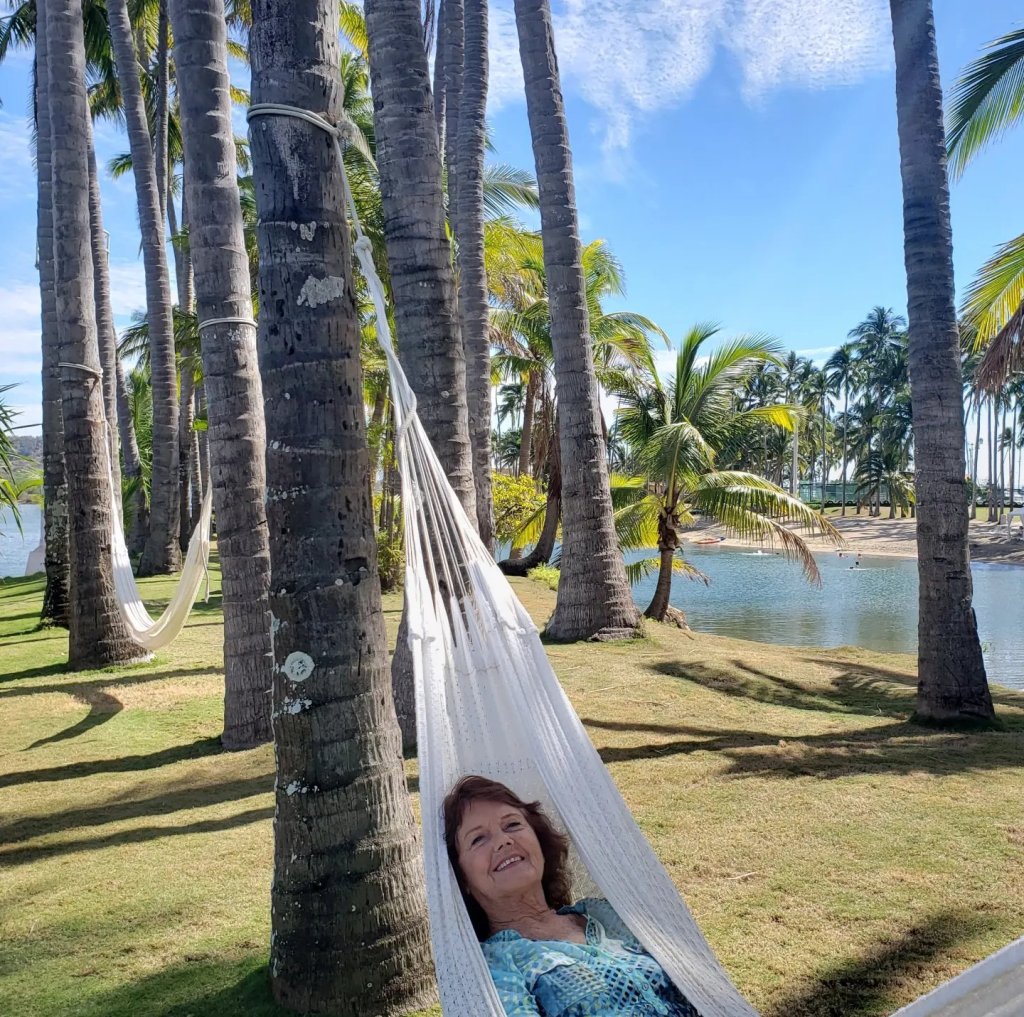
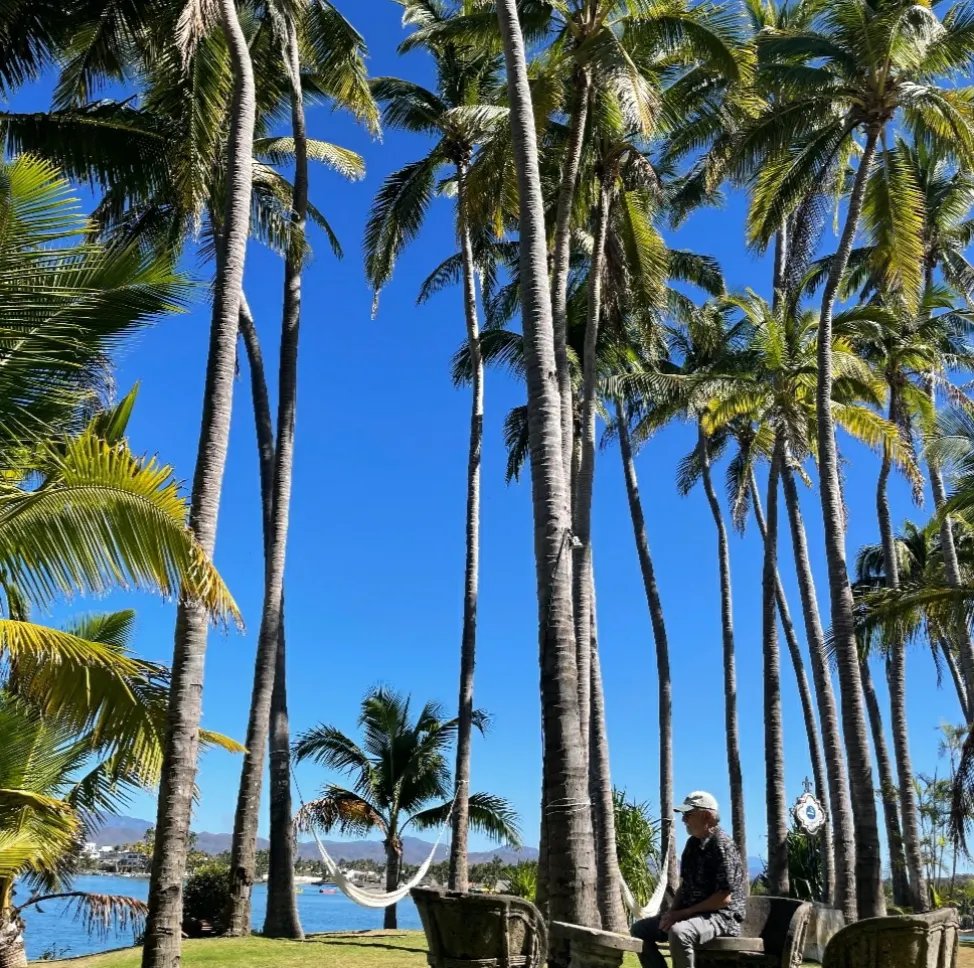
This massive resort has a very comfortable and friendly Mediterranean feel. Scott and I enjoyed the people, numerous pools, marina, close dinghy ride to town, private beaches, some surfing, live music and of course good food/drink.
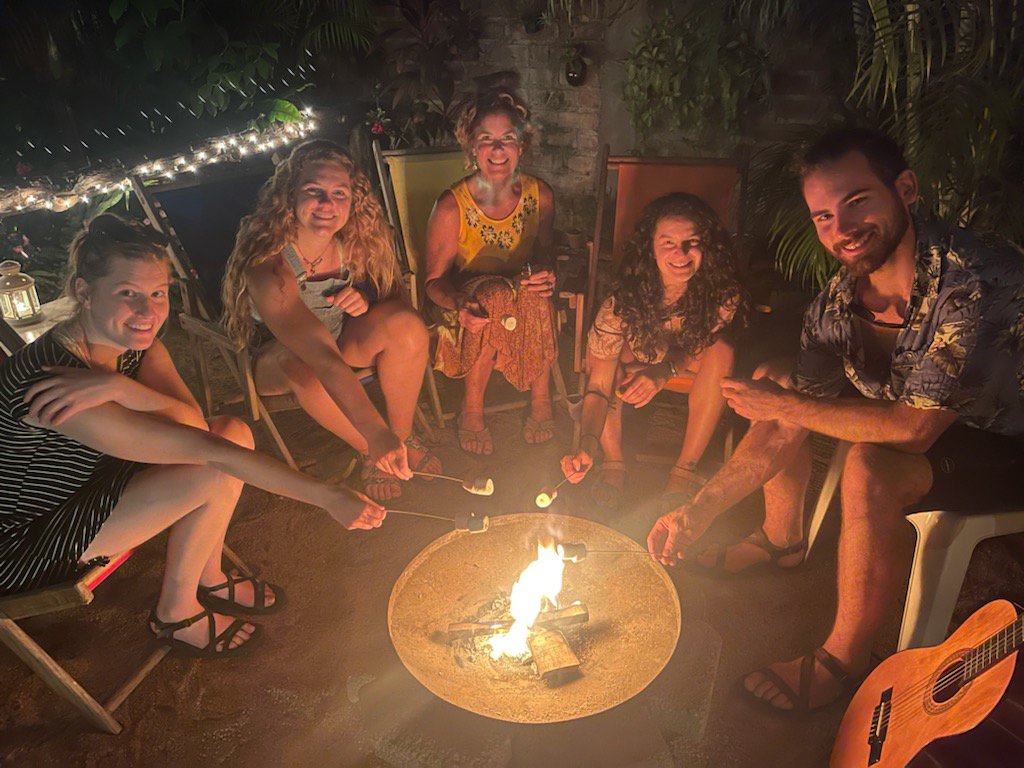
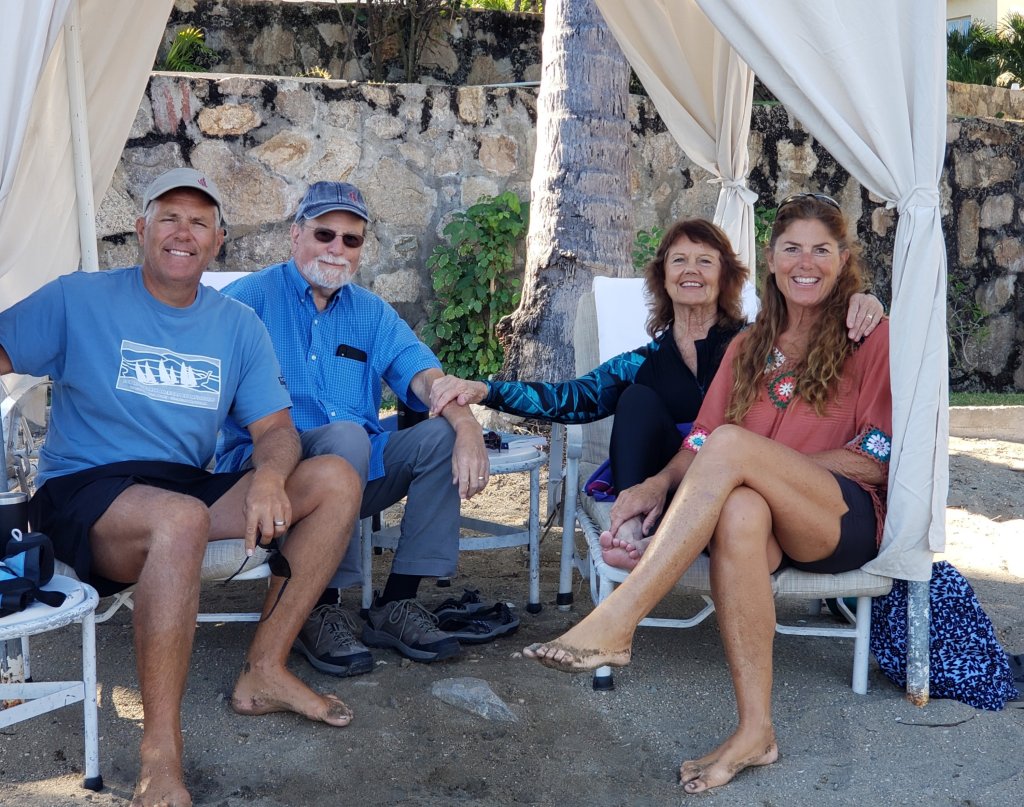
We loved it so much, we have scheduled a few more stays back this way in Jan and again in Feb. We are happy that family are joining us for a sailing and resort vacation! Derek, Hallie, Montana, Hope, Sue and Roland all get to join the beauty here!
Many of our sailor friends and family know that ropes on a boat are referred to as lines or sheets. But it can get complicated and every boat has different types, colors, and sizes of lines. Since we now often sail down wind and in light breeze, we have the need for additional lines. After leaving the rugged and windy California coast in August 2021, and since we have been offshore and night sailing, we added a few important lines. I will attempt to identify them here by color and location (see picture above). Beginning on the port (left side of a boat) our yellow strap is referred to as a ‘jack line’. It is the line to clip your safety harness to, in dark or poor conditions. Next is our royal blue ‘Staysail sheet’ which pulls the sail out. Our newest line is our whisker pole ‘guy’, which is on the far left, on the outside of our boats’ lifeline wires. This ‘guy’ can be pulled in or let out which alters the poles’ location so slightly. Next, is the heavy white line, our ‘Genoa/jib sheet’ running nearly horizontally in the above photo (since our whisker pole is in use). On the port side, we run our 2 roller furling lines, one to the Genoa and one to our Staysail. One is blue dotted and the other is yellow dotted. Pulling these lines will furl or roll up the sails. To the Starboard, which is the right side of a boat, is our heavy blue preventer line. It clips on to the end of our boom (see below pic) to hold the mainsail as far out as possible, creating the fullest sail for downwind. As with most lines, they run back to the cockpit, for ease and safety. These pictures are taken while we are going ‘wing and wing’ which means one sail is to starboard and one sail is to port. Another line you see is the white line laying messily piled on the foredeck. We left at midnight, so I guess I was too sleepy to tidy it!This is a ‘snubber’ which is attached to the anchor chain when we are anchored. (It prevents tugging on the anchor chain all night). If you look close you will see the last line in the picture, it is dynema and it’s clipped to secure the anchor, as a safety back up. Below is a shot of the lines attached to the boom, in addition to the boom brake and the boom vang.
You can see below that our 24 foot whisker pole holds our Genoa out, since light wind and rolley swell will cause a sail to flog or flap in the wind, which can slow a boat down and be uncomfortable. The large white line is the jib sheet. The line on the right is the ‘guy’, discussed above. The topping lift is a line which holds the pole up horizontally. Lastly, the line under the pole is to extend it or shorten, if needed.
If this wasn’t confusing enough, stay tuned next time for the information for the below photo (mast lines)!