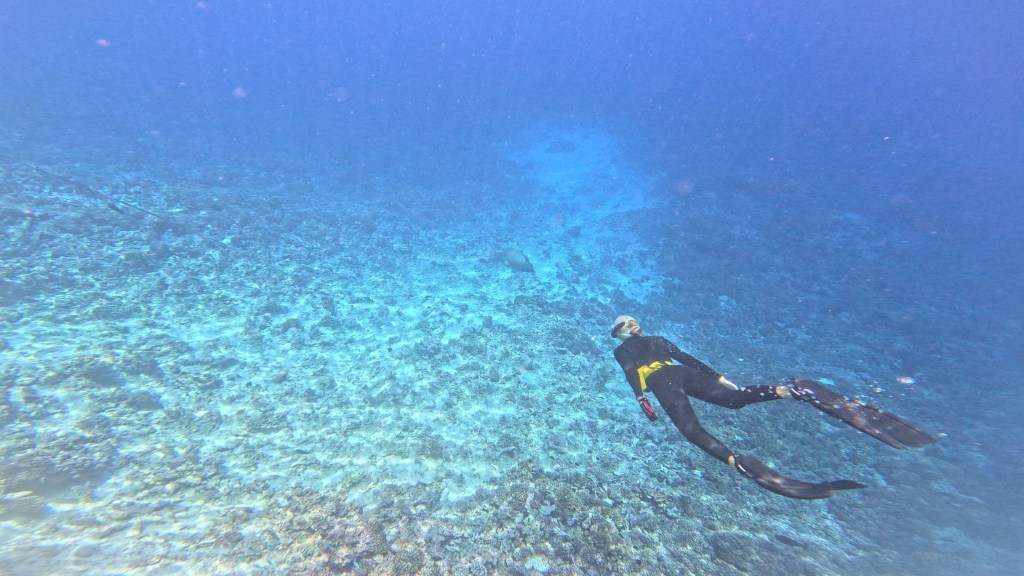
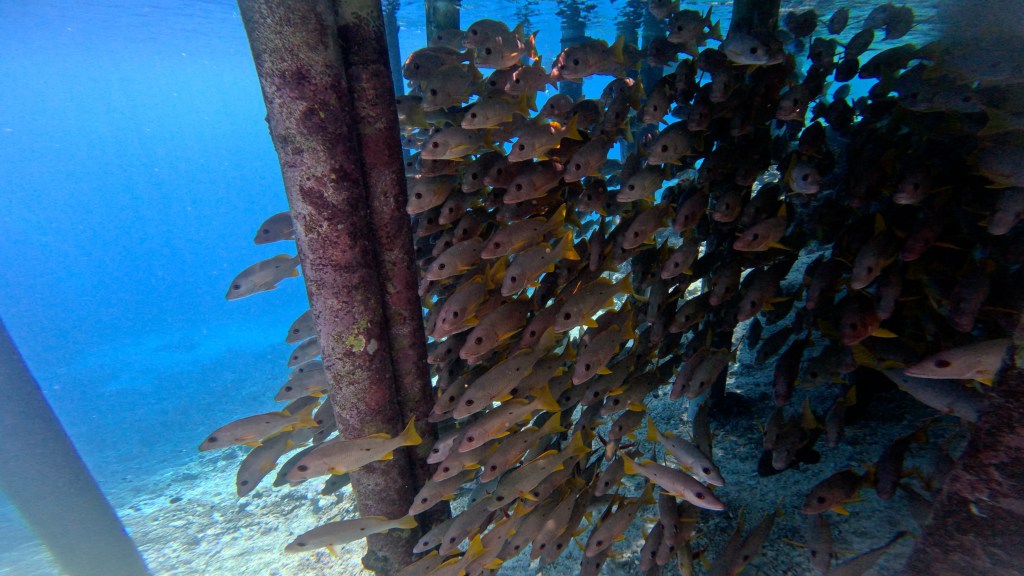
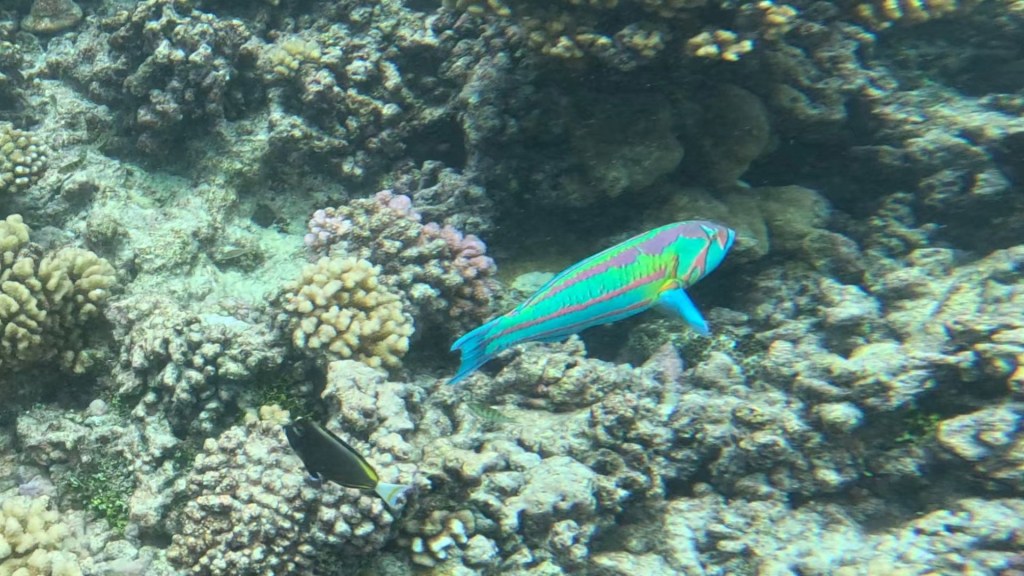
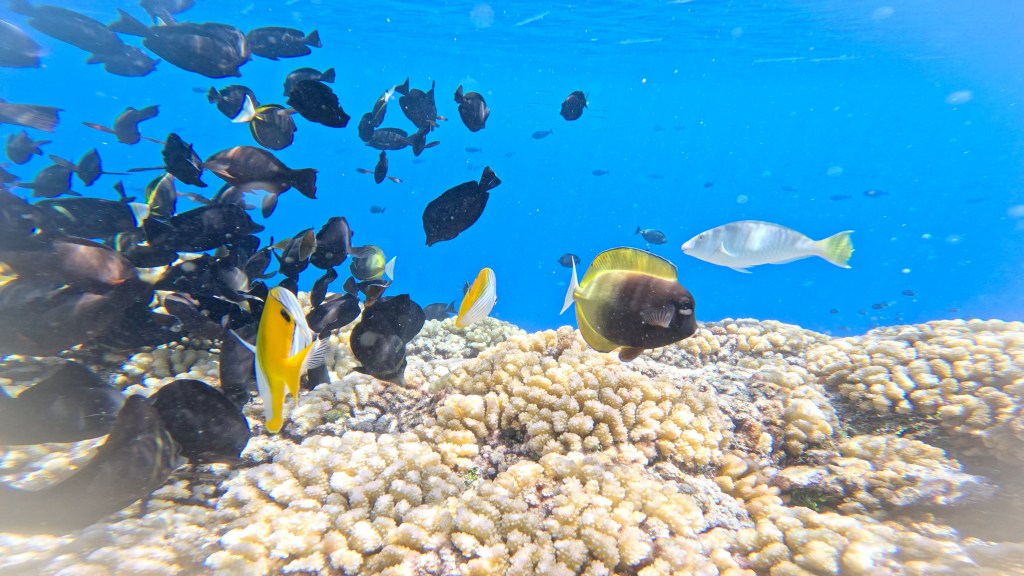
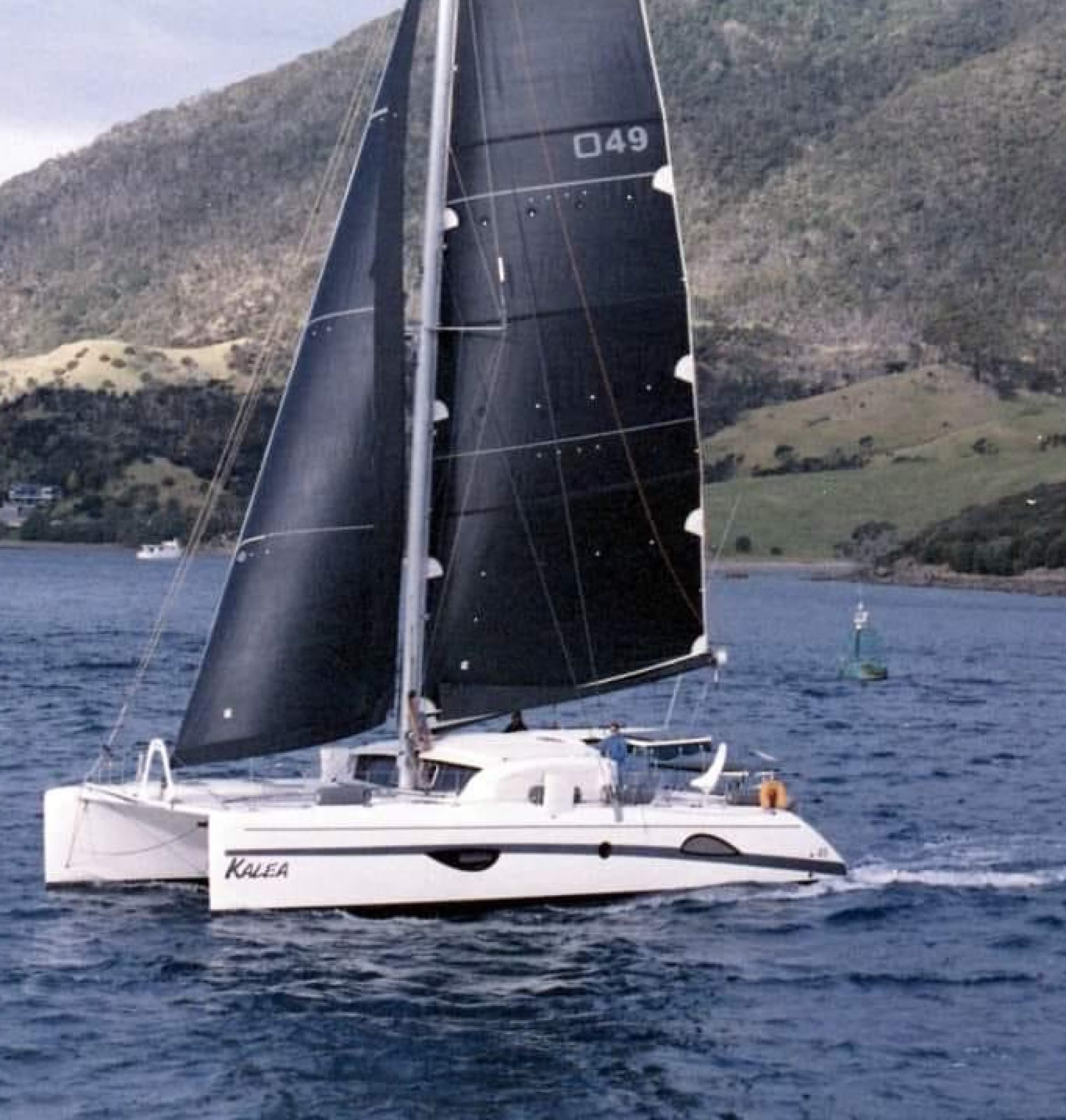
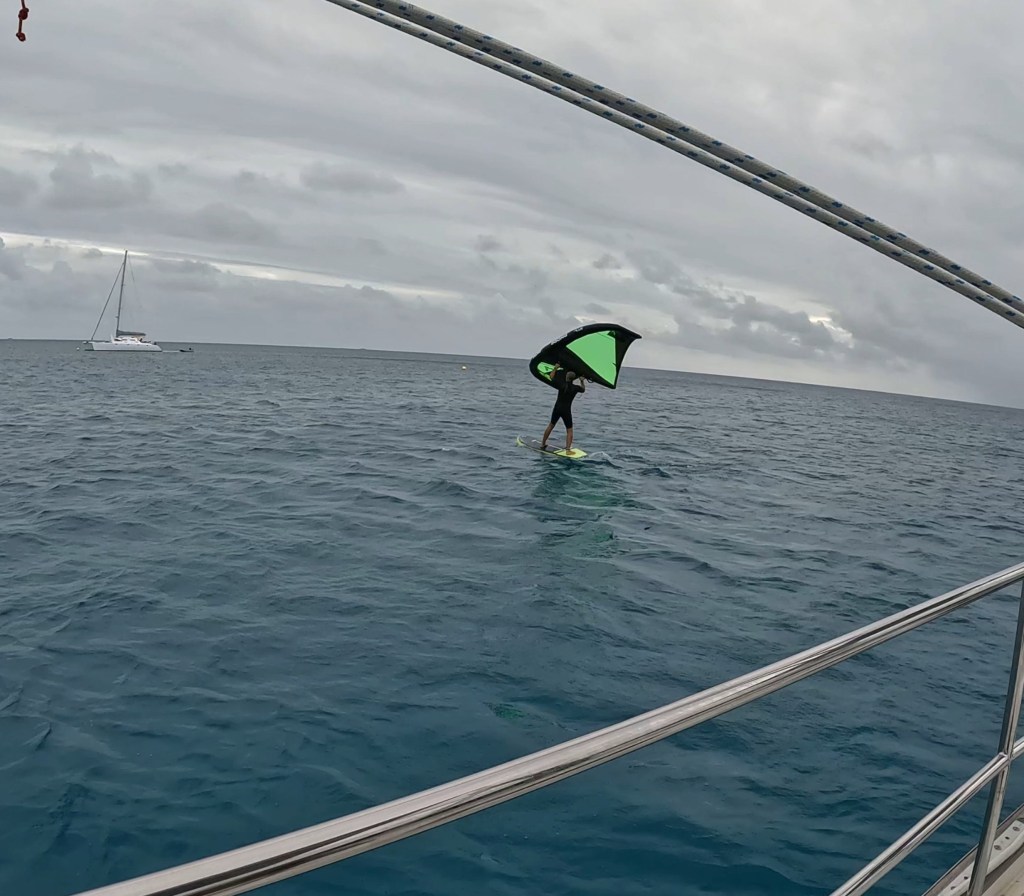
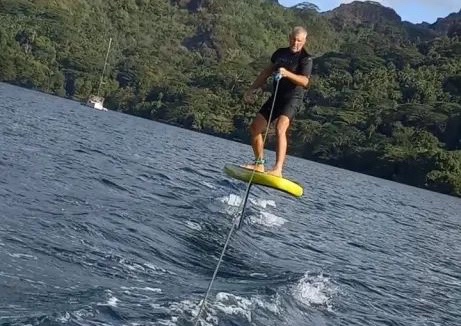
We had a good time in the atoll Toau. Pretty island, but it wasn’t too sunny. Plenty of wind for our new sport of wing foiling. It seems a bit safer than kite boarding, but tricky to learn.
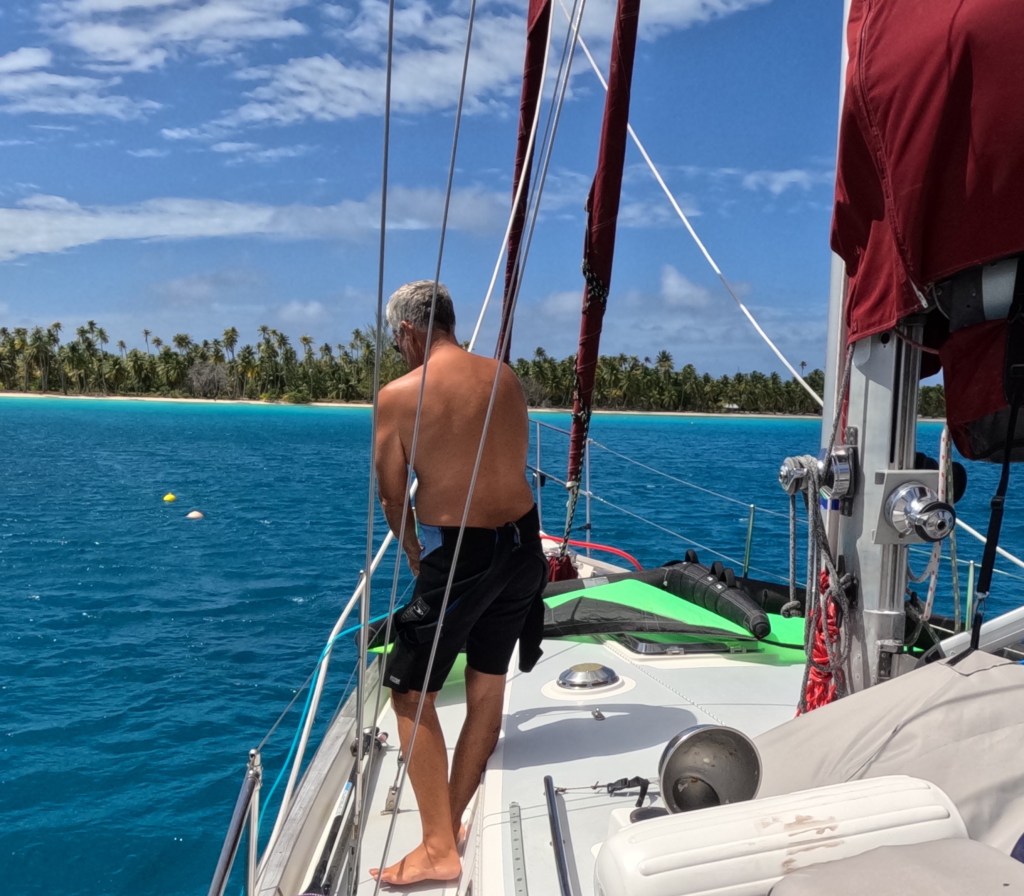
We also invited a sweet local copra farmer out to the boat for crab and pasta dinner. He is 30 yrs old, lives alone and beach walks with his dogs a few miles to the neighbors hut up the way. Marten’ also often goes out lobstering at night which is still on our ‘to do’ list. I her it’s tricky on the outer reef with sharp coral. He said he would carry the lobsters back in his backpack.
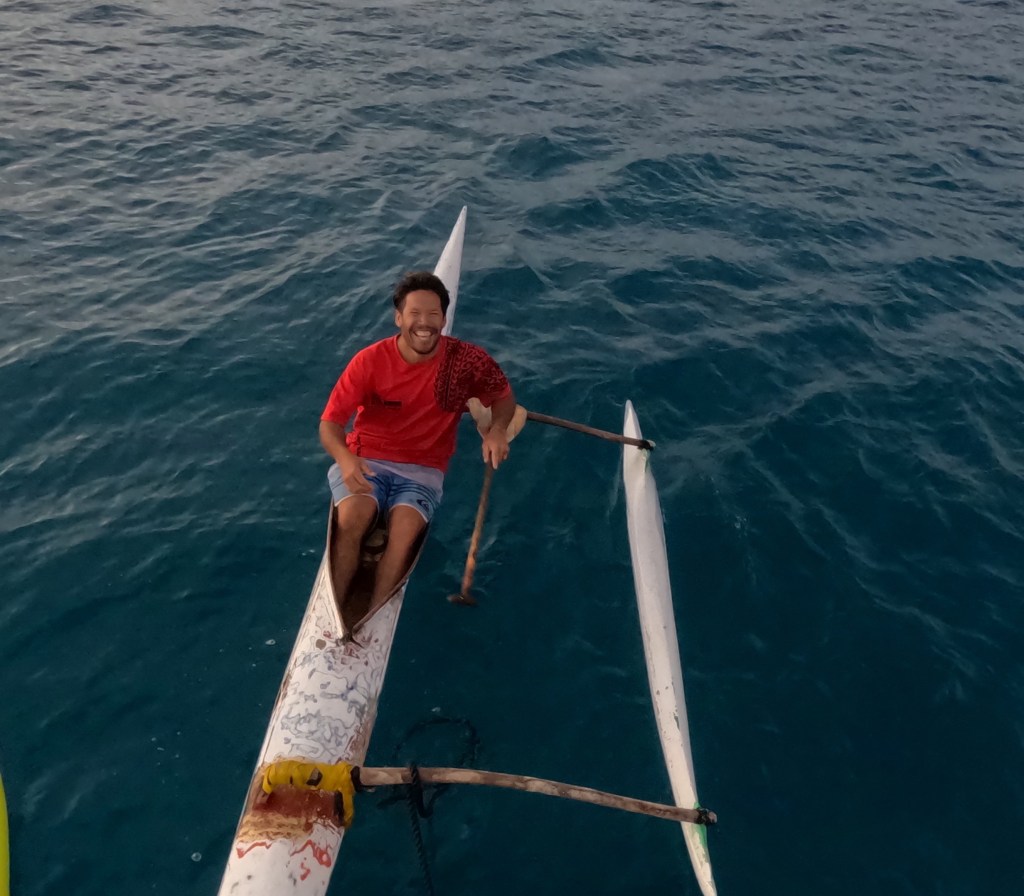
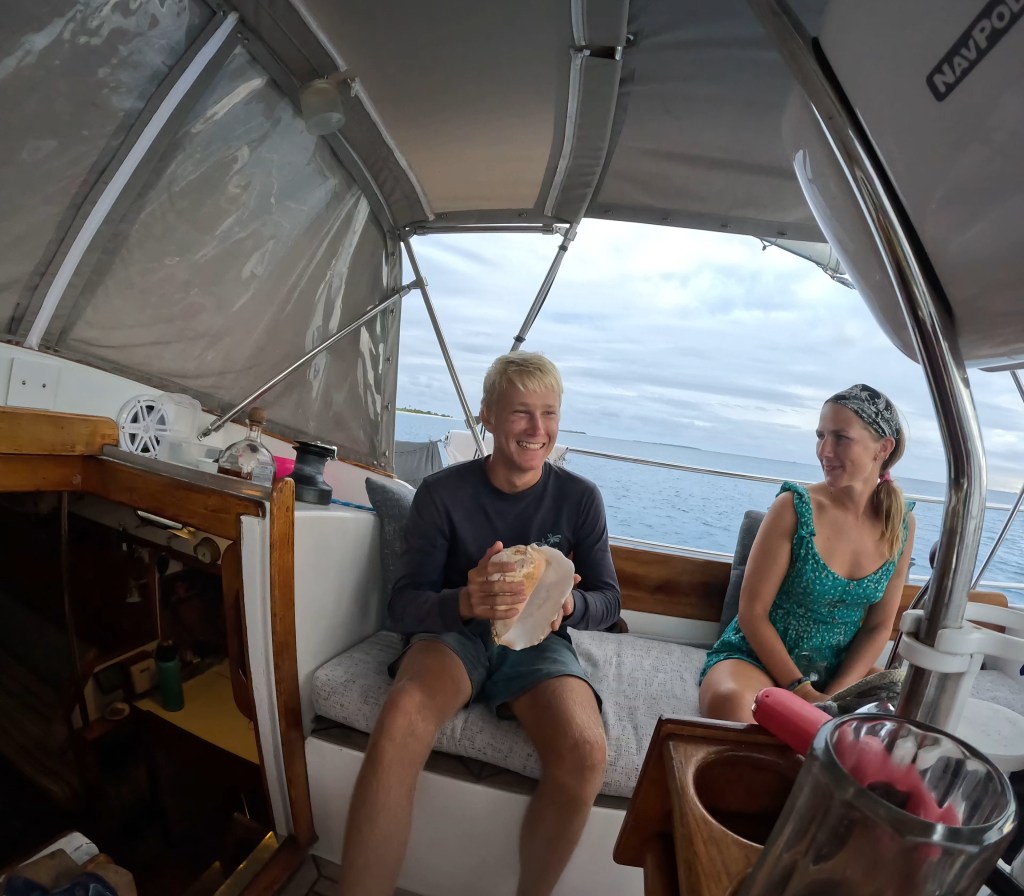
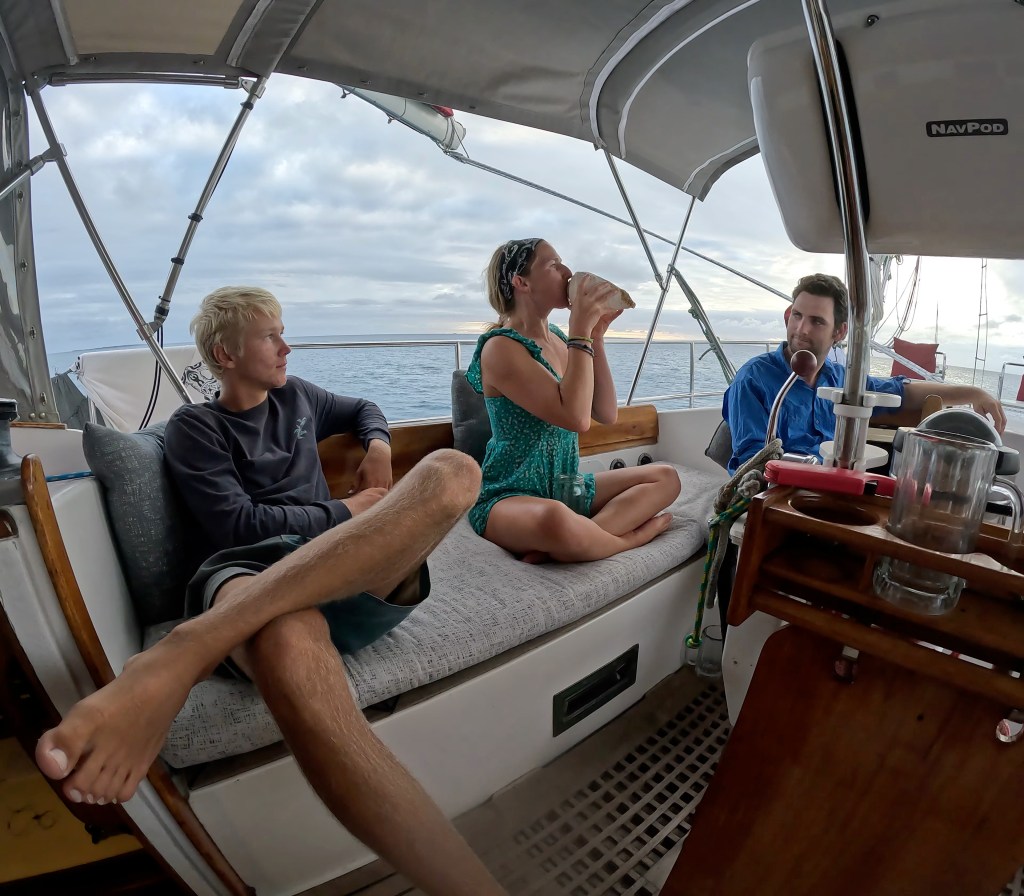
It was also very cool to meet young sailors on SVGenesis and Garrett on SVHulligan both sailing here from Hawaii. We had them over for sunset conch blowing and spaghetti dinner. We always like to share our Mexican cruising traditions.
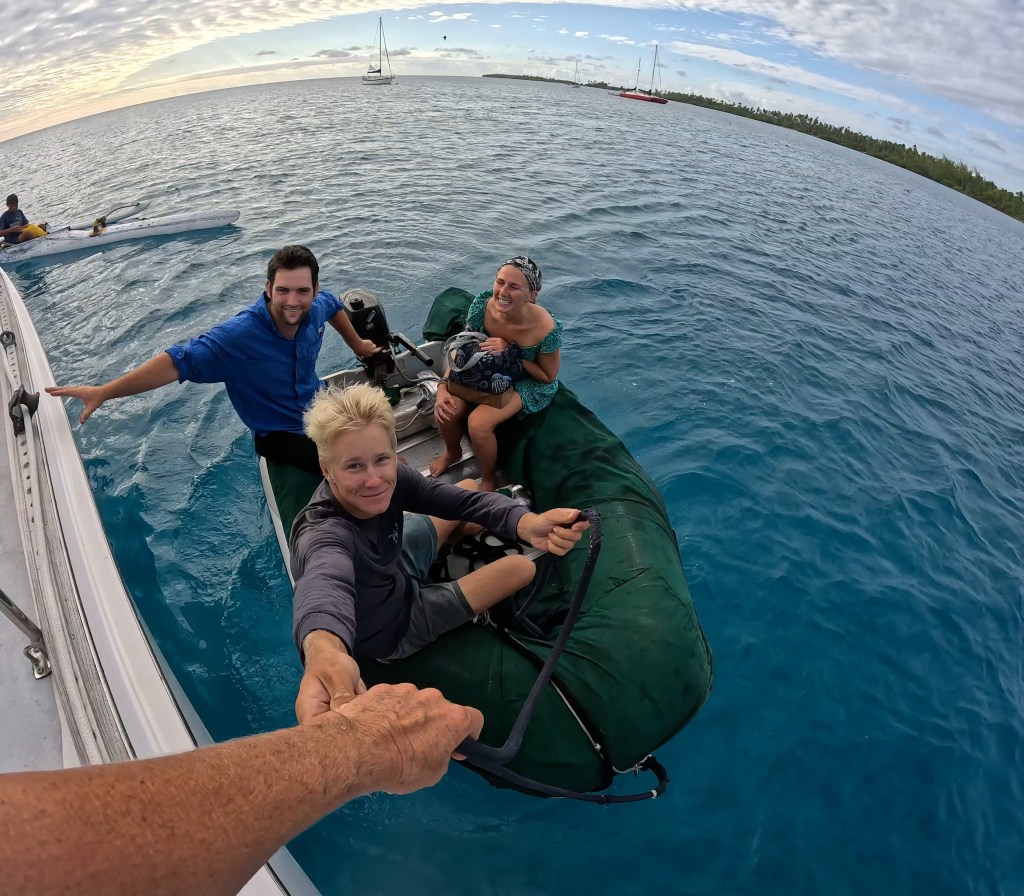
Garrett is 19 years old. He recently sailed solo 30 days/2300 miles from Hawaii to Tahiti on a 27’ boat. At 16 he had saved enough money to buy his boat and then spent 18 months getting the boat ready to sail. After learning how to sail it around the Hawaiian islands he made the “big jump”. His last 3 videos have had quite a few views (1.9 mil) and now he enjoying French Polynesia on a few YouTube dimes. We hope to see him often as we have a similar plan to sail west in the next year.
No goal is too big!
Here is link to one one of his videos below. A bit raw and unproduced compared to many YouTube publications but he’s keeping it real.
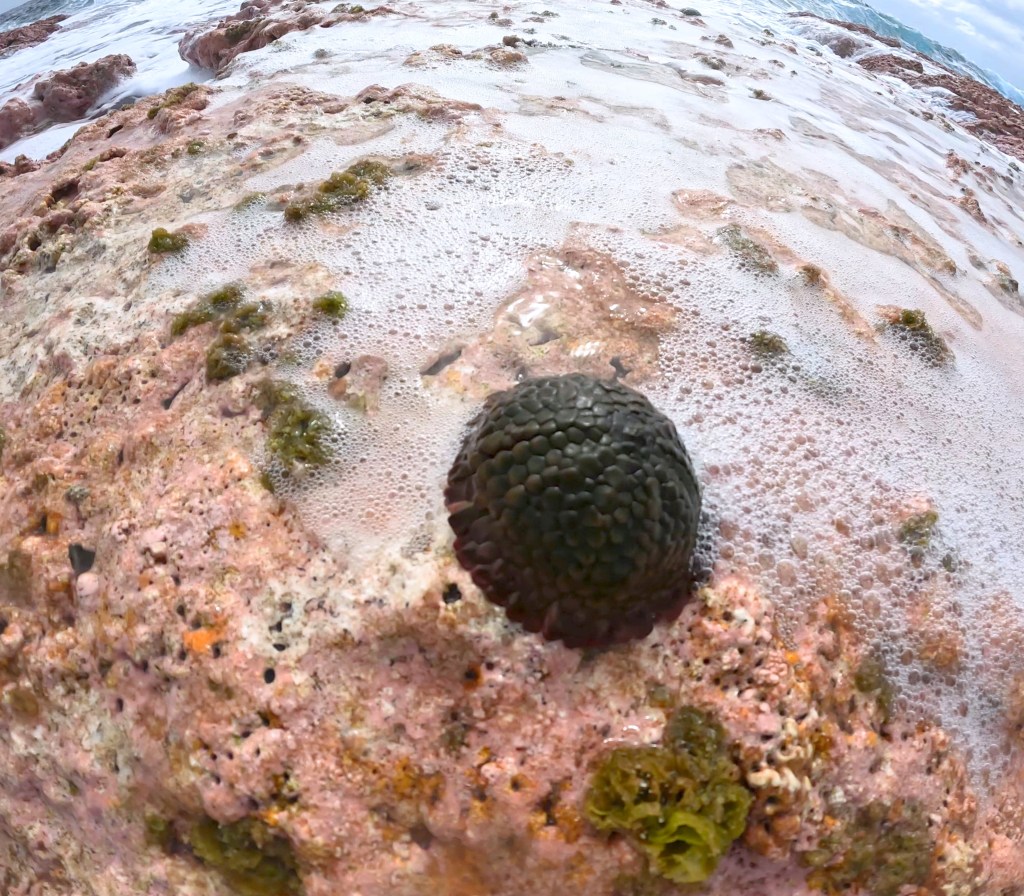
And, of course, we took many beach walks, it’s always fun to try to identify the strange new creatures. The black worm looking things are actually sea cucumbers. The second photo is yet to be determined. Both were found in the coral tide pools on the outer reef. Kathy’s favorite shelling place.
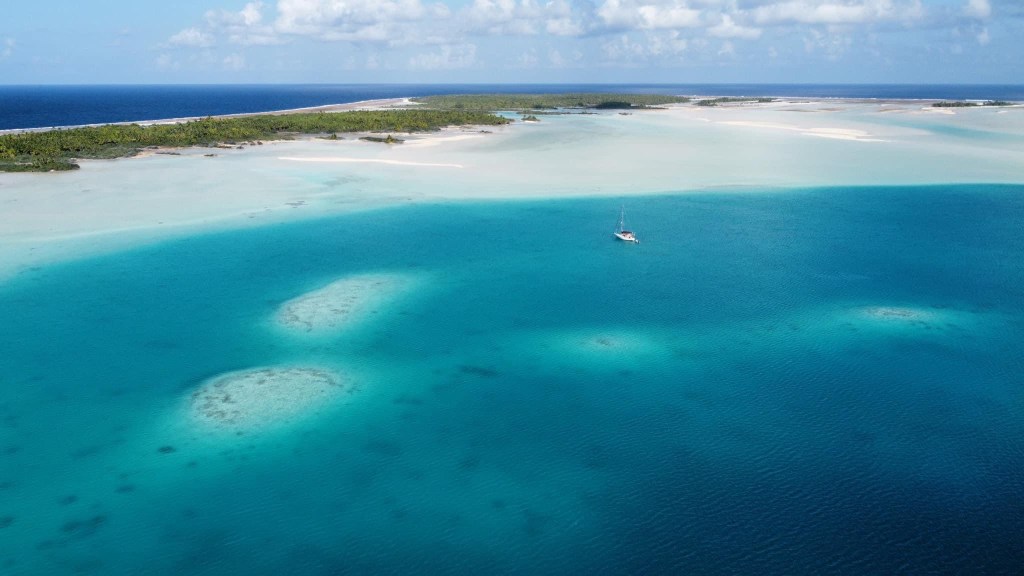
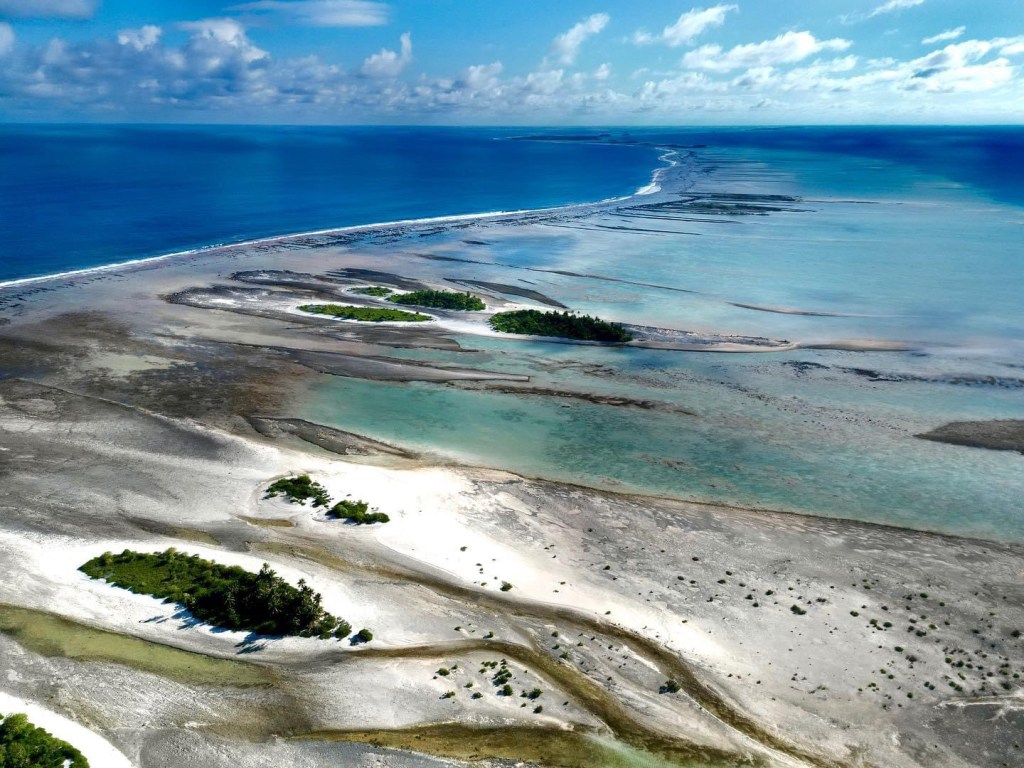
Navigation at its most extreme in these parts. There are no paper charts, no depth soundings and no navigational marks in sailing apps such as Navionics. In and aound all these atolls, you can see coral heads or “bommies” as they are called out here in Polynesian waters. You can clearly see the coral heads all about.
In and aound all these atolls and anchorages you can see coral heads or “bommies” as they are called here in Polynesian. A respectable and necessary practice here is to float your anchor chain, floating above these bommies, with 4-5 floats. Also important, most cruisers download files called OpenCPN for the coral heads and a crew is always on lookout (best if it is sunny and daytime). Satélite imagery is the key to sailing in the Tuomotus Atolls, since it’s some of the most remote place in the world. Cruisers rarely, if ever, traveled these atolls until recent years when satélite imagery was married to GPS positioning.
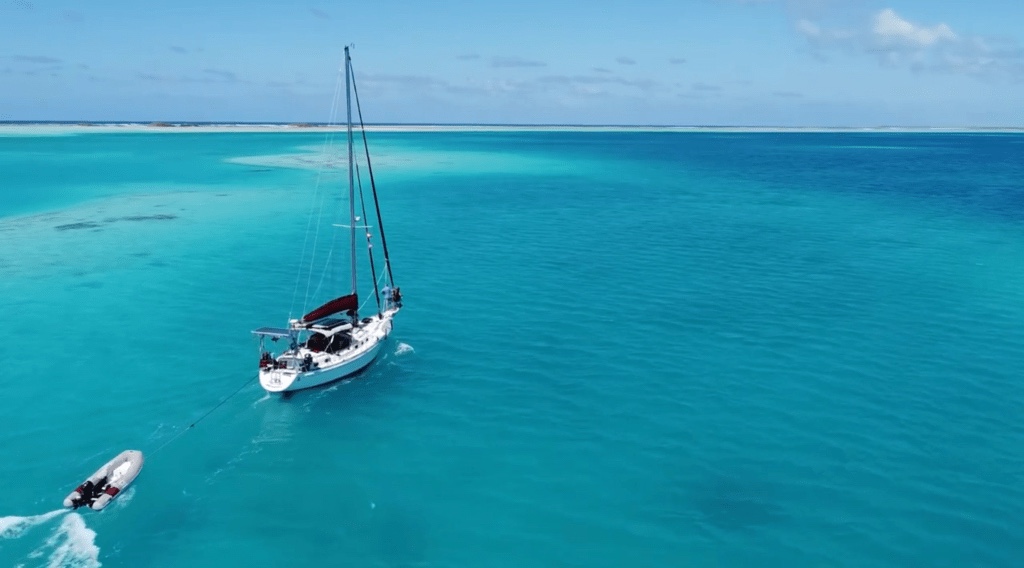
We use downloaded files called OpenCPN and of course our eyes. Satélite imagery is the key to sailing in some of the most remote places in the world. This location was inside the east side of Rangiroa, French Polynesia. Cruisers rarely, if ever, traveled these atolls until satélite imagery was married to GPS positioning.
We travel areas like this only when the sun is at its highest so we can see the coral heads and white reefs. If it’s an overcast day, it’s a no go. Thank you friends on Fundango for the drone shots. Sea Bella will be getting her own drone later this year.
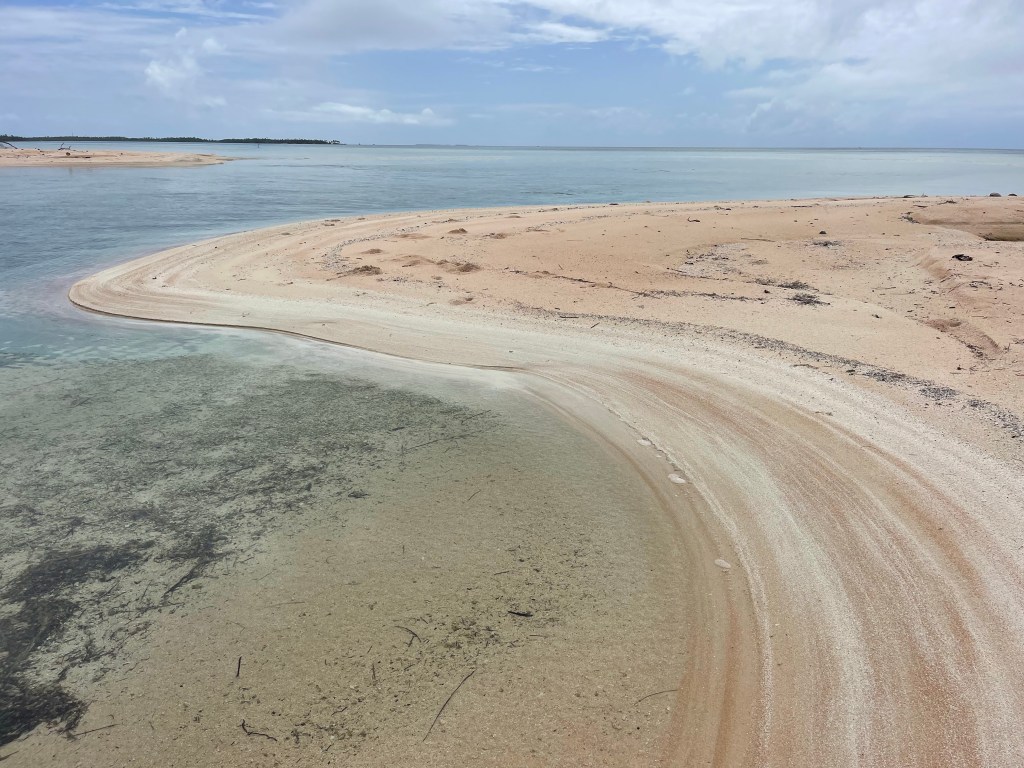
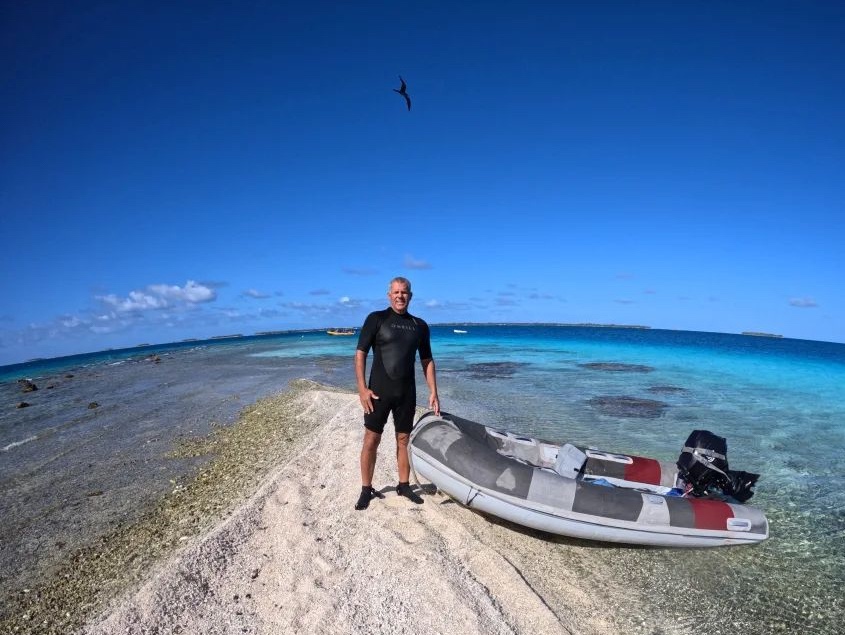
When we go exploring about in the dingy, we both are on a keen look out for these bommies, but also for the shallow waters and sand bars that are in front of the Motu inner islands. The outboard motor can be lifter into 3 different positions, when at its highest working position we draw about a foot. This is when one of us gets out to walk ashore.
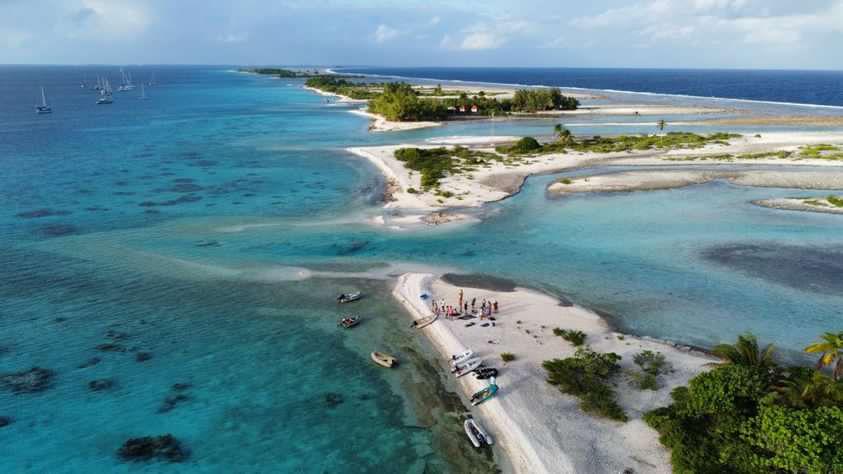
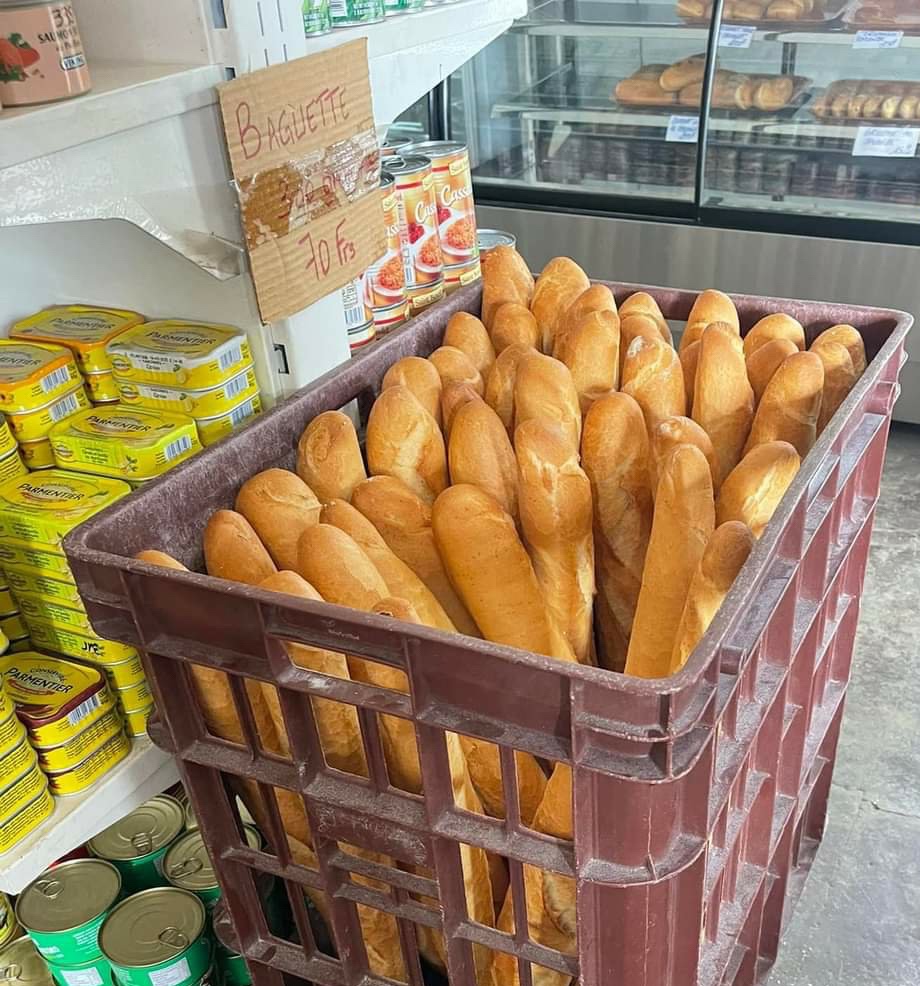
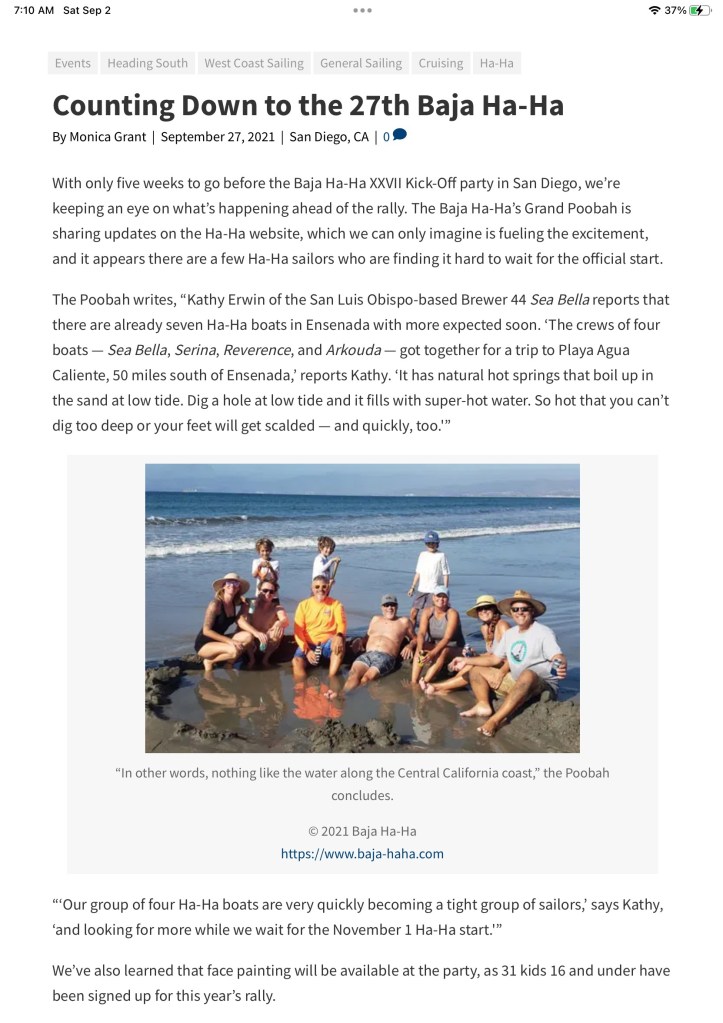
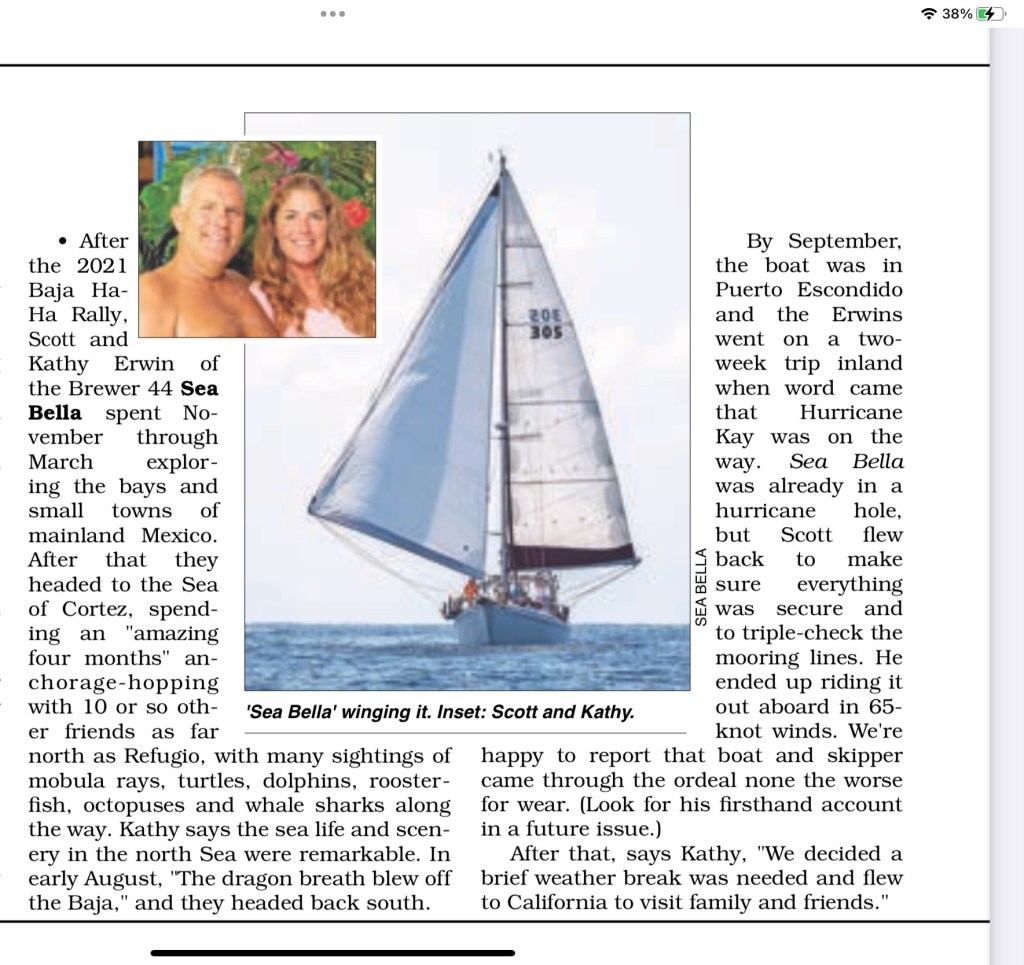
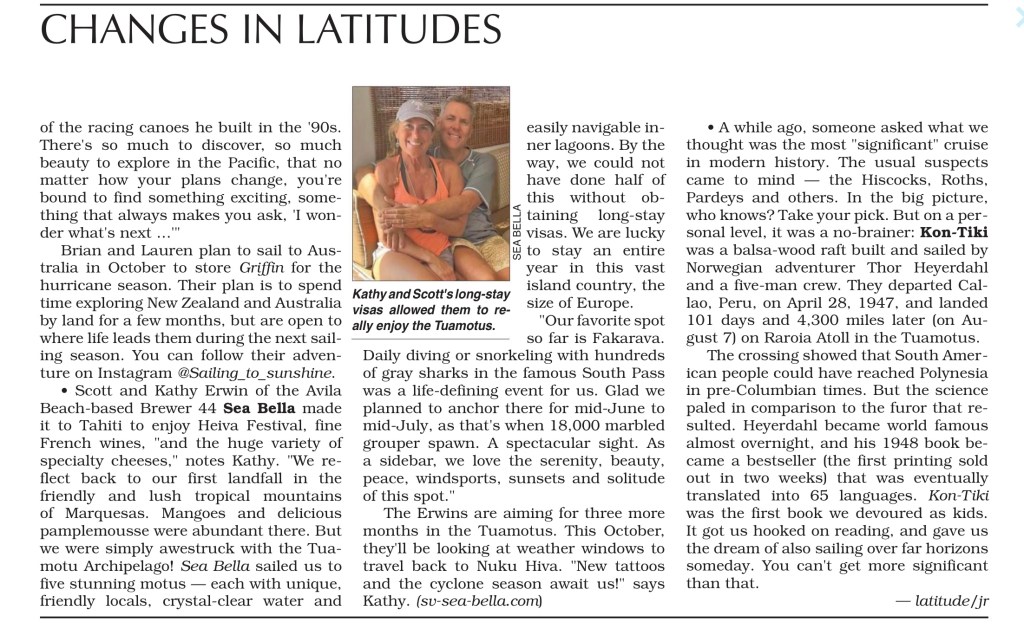
Sailing the French Polynesian waters of the Tuomotu Archepeligo is an amazing experience. Scott and I have spent most of the 6 month sailing season in and around about 8 Atolls. If you glance at a map, you will see these islands are all similar and mostly aligned with the SE trade winds, which makes for excellent travel in this direction. Our experienced was fabulous; the beauty of the pink sand beaches, reefs, sunsets, and sealife are remarkable. Most Atolls in the Tuomotus are very remote and only have a very small village with maybe a market or two. Shipments of foods and drinks come every week or two from Tahiti. Buying the French baguette or croissant is the excitement of the morning and a cruiser is lucky to find a few fresh vegetables or fruit. The people here are very friendly and helpful. It’s really a happy place. Although again, it’s very unusual to find fresh produce, so stocking up with canned or frozen is important.
A very typical cruiser schedule in the Tuomotus is ‘early to bed early to rise’ as is with most remote cruising experiences. Mornings are usually lazily spent reading or on Starlink, researching the area, conditions, resources, or making a family call or one to a mechanic, but hopefully not. After the DIY boat projects and repairs are done, most sweaty sailors are ready to snorkel a reef, have fun with water sports, or explore the Motu, see below photograph. Most anchorages in the Tuomotus Archipelago are extremely remote, with out a village or house for 10 miles. And as for a marine services, there is only one area and that is in Tahiti 300-600 miles away. So, cruisers rely on each other. Most people want a sense of community, support, and friendship. It’s typical that cruisers end most days with a social time (boaters are from all around the world out here, so multi languages is common in the anchorages) people are ready to gather up for social hour, usually at a close beach, to meet new friends, share stories, drinks and snacks, discuss weather, sailing, projects, local news, travel ideas, and maybe play some games. These months in the Tuomotus I learned that every day is kind of the same, but by far, the people and beautiful places make it a unique cruising ground.
We had terrific sailing experience inside the largest and longest (50 miles) atoll of French Polynesia: Rangiroa. It has 415 sandbars and motus, which are mini islands. One highlight was hanging out in the inside South corner. Motu Faama is quite far from the village and extremely remote. Our good friends from Mexico; Joanne and Scott on SVFundango, took this fun drone vid when we dinghied to the outer reef.
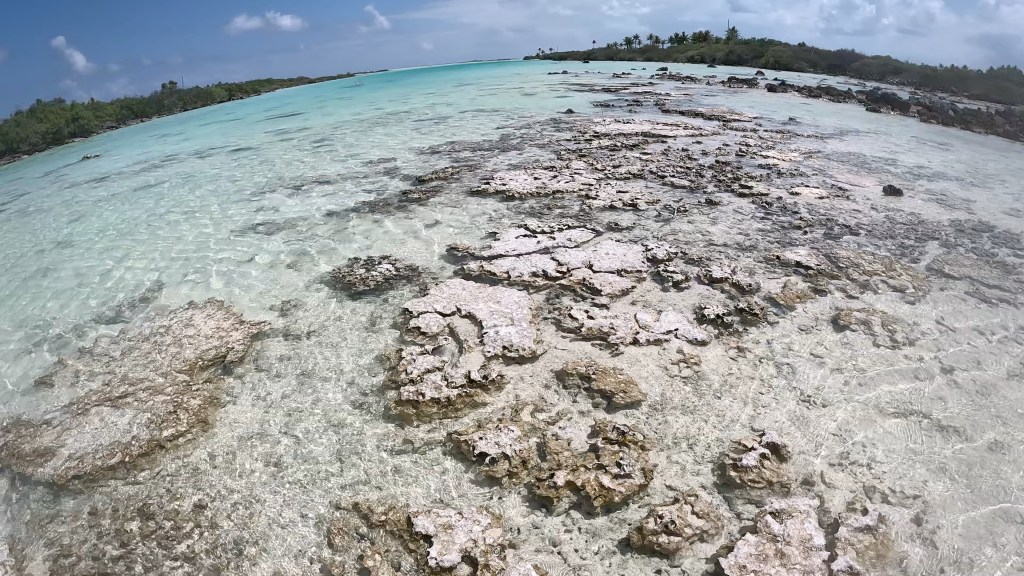
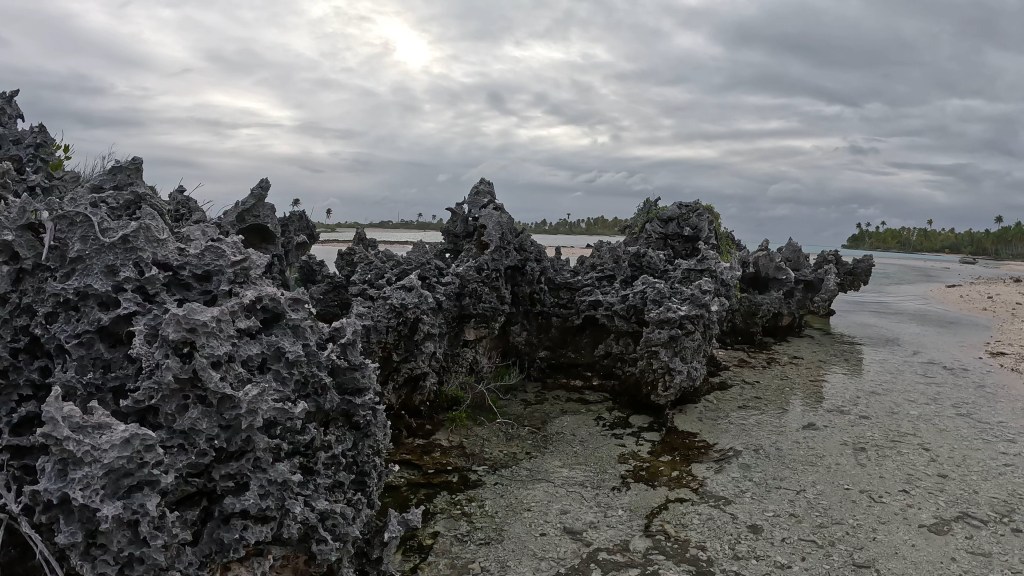
These above ground coral heads are thousands of years old, were once flourishing just underwater then were pushed up 10 or so feet. This atoll like all the tuomotus were formed from volcanoes 50 million years ago. Once exposed to the elements (heat, constant trade winds, cyclones and pounding surf) the outer coral reef left these strangely jagged natural wonders!! Kind of cool!


Now we are off, sailing 120 miles SE to the next atoll, Toau.
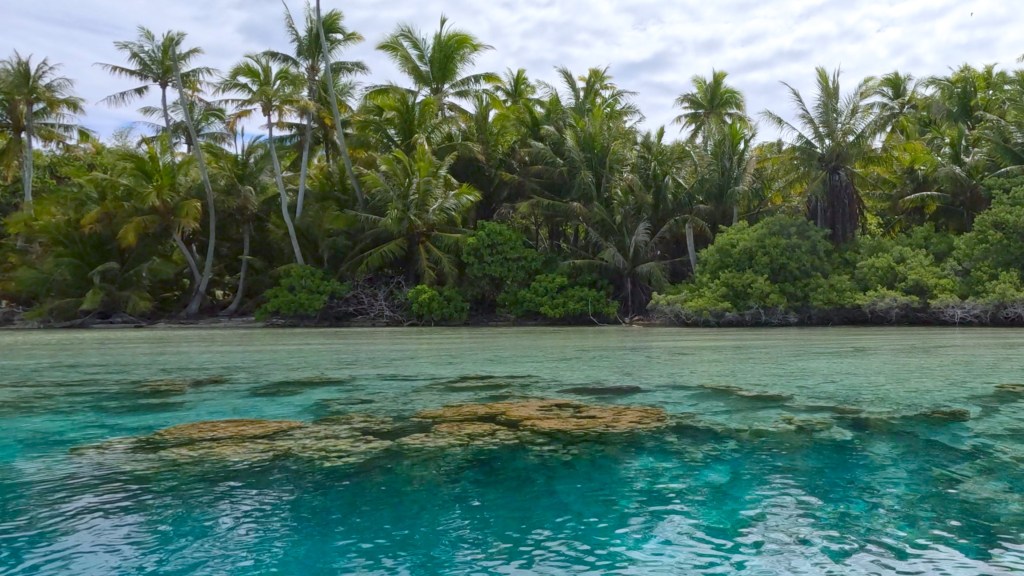
The sandy beaches and small islands near the blue lagoon are so addictive. If the weather is right, you could hang out here for a few weeks.
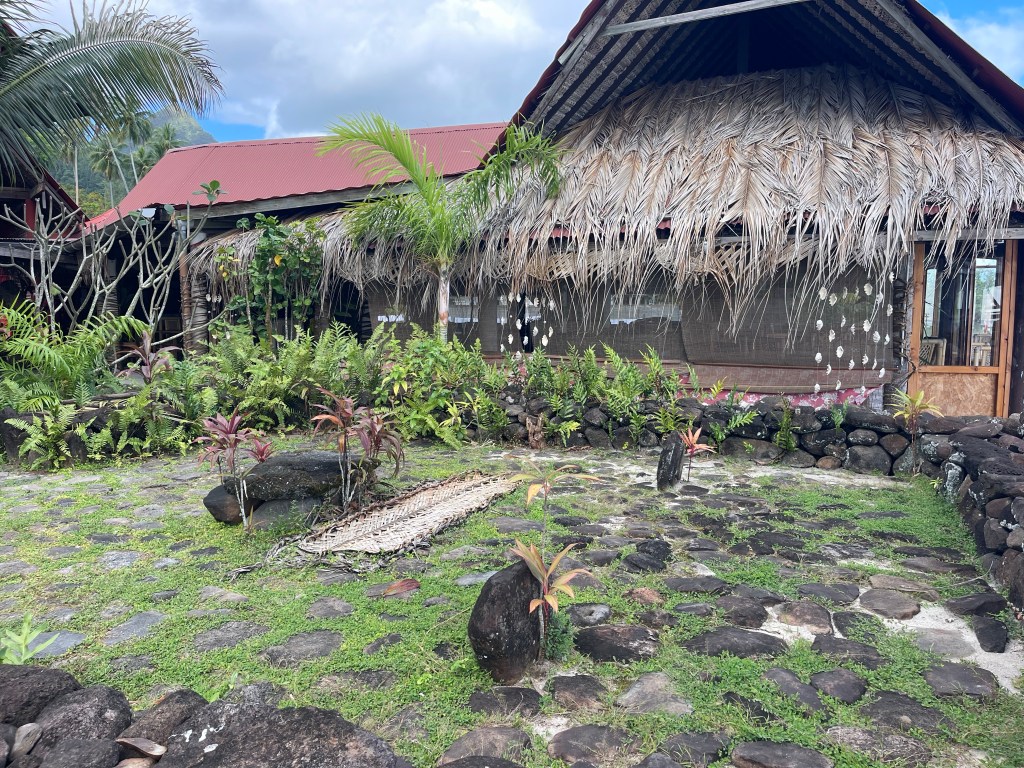
Scott and I really enjoyed our stay in Marvelous Moorea for a week in August. These photos show an area we hiked and explored. Moorea was formed millions of years ago by a volcano that erupted, collapsed upon itself, created a massive caldera and caused 2 giant mudslides.
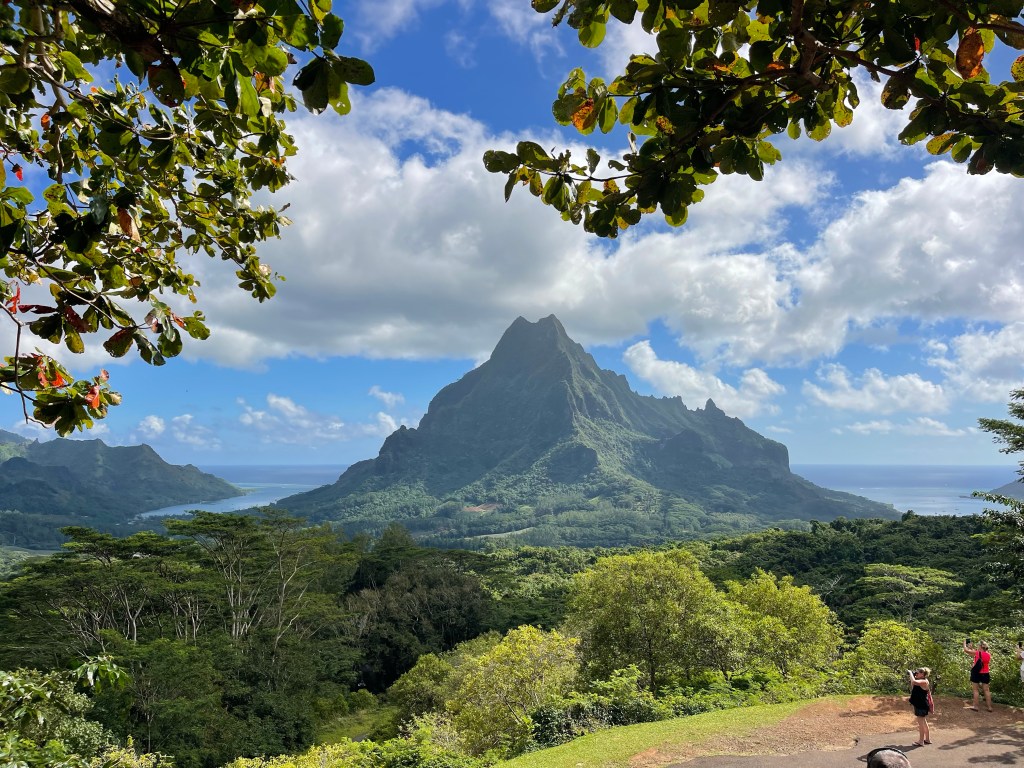
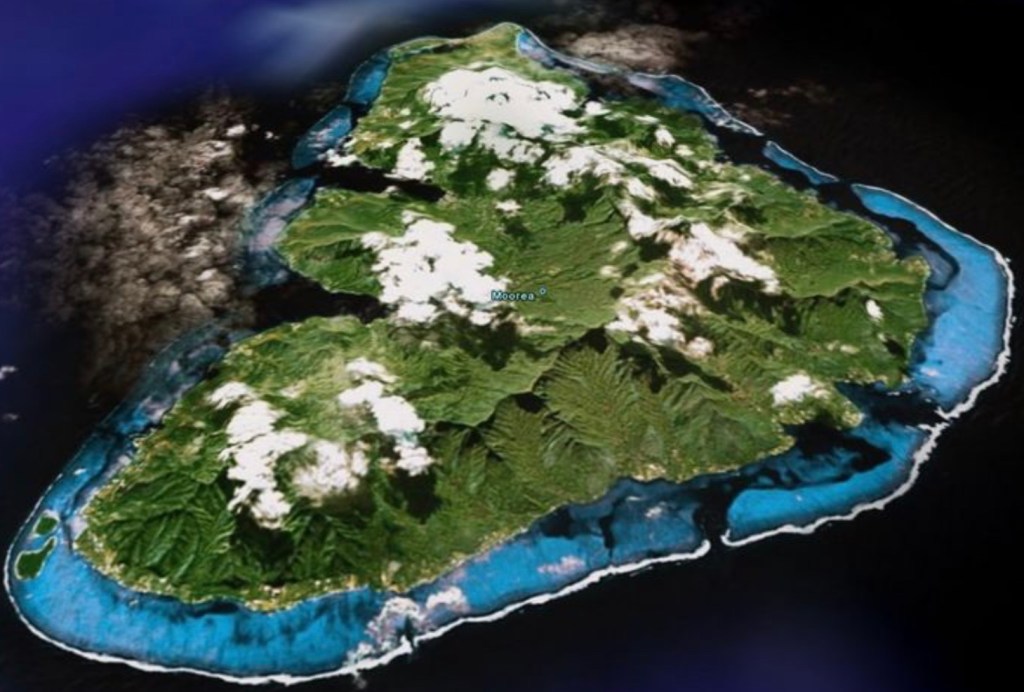
Two beautiful bays are the result of the slides. One bay is Opunohu, the other is the famous Cook’s Bay (where the movie “Mutiny on the Bounty” was filmed). The movie, and book are historically fascinating. It’s about in 1788 a true story of Christian Fletcher. He sailied to Tahiti and kidnapped young Tahitian men and women. Fletcher then sailed off with the captured villagers to the southern Pitcairn Islands. He then burned up his ship, leaving them all stranded there. Today, some of their descendants still live there as well as in New Zealand, Australia and United States.
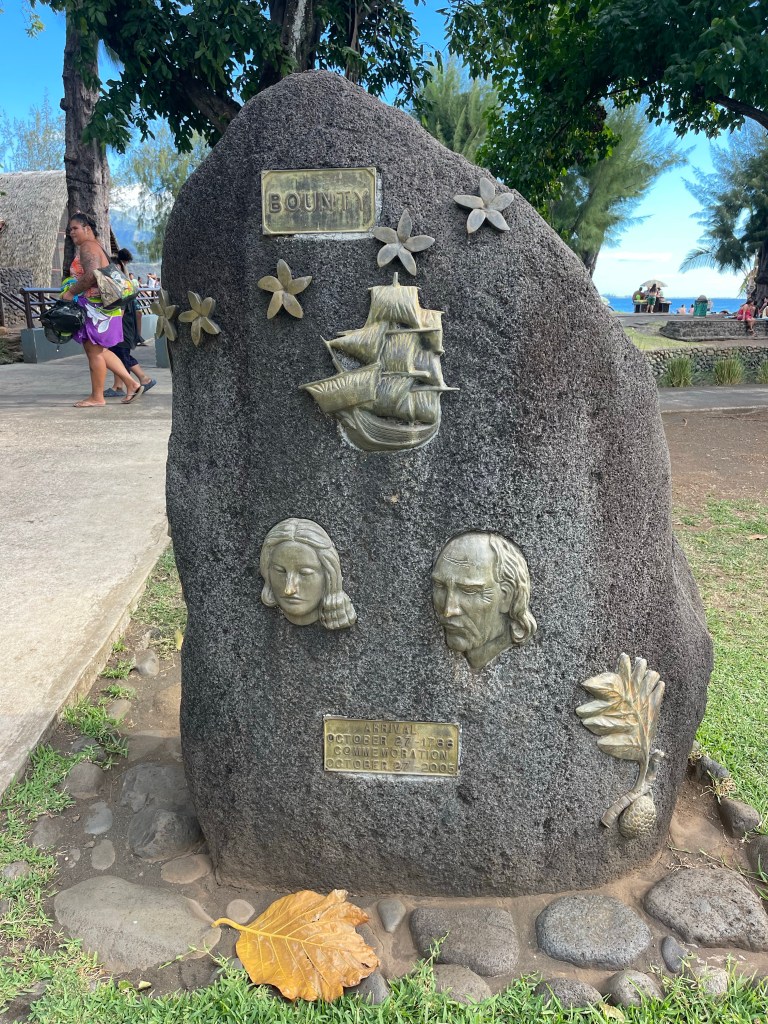
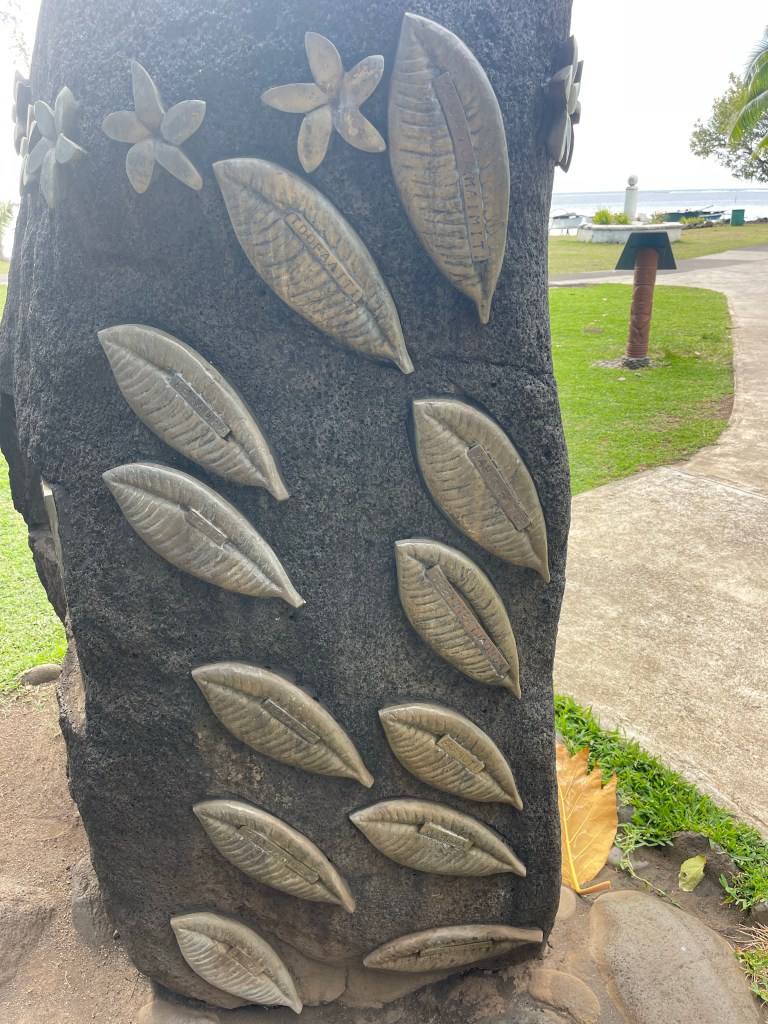
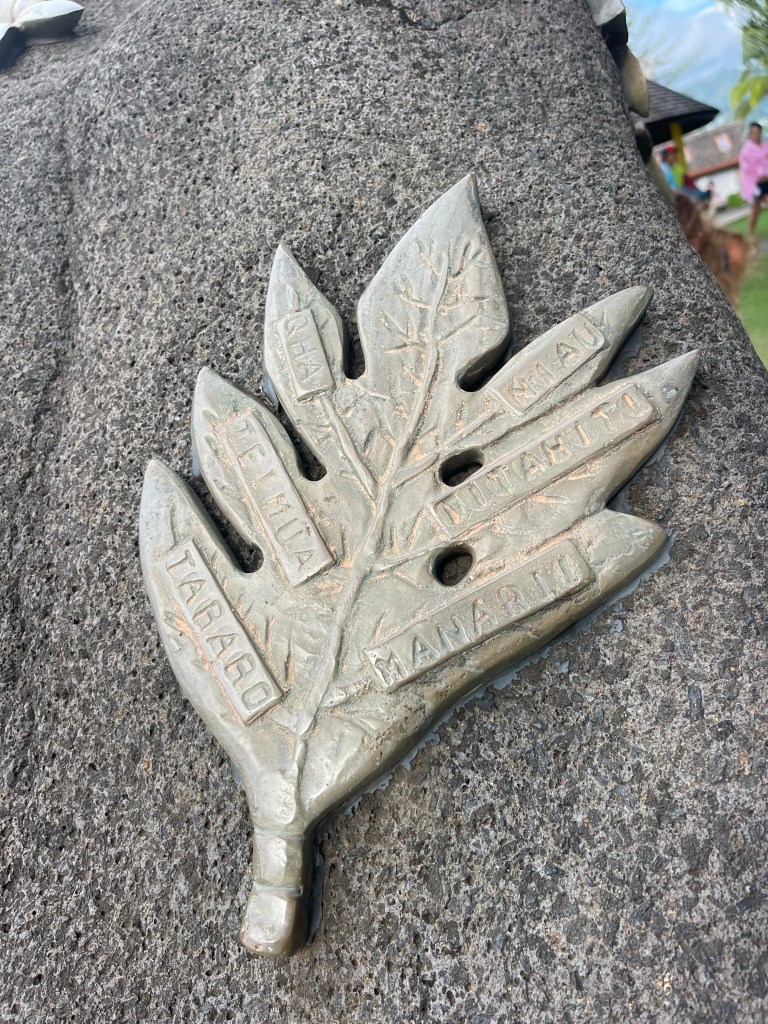
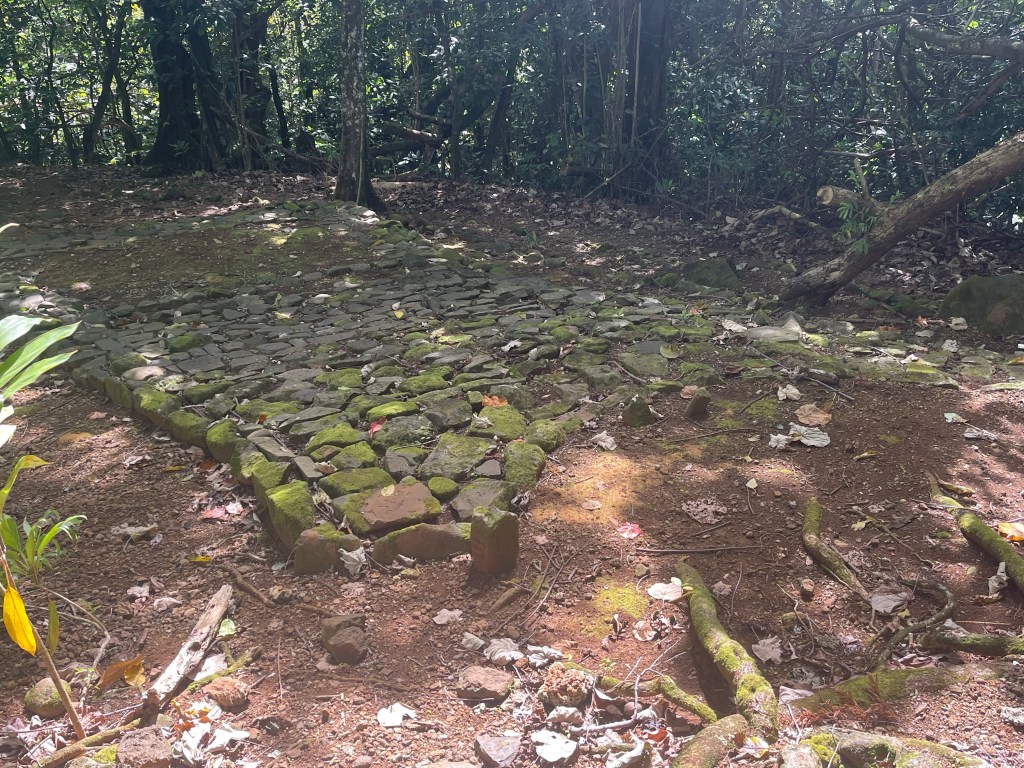
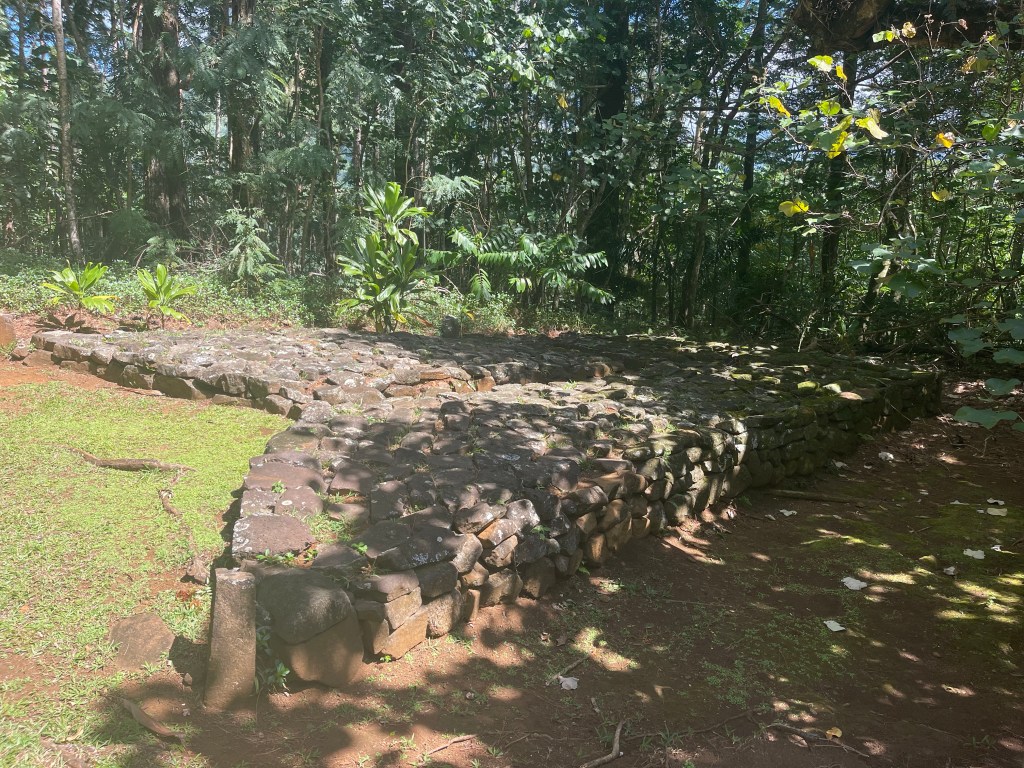
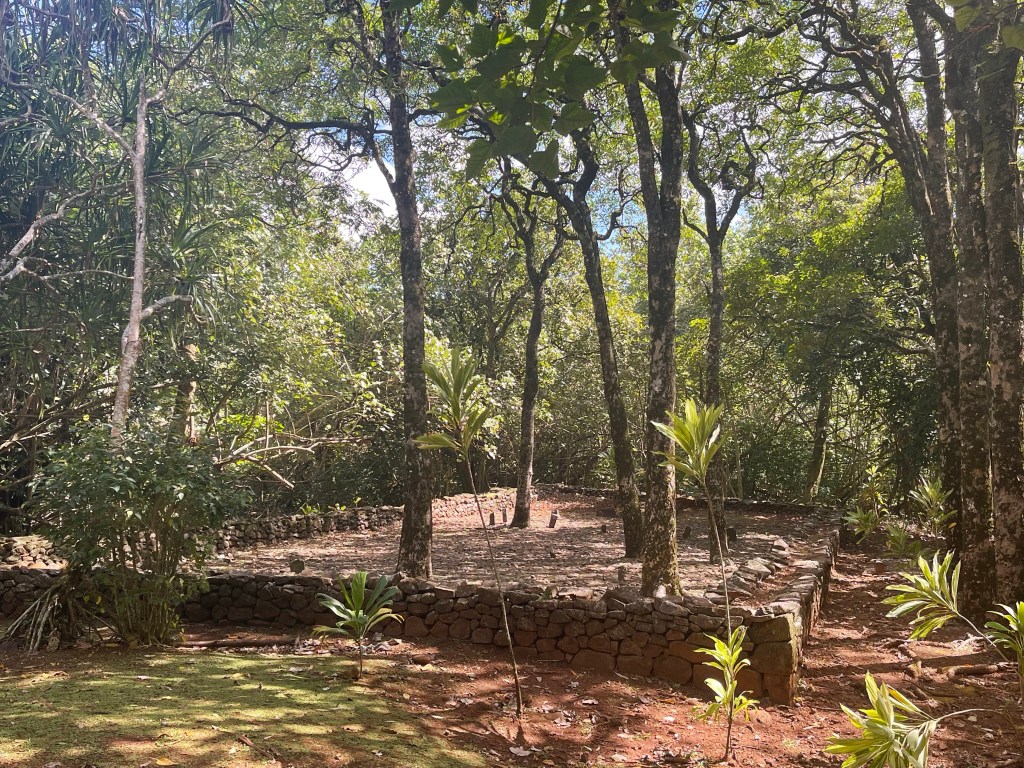
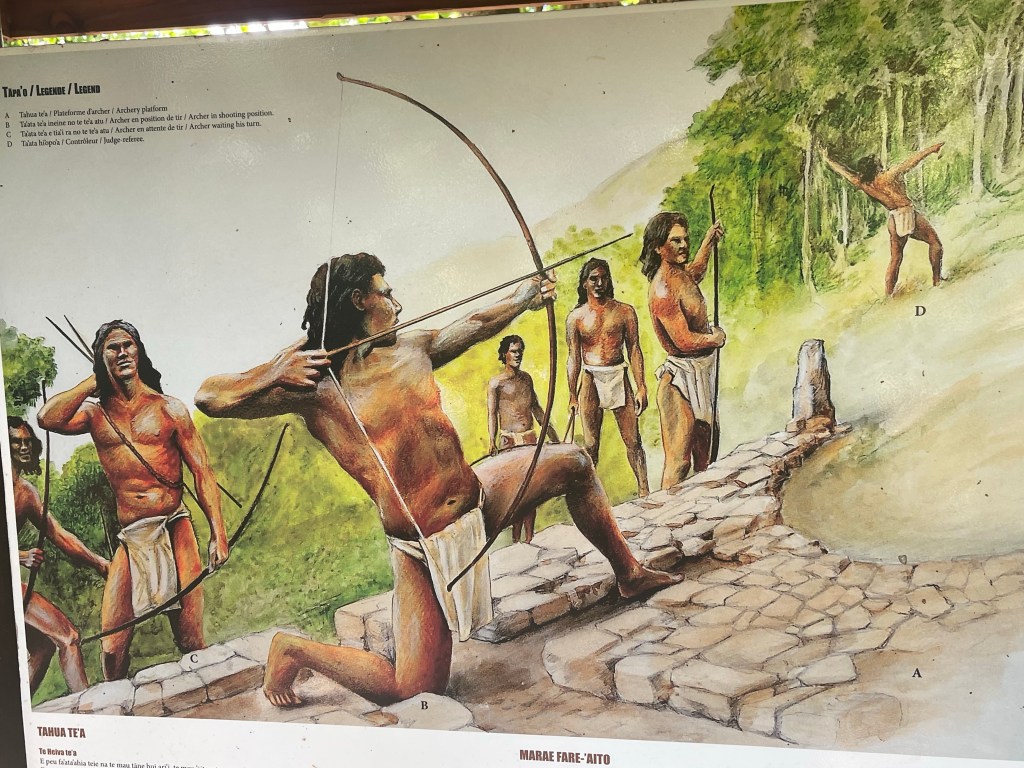
Below are the ancient tribal platforms made for the chiefs to perform the archery challenges. A regular sporting event in those times.
 Our World Adventure