Our sailing home takes us, Scott and Kathy Erwin to travel the world one island at a time. Come along on this adventure to learn, or join Kathy’s Yoga, and explore and see the world.
We have hand fishing lines (yoyos) we pull be hind the boat when we are sailing. They are 250lb tuna cord lines with long surgical tubing that stretches to fight the fish. Fishing rods just don’t work well when sailing down wind and you hook a big fish. You can easily spool a reel before you can get the boat turned and your crew to the helm before you start fighting the fish.
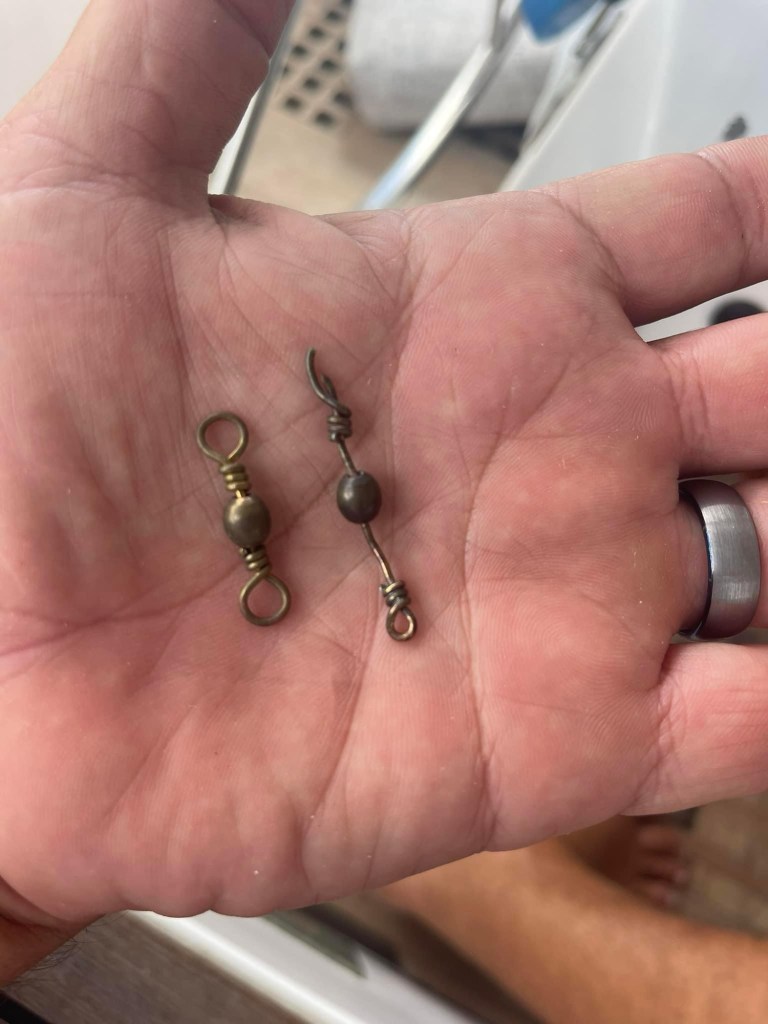
Well, the other day we hooked a big something! Before we could get back to grab the line something bigger took the fish. Probably a shark or the fish was a massive tuna or something. (It’s not unusual to pull up a half a fish). The swivel on the left is a 80lbs swivel and the one on the right is the same swivel that failed us with that fish. Pretty impressive. I’ve lost a a ton of tackle in the last four months. Cheaper to just buy the fish I think. lol
Note: I can up size all my gear and prepare to land a bigger fish……but what the hell would I do with a fish over 100lbs. lol You can only eat so much tuna……🤢
Making my own breads, yogurts, tortillas and muffins have been a fun new way to provide staples for Scott and I. Often breads are not to be found at the small island stores. I wonder, how do they make a sandwiche? Homemade baked goods are fun to bring to cruiser parties or as gifts for the village locals. We keep a sourdough “mother” which was given to me from a cruiser friend in Mexico and has provided us well over 50 or loaves! It’s also difficult to find or store packaged yeasts.
Making my own yogurt has also been key, not only does it reduce my plastic trash, it’s versatile and a good staple ingredient for other recipes. Storing large amounts of yogurt also takes up valuable refrigerator space. All I need for making yogurt is powdered milk, easily found and easily stored, and 1 small thermos (oh, and a thermometer)
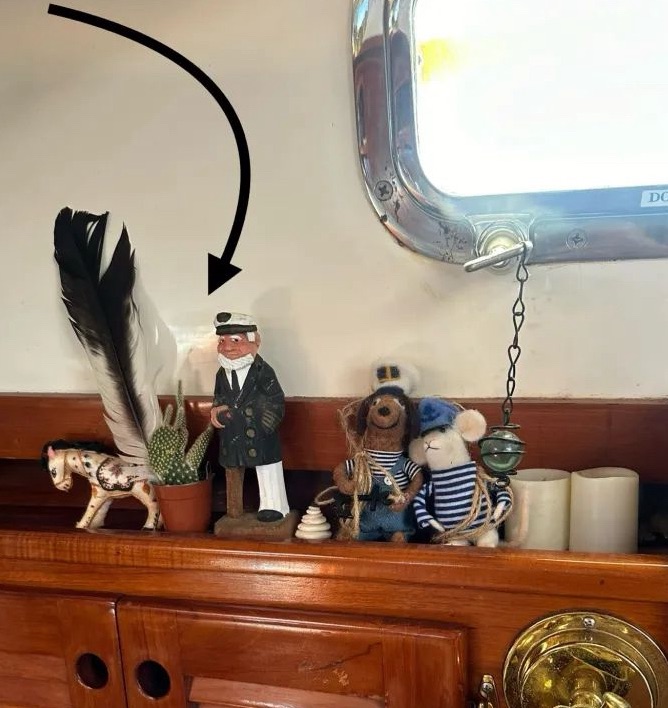
Another idea I considered was having a small hydroponic garden for a few favorite herbs and sprouts. Fresh greens were the hardest to find in remote islands. I have dappled in this area, since it’s a major land hobby of mine and I come from a family of gardeners. But, nonetheless, it’s quite difficult on a boat. Why hydroponics? Well, having a plant with dirt doesn’t do well while healing sideways, but water only spills and dries up, no mess at all. Hey, we live on the water. My last batch of basil and rosemary got scorched in the direct sun, so back to the drawing board I go. Currently, I don’t have any plants, unless you count my very tiny cactus.
I have dappled in pickling, jarring and drying foods these last 2 years. But, since the mason jars/lids are difficult to find, I decided on mostly storing cheap canned or frozen veggies instead, I know, yuck! I can hardly complain though.
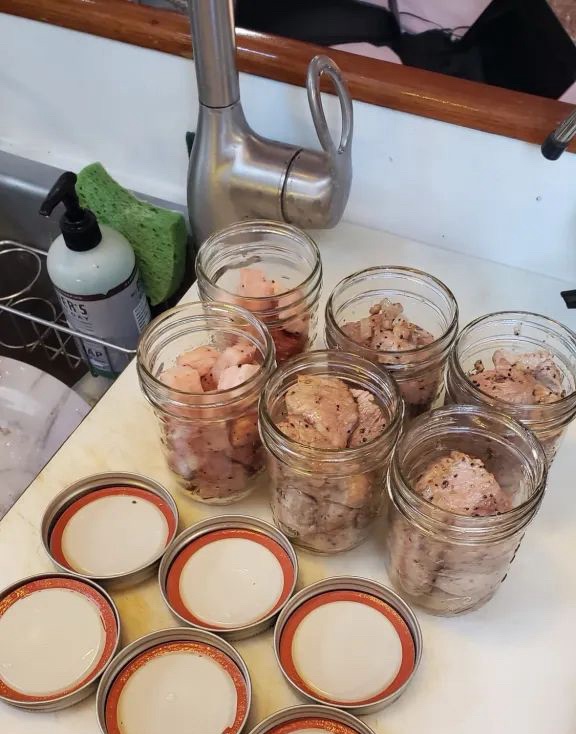
I had learned about pressure canning and was quite successful, only took me one full day! Since I knew we would spend a year in the French Polynesian islands, where meats are pricey and some hard to find, I started my research. It paid off! We had many delicious home made lasagnes, meatballs and stews during the 6 months spent in the remote Tuamotus Atolls. In Mexico, I had made 14 jars total of pork and beef, but the best was italian sausage.
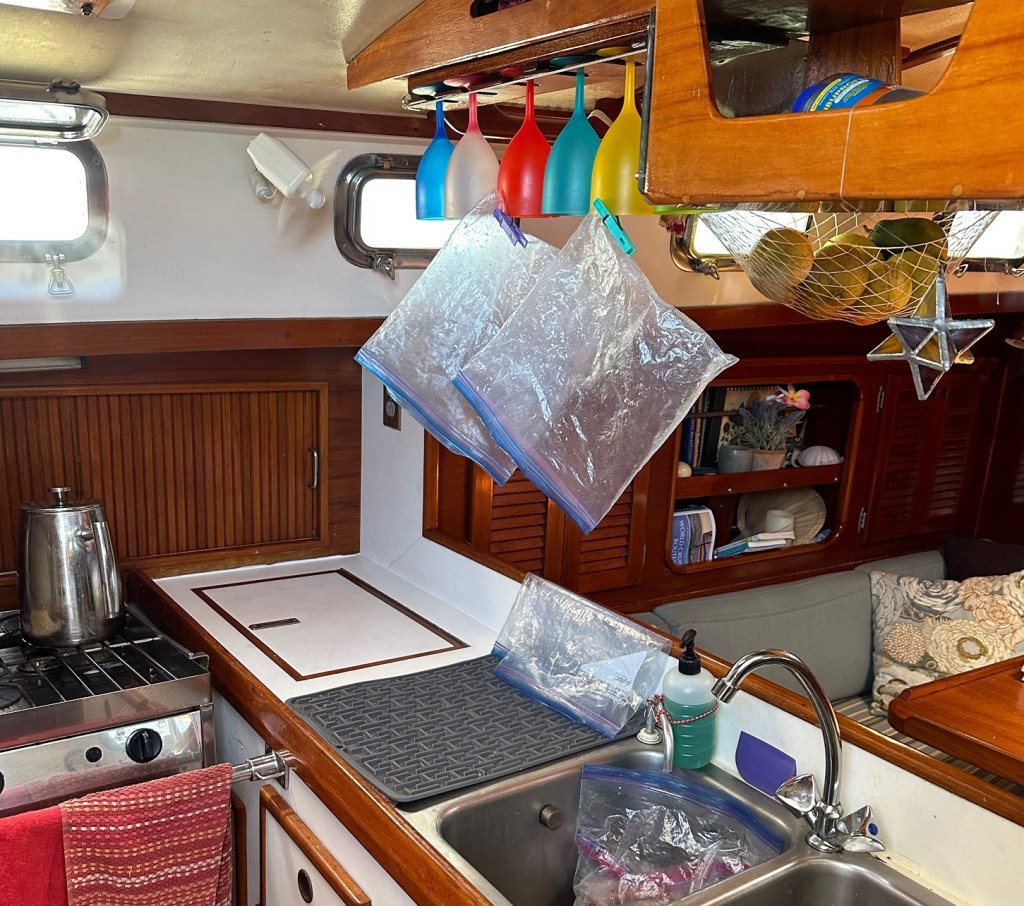
My biggest answer to storing foods while on a boat: Ziplocks! Bulky storage containers often are not airtight and don’t fit well in small fridges, freezers or lockers. Since ziplock bags are hard to find out in the islands, I bought many and use and reuse them until they are so thin or have a tear. Even then, I tend to use them, double bagged style. I was raised to be thrifty, which now comes in very handy!
Provisioning and prepping foods while living on a boat in remote places is quite a challenge but a fun one that I have embraced. My Mom always said “cook with love” which proved to be great advice. Cooking on a boat is a topic for another time, but shopping, storing, and keeping foods and drinks cold is the tricky topic of the day, especially in remote locations and foreign countries. I feel I have done well so far, but have only experienced Mexico and French Polynesia. Learning to be resourceful and having flexibility in the foods you eat are the main key.
That’s about a wrap for the day, no pun intended!!
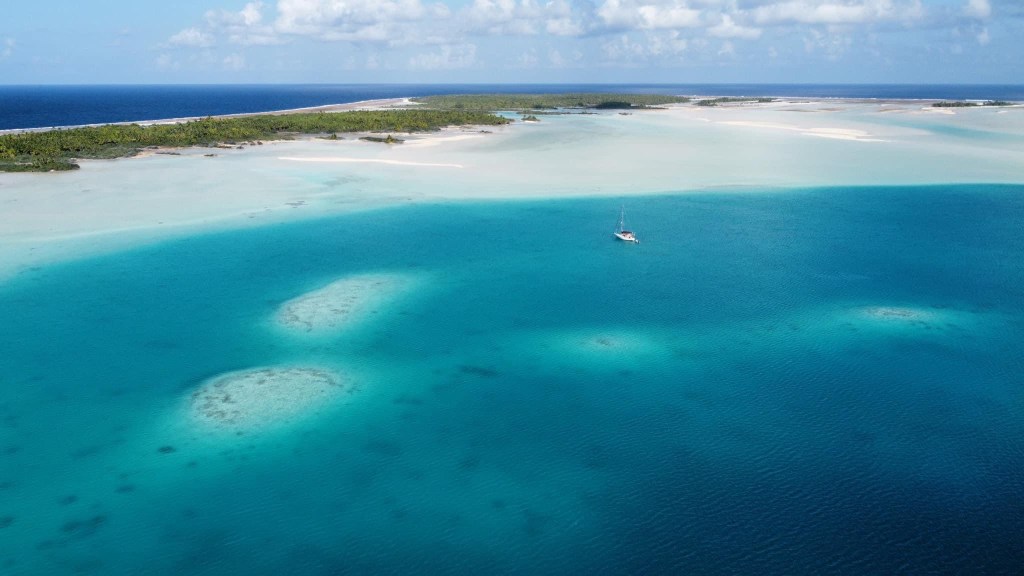
Navigation at its most extreme in these parts. There are no paper charts, no depth soundings and no navigational marks in sailing apps such as Navionics. In and aound all these atolls, you can see coral heads or “bommies” as they are called out here in Polynesian waters. You can clearly see the coral heads all about.
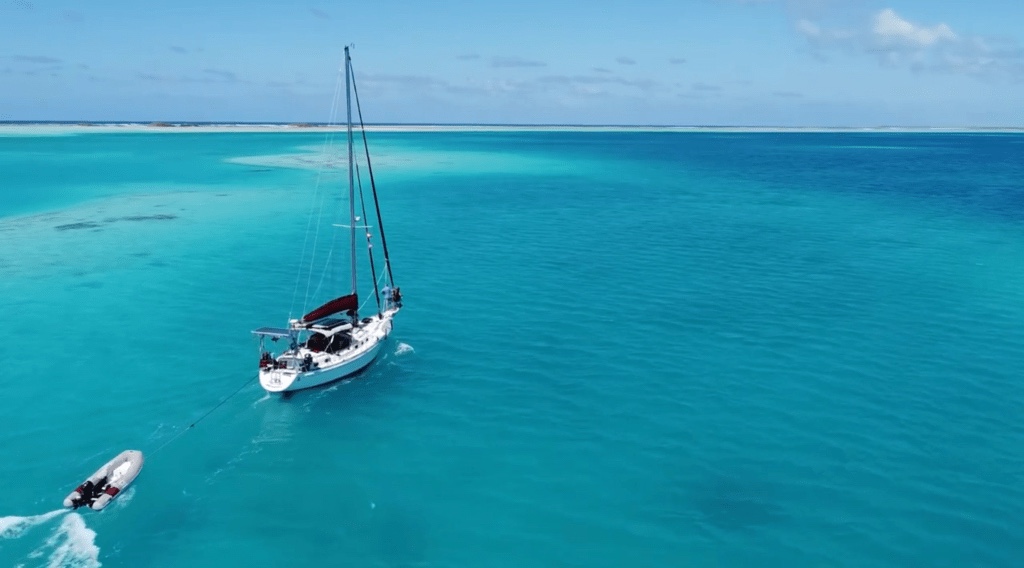
In and aound all these atolls and anchorages you can see coral heads or “bommies” as they are called here in Polynesian. A respectable and necessary practice here is to float your anchor chain, floating above these bommies, with 4-5 floats. Also important, most cruisers download files called OpenCPN for the coral heads and a crew is always on lookout (best if it is sunny and daytime). Satélite imagery is the key to sailing in the Tuomotus Atolls, since it’s some of the most remote place in the world. Cruisers rarely, if ever, traveled these atolls until recent years when satélite imagery was married to GPS positioning.
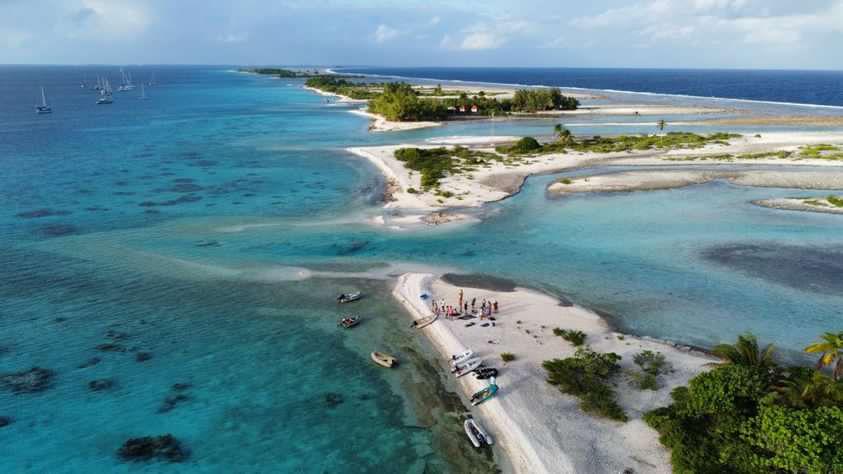
We use downloaded files called OpenCPN and of course our eyes. Satélite imagery is the key to sailing in some of the most remote places in the world. This location was inside the east side of Rangiroa, French Polynesia. Cruisers rarely, if ever, traveled these atolls until satélite imagery was married to GPS positioning. We travel areas like this only when the sun is at its highest so we can see the coral heads and white reefs. If it’s an overcast day, it’s a no go. Thank you friends on Fundango for the drone shots. Sea Bella will be getting her own drone later this year.
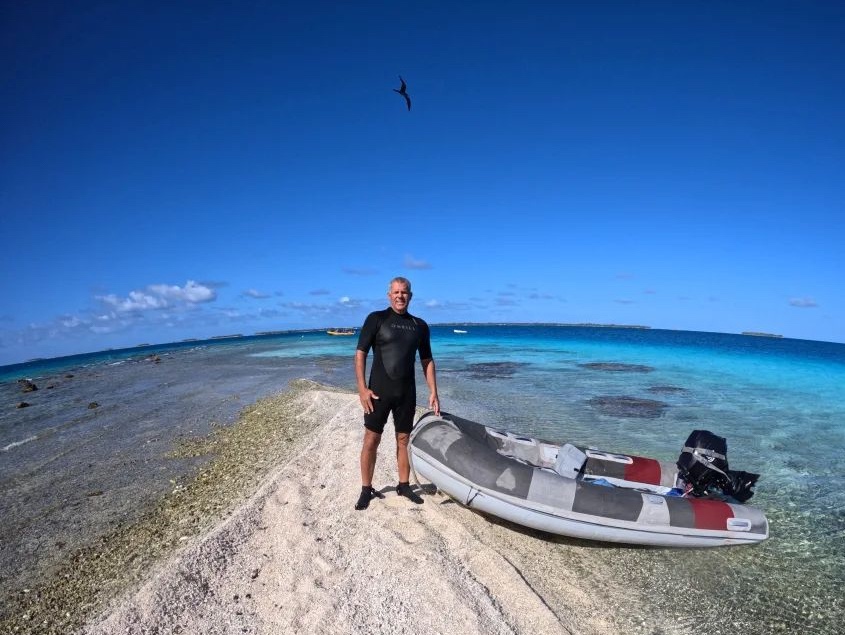
When we go exploring about in the dingy, we both are on a keen look out for these bommies, but also for the shallow waters and sand bars that are in front of the Motu inner islands. The outboard motor can be lifter into 3 different positions, when at its highest working position we draw about a foot. This is when one of us gets out to walk ashore.
We had shorty wetsuits for our long afternoon of snorkeling.4th of July beach party, Fakarava.
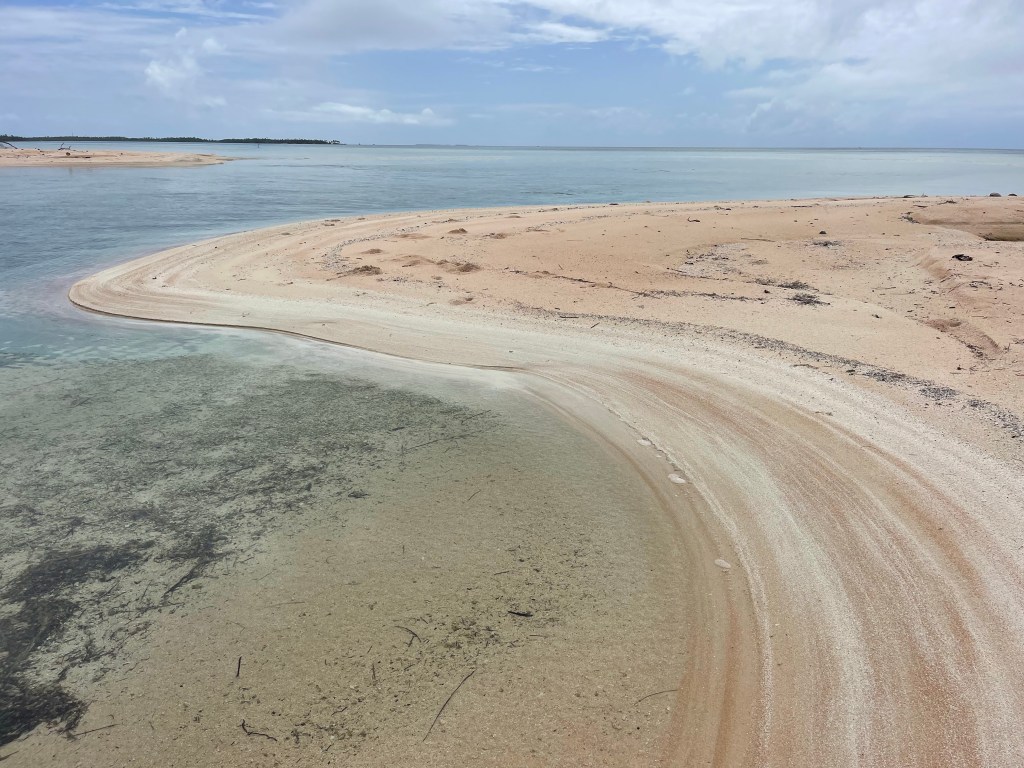
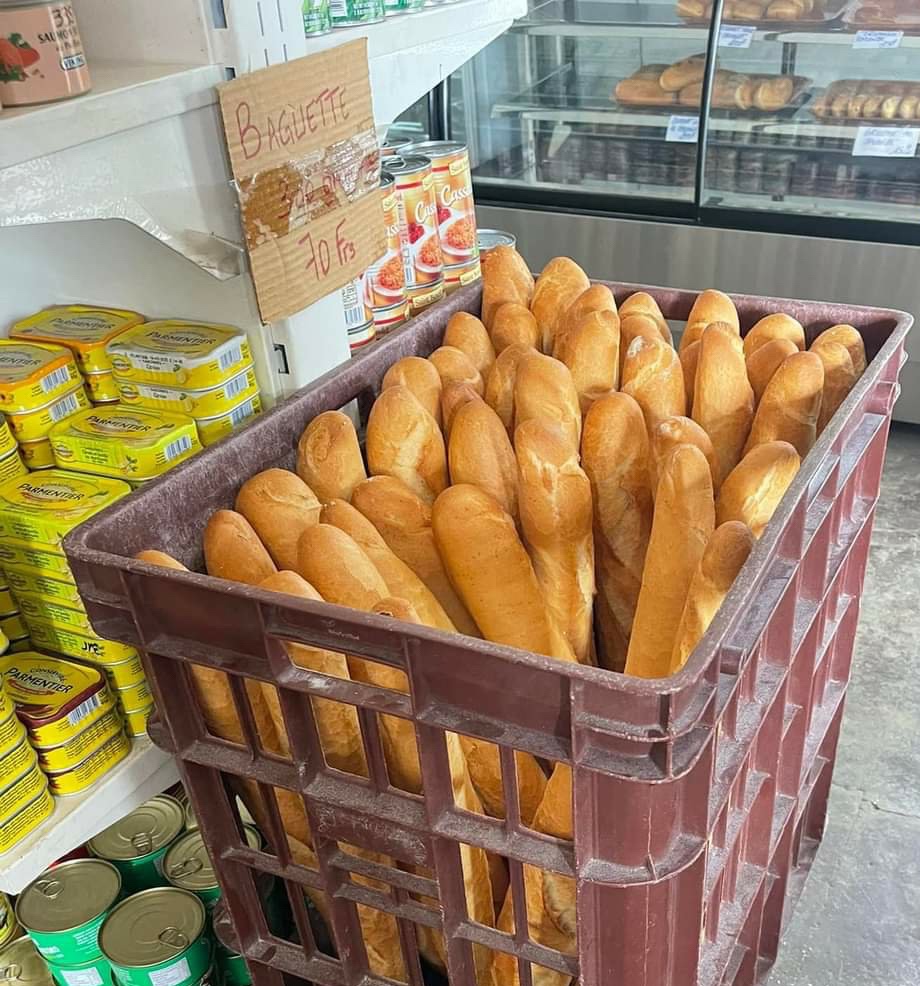
Sailing the French Polynesian waters of the Tuomotu Archepeligo is an amazing experience. Scott and I have spent most of the 6 month sailing season in and around about 8 Atolls. If you glance at a map, you will see these islands are all similar and mostly aligned with the SE trade winds, which makes for excellent travel in this direction. Our experienced was fabulous; the beauty of the pink sand beaches, reefs, sunsets, and sealife are remarkable. Most Atolls in the Tuomotus are very remote and only have a very small village with maybe a market or two. Shipments of foods and drinks come every week or two from Tahiti. Buying the French baguette or croissant is the excitement of the morning and a cruiser is lucky to find a few fresh vegetables or fruit. The people here are very friendly and helpful. It’s really a happy place. Although again, it’s very unusual to find fresh produce, so stocking up with canned or frozen is important.
A very typical cruiser schedule in the Tuomotus is ‘early to bed early to rise’ as is with most remote cruising experiences. Mornings are usually lazily spent reading or on Starlink, researching the area, conditions, resources, or making a family call or one to a mechanic, but hopefully not. After the DIY boat projects and repairs are done, most sweaty sailors are ready to snorkel a reef, have fun with water sports, or explore the Motu, see below photograph. Most anchorages in the Tuomotus Archipelago are extremely remote, with out a village or house for 10 miles. And as for a marine services, there is only one area and that is in Tahiti 300-600 miles away. So, cruisers rely on each other. Most people want a sense of community, support, and friendship. It’s typical that cruisers end most days with a social time (boaters are from all around the world out here, so multi languages is common in the anchorages) people are ready to gather up for social hour, usually at a close beach, to meet new friends, share stories, drinks and snacks, discuss weather, sailing, projects, local news, travel ideas, and maybe play some games. These months in the Tuomotus I learned that every day is kind of the same, but by far, the people and beautiful places make it a unique cruising ground.

 Our World Adventure