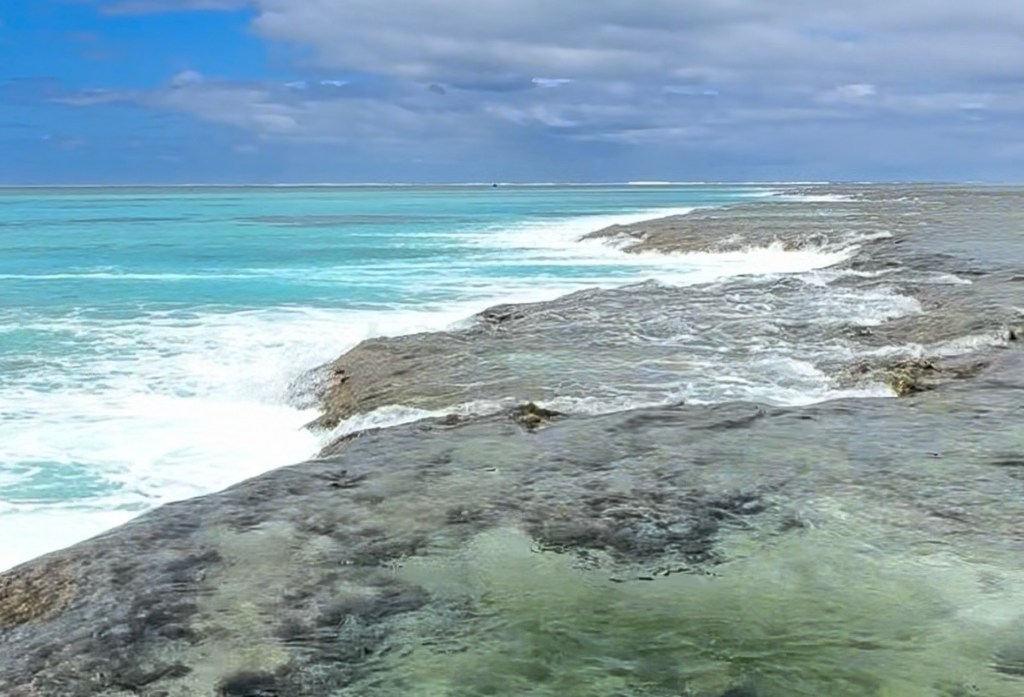
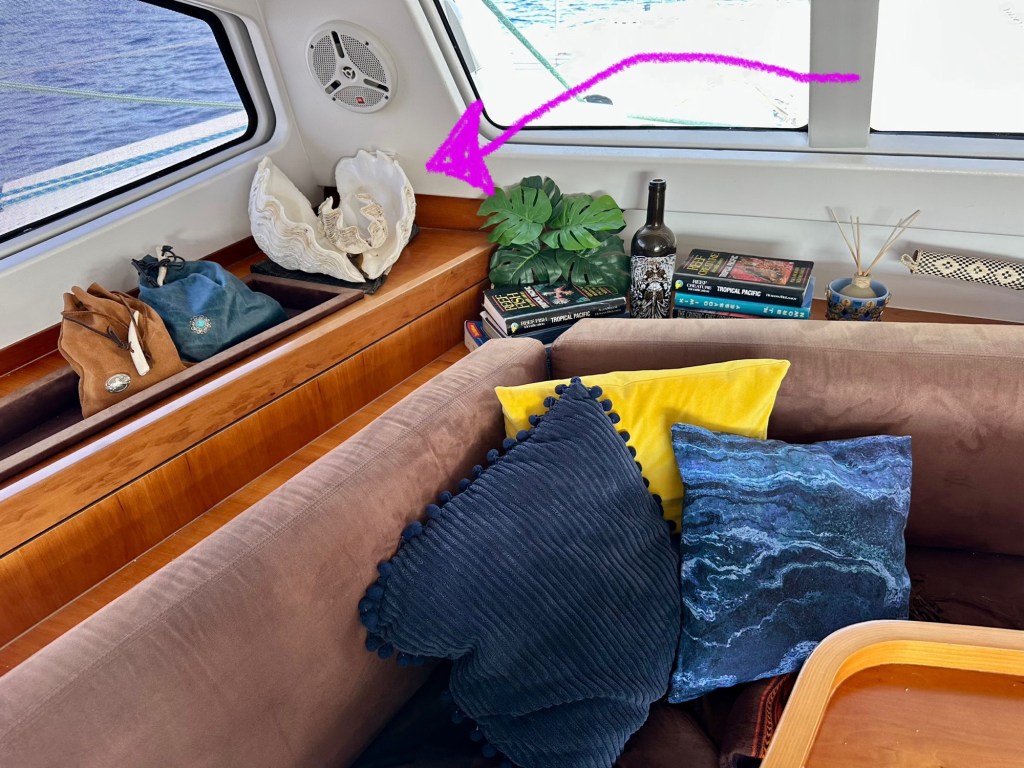
It will be hard to soon say goodbye to this amazing country. Below I tried to capture our experience of their remote culture, our dingy waterfall adventure, the giant clams, village chief, skulls and bones, and of course white sand beaches.
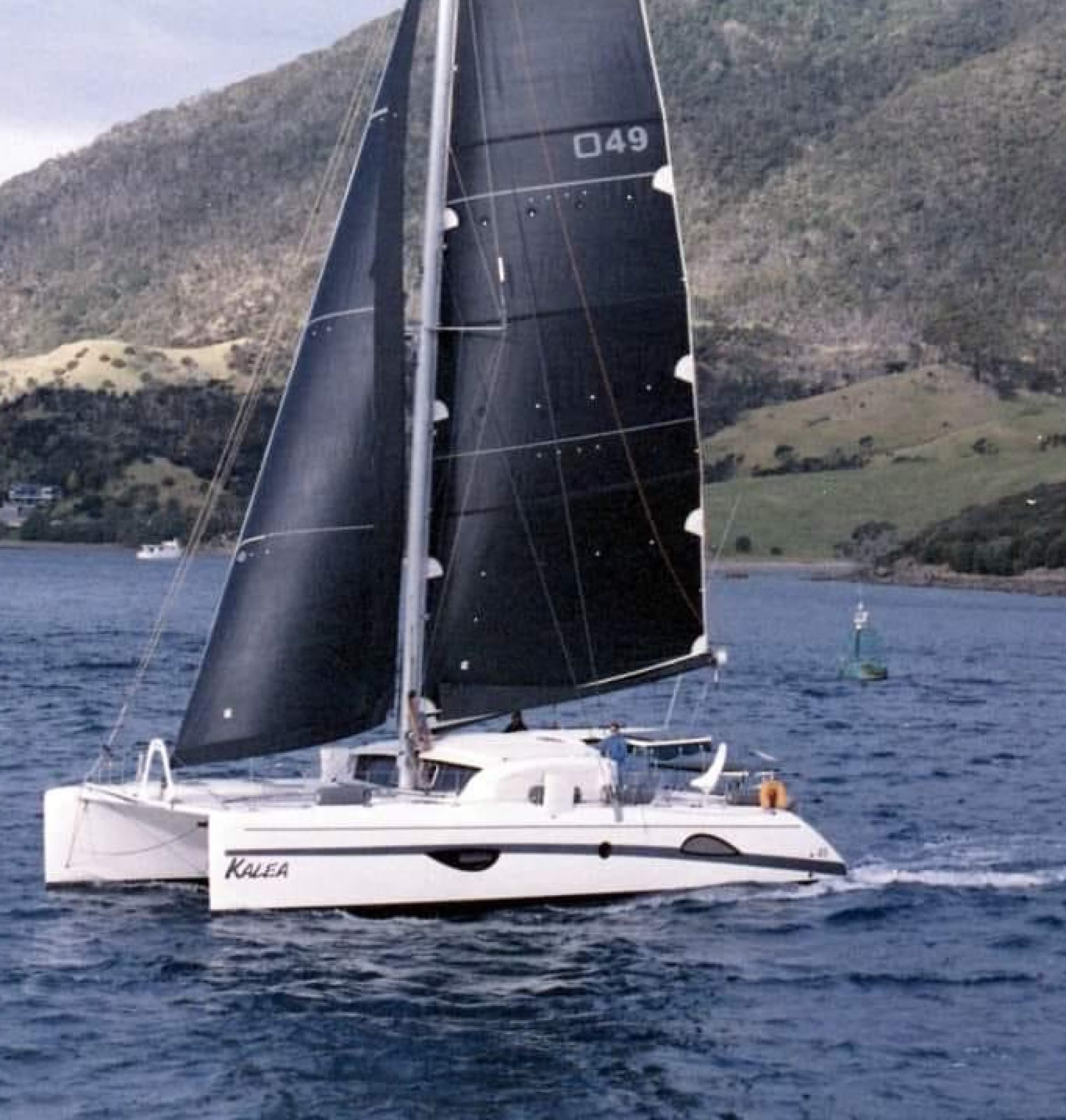
It will be hard to soon say goodbye to this amazing country. Below I tried to capture our experience of their remote culture, our dingy waterfall adventure, the giant clams, village chief, skulls and bones, and of course white sand beaches.
Here’s to my bad ass wife that saves the day! We had anchored Kalea in a small bay in Fiji, only for the protection it would give us for a windy night. After this little storm (still blowing), the anchor was fouled up on rocks and we tried everything to get it free. Driving to the right then to the left and again. With the next weather heading in soon, coming from the opposite direction, we needed to move. Kathy donned the wetsuit and scuba gear and headed to the dark bottom below us (50’). She directs me at the helm to the proper locations to unwind the boat as she clears the 10mm chain that was wrapped three times around a rock. She is a good swimmer and reported that she always kept one eye up on the boat and props. I’m so happy to have a true partner out here. She is as capable and brave as they come. -Scott ❤️
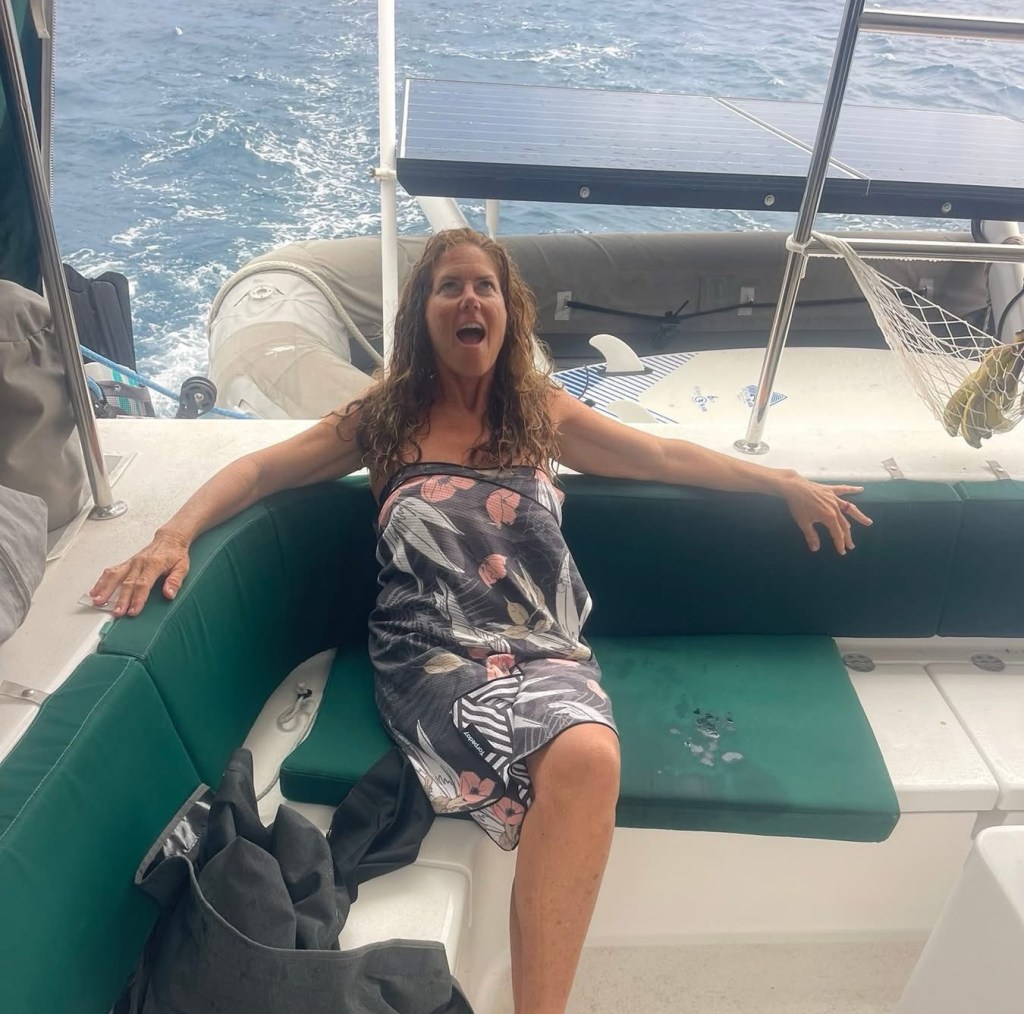
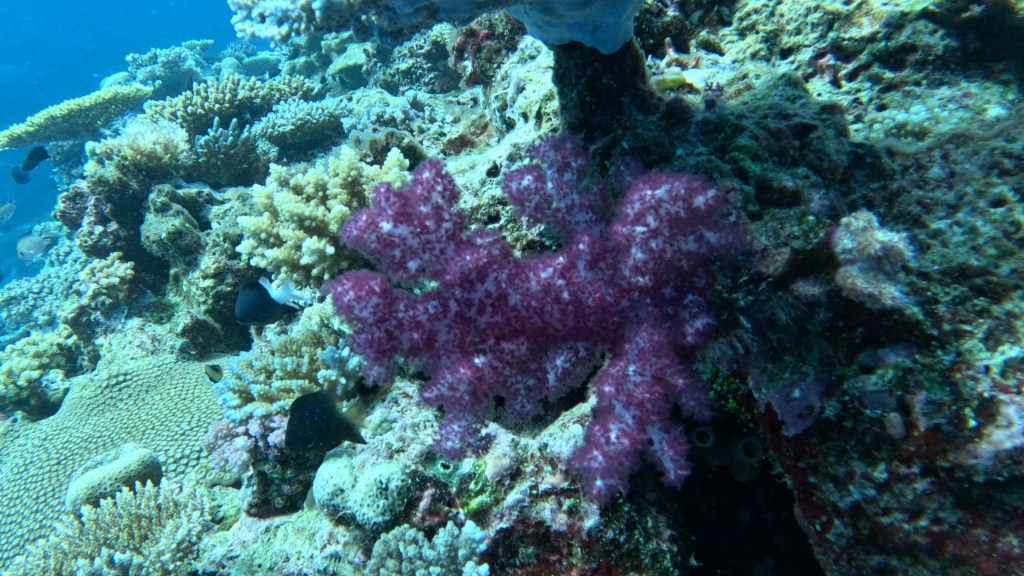
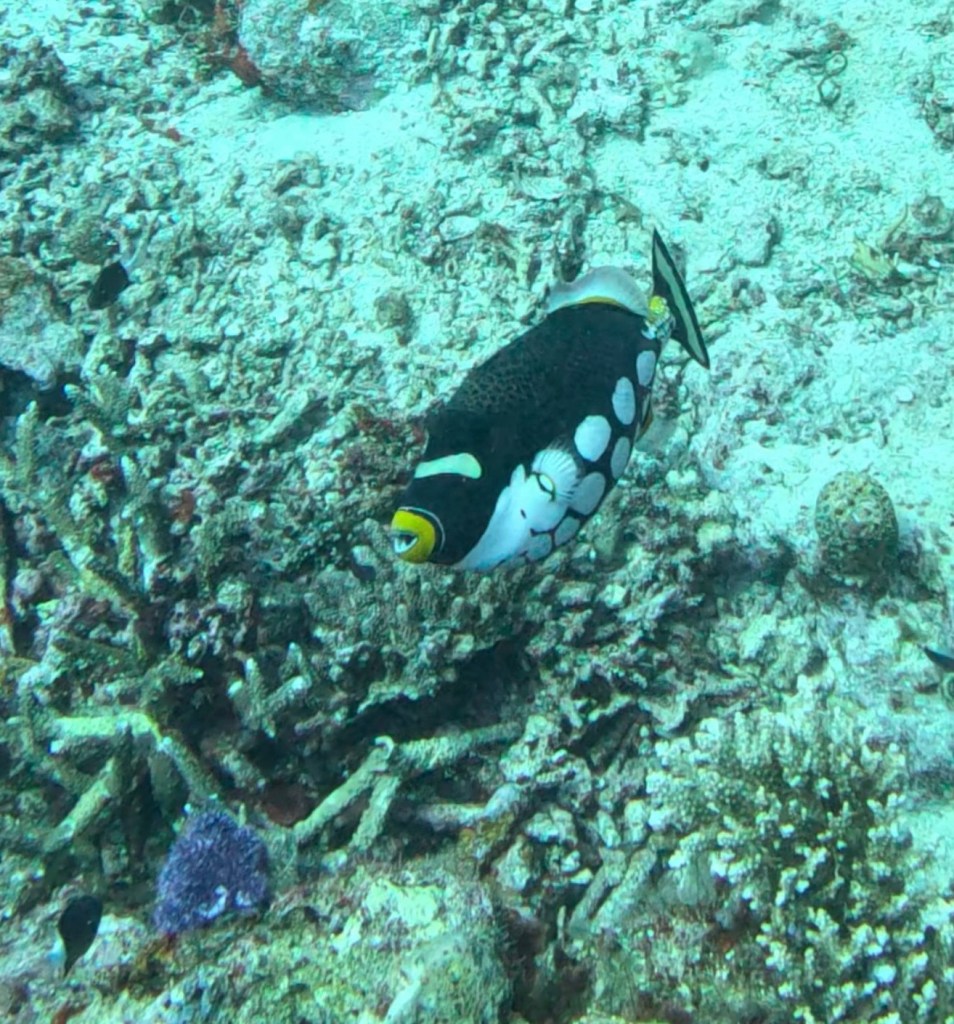
Anchoring down in Kadavu, Fiji is another world class diving area. The variety of corals, the colorful soft corals, the geologic formations and the little tunnels to peek into. Just dreamy. A typical dive for us is 45 minutes at about 60 feet. Sometimes it’s a wall dive or a pinnacle dive or short swim through. It’s also a sailors dream, with protected anchorages all the way around the islands.
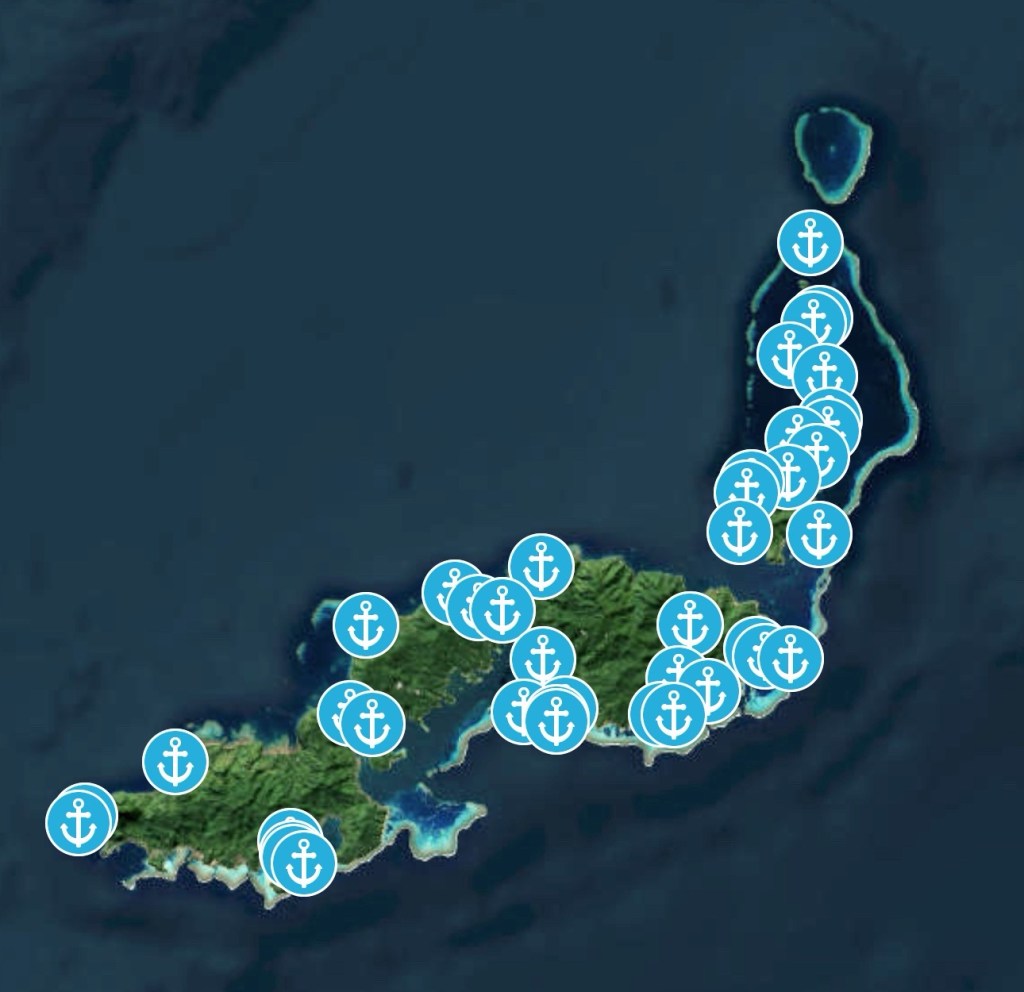
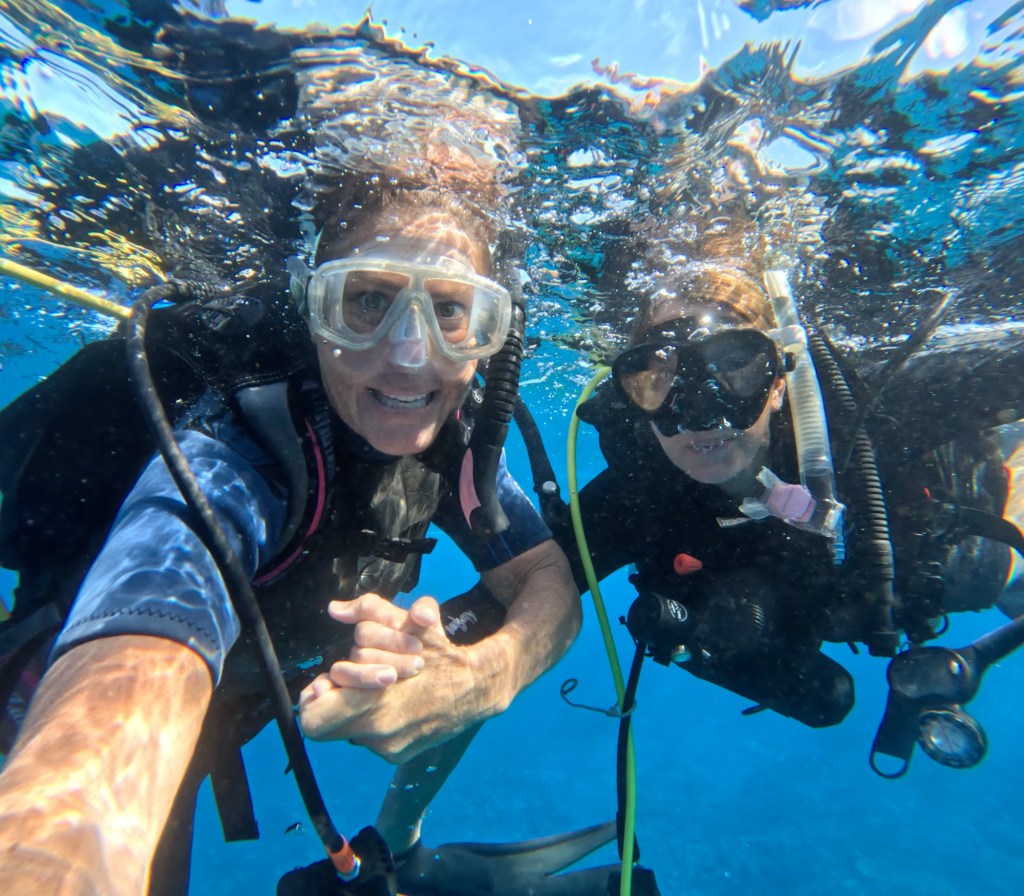
A bit more about Scuba Diving, if you are new to it. We love to snorkel and see most everything that way, but it’s sometimes not as clear or the sea life is 20 feet down. So Scuba it is. We understand and avoid nitrogen narcosis and decompression sickness, every time. Scott and I monitor our air supply and dive time a number of times during each dive. We also always make a safety stop during our ascent. I like to always make gradual descents, clearing my ears about every 8 feet. Scott is lucky as he learned (back in 1977) how to clear his ears hands free, by jutting his jaw forward, still with regulator in his mouth of course. We both learned in our scuba certification courses to always stay within safe depth limits, and if we go to 100 feet, we are only there for a few minutes, to maximize our length of dive.
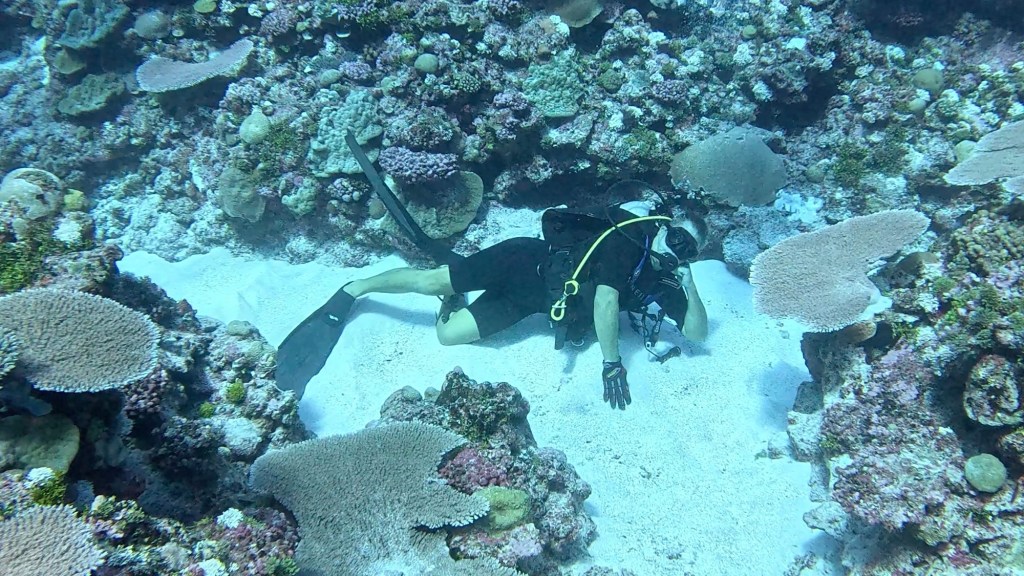
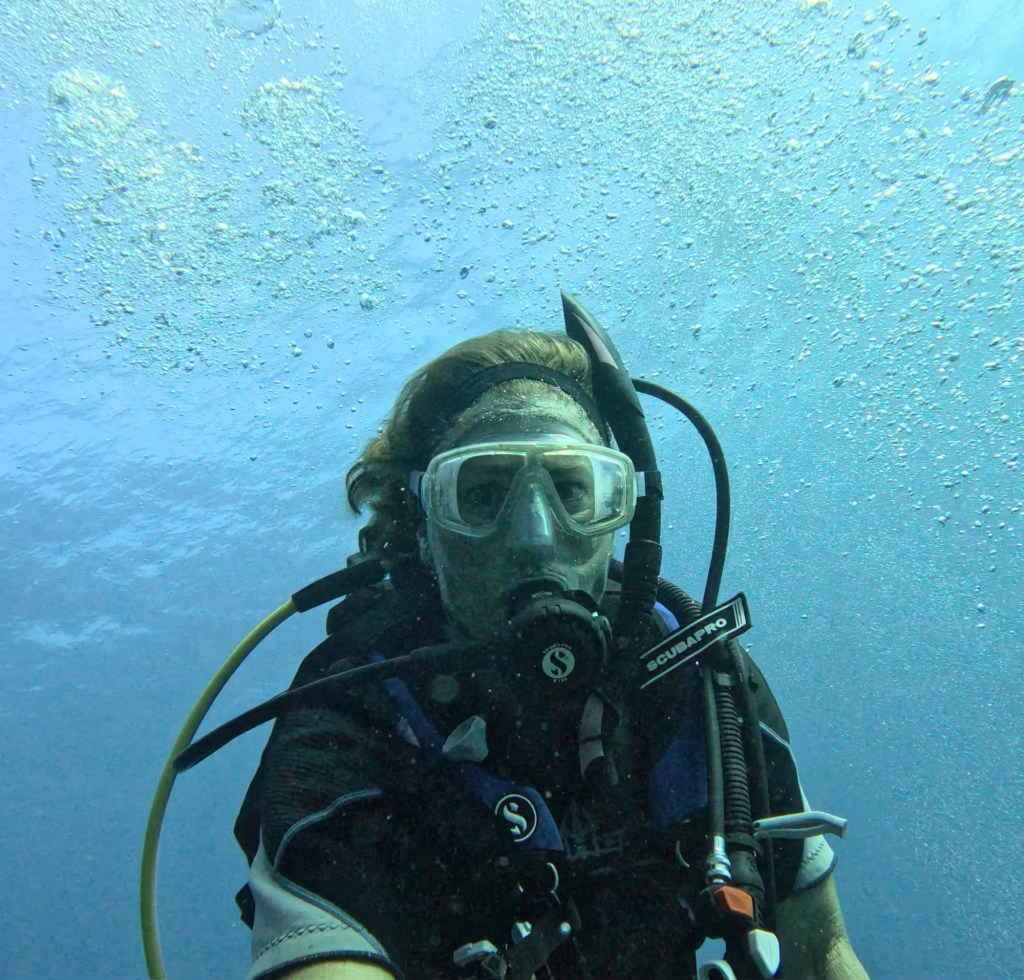
On every dive we choose to have a whistle, an extra second stage regulator, dive computer and gauges, a glove, a knife, a surface marker buoy, a light, and a snorkel at the ready, as when we ascend we may need to swim a distance and don’t want to use our precious air. It’s essential for all divers to understand and take necessary precautions to have a safe diving experience.
The trade-offs for this amazing experience: smaller spaces, fewer conveniences, missing family and a level of unpredictability most people would never sign up for.
My life on a boat; the highs, lows and a few other oddities. It’s probably often that you see sailing posts and YouTube stories about all the glamorous aspects of sailing. But it’s important to know that it’s not all champagne sailing nor is it all that it seems to be. It’s tough at times. This month had amazing highs for me, but did have lows, and some tough lessons that I am grateful to have learned.
Most of you know me, I am an optimist. I trust the universe. I have conquered fear (to date, anyway). I don’t like to complain or be negative, ever! I look for the good in every tricky or uncomfortable situation. And, I always remind myself that 4 years ago I “chose” to live on a boat.
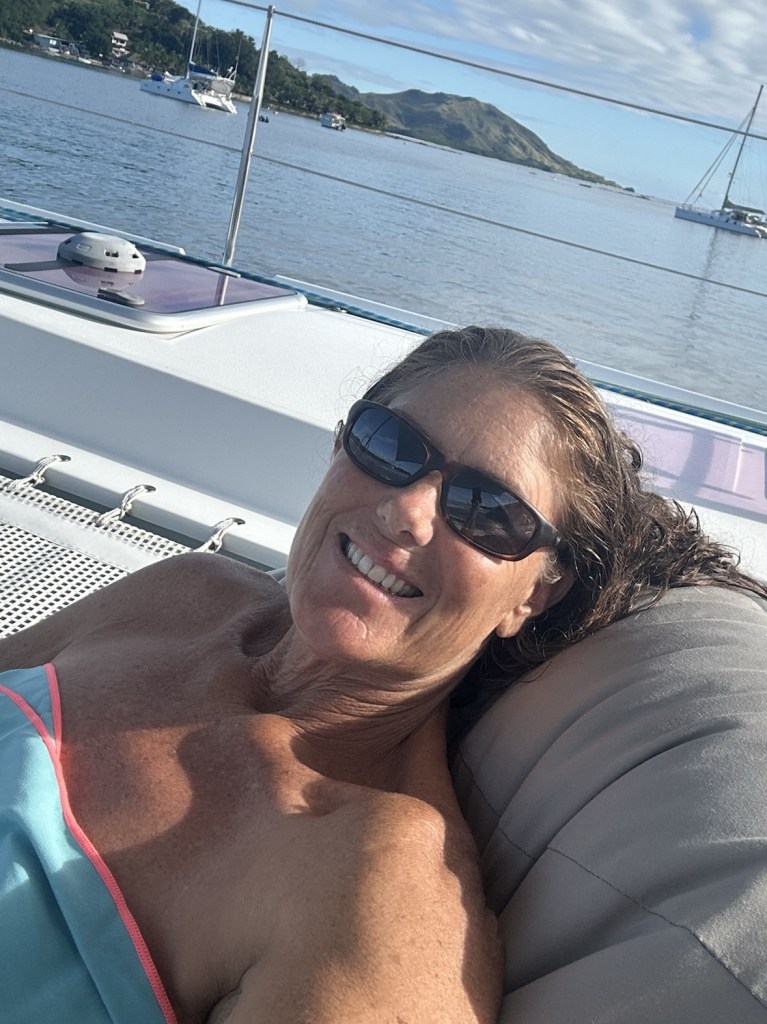
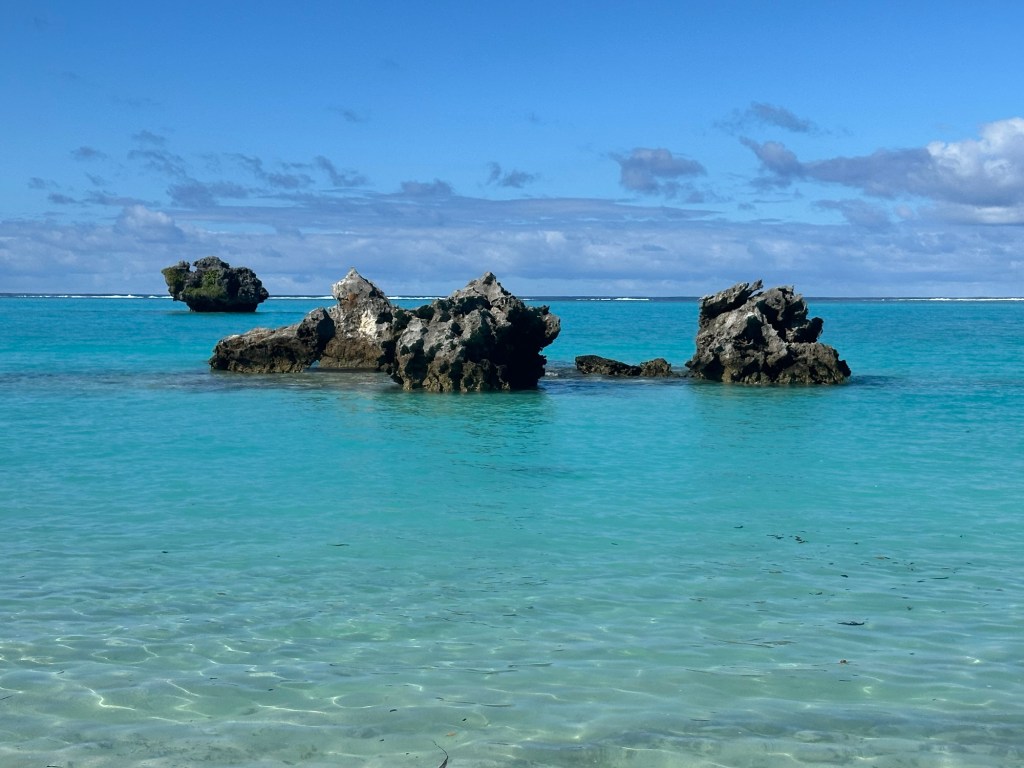
Life is a choice. So I will start with the lows, but painfully: Since we chose to visit the very remote Lau group of islands in Fiji, we chose to have 0 amenities off the boat. 0 restaurants, 0 stores, 0 taxis, 0 resources, and 0 gas stations….for 6 weeks. I am so grateful that Kalea provided so much comfort and safety, because the feeling of isolation, without any other option, does creep in. Cooking 3 meals a day x 42 days is 126 meals, straight.
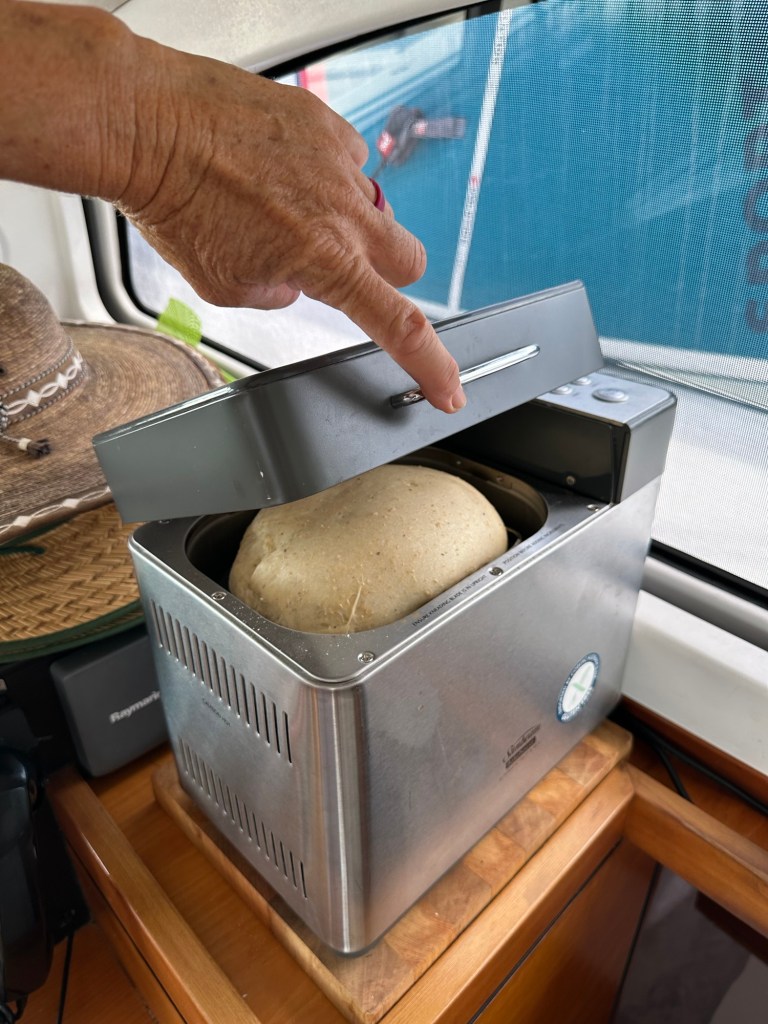
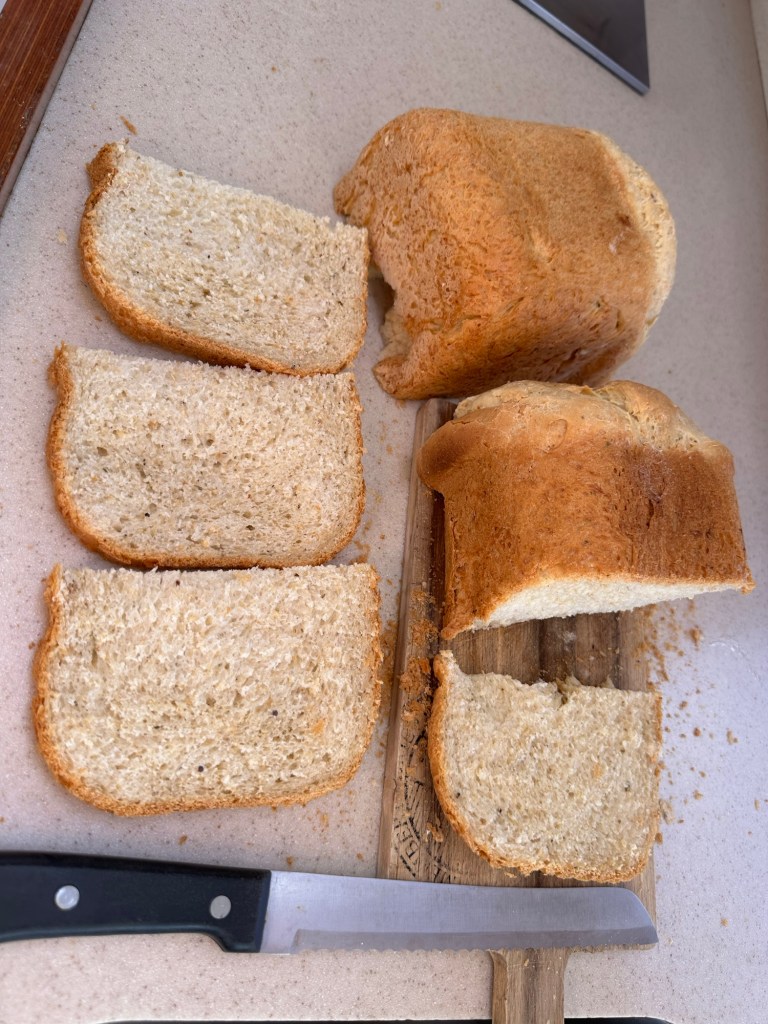
Thats one thing, but food management is another. So I have to make my own yogurt, bread and grow sprouts. We also got quite low on dingy fuel, which created more time on the boat and less adventuring. We didn’t catch any fish. And lastly, we got attacked by mosquitoes and no see ums both in the jungle and on the boat. Enough of that! On to the highs!
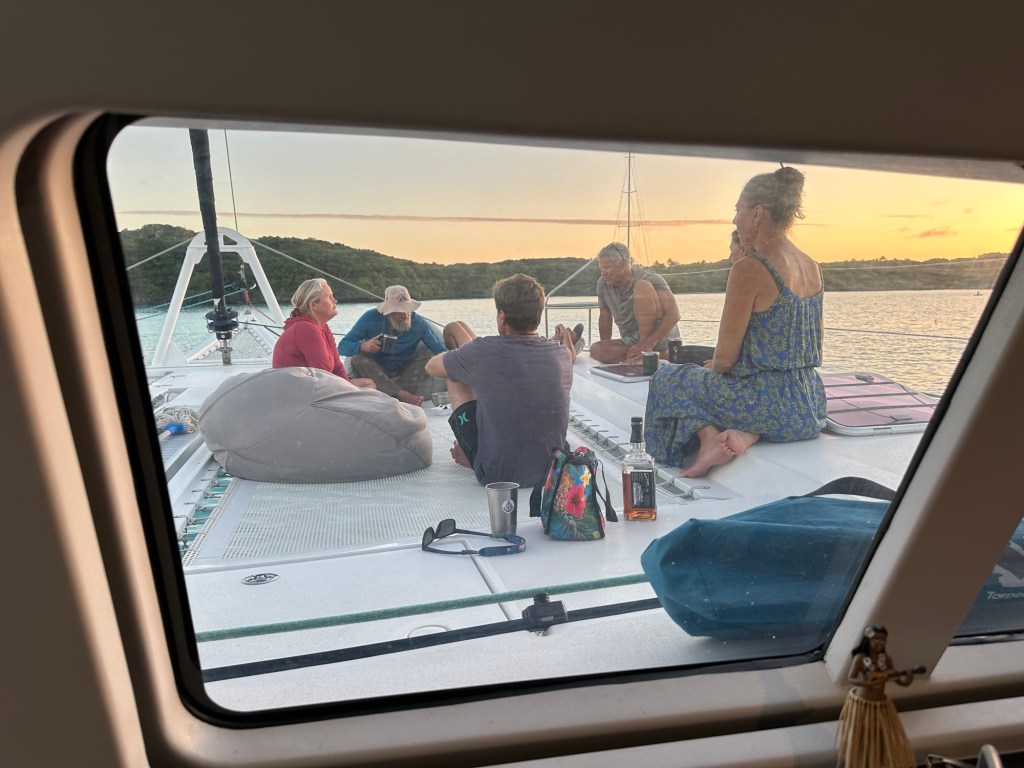
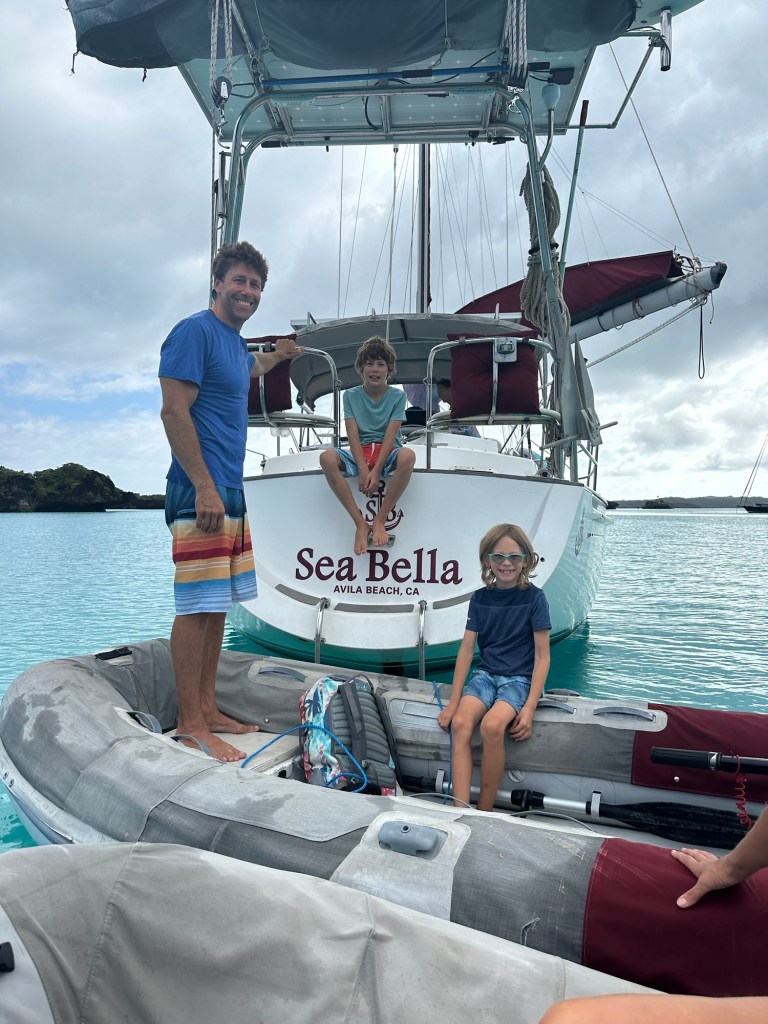
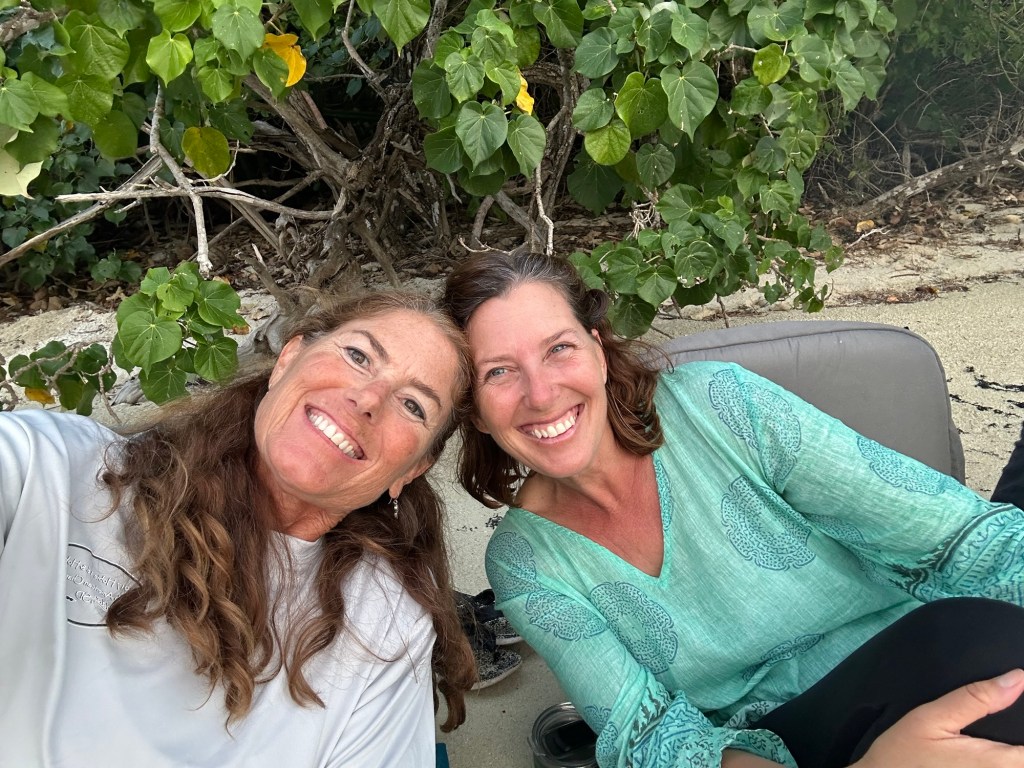
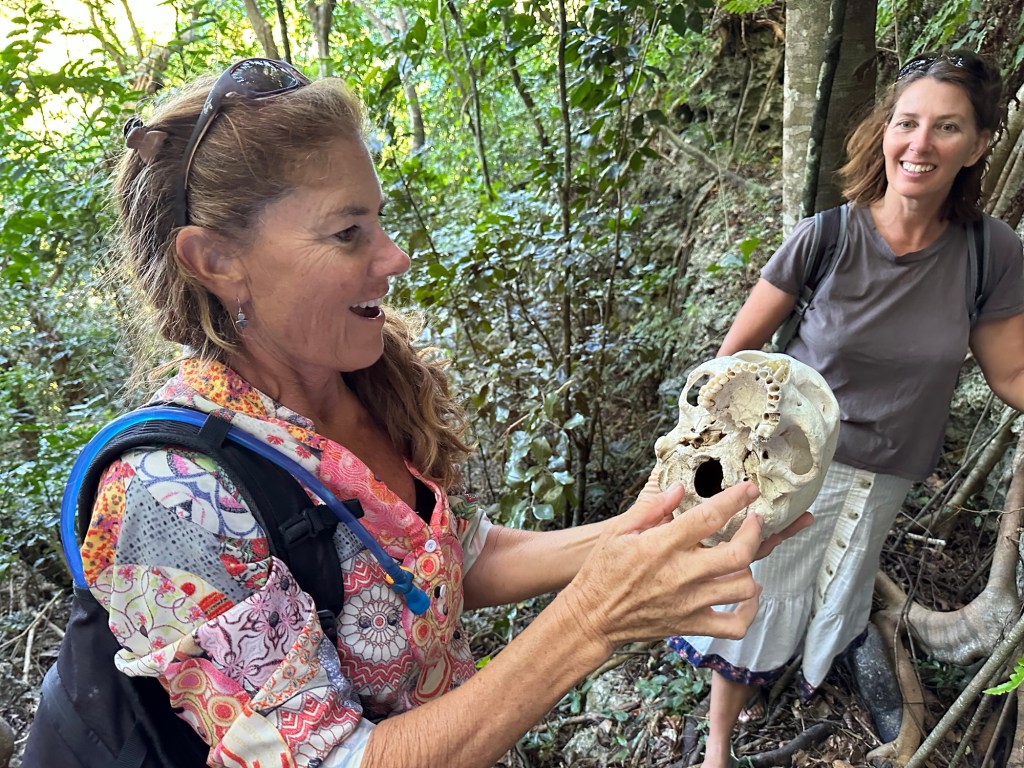
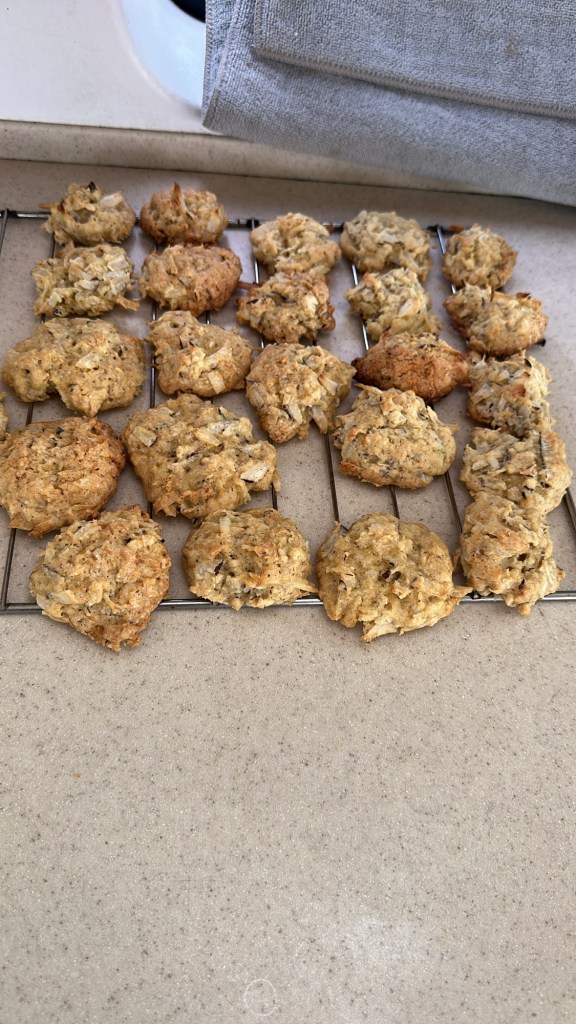
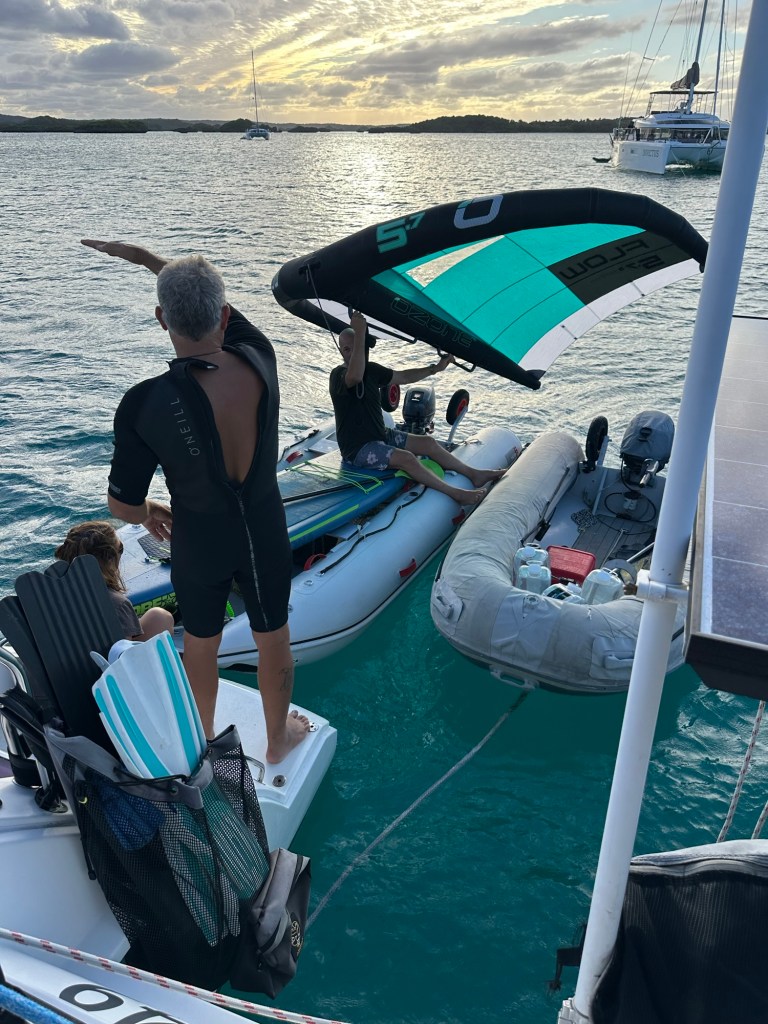
Too many to count….The stunning beauty. The amazing friendships. My bread machine. The friendly Fijians. The clearests waters. Shell searching. Very little humidity. Yoga. My amazing husband. South beach Ogea. My best girlfriend, Candice. Bugspray, bug couls and bug screens. Happy hour with friends. Sprouts. Cookies. Adventuring. Sailing. Cruising with Sea Bella. Wingfoiling. Playing with the local children. Jokers and marbles. Helping fix the villagers sewing machine and generator. Bonfires. And lastly; KALEA!
This life isn’t about escape. It’s about alignment. It’s learning what really matters and building a life around that. And, I am so grateful cuz it’s one of the best decisions I’ve ever made.
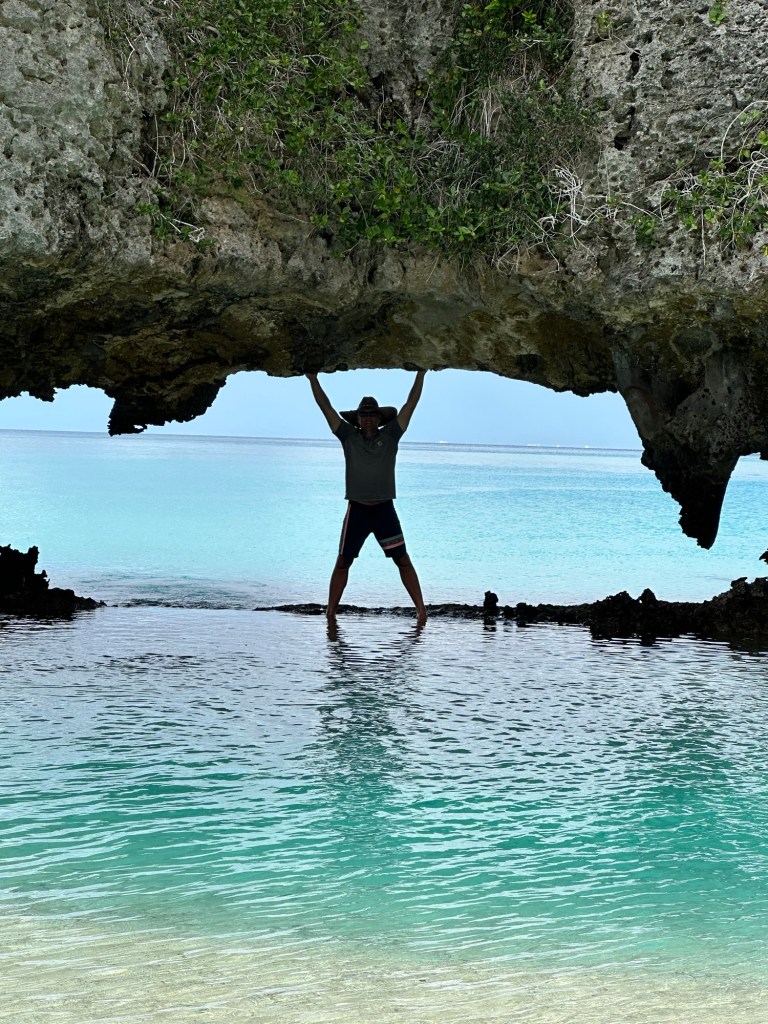
We now head back into civilization again. A quick stop at Kadavu for some world class diving. Then to Musket Cove. Fiji. I am excited to say we fly to California soon for Montana’s wedding. This October we head to Vanuatu, December New Zealand, March Australia, June Indonesia. (Loose plans for now)
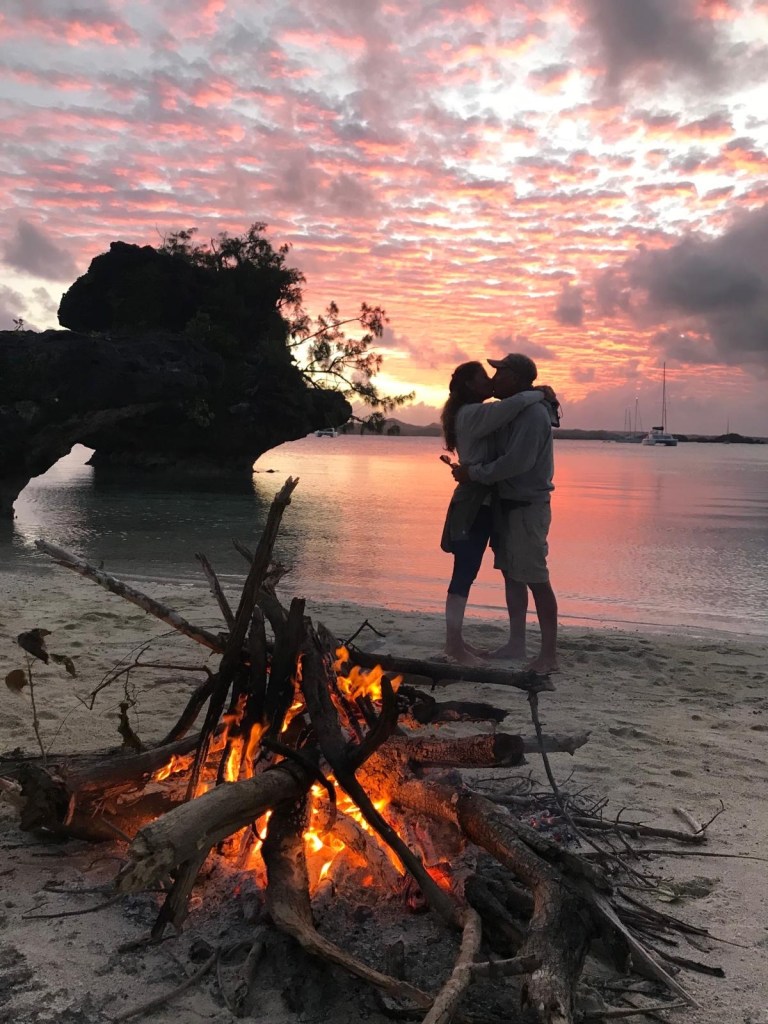
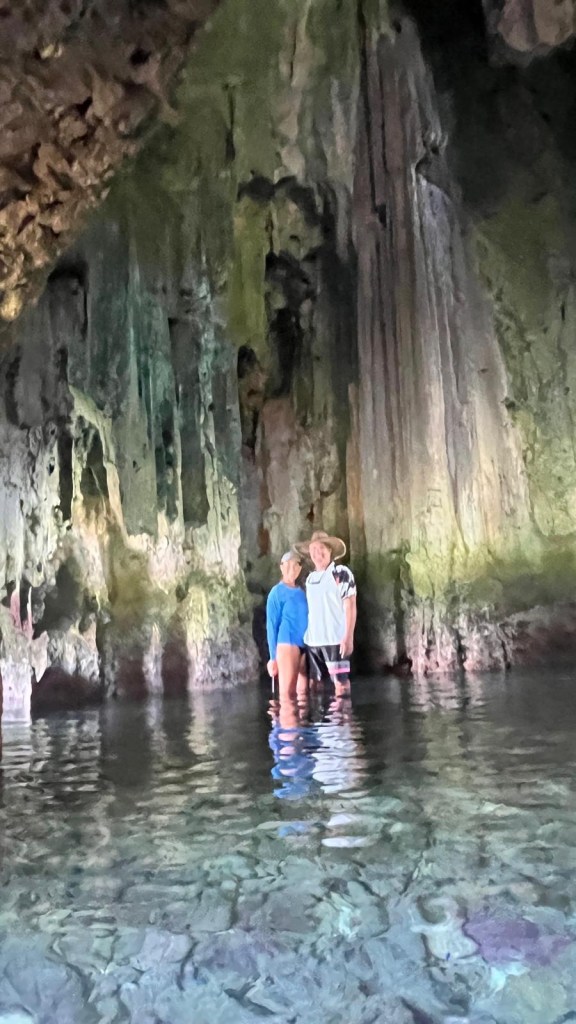
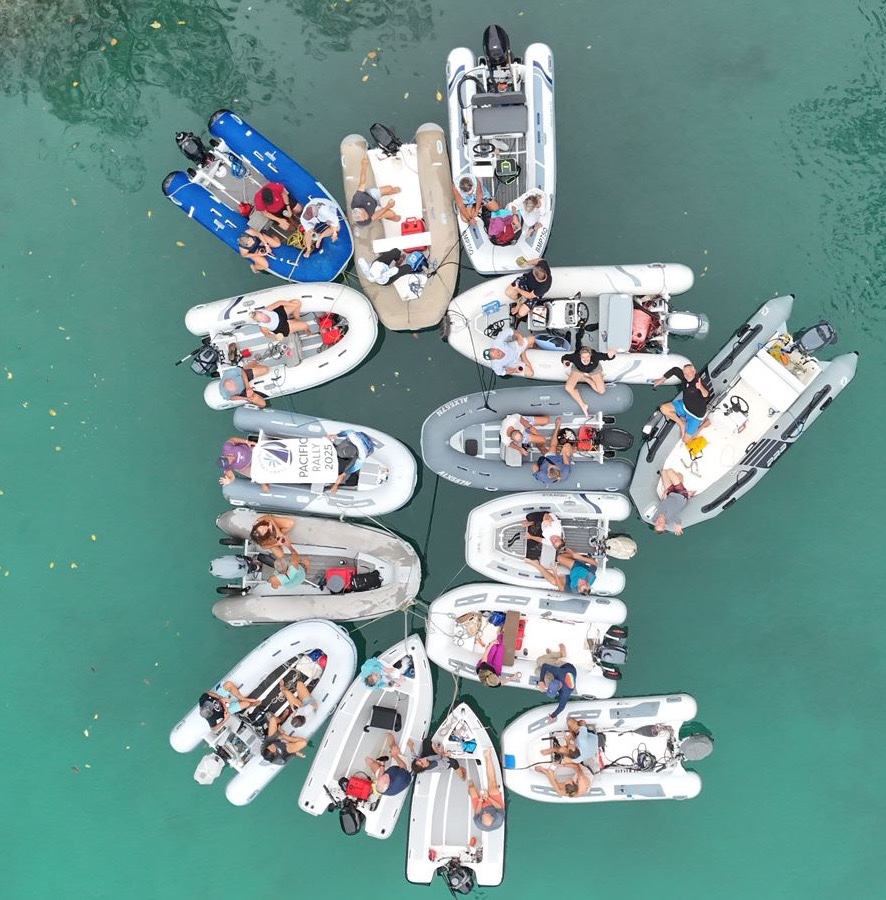
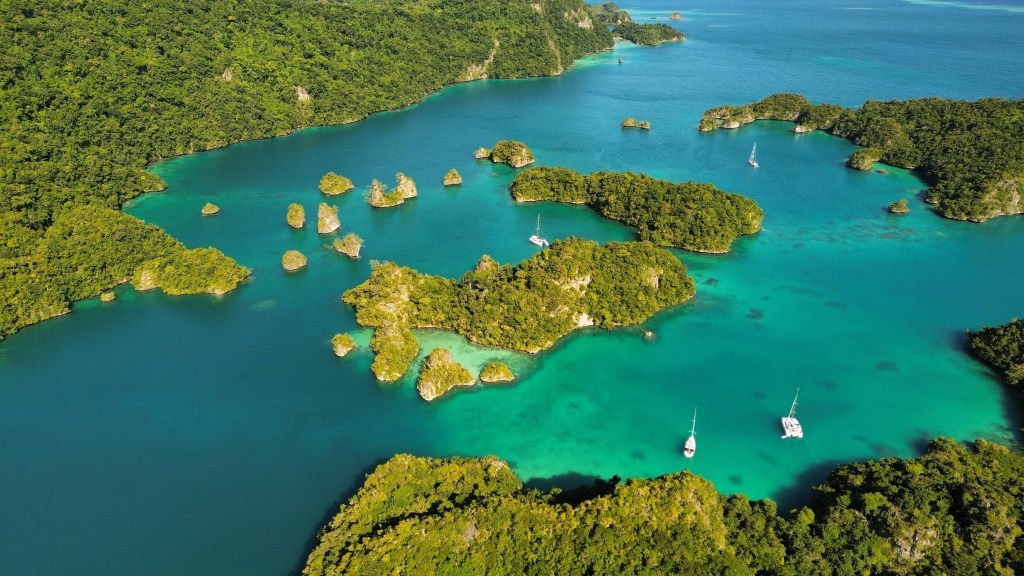
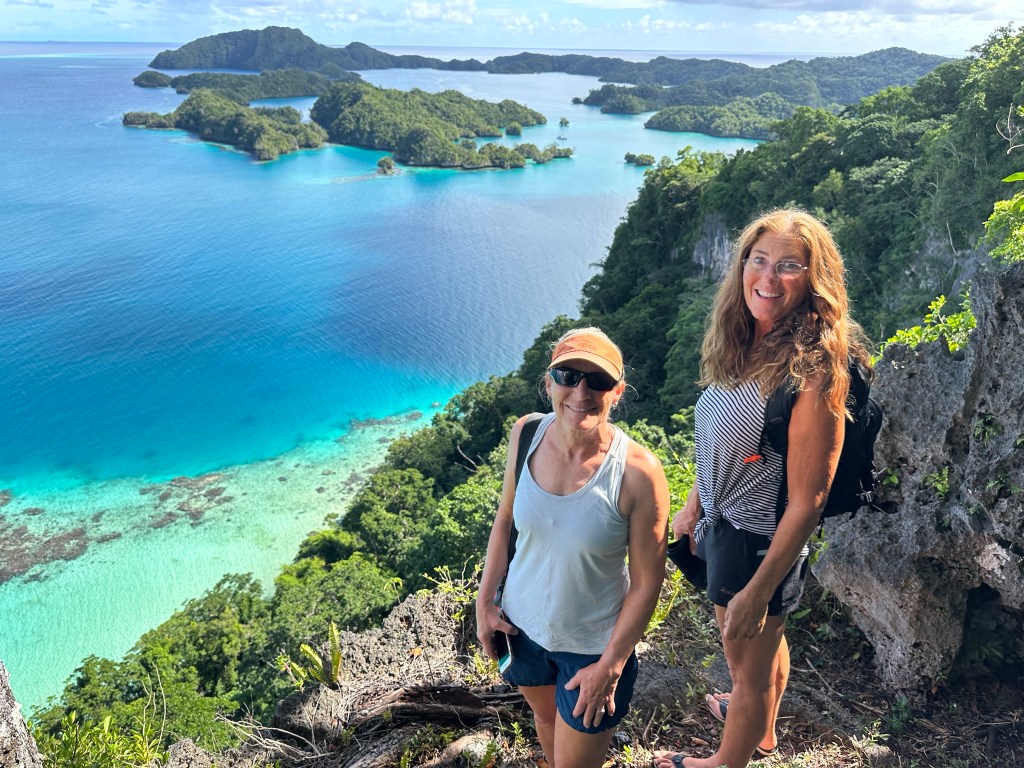
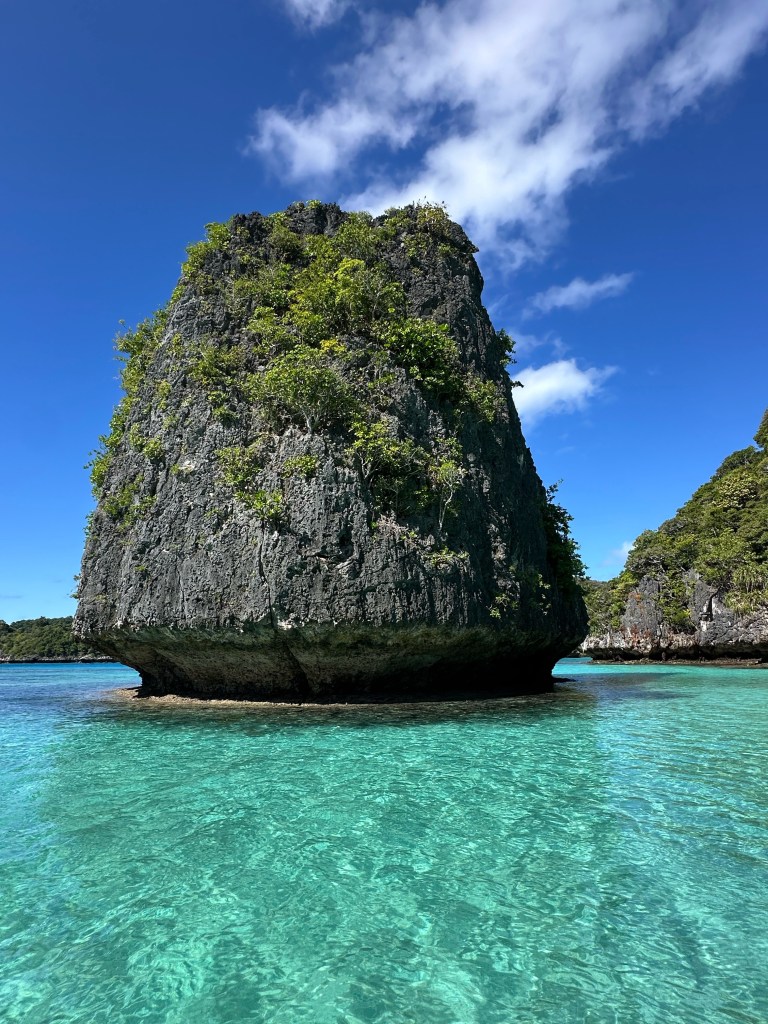
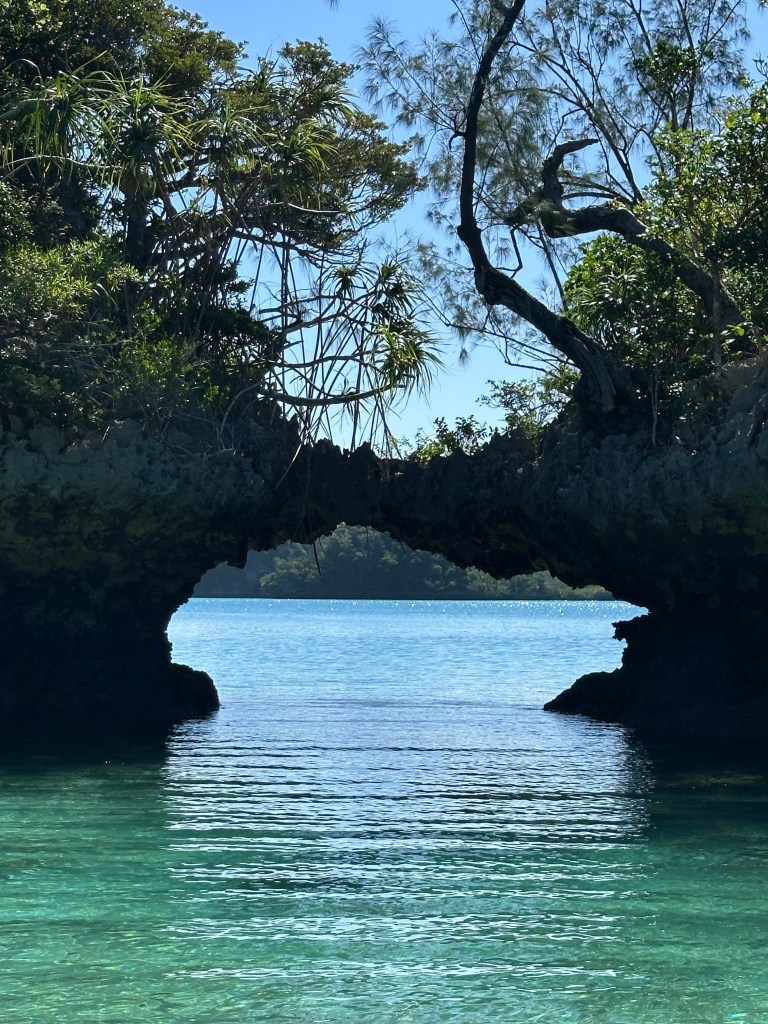
A quick photo dump of the beautiful Island of Venua Beluva, Fiji. We stayed a week, had some great hikes, dingy raft up, limestone caves, Scott’s 60th birthday, swims, and a bonfire with friends! Gorgeous! There are no homes around these parts due to the unforgiving landscape. The video below shows it all!

Sailing to the outer islands of Fiji, we experience an entirely different way of life. The simple life. We get to participate in the Sevusevu experience with the village chief and spokesman. Typically, as we first anchor down our Catamaran in their lovely atoll bay, we pull the dingy up the beach to look around. In these outer barely populated islands, we are greeted by a village spokesperson. He reminds us of the proper clothing attire (Sulu skirt, no hats or sunglasses, and women are dressed covering to the elbows and knees. (We later learned that Christianity introduced this) 😊
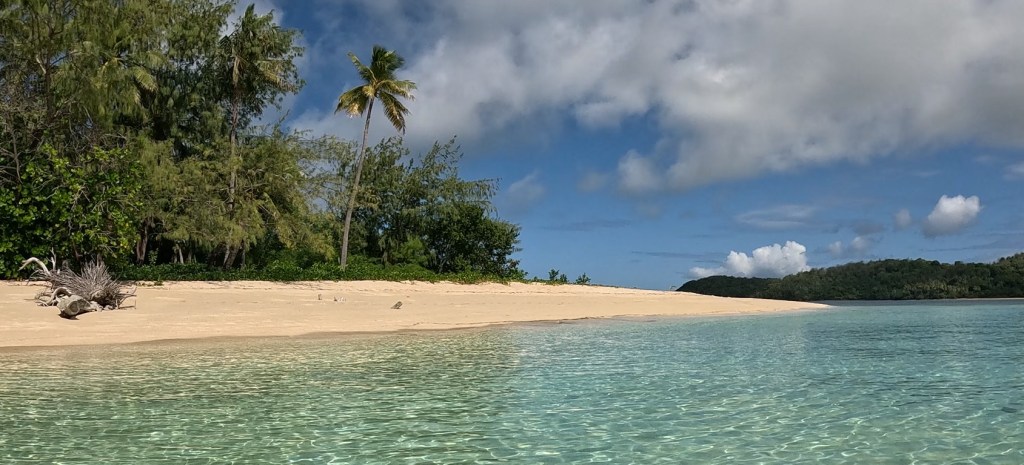
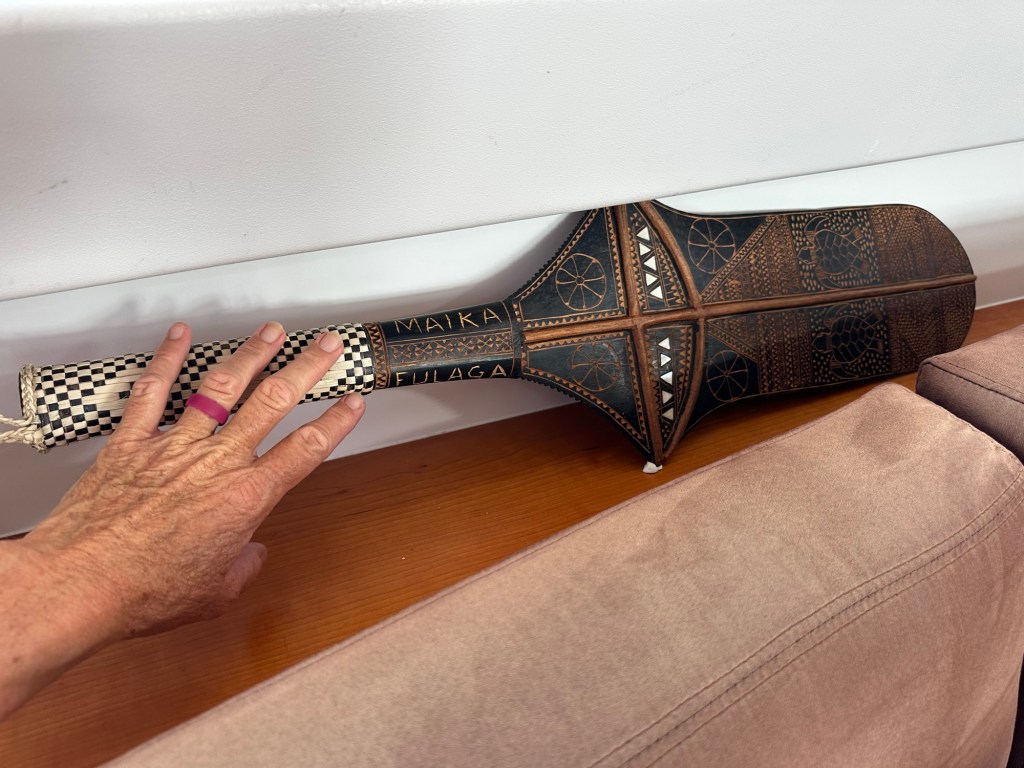
Here in Faluga, we are directly escorted to the chiefs home. This is usually a simple hut, with tin sides, a woven coconut frond mat on the floor for sitting, open air windows, and a twin bed in the room. Kitchens and bathrooms are outdoors and often a shared area. We go inside, barefooted to see the Chief sitting cross legged on the floor. We show respect with an introduction. We give him a bundle of Kava root and the chief then gives us a blessing to stay in the bay as long as we wish and be part of the village. We all clap three times, I guess to seal the deal. We may also give some small items like reading glasses, a few clothes, or a simple sturdy toy for the children. He invites us to share ideas, local news and stories while we sit in a circle on the floor. We learn some facts about their village culture and history. We get to fish his waters, take coconuts, walk his beaches and explore the rain forest. 😊
Since Fijians are so friendly, we chat with everyone in Faluga that walks by. Everyone is barefooted and casually busy with their chore of the week which is usually assigned by the chief. Afterschool, the children are eager to play and goof around with us. I give a little girl a lollipop and a deck of cards. It’s amazing to experience the innocence of their casual and simple lifestyle. REFRESHING. Only simple paths connect the tin open air houses, the one church is framed with stucco siding as a safe place for all to gather during a cyclone. There are no roads, since there are no vehicles. Sand paths connect all the homes and gardens. There aren’t any refrigerators or freezers, or washing machines. There are 2 generators for all to share or rent. Gas for their few longboats and food staples are delivered once a month for all to buy into. Villagers either pay a few dollars or trade with their personal goods (fish, lobster, clams, beans, kassava…)
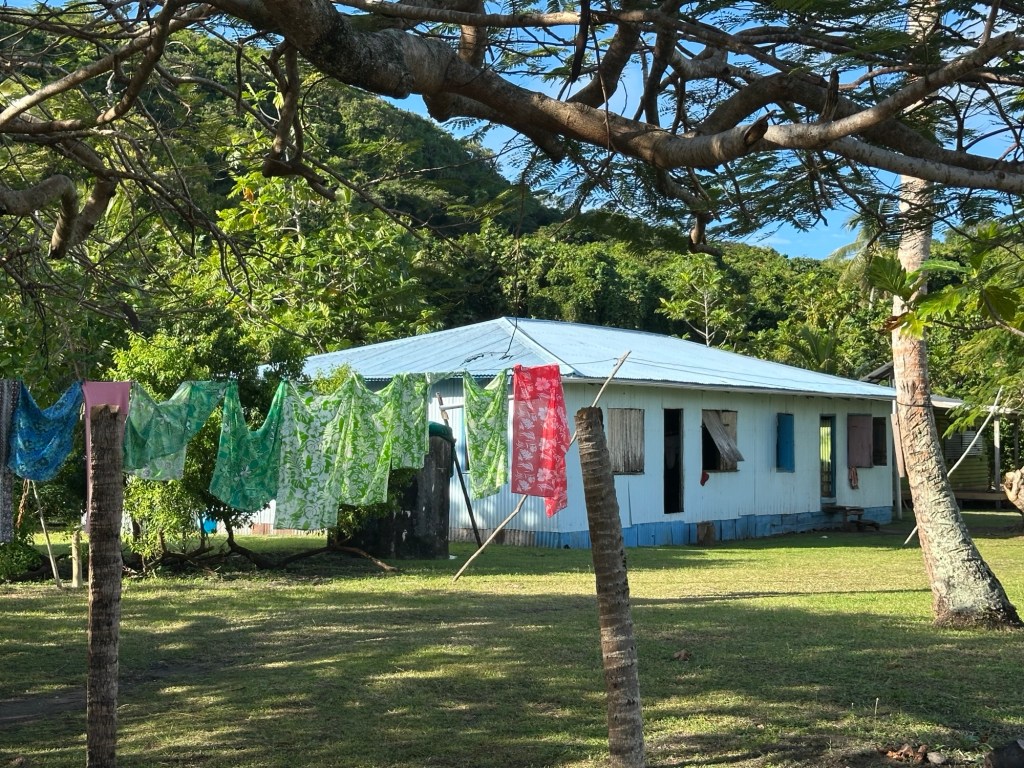
Faluga is a unique island, as the chief decided to assign each sailboat to a host family for the entirety of the stay. We are treated as family and often share meals (called Lovo, served on the floor, no utensils, drinks or napkins). We exchange ideas, laugh at our commonalities, talk about each others history or politics. This special time is so endearing and educational for both parties. Together we hike, collect coconuts, weave mats, and search the beach for clams.
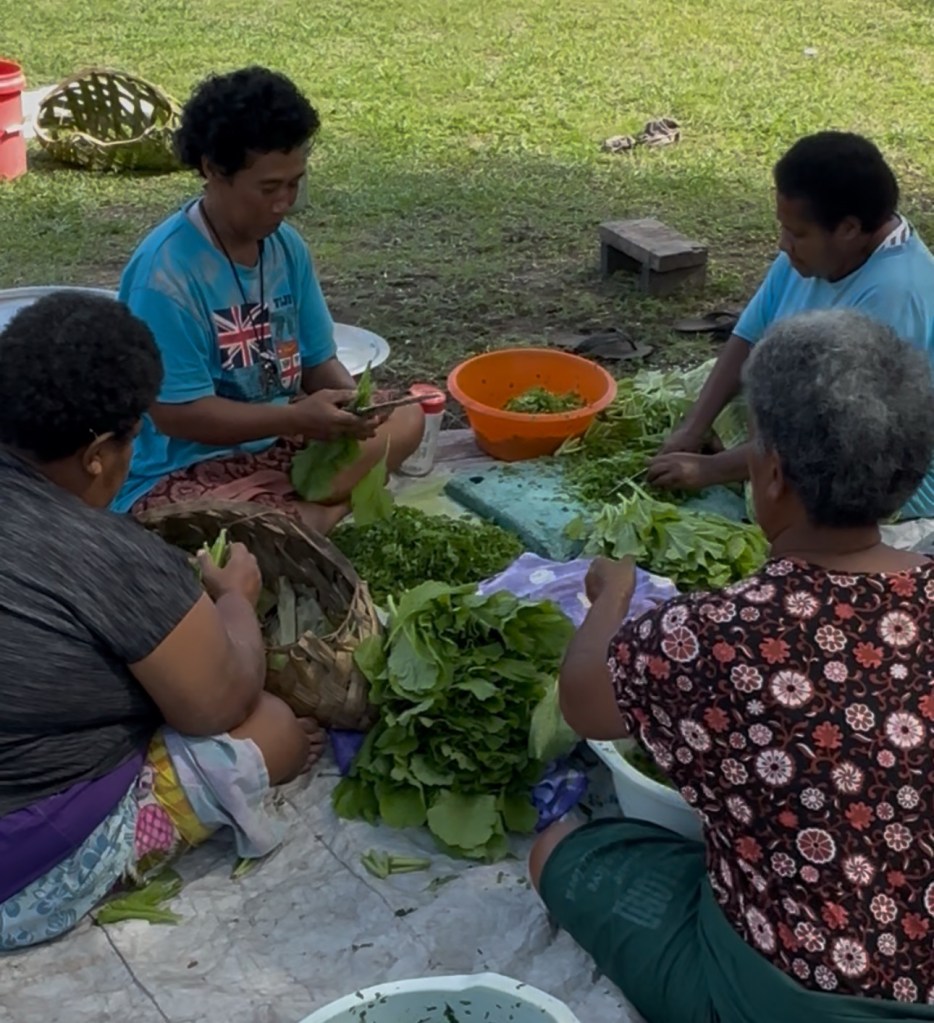
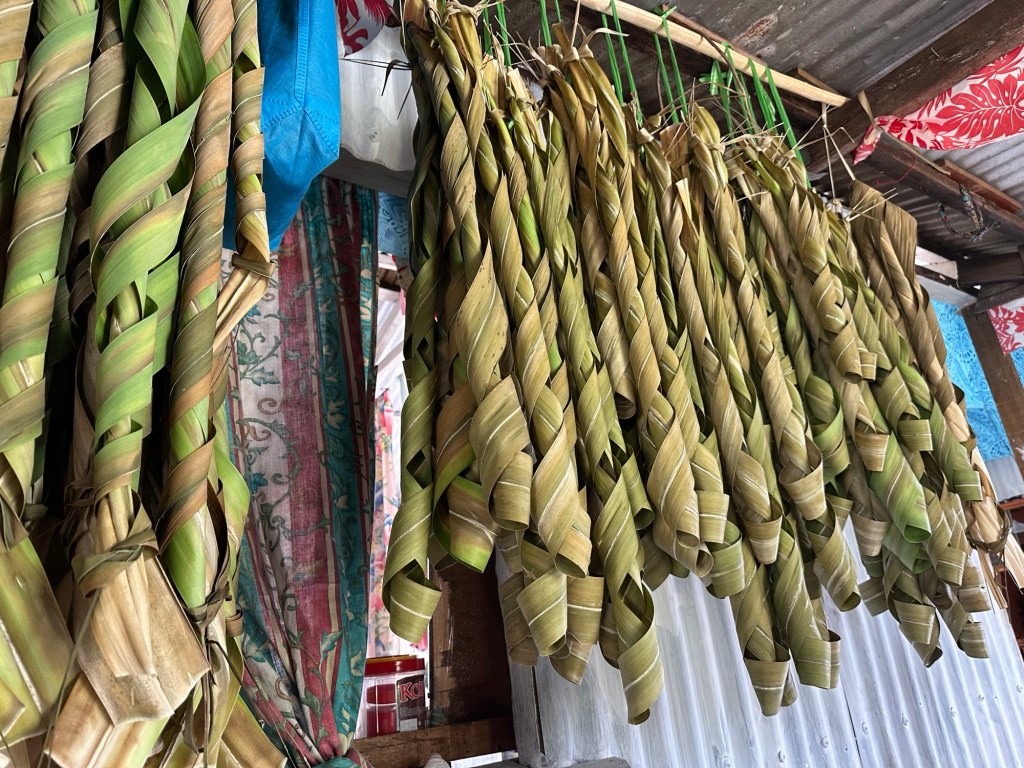
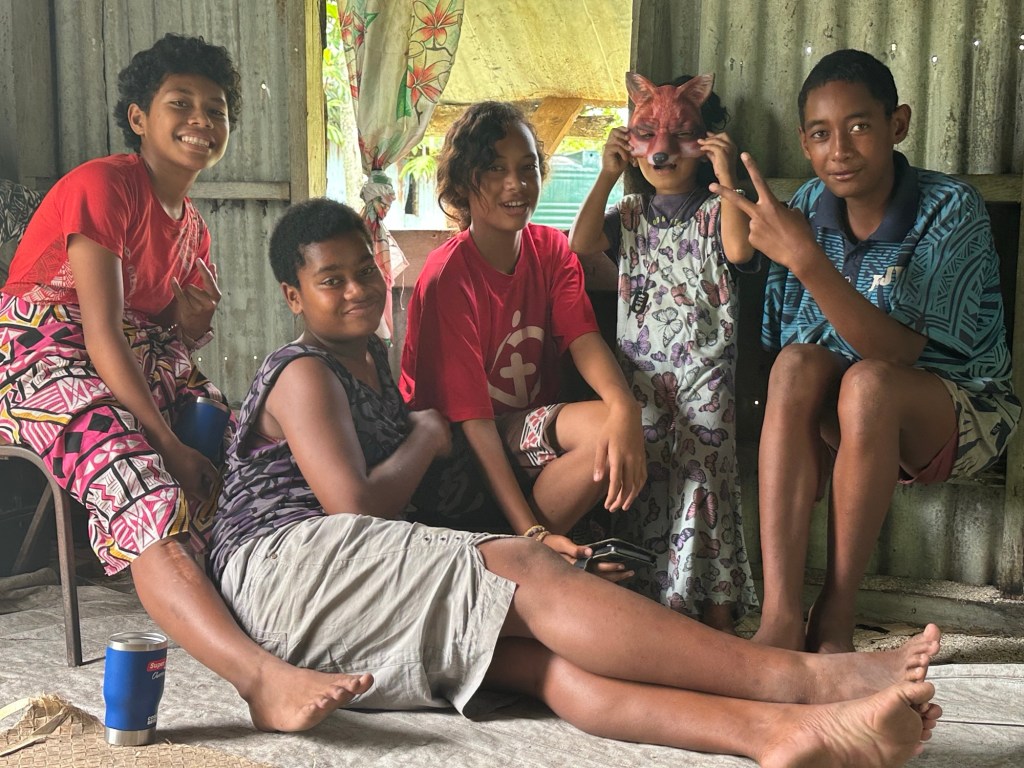
Tie is our host, we walk to gardens and we pick cabbage, kassava and beans. We later explore the trails, school, church, and any historical area of the cave of bones, high in the hill. Tie has also arranged for us to go out on a spearfishing adventure with his cousins. A kava night has been arranged. We see some his brothers canoe at a sailboat selling fish and fruit. Tie takes us to the ladies’ handicrafts for us to admire, purchase or trade. I have bought baskets, jewelry, and special shells.
Thank you for reading this review of a Fiji village, in October we say goodbye to Fiji and head west to Vanuatu.
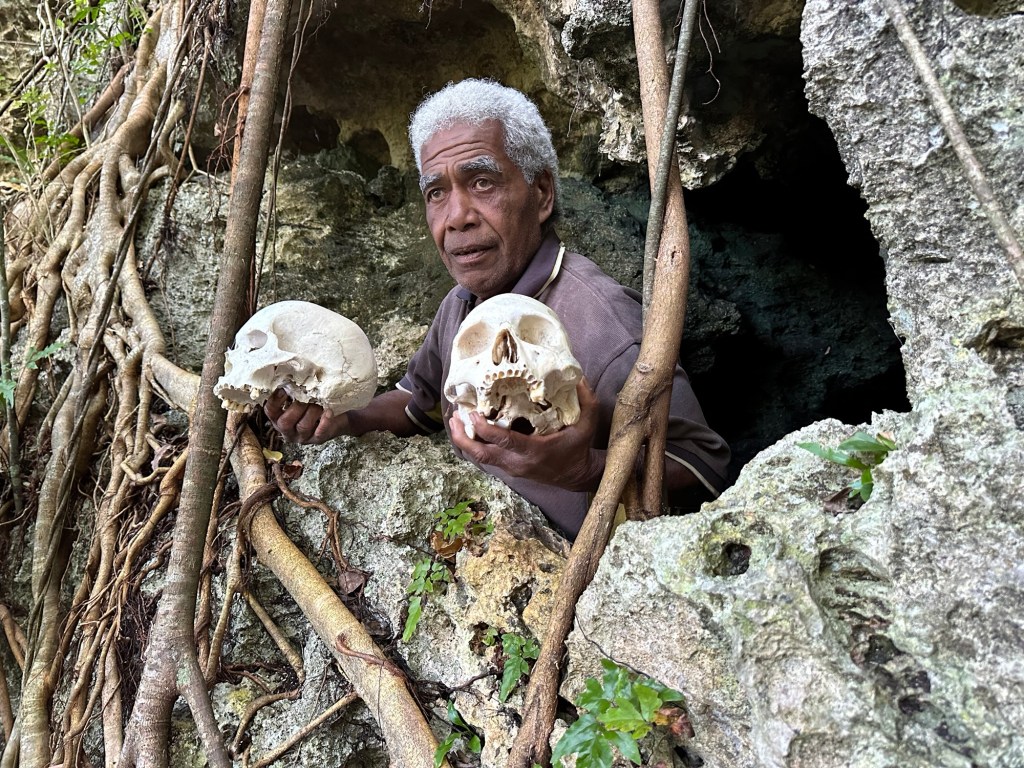
 Our World Adventure