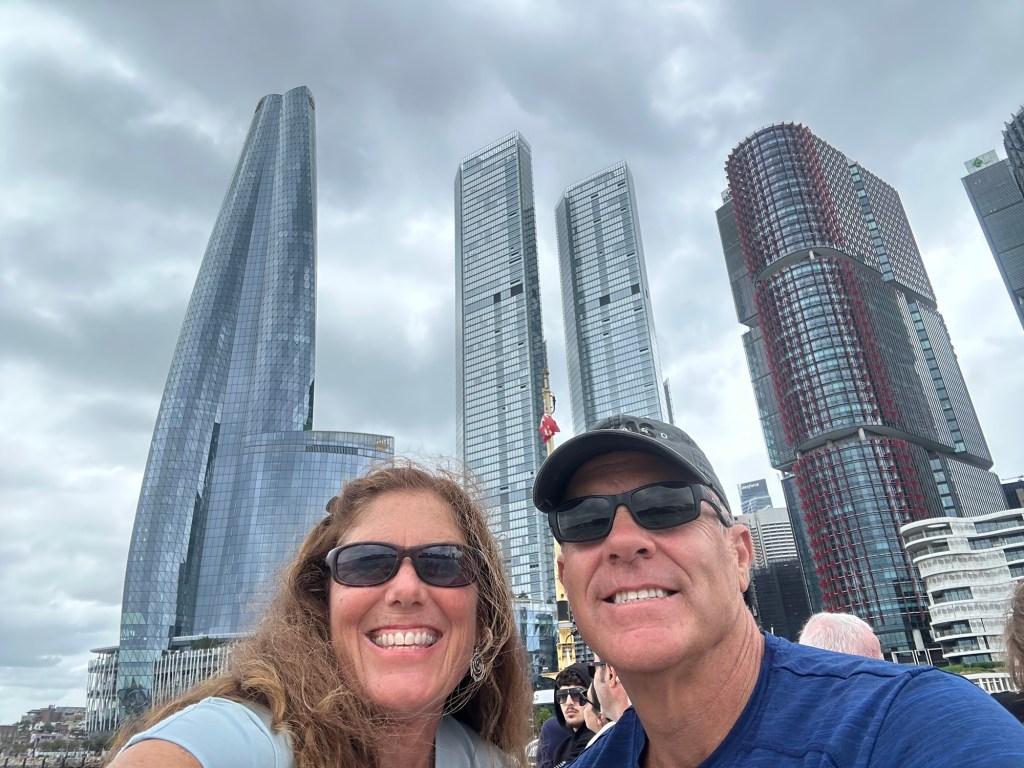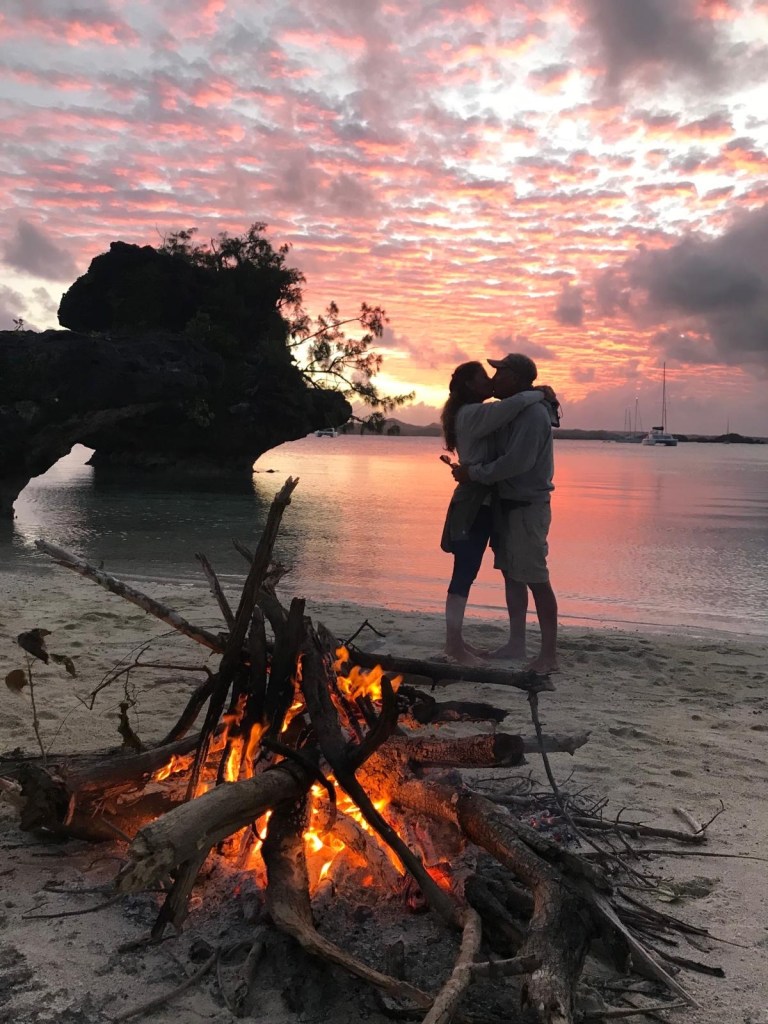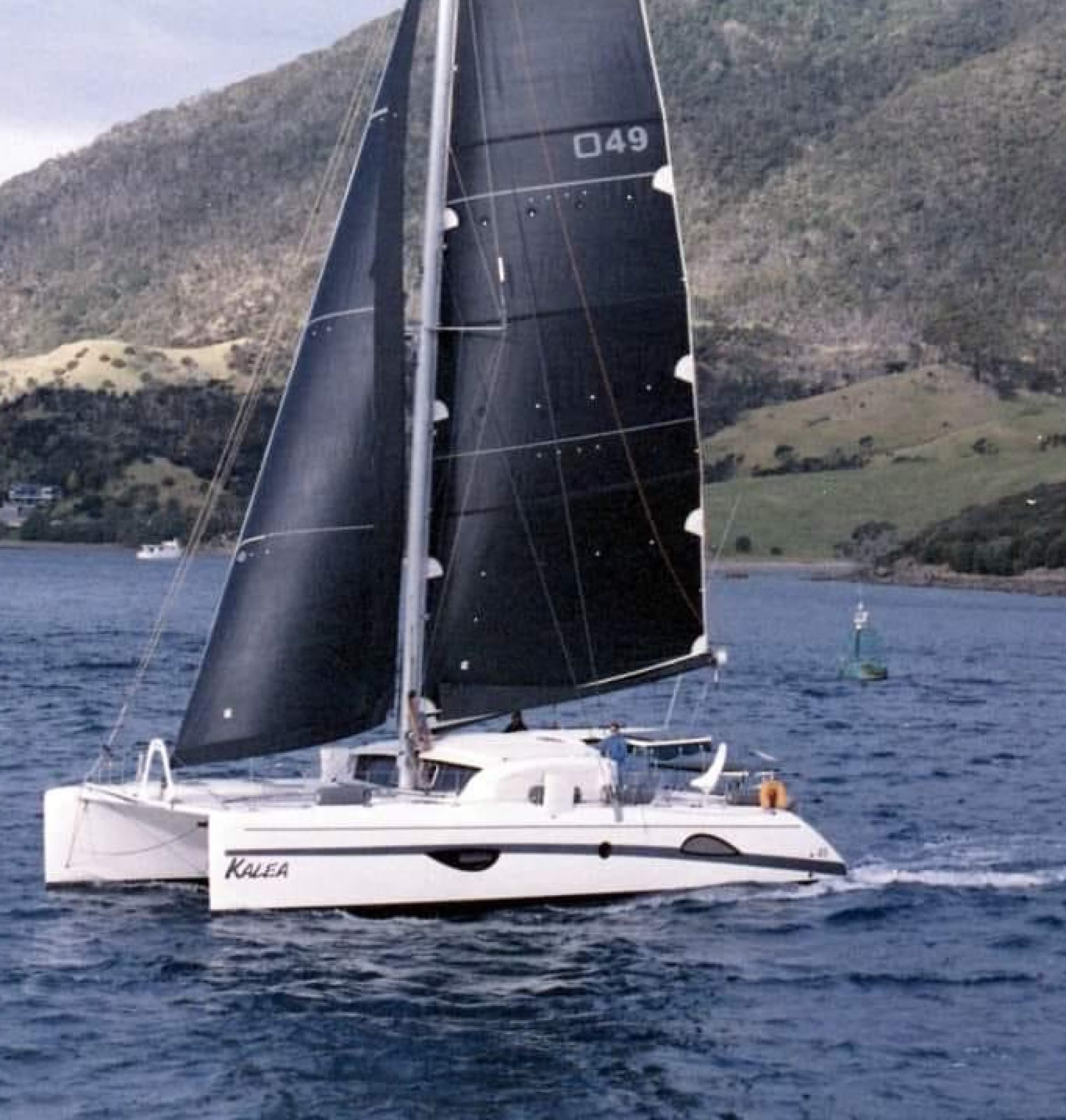
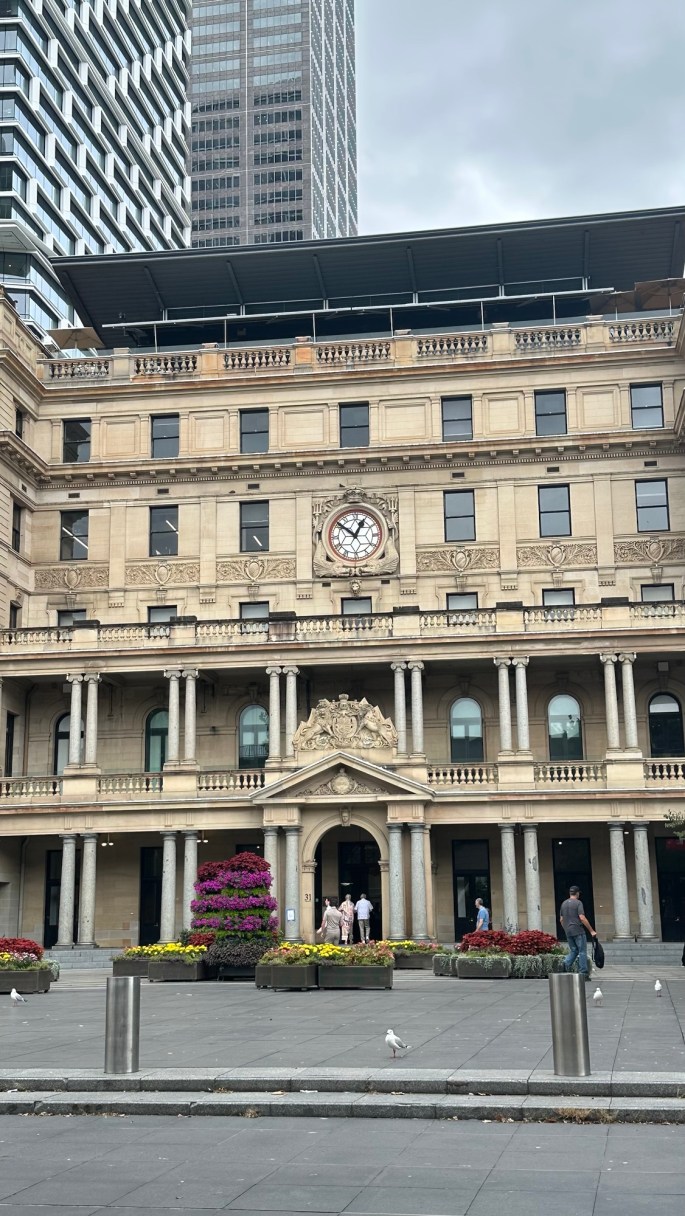
Auckland, New Zealand

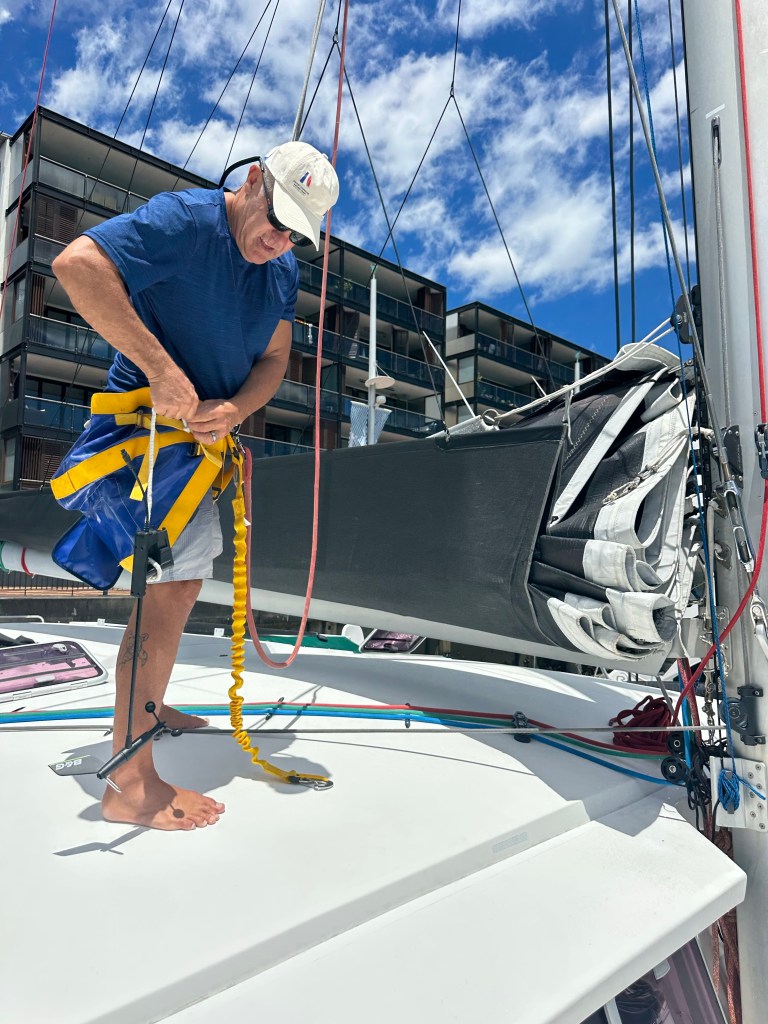
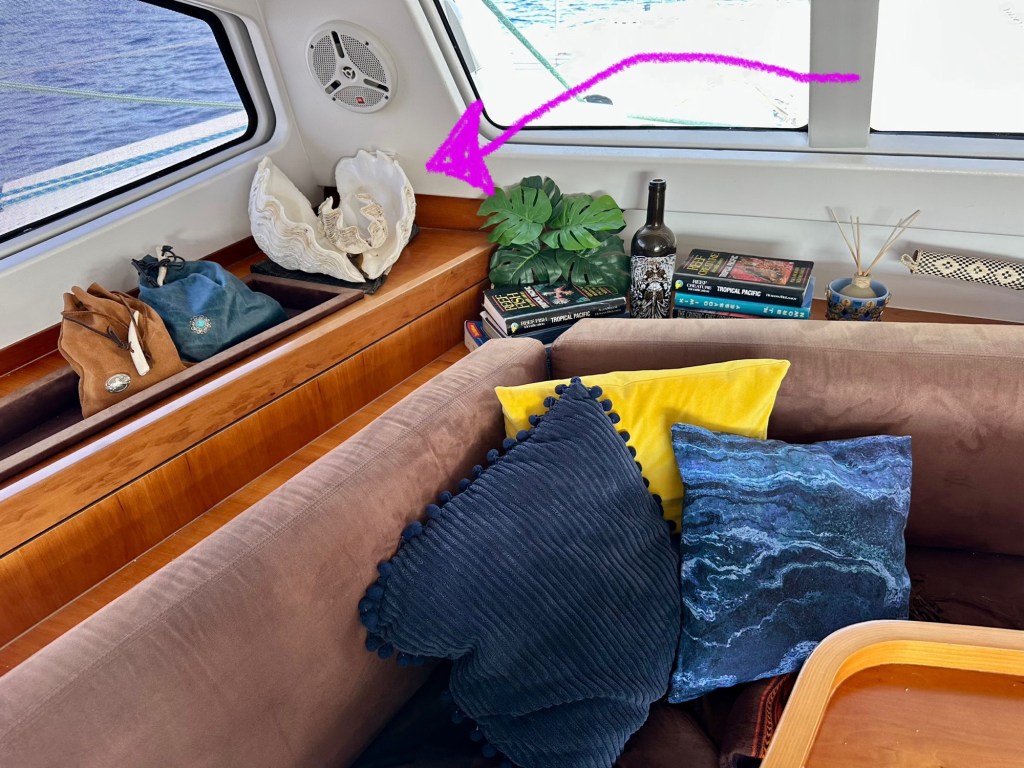
Our home for the month.

Docking in downtown Auckland, crazy tricky.

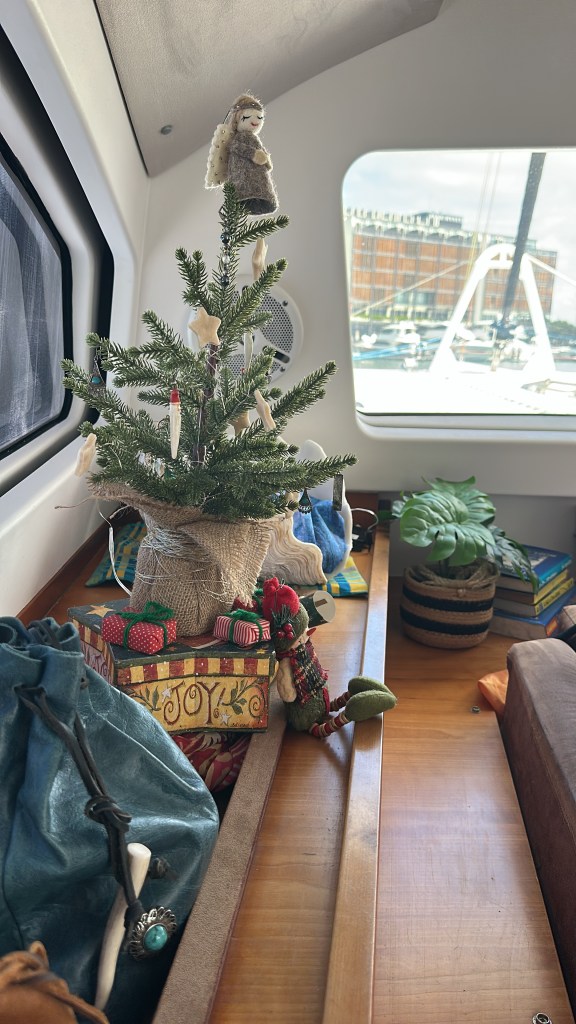
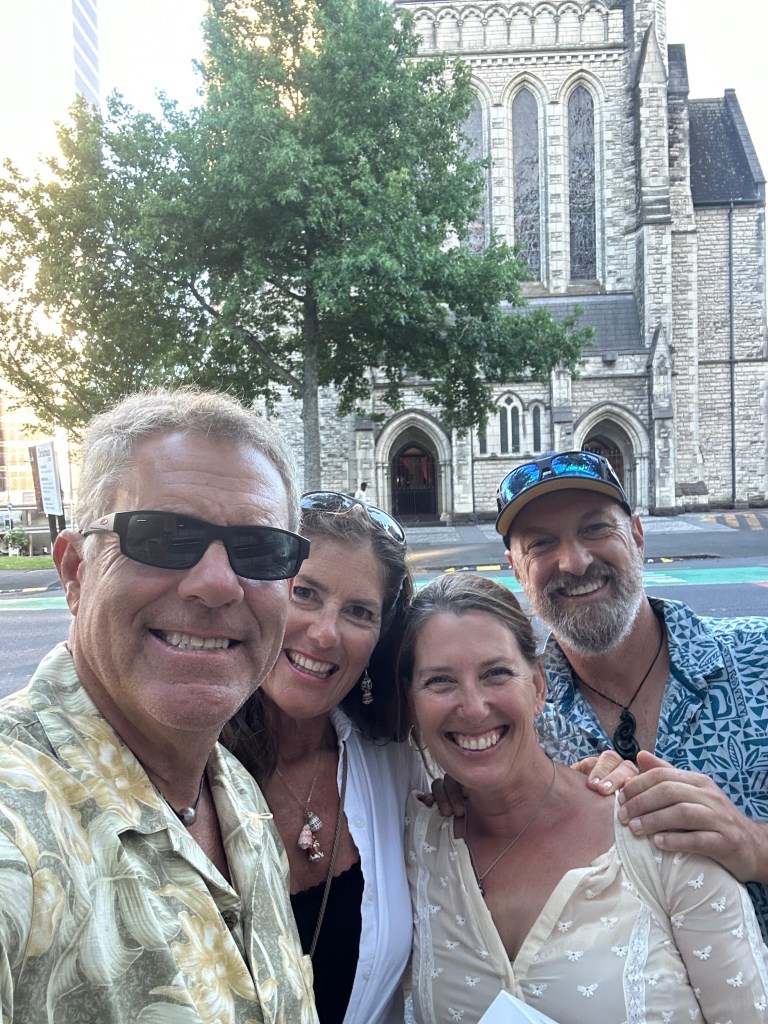
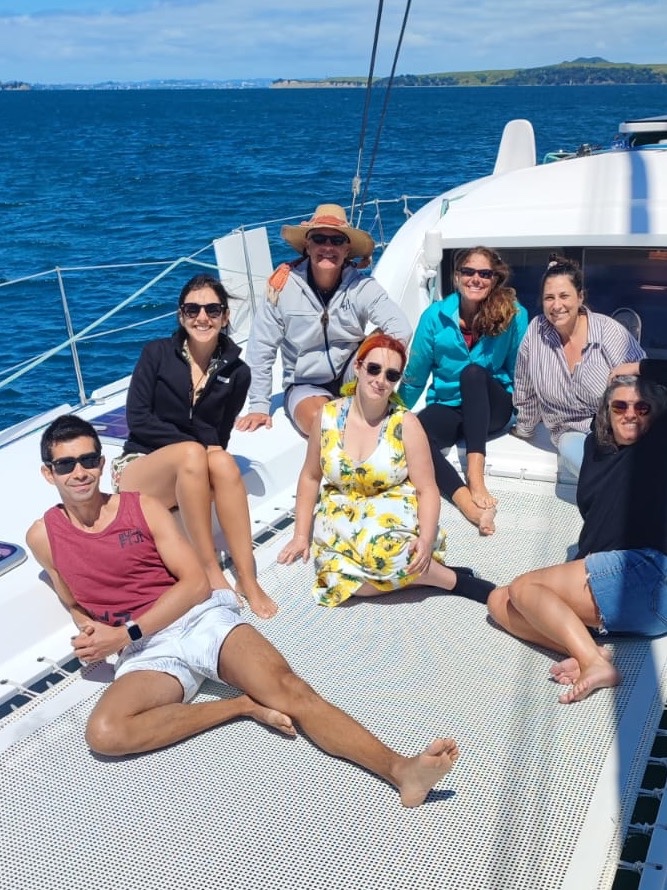
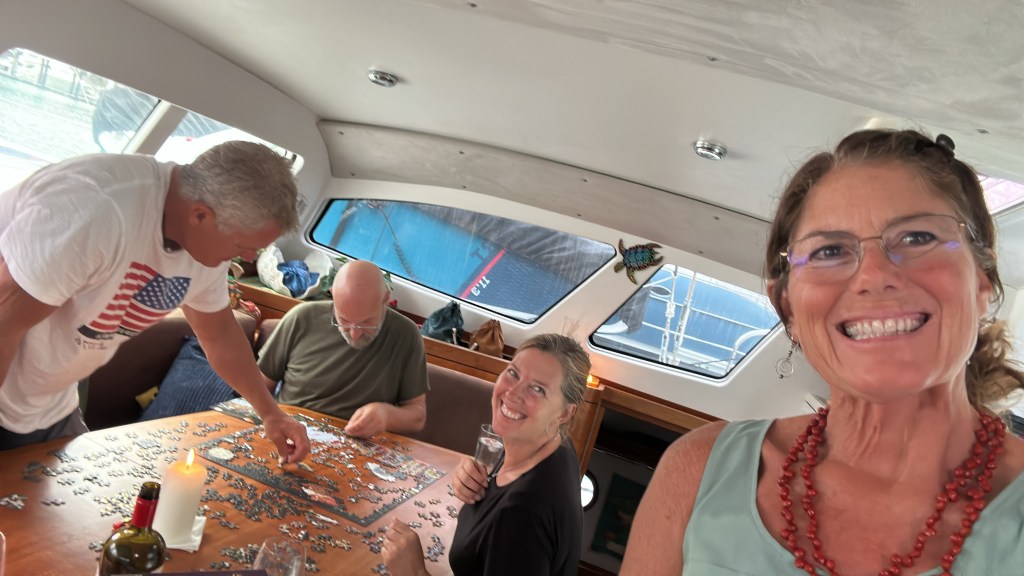
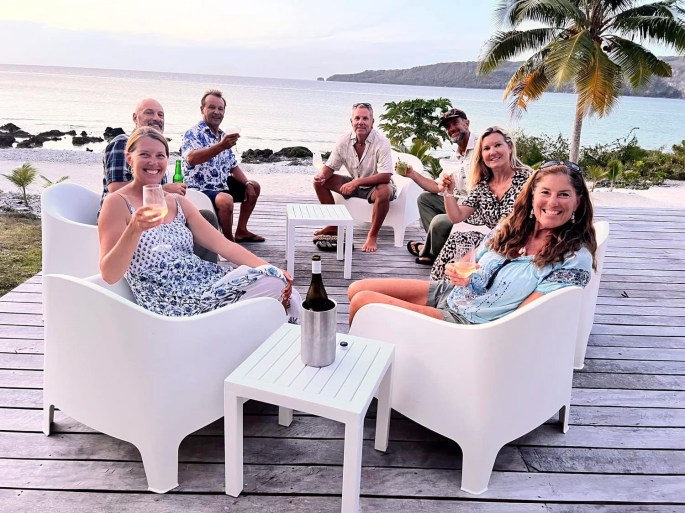
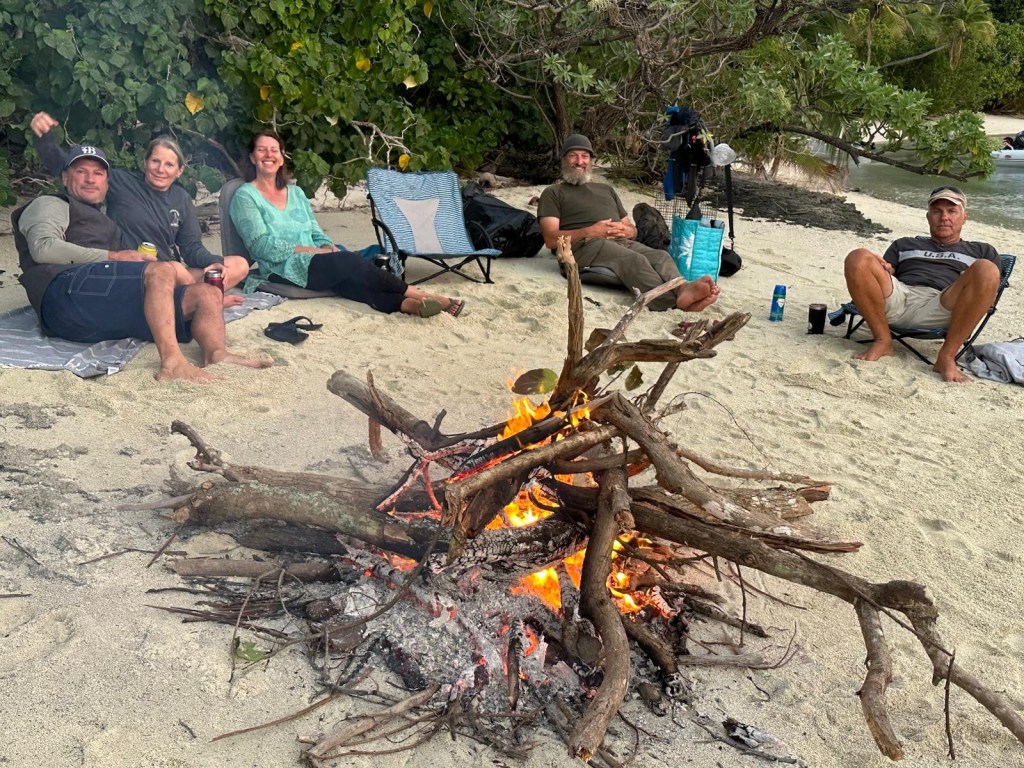
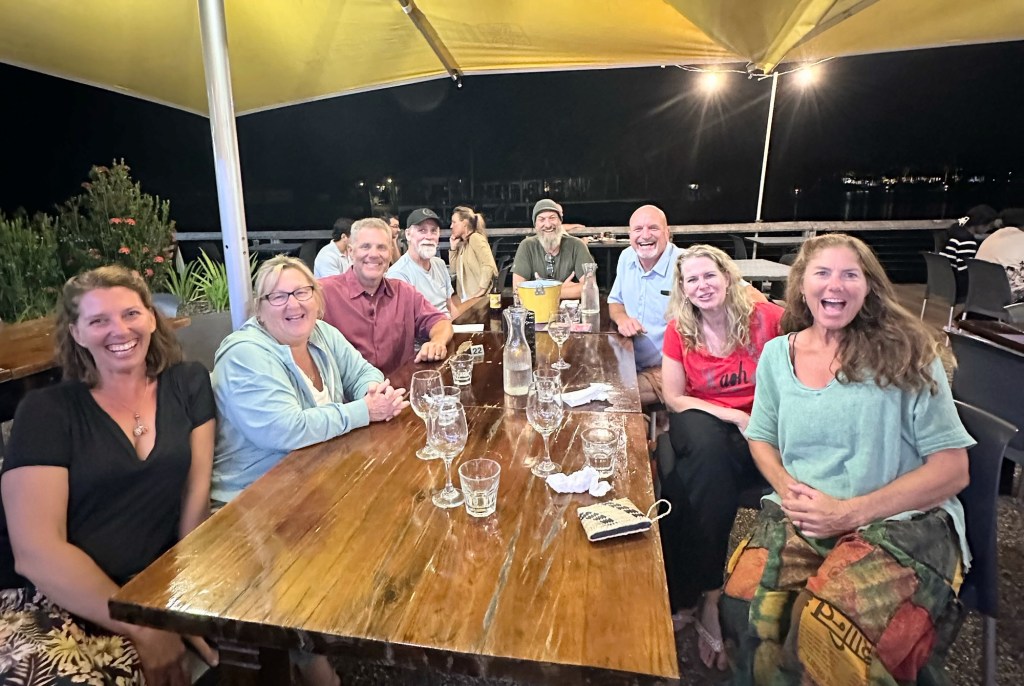
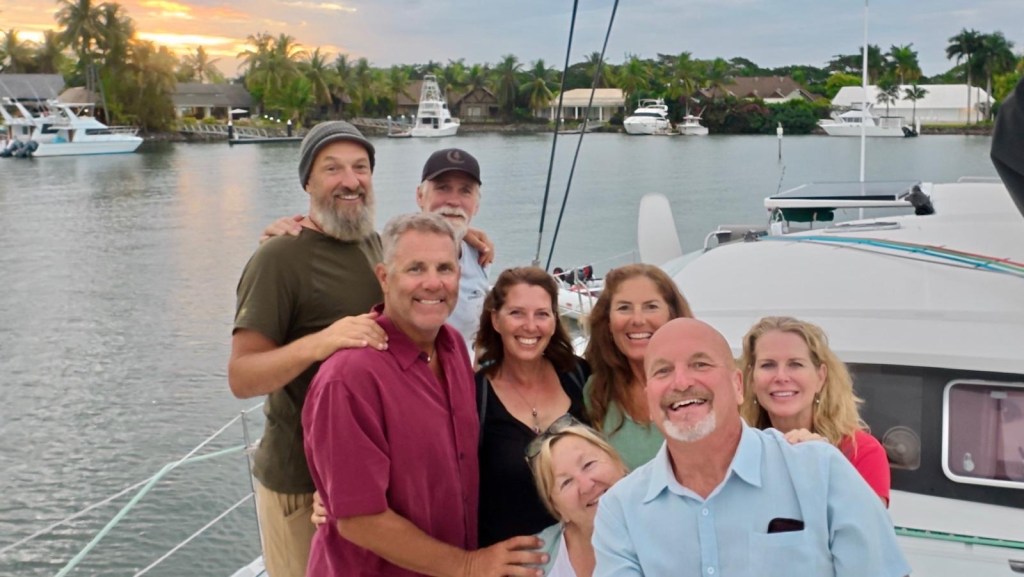
Merry Christmas to all! We had a quiet, fun Xmas on the boat with our besties, Jason and Candice. We later met some local Kiwi’s and invited them out for a sail in the bay. New experience for them.

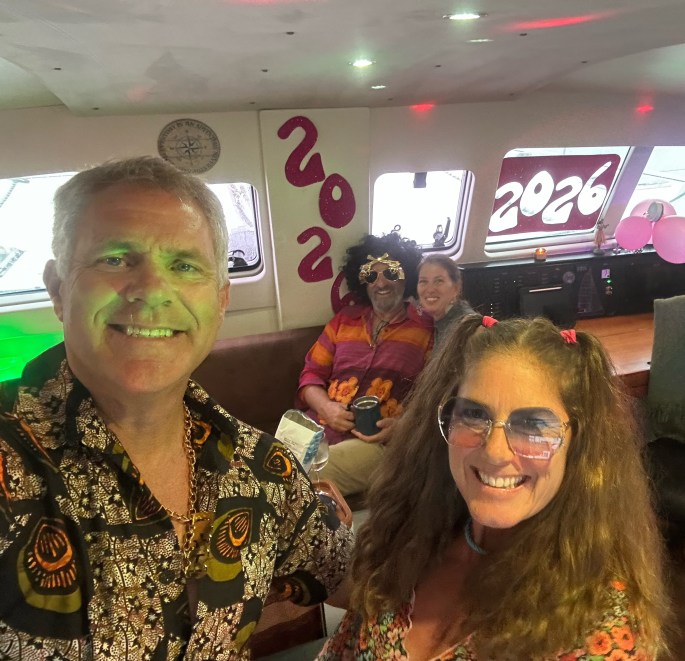
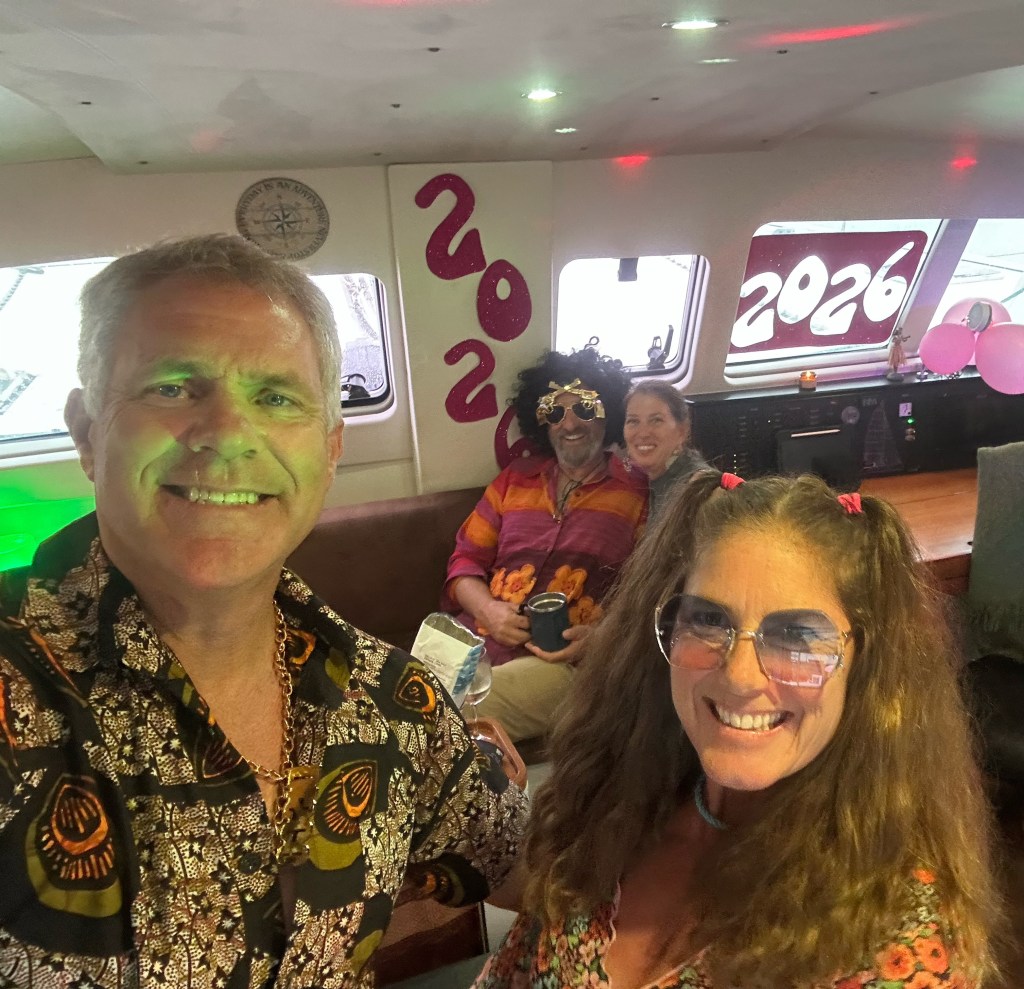
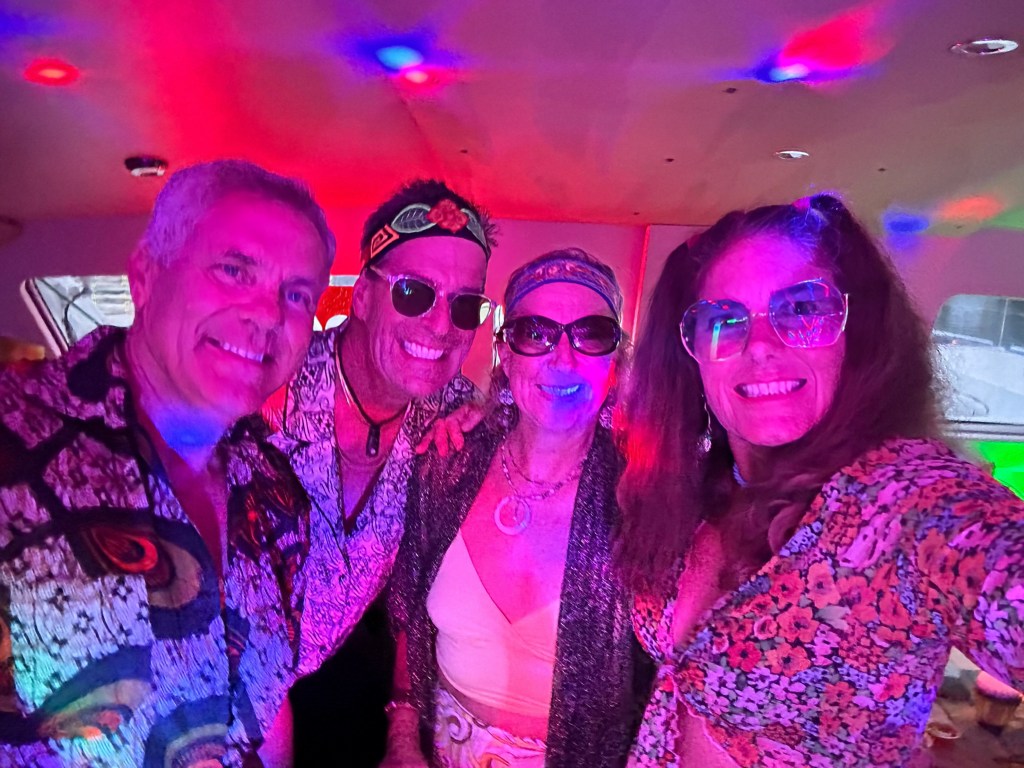
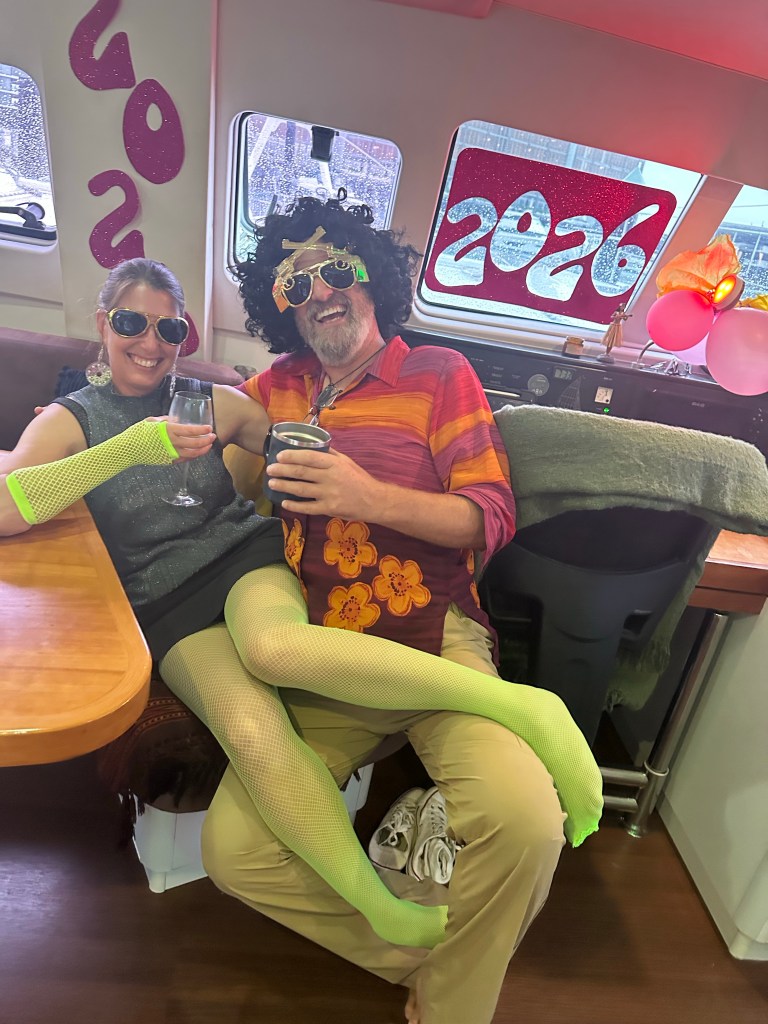
And, Happy New Year to all! Since we had such a fun New Years last year downtown Auckland with numerous cruiser friends, we thought we could repeat it on Kalea. We threw a crazy loud and silly costume Disco party, with music, lights and all. Take a look at these silly videos.

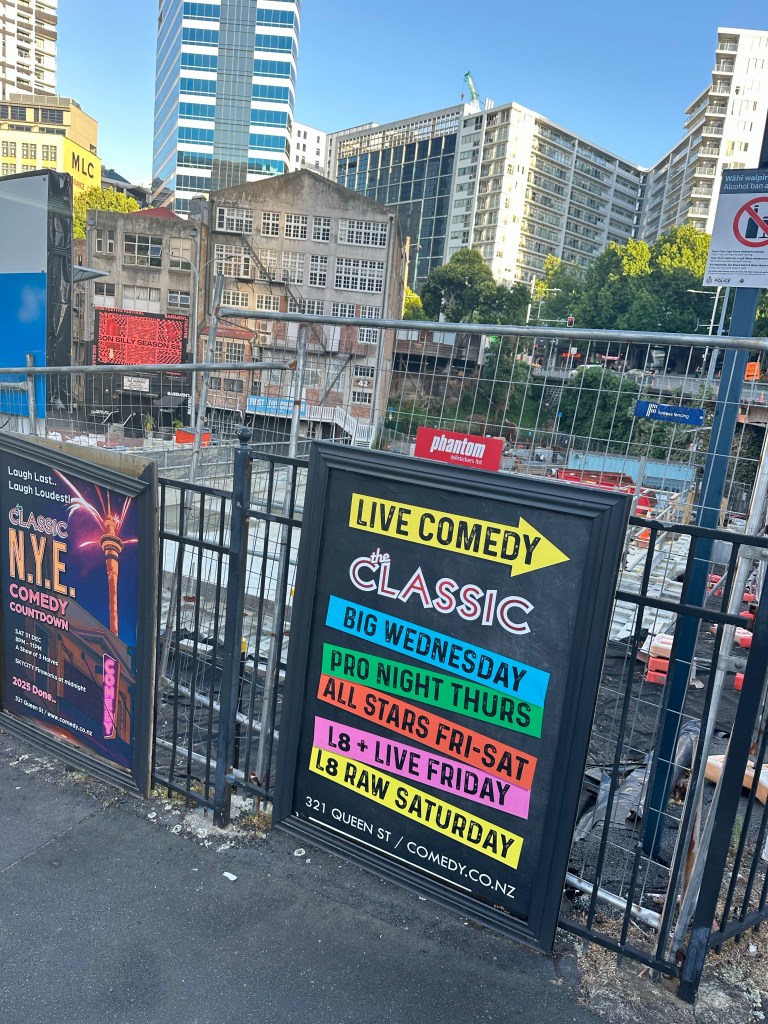
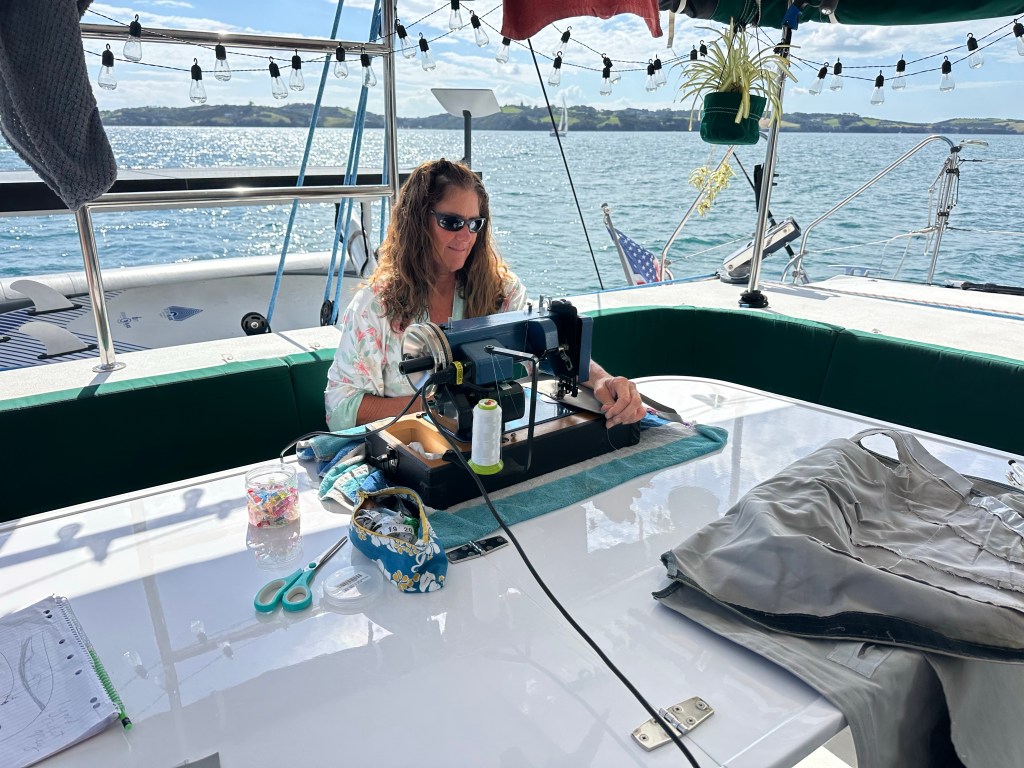
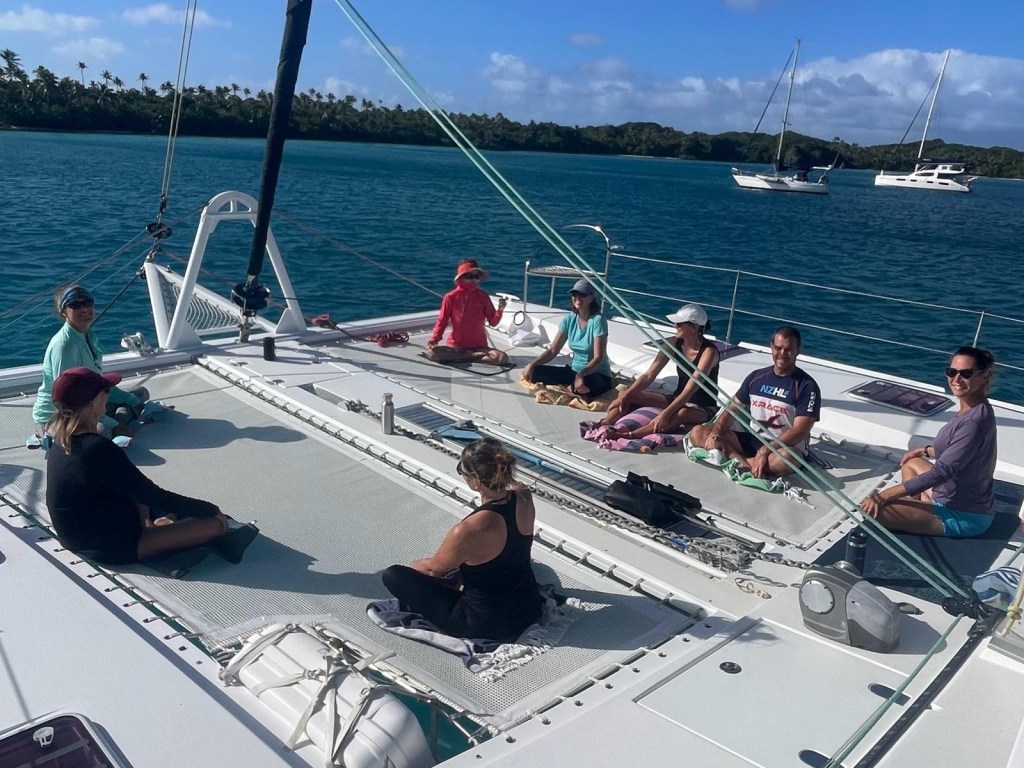
What else have we been up to? Plenty of big city activities downtown Auckland, we even found a gym for the month! We just hop on a little pink scooter and zip around town. Plus our normal boat life, shopping, marine projects, hikes, exploring, bussing it, nightlife, sewing, friends, restaurants, and yoga. Life is good and very full, just the way we like it, for now.

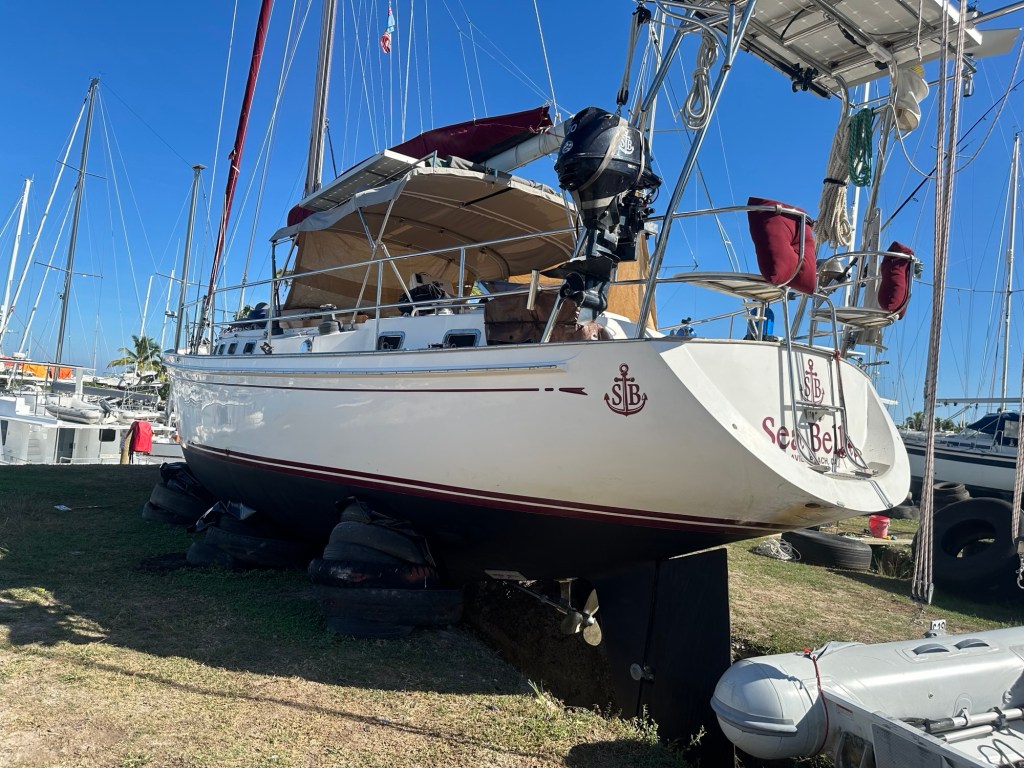
What’s next? We will continue exploring this area till mid February, then haul out Kalea as she is due for a bottom paint called antifouling. We really are keen to explore Australia, so instead of sailing there, we will hop on the plane. Need to do a visa run anyway, as we only get a 3 months visit at a time. A flight will be much quicker than sailing there, plus Australia is so huge. We will spend 5 weeks exploring and visiting some cruising friends there. Transitioning from sailboat to a camper van should be pretty simple, NOT! Stay tuned for that story.

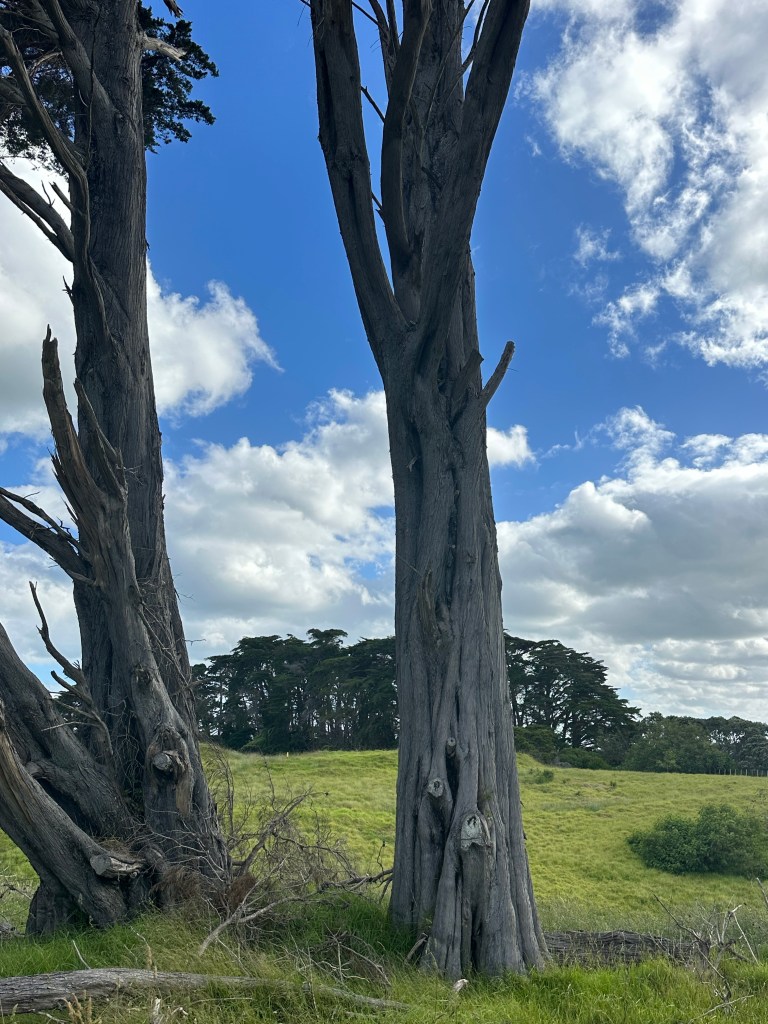
New Zealand, Islington Bay

Ahhhh, New Zealand. Good people, good food, beautiful scenery and amazing sites. It’s good to be back and reconnect with friends we made last year. Although we won’t be in the states for the holidays, we will be spending Christmas and New Years with many of our cruising family members and a New Year’s party hosted on Kalea in the downtown Auckland (Viaduct Marina). 

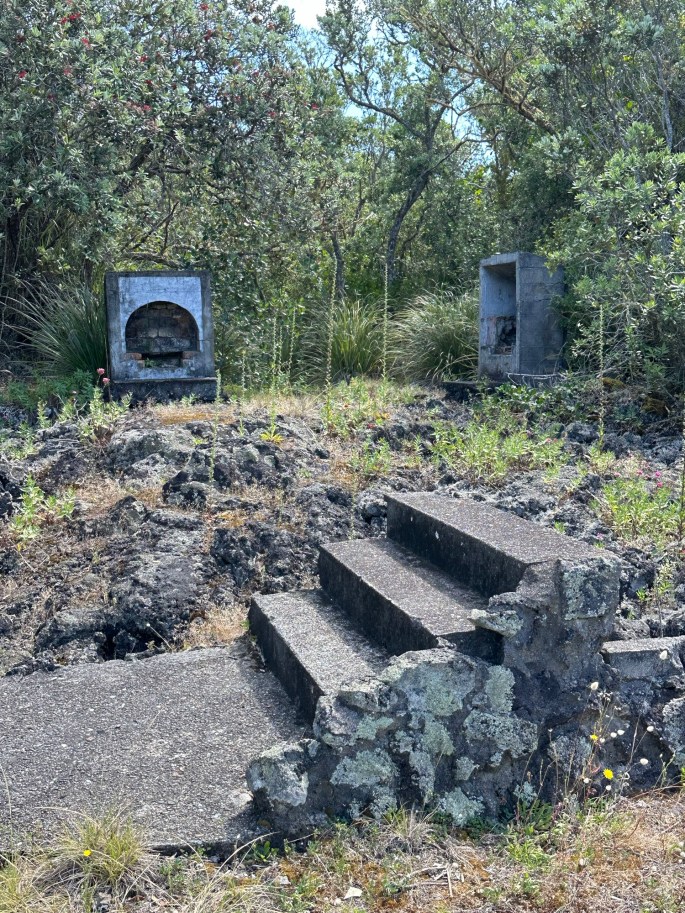
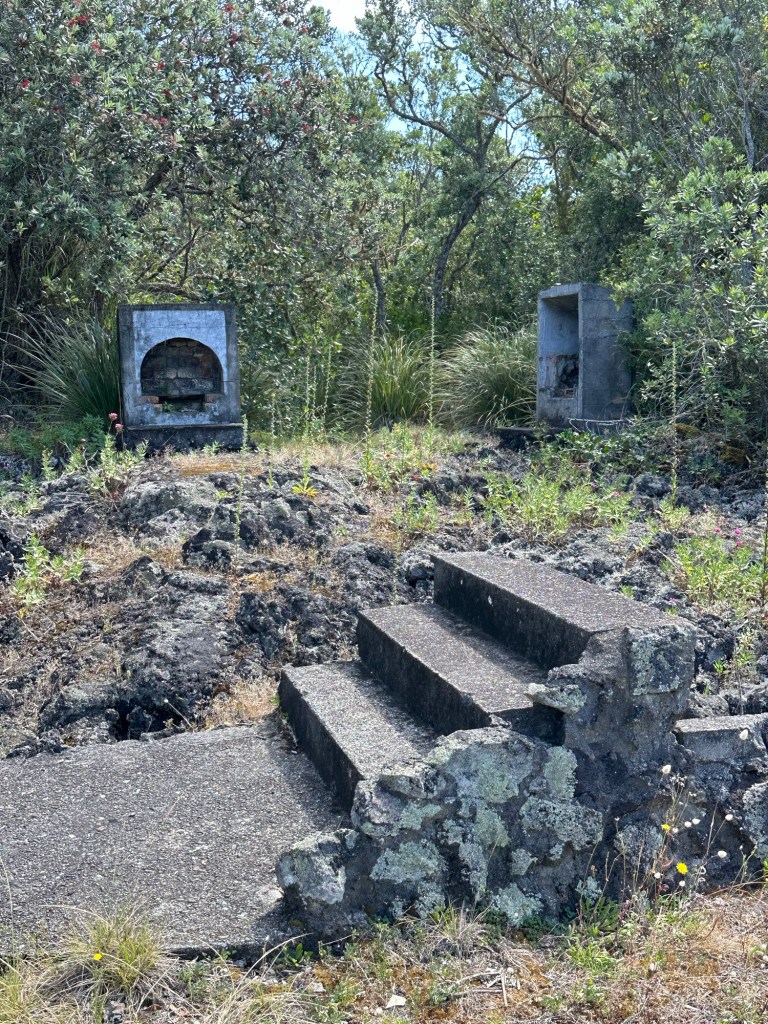
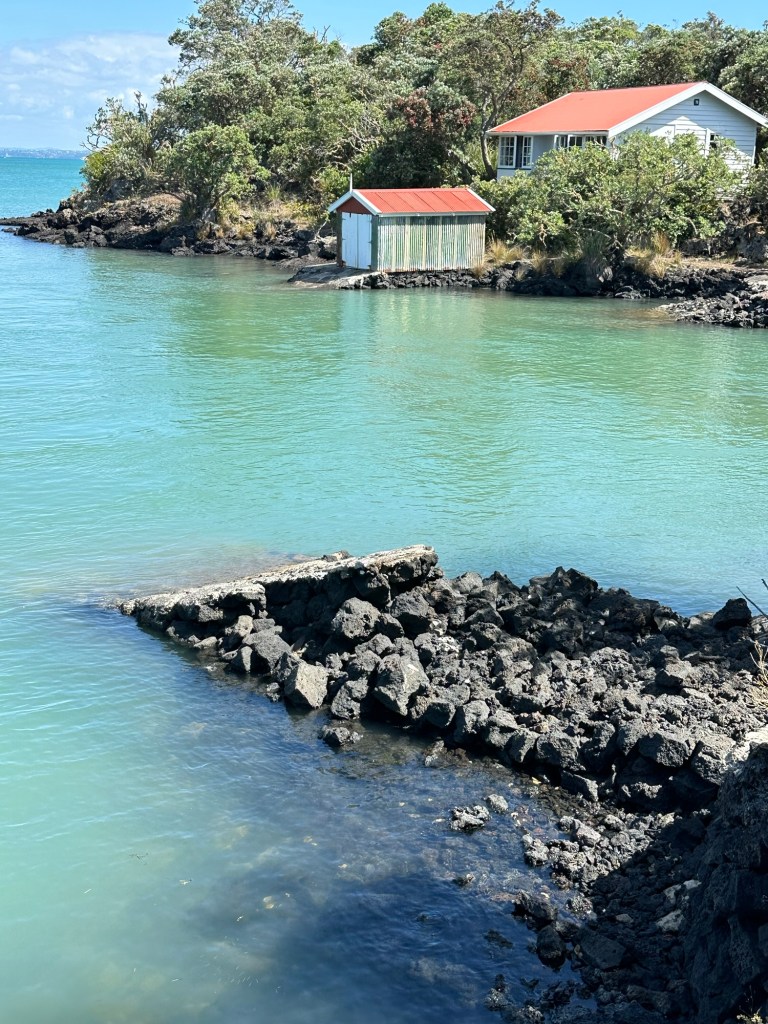
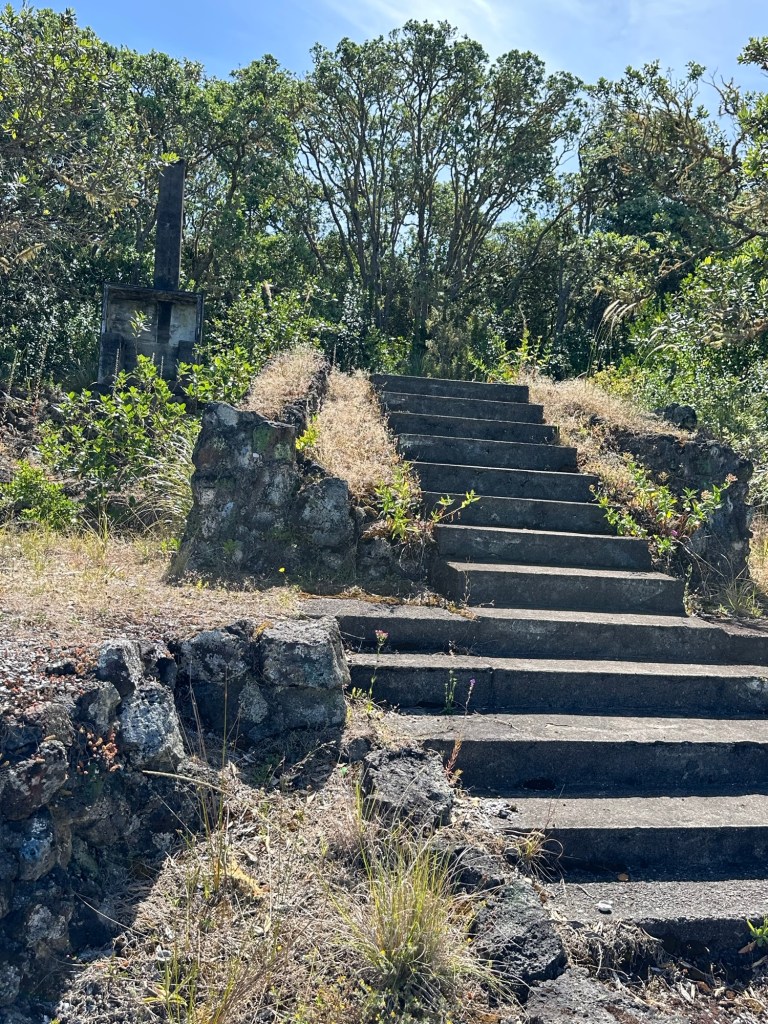
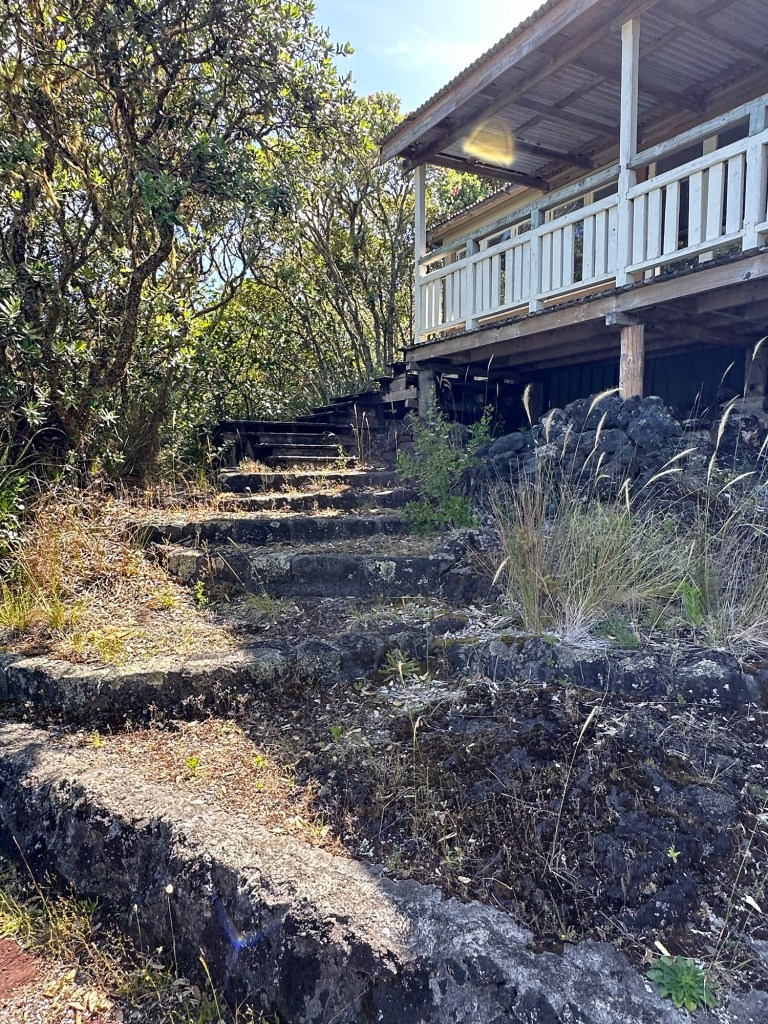
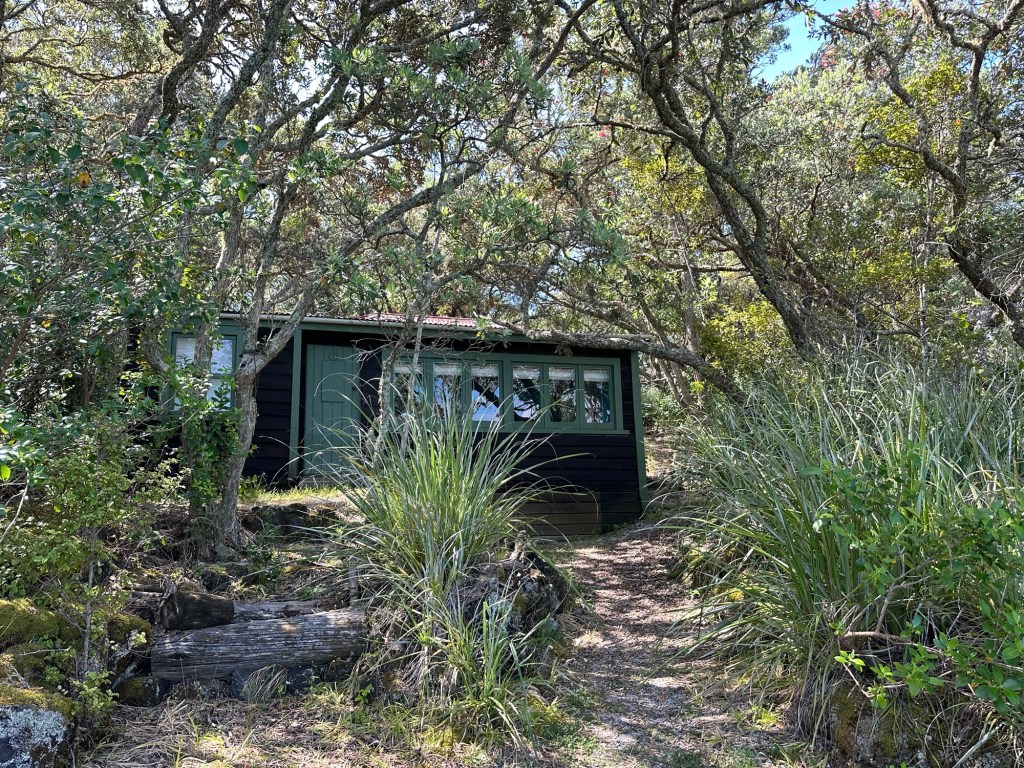
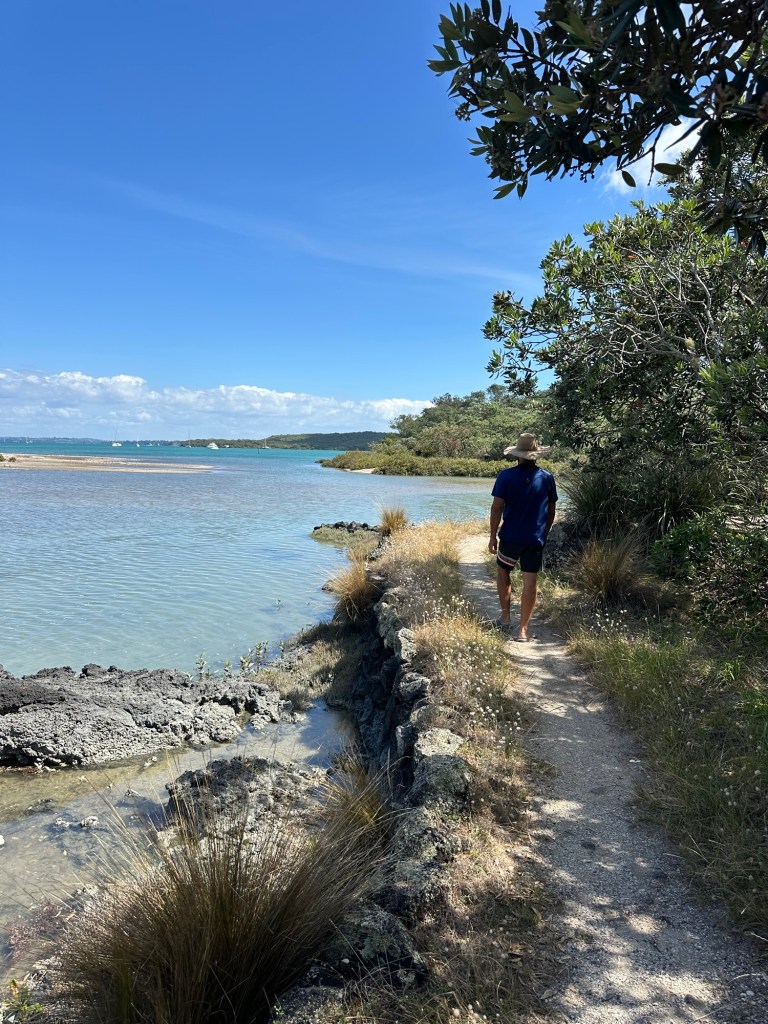
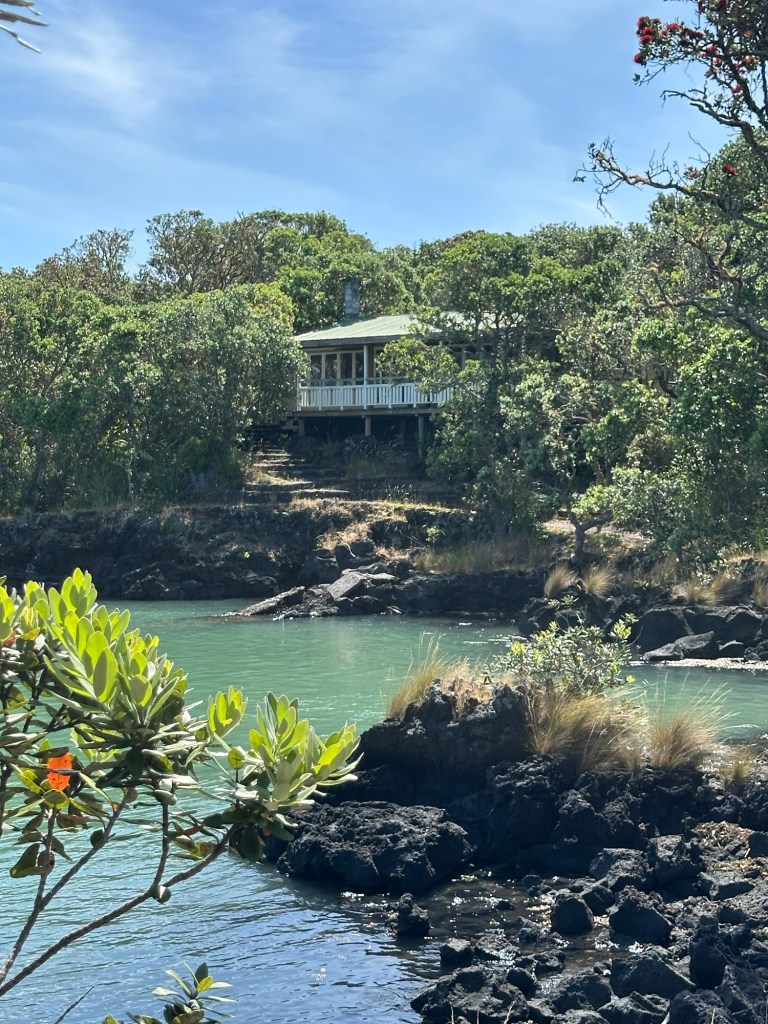
Today’s post is about the hike and anchorage across the bay from Auckland. It’s a rather large set of islands called Rangitoto and Motutapu. In the 1920s locals would sail and row themselves across the bay to these beautiful islands and build little holiday homes/structures that they called Baches. About 140 structures. This island was government owned but it didn’t deter people from carving out a piece of the island and calling at their own. The government gave the tenets leases and used the residents to build walkways and roads around the island. They were modest cabins by any stretch, but these people put a lot of time into getting materials across the bay and moved lots of lava stone to create foundations and boat ramps. 

In 1937 conservationists convinced the government that the Baches were detrimental to the efforts to conserve the island and the courts agreed. The courts gave the residents 20 years to remove themselves and everything associated with their structures. A smart attorney continued to haunt the conservationists and finally in 1957 got the New Zealand Supreme Court to agree that the Baches were part of the environment that should be protected and kept preserved as long as the family has survivors. After the 20 years of required eviction, only 30 Baches were left and to this day many have been handed down in families and still are in use. 

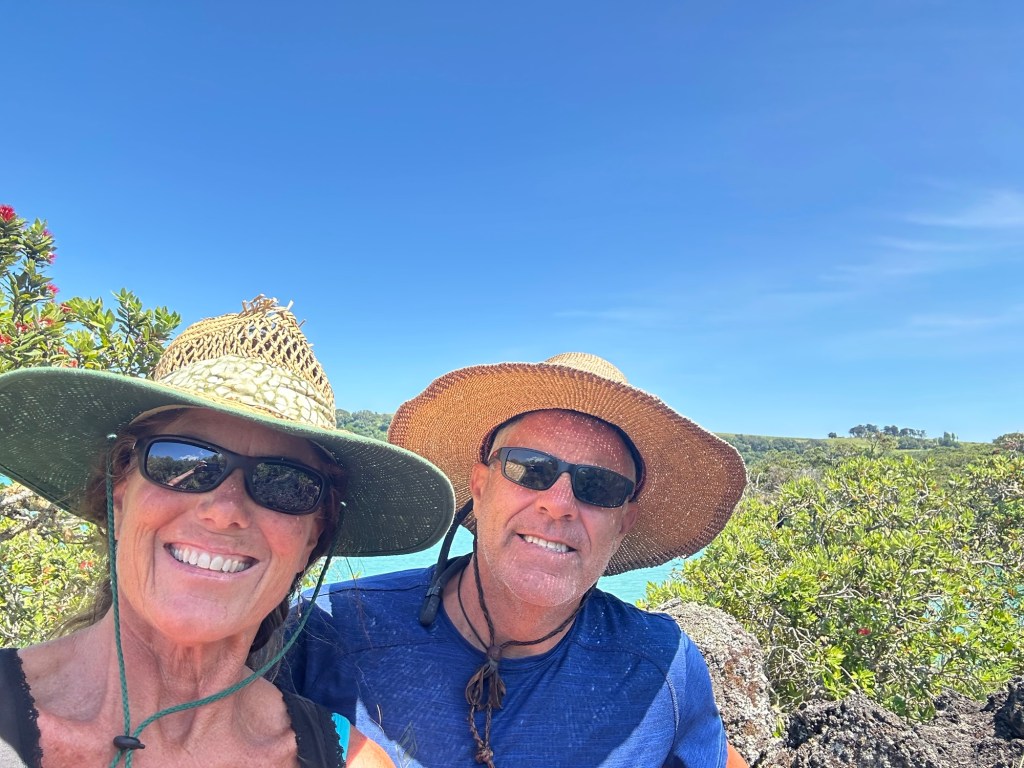
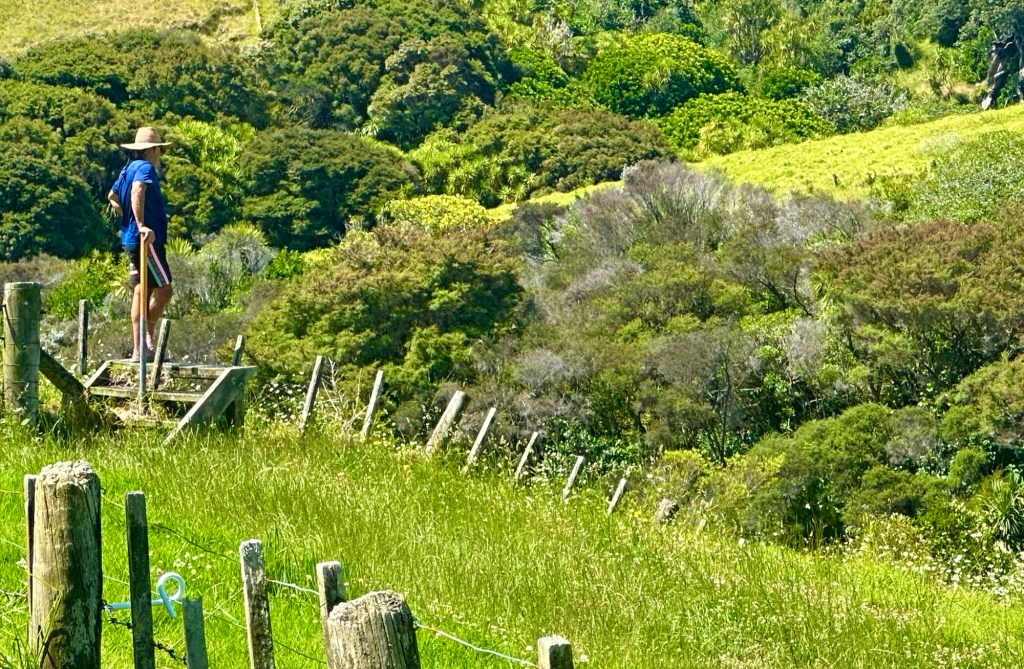
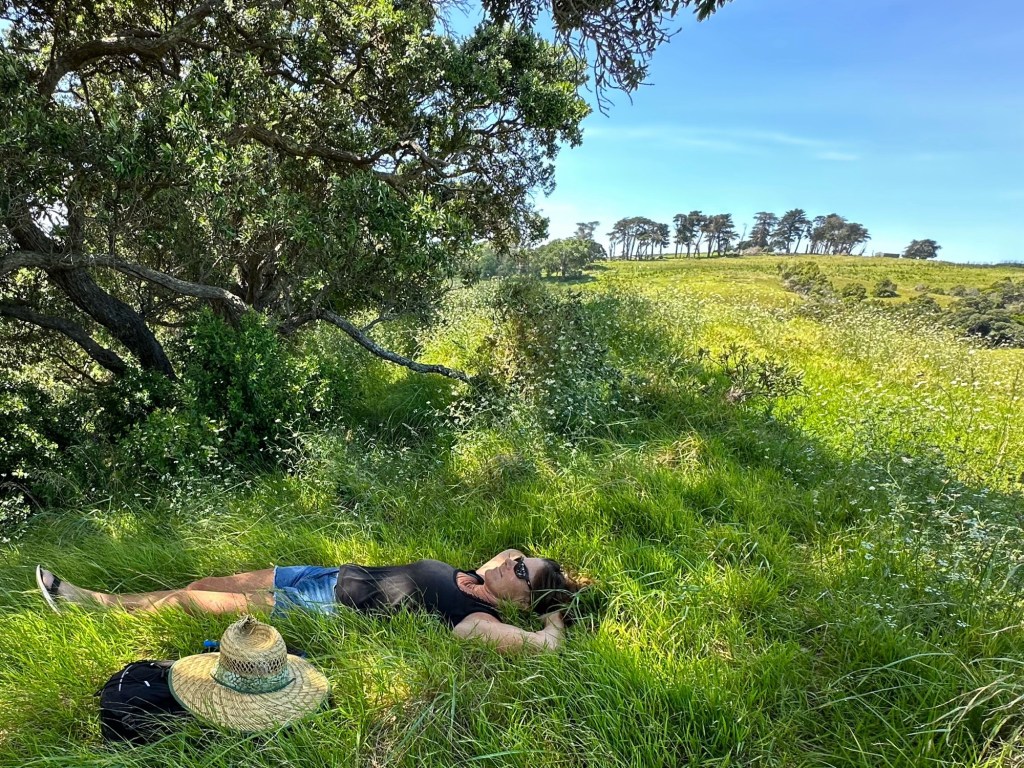
As we walked around, it was fun to see the ruins as well as some of the Baches still occupied by some of the original families. 

As for us, we have decided not to sail to Australia, so will fly there for a few weeks. We want more time in the tropics before we move onto Indonesia. As always……plans are ever changing to adapt to our whimsical lives. 🙂 

Sailing South for Cyclone Season

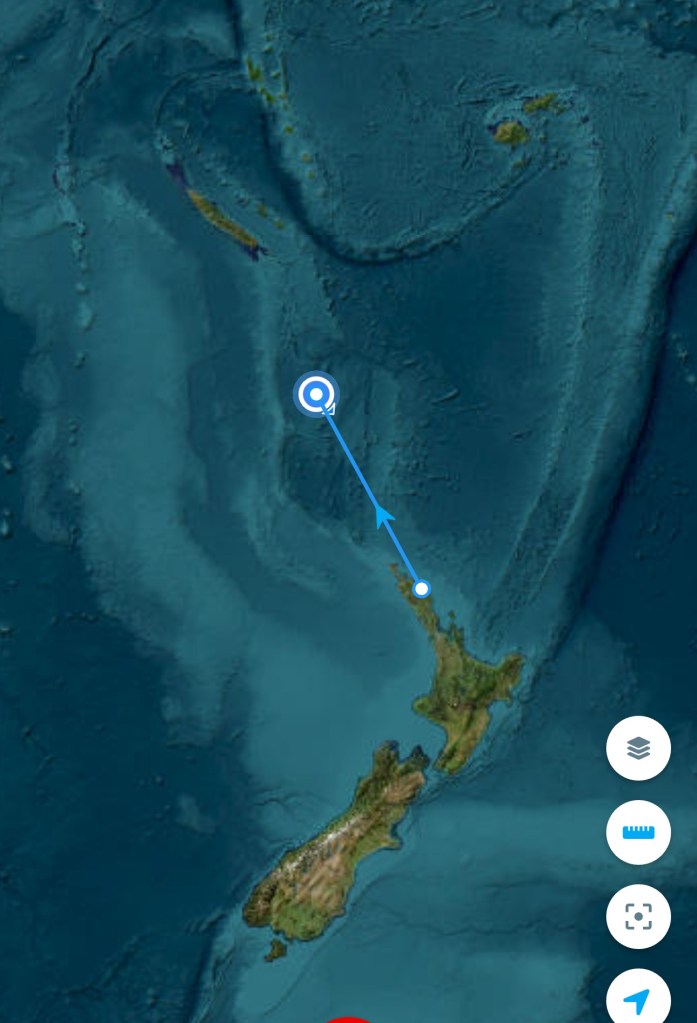
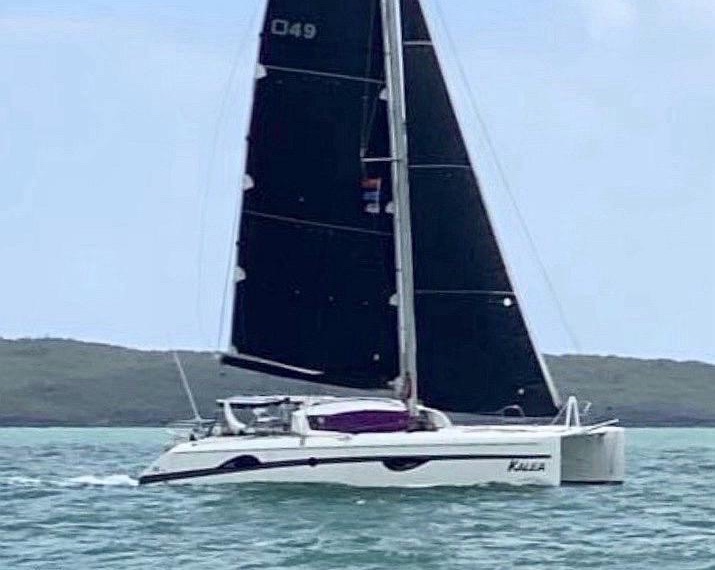
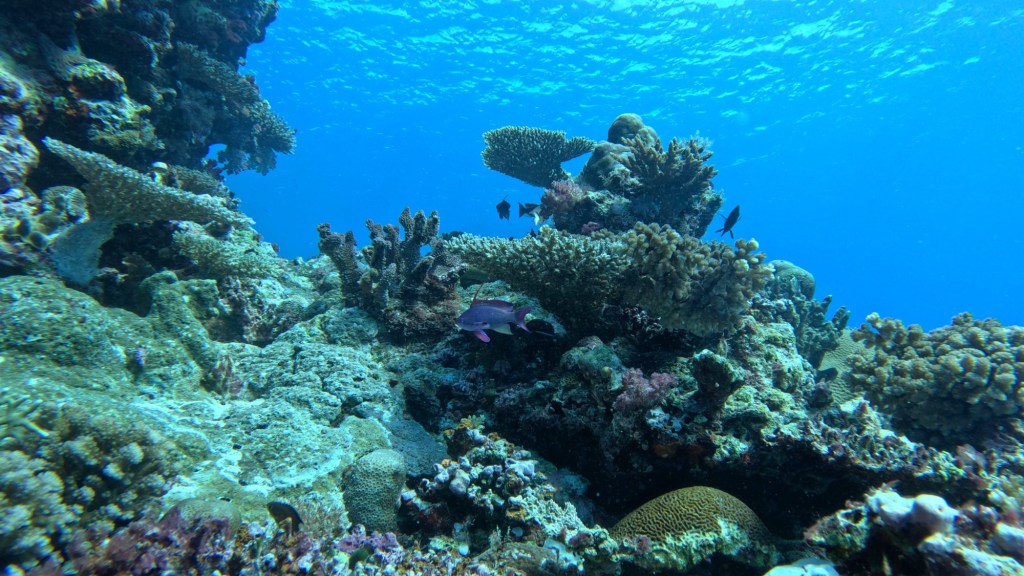
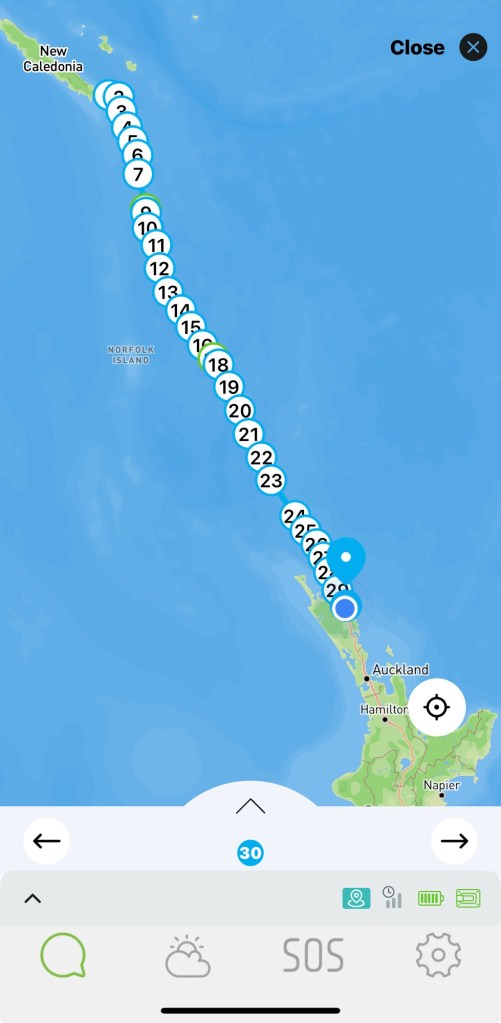
⛵️ Kalea, our sailing home 49’ Catamaran, left New Caledonia and headed back South to Opua New Zealand. We had to say goodby to the warm tropical waters and beautiful coral sealife, to seek safety from the upcoming cyclone season. Most cruising boats leave the region of Tonga, Fiji, Vanuatu and New Caledonia by December and head south, to NZ or OZ, all hoping to return in May, when it’s safe again.

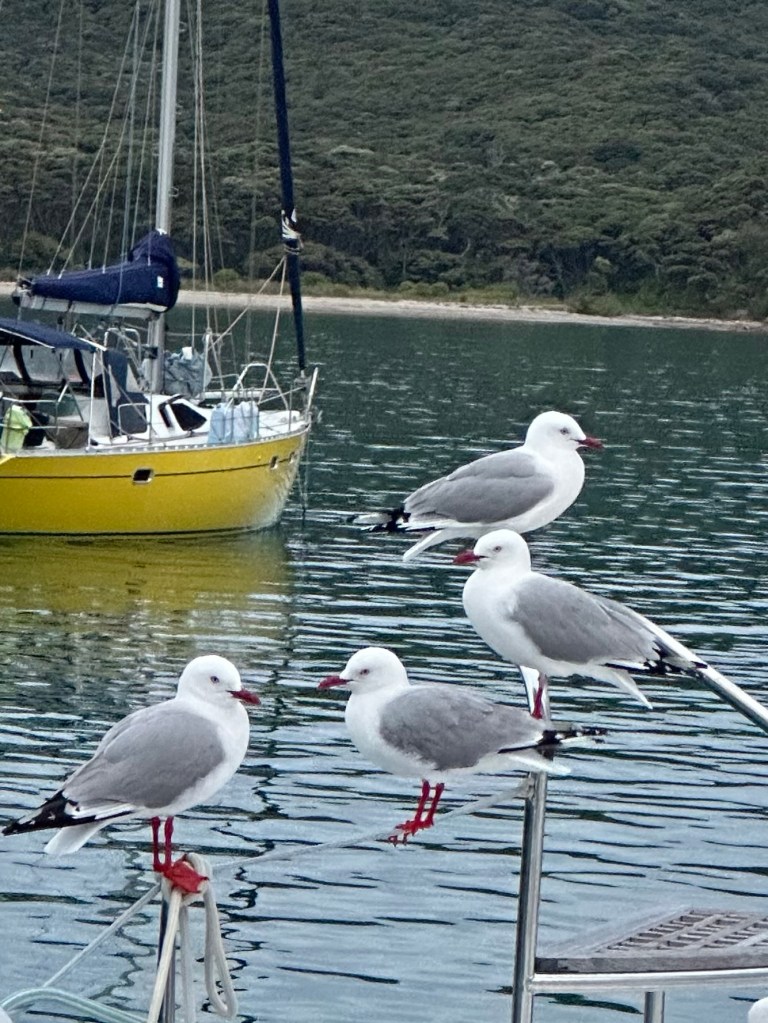
NZ small gulls

This journey started as a 20 knot bash, meaning close hauled, with not much swell, heading east at first. Rather uncomfortable and loud. As we tacked south, the wind shifted and we still were bashing. Still uncomfortable. Finally the 3rd day we were blessed with a speedy downwind blow but with 3 meter swell forward of the beam. A bit calmer feel, but you still need to keep a seat or hold on while moving about. Every angle of wind and swell is a different feel on a boat, especially on a catamaran. And as most of you know, bashing is never comfortable, in either boat.

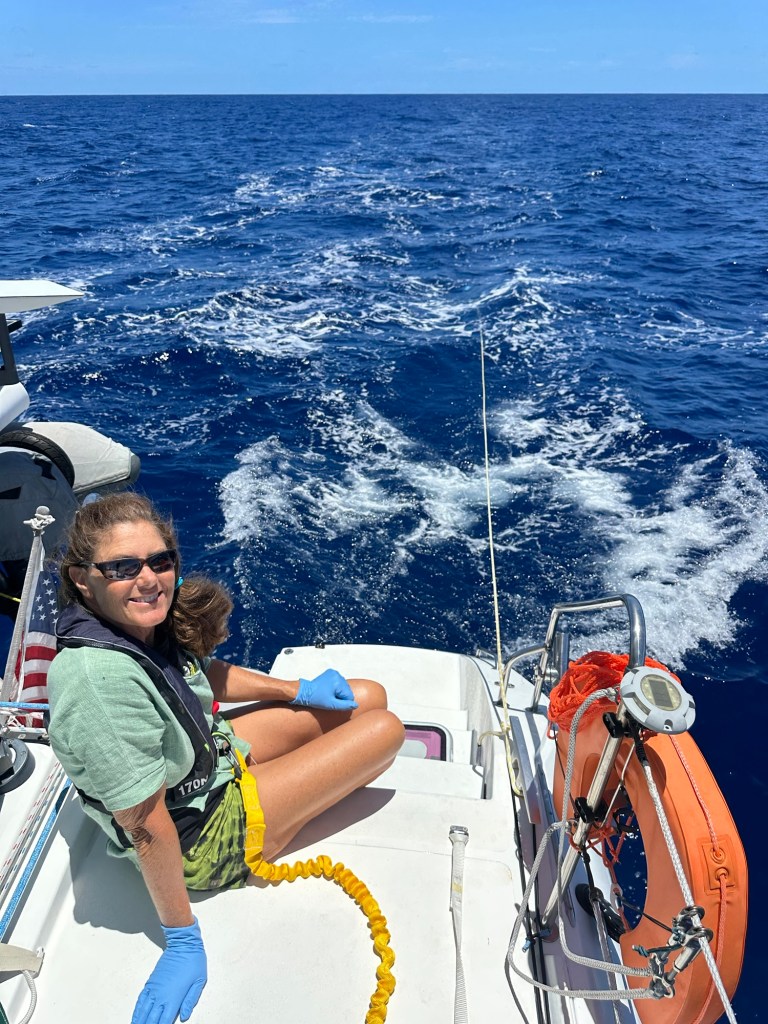
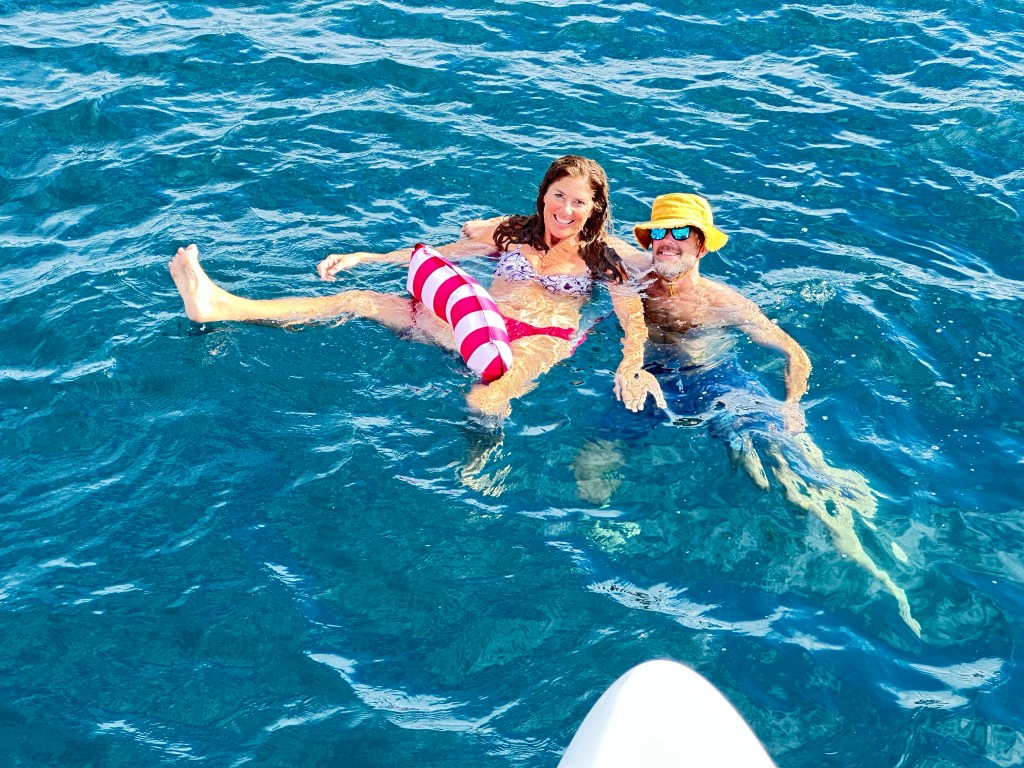
Still sampling the sea water

Some friends asked about the most used sailing tools that we use. As you can imagine, paper charts are a thing of the past, since Starlink. Our most common tools are PredictWind, Open Cpn, Navionics and out boats Chartplotter program. Also handy are:

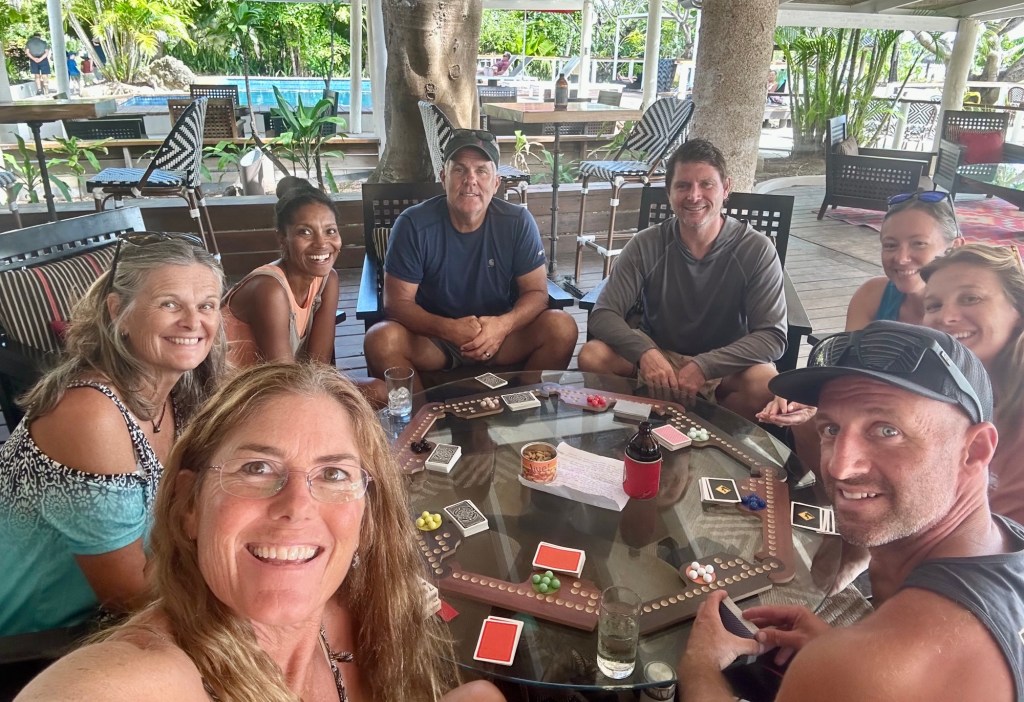
You wonder what we do for 5 days in a boat beside sail? Mainly sleep (or try to) eat (or try to) read (or try to) cook (or try to) and maybe watch a few downloaded movies. I have been successful at ocean water sampling for Citizens if the Sea, a fun side hobby so far. If you know me well, I did finish my puzzle the first day, played rummicub the second day, and I tried bananagrams, but it was a bit too lumpy that day. But overall, I am still enjoying the ocean, sunrises, sunsets, stars, my amazing captain, our passage crew friend from California, and our sailing home.

Then, it’s Land Ho! We Motor sailed the last few miles into Bay of Islands, aka Opua, New Zealand. All is well, nothing broken, just ready for some land time. Not much to report about for sealife, one squid on the bow and a few black seabirds, and no fish caught. Oh well, the lamb and meat pies are sounding great! 😋

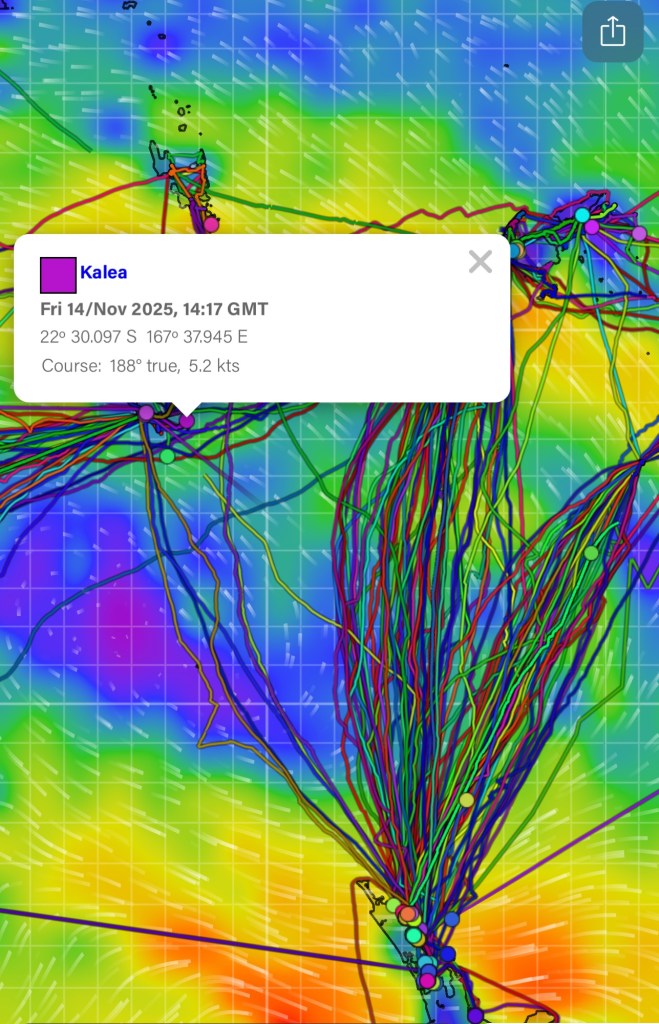
A ton of boats returned to NZ, but we saw none out there on the passage south. PredictWind is an amazing tool.
I finally got some great photos of the full moon last month

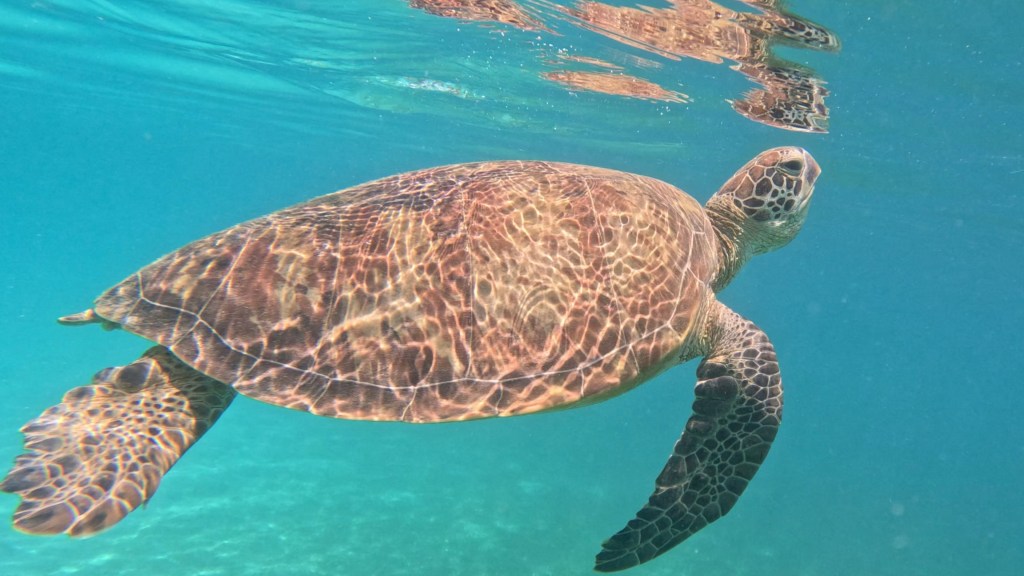
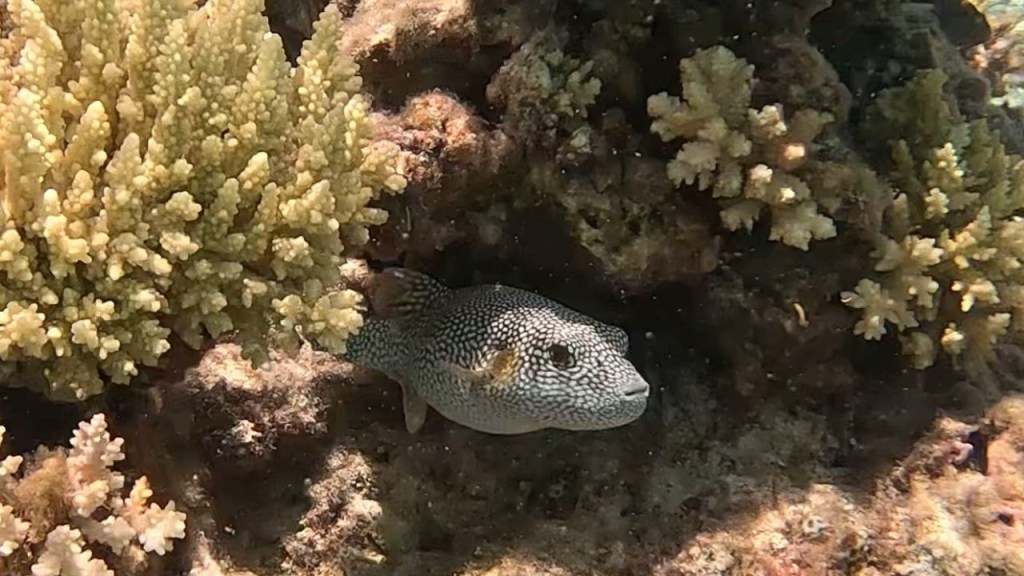
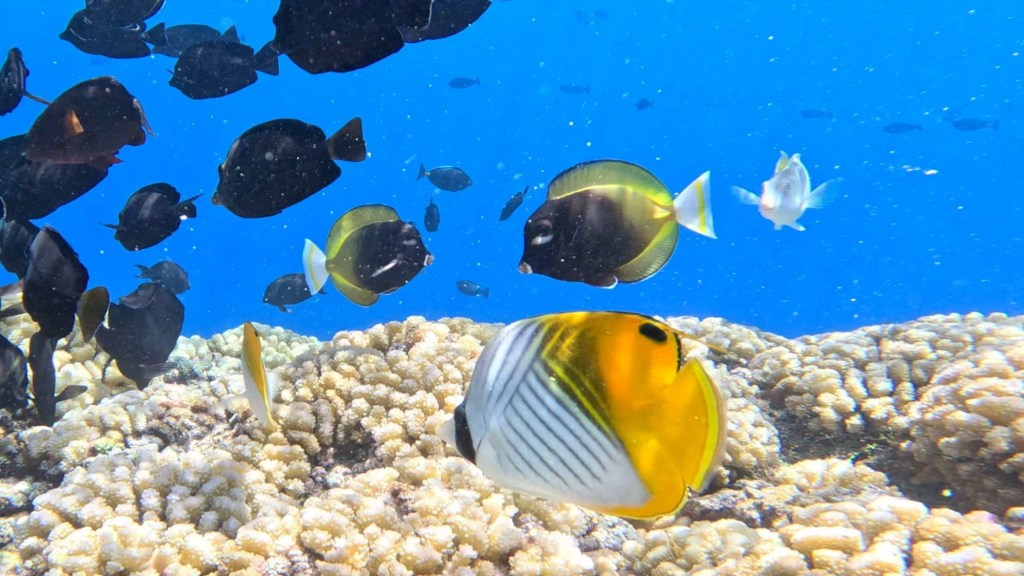
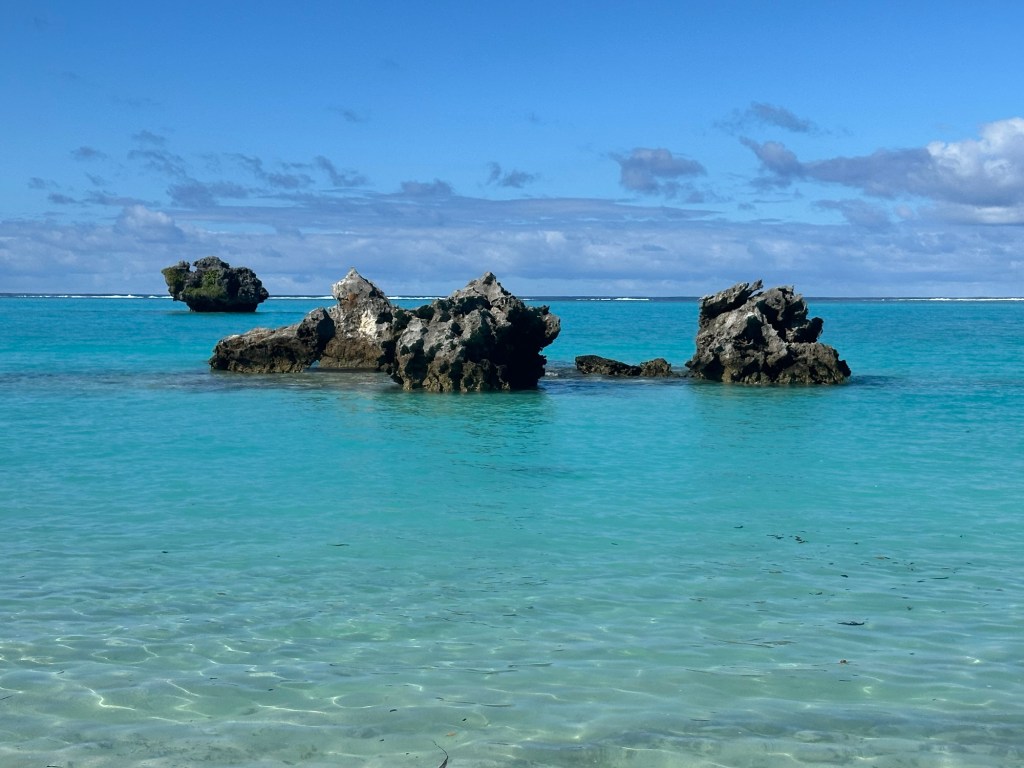
And last but not least, my favorite video this year, taken on my go pro 12 in New Caledonia. Most of the little islets, as the this French colony calls them, are homes to multiple endangered migratory seabirds and friendly Sea Turtles! We only got to stay a week waiting for the weather window to jump south. So we will be back in May!

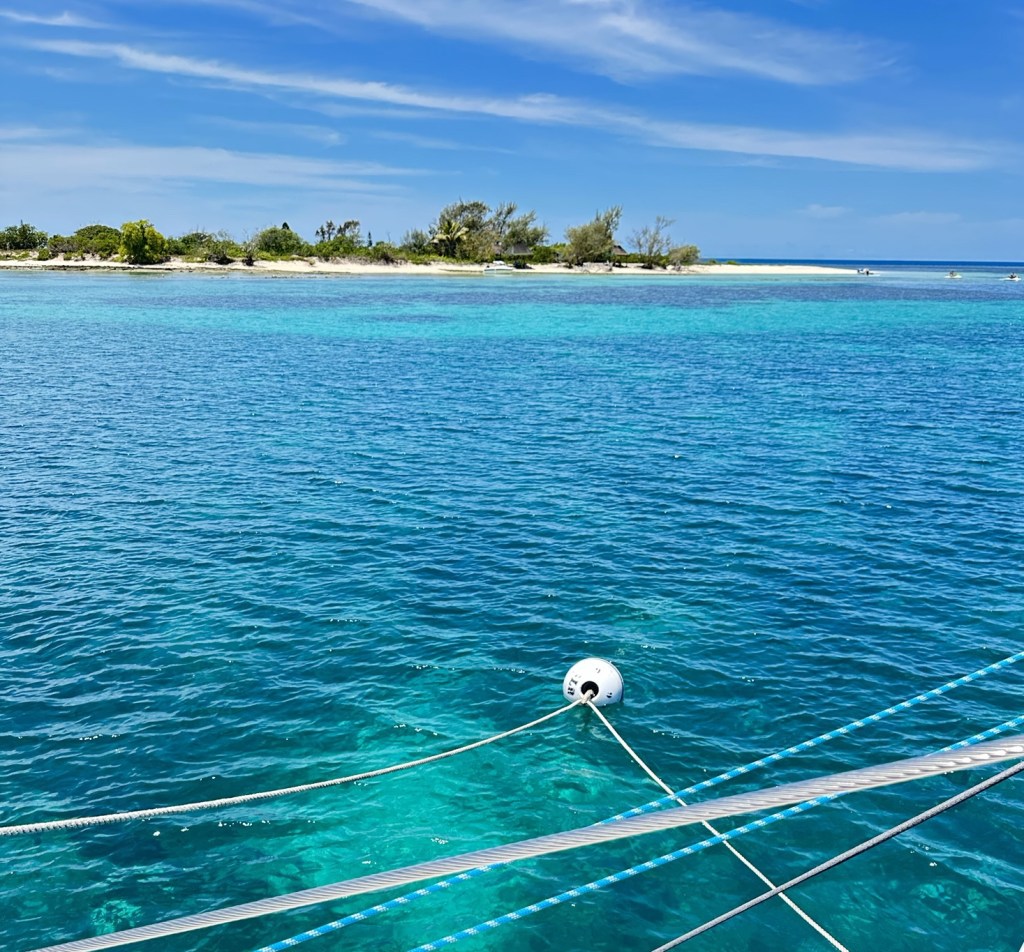
Free mooring balls at all the islets of New Caledonia, this helps protect the corals.

Sailing and experiencing beautiful Efate and Malehuka, Vanuatu

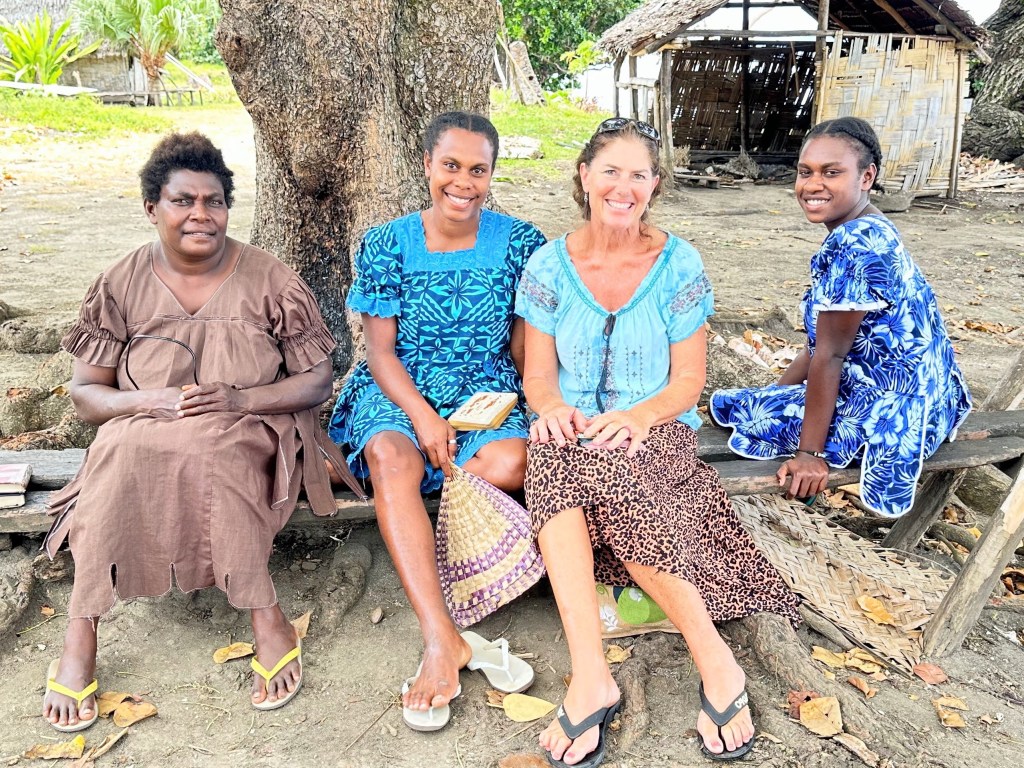
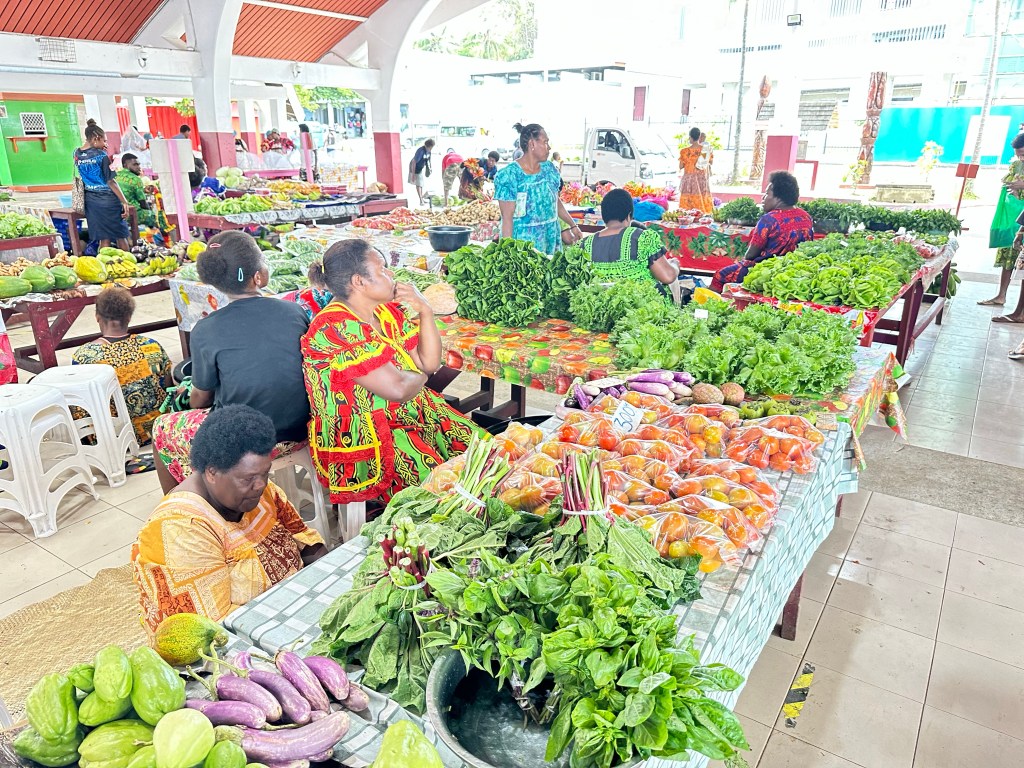
An amazing adventure in an among various small and big islands in Efate and Malehuka in Vanuatu. The highlight for us for sure were the genuinely kind and happy local people.

Sailing west from Fiji to Vanuatu on our beloved sailing home Kalea, we adventured through three island groups visiting numerous villages, meeting amazing people, and enjoyed some very special experiences. Lucky for us, Kathy’s brother Andrew joined us for 3 amazing weeks. We had some terrific snorkel days, saw some dugongs (like manatees) and had a great hike into the cocoa farms. Also lucky, that our good friends’, Jason and Candice (on SV Deguello) buddy boated with us the entire way. We are feeling blessed.

Headed into New Caledonia waters

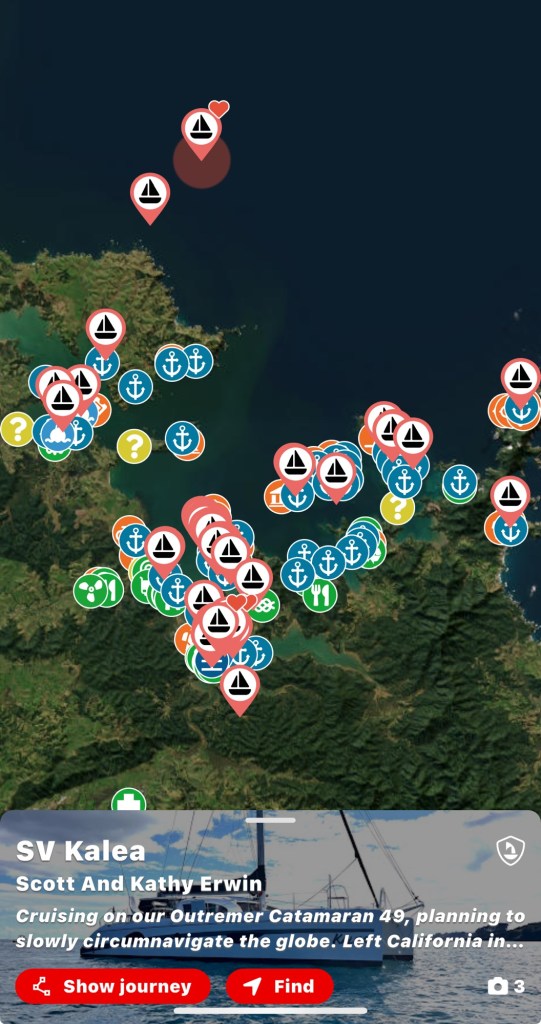
Follow our tracks online below, as we soon head to New Caledonia, New Zealand, and next season back up to include Solomons, Papa New Guinea, and Indonesia.

https://forecast.predictwind.com/tracking/display/SV_Kalea/

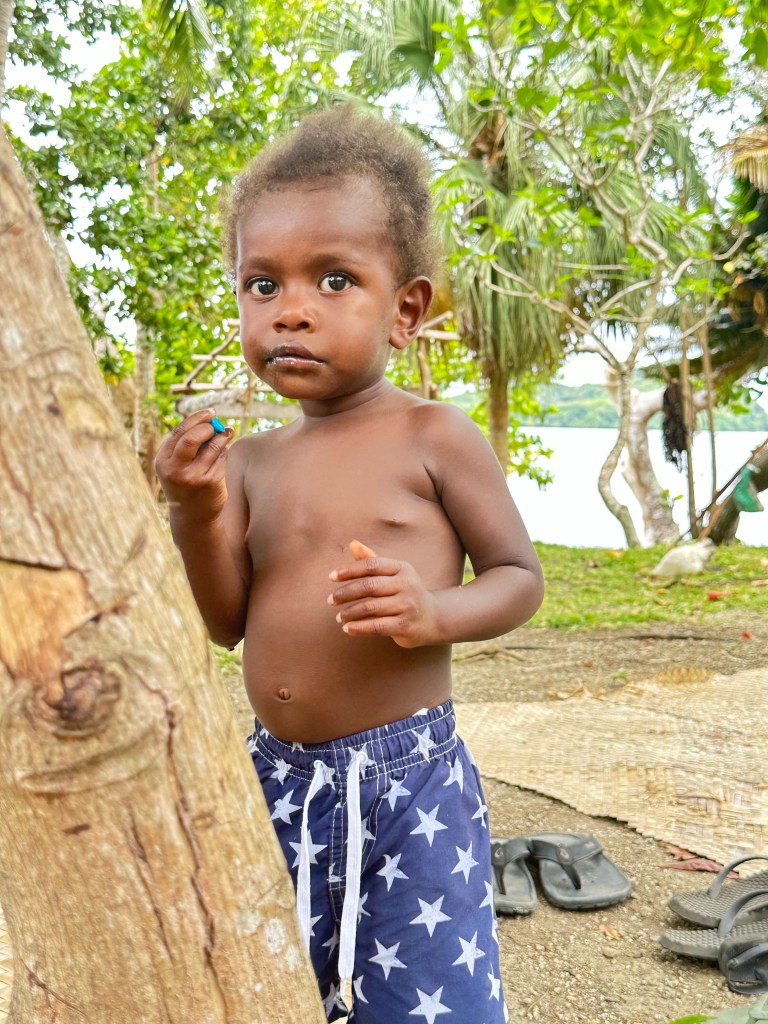
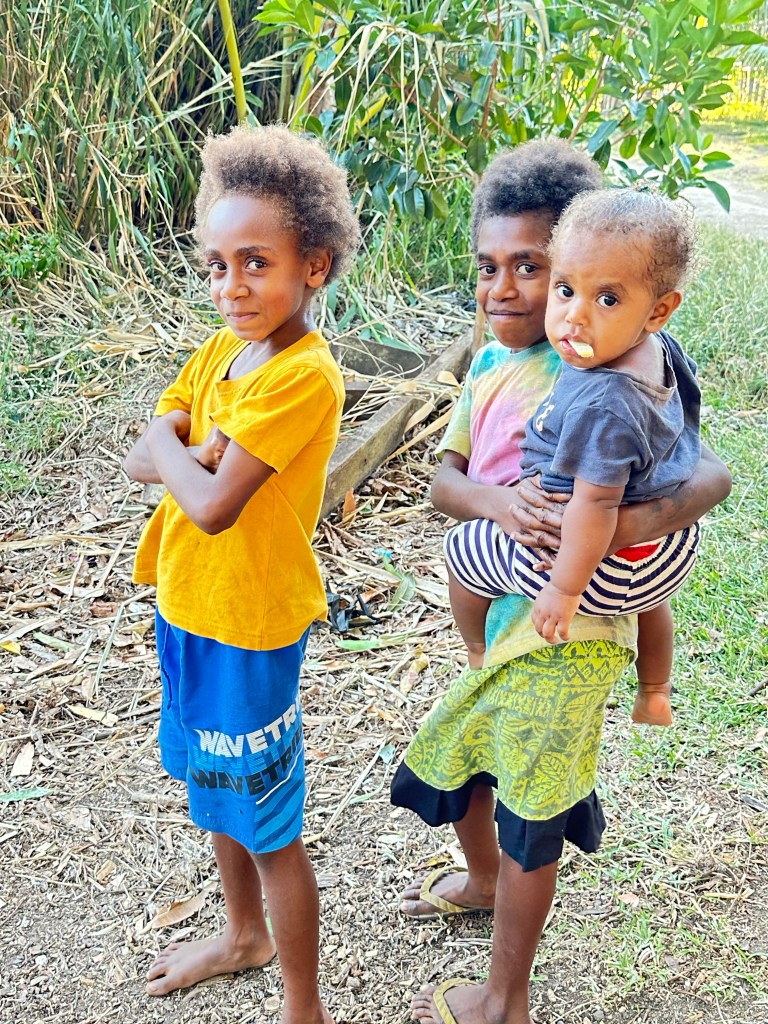
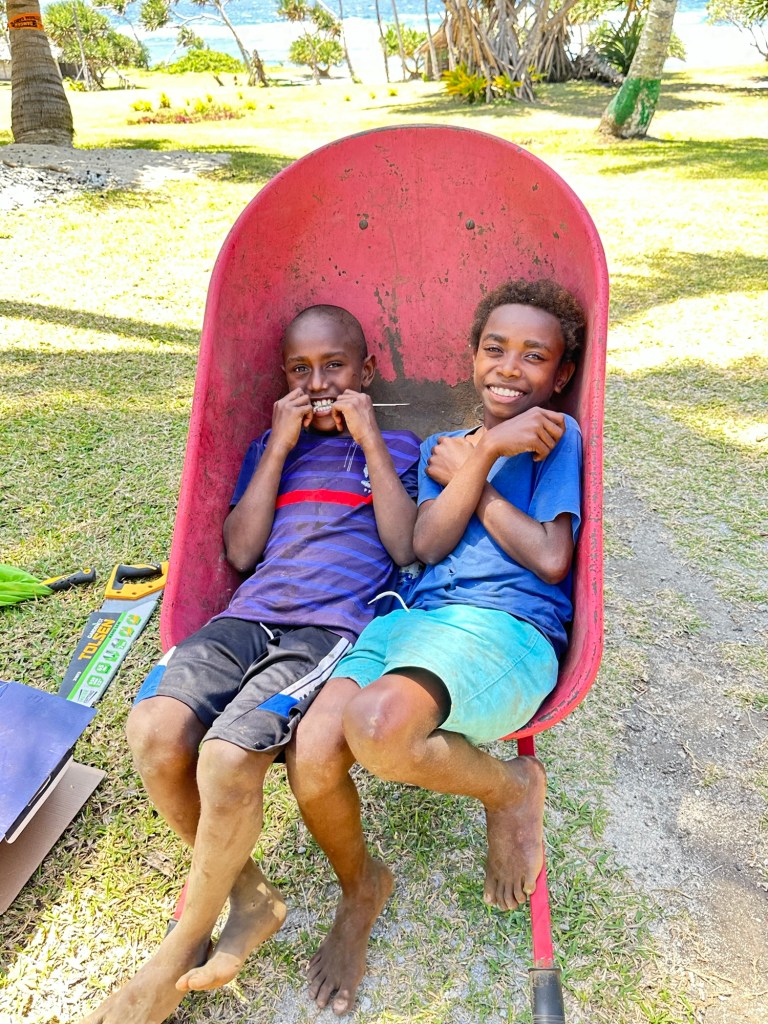
Village children are the cutest! Fun game nights were had.

Bislama language of Vanuatu

  • Hello: Halo
    -Good bye: o revar
  • Thank you: Tangkyu
  • Yes: Yes
  • No: No
  • Good: Gud
  • Nice to meet you: Mi glad blong mitim yu
  • How are you?: Yu stap gud?
  • I don’t know: Mi no save
  • Thank you very much: Tangkyu tumas

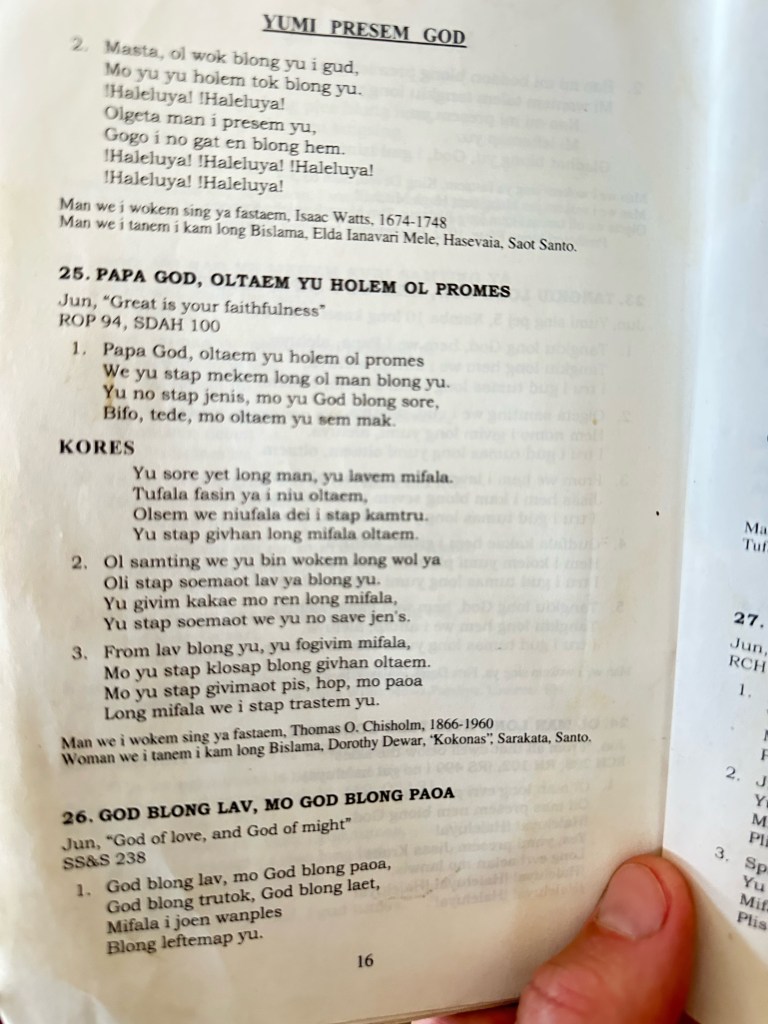
Although there are more than 80 languages here in the Vanuatu islands, some English, we have been having fun with the common language of Bislama. It is creole like, so fairly easy to interpret. Bislama’s vocabulary is basically English, with influences from French and local languages.
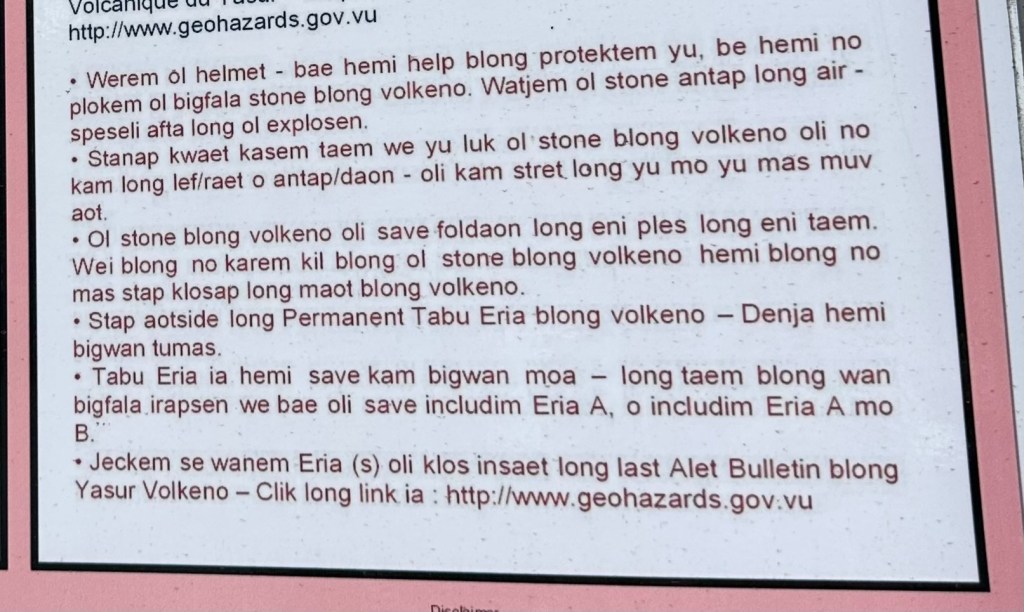
Bislama language is important for Vanuatu’s culture as it ties the far off island villages together, also providing communication for young dating couples. Read the signs aloud, you’ll surely chuckle!

Volcano Eruption, Vanuatu

Vanuatu!!!!!! Holy cow, what a place, so far. We thought we had seen dense jungle and witnessed some unusual culture but Vanuatu shows us that there is so much culture and Geography to see. Tanna is the island we first stopped at. Home to some Cargo Cult religions which I will share more about later (Google “John Frum) and the most active Volcano in the South Pacific. We spent countless hours in the back of a truck exploring the island (no busses or rental cars here) culminating in a walk up to the caldera of Mt. Yasur Volcano.

Yasur is a Strombolian type of Volcano that has been active for hundreds of years. It sits on top of a subduction plate and vents regularly, ejecting large lava bombs and ash. Strombolian volcanos are continuously active scoria cones with frequent, mild eruptions.
Major eruptions happen but are very different than volcanos like Mount Saint Helen or the Hawaiian Volcanos.
Mount Saint Helen is a highly explosive Plinian type volcano and Hawaii is an Effusive Shield type with large explose lava flows. (Your geology lesson for the day)

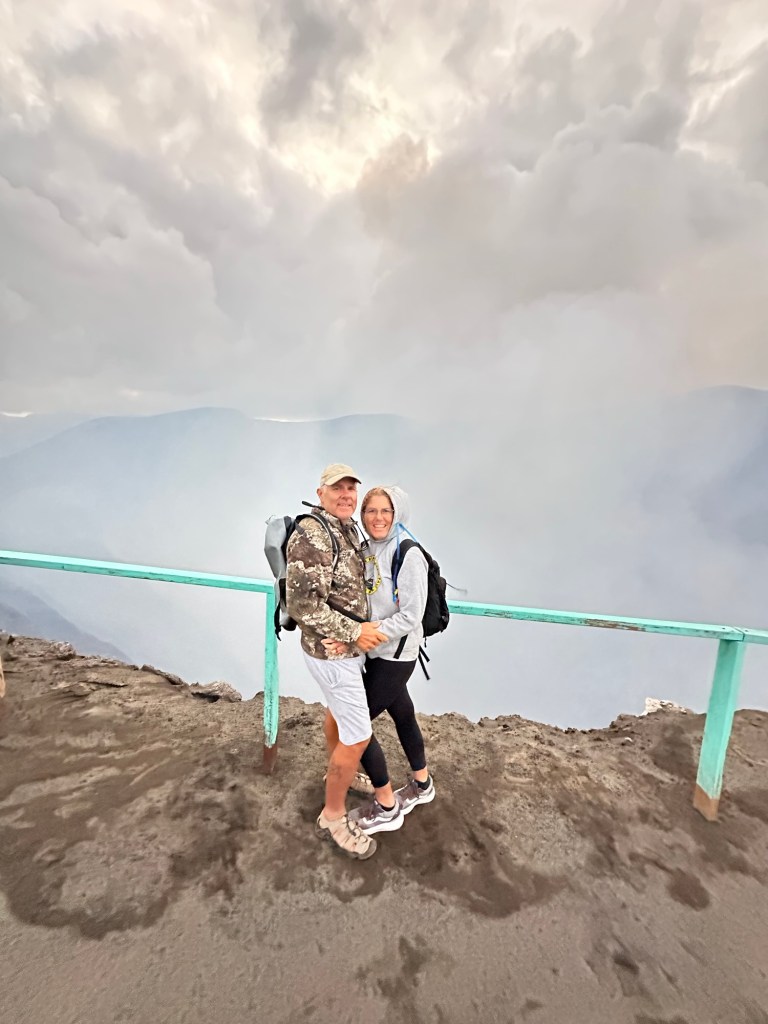
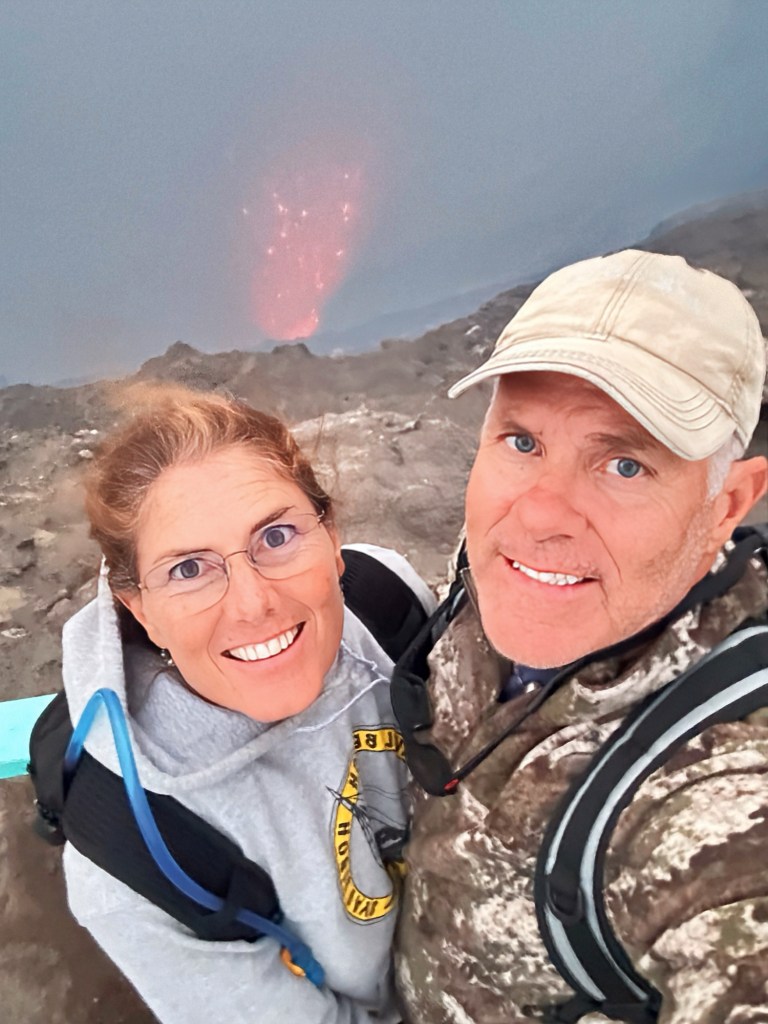
Anyway, we got to walk up to the rim of Mt. Yasur yesterday and witnessed a very active scene. Heat, sulfur gas, explosions, flying hot stones and sharp terrain were in our face. Freaking crazy. This wasn’t on our bucket list but definitely one of the highlights of this cruising season. Hot natural springs and vents are also around the island. Even our anchorage had vents and hot water emitting around the rocks. Swimming around these vents is at your own risk, as the difference between 85 degree water and 180 degrees maybe only a few feet away. 😳

This is the first of 3 of 4 more islands as we move up the chain of Vanuatu.

Notes on Tanna;
-no Malaria on this island
-no trading with the locals but “gifting”
-cooler here but hotter as we move northward
-the Kava is damn strong 🤪
-the tree fruits here would support this islands population x 3
-islands are more similar to the Marquesas.
-the Chinese are here and working hard.🤔
-everyone is so darn happy and happy to see you (most appear to be more height/weight proportionate than other Pacific islanders)

SHARK!

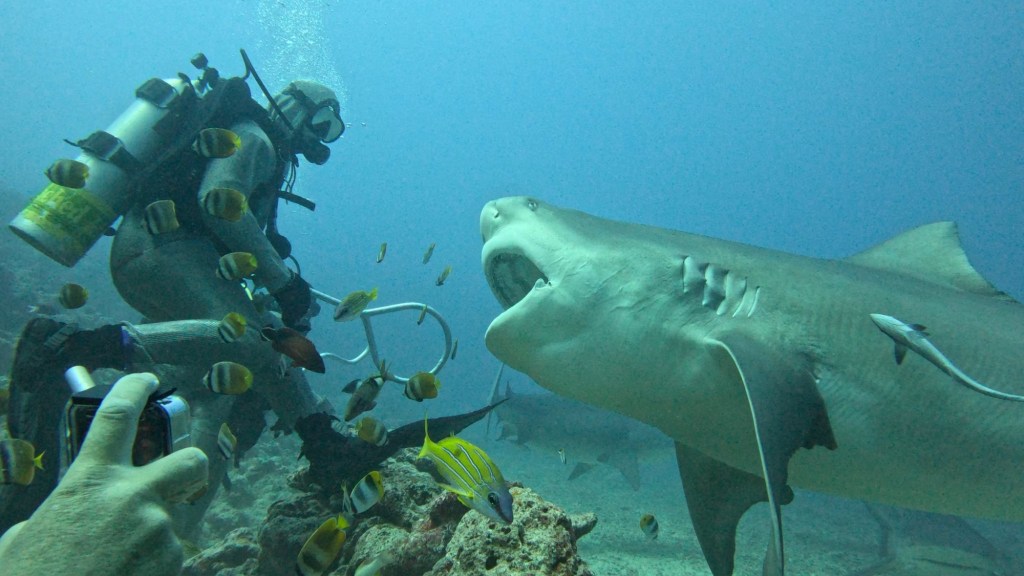
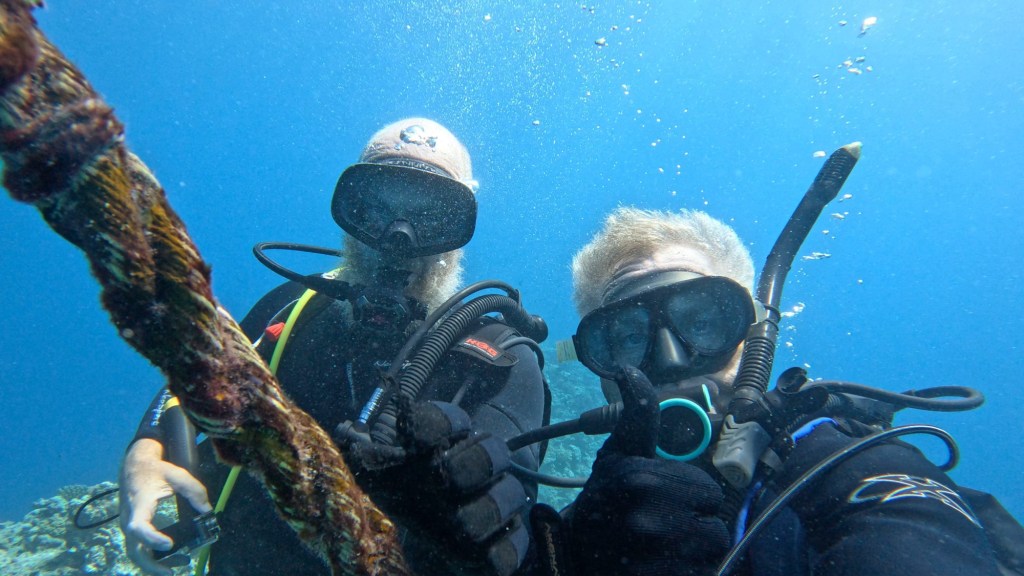
Wow, what an epic day. Fiji sharks are SO BIG! Two shark dives at Beqa Island/reef, and they knocked Scotts socks off. The majority of our diving is typically off of our own boat, but this kind of dive is very technical, so this time, Jason Deal and Scott chose to dive with a professional dive team. They know what they’re doing, or at least we all hope so. Kathy love all sea life but really wasn’t a fan of getting this close to these huge beasts of the sea.


Yes, the sharks really were this close and at some points Scott had 2-3 bull sharks inside his personal space bubble. The dive coordinater was VERY specific about his instructions, so they listened VERY carfully. Most of these sharks are Bull sharks, but there were multiple species present, nurse sharks and even a few Giant Grouper. Fascinating, But there were definitely a few “pucker up” moments.

Life on a Sailboat, Year 4 Begins

The trade-offs for this amazing experience: smaller spaces, fewer conveniences, missing family and a level of unpredictability most people would never sign up for.

My life on a boat; the highs, lows and a few other oddities. It’s probably often that you see sailing posts and YouTube stories about all the glamorous aspects of sailing. But it’s important to know that it’s not all champagne sailing nor is it all that it seems to be. It’s tough at times. This month had amazing highs for me, but did have lows, and some tough lessons that I am grateful to have learned.

Most of you know me, I am an optimist. I trust the universe. I have conquered fear (to date, anyway). I don’t like to complain or be negative, ever! I look for the good in every tricky or uncomfortable situation. And, I always remind myself that 4 years ago I “chose” to live on a boat.
Life is a choice. So I will start with the lows, but painfully: Since we chose to visit the very remote Lau group of islands in Fiji, we chose to have 0 amenities off the boat. 0 restaurants, 0 stores, 0 taxis, 0 resources, and 0 gas stations….for 6 weeks. I am so grateful that Kalea provided so much comfort and safety, because the feeling of isolation, without any other option, does creep in. Cooking 3 meals a day x 42 days is 126 meals, straight.

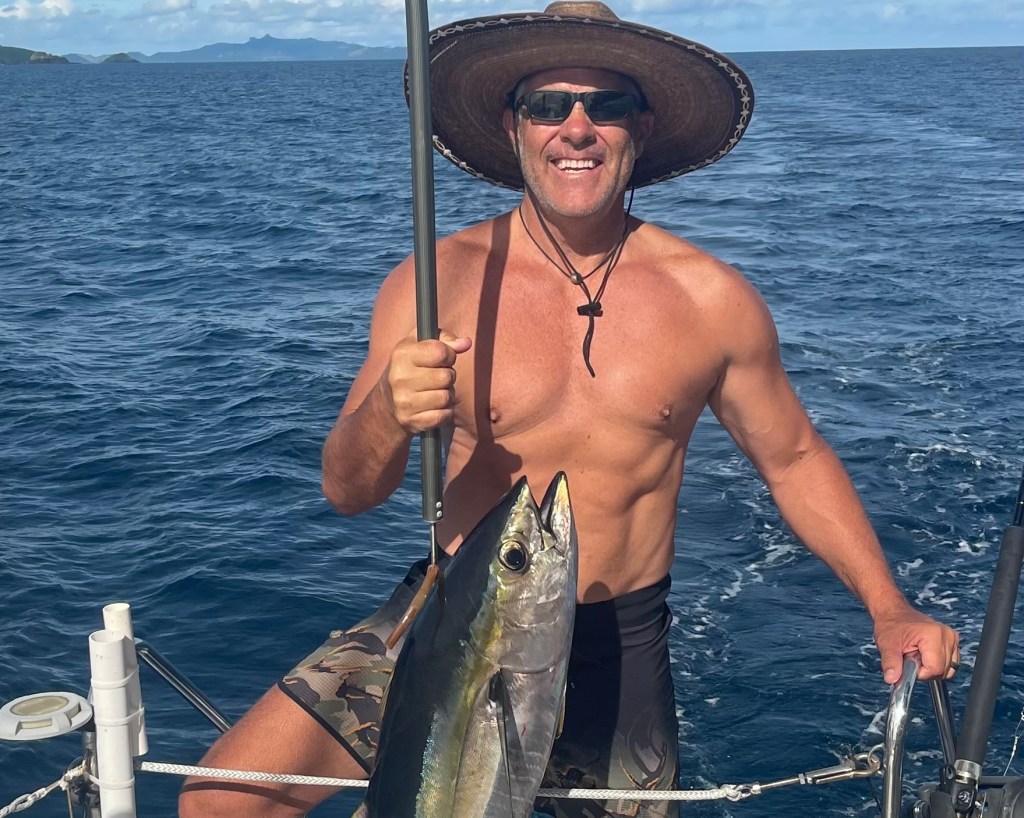
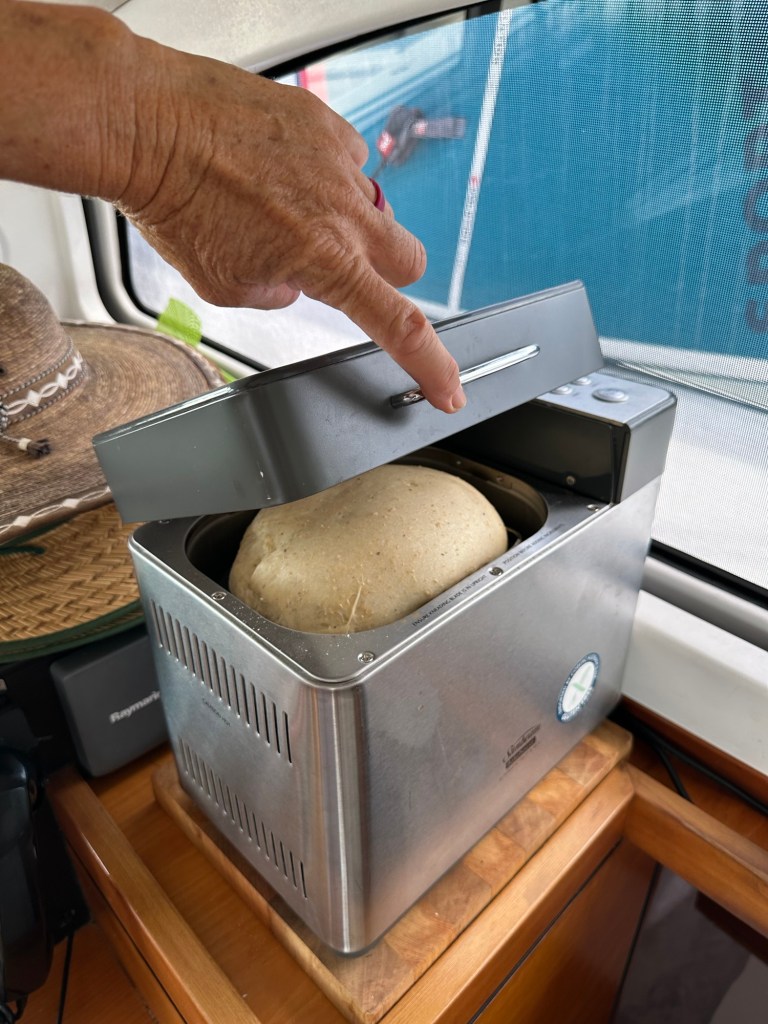
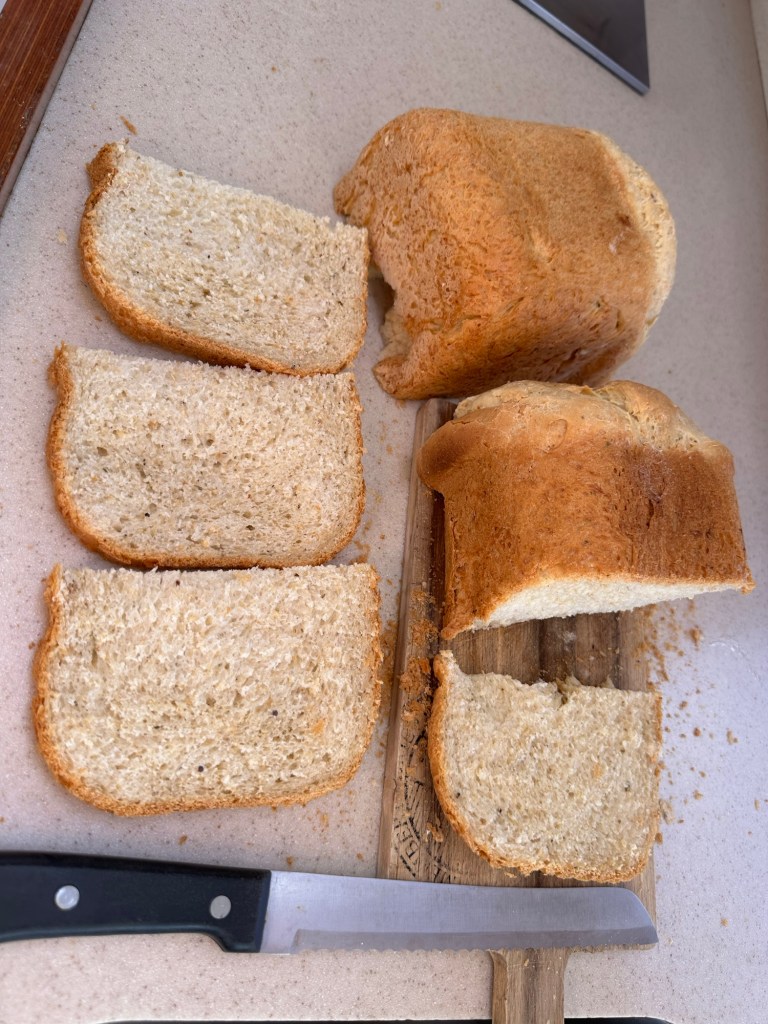
Thats one thing, but food management is another. So I have to make my own yogurt, bread and grow sprouts. We also got quite low on dingy fuel, which created more time on the boat and less adventuring. We didn’t catch any fish. And lastly, we got attacked by mosquitoes and no see ums both in the jungle and on the boat. Enough of that! On to the highs!

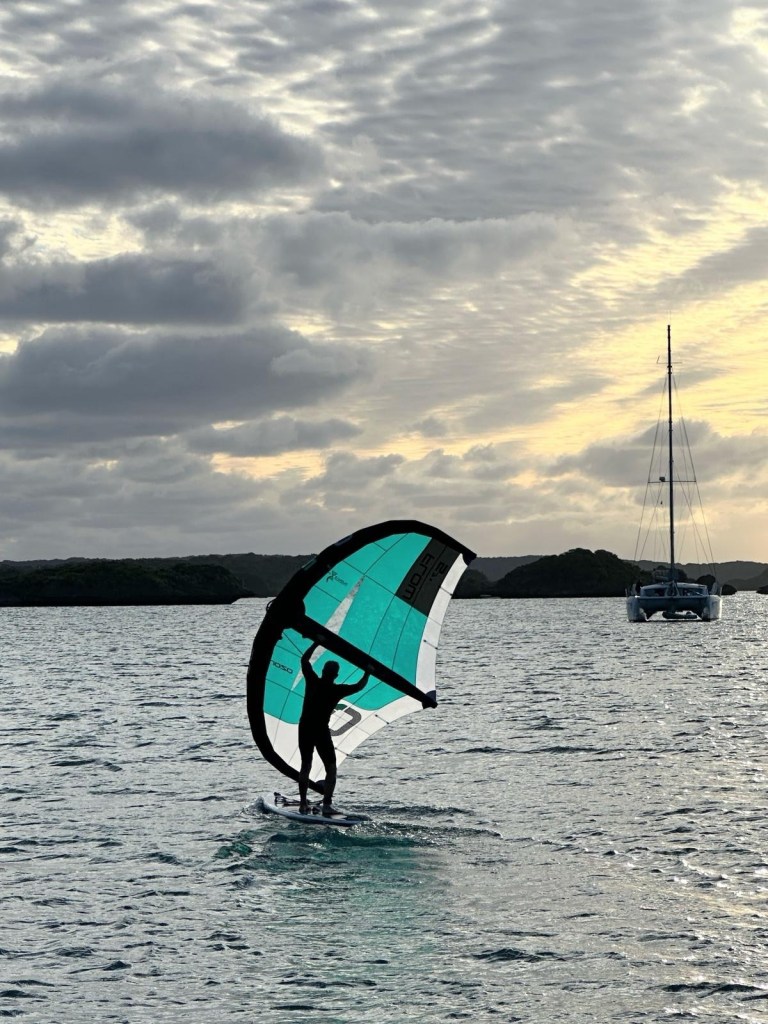
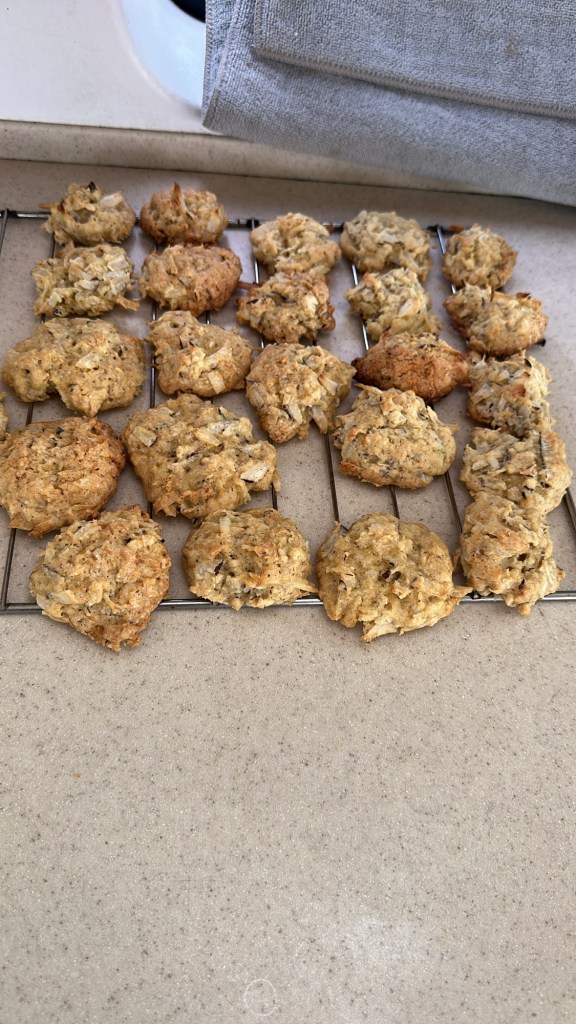
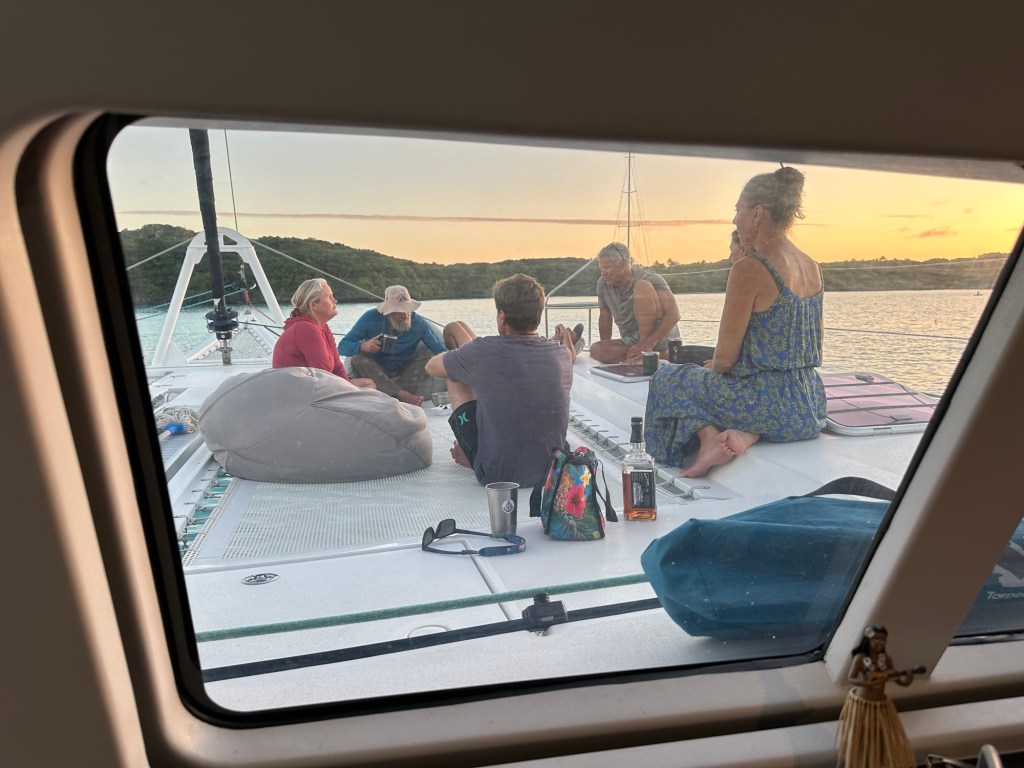
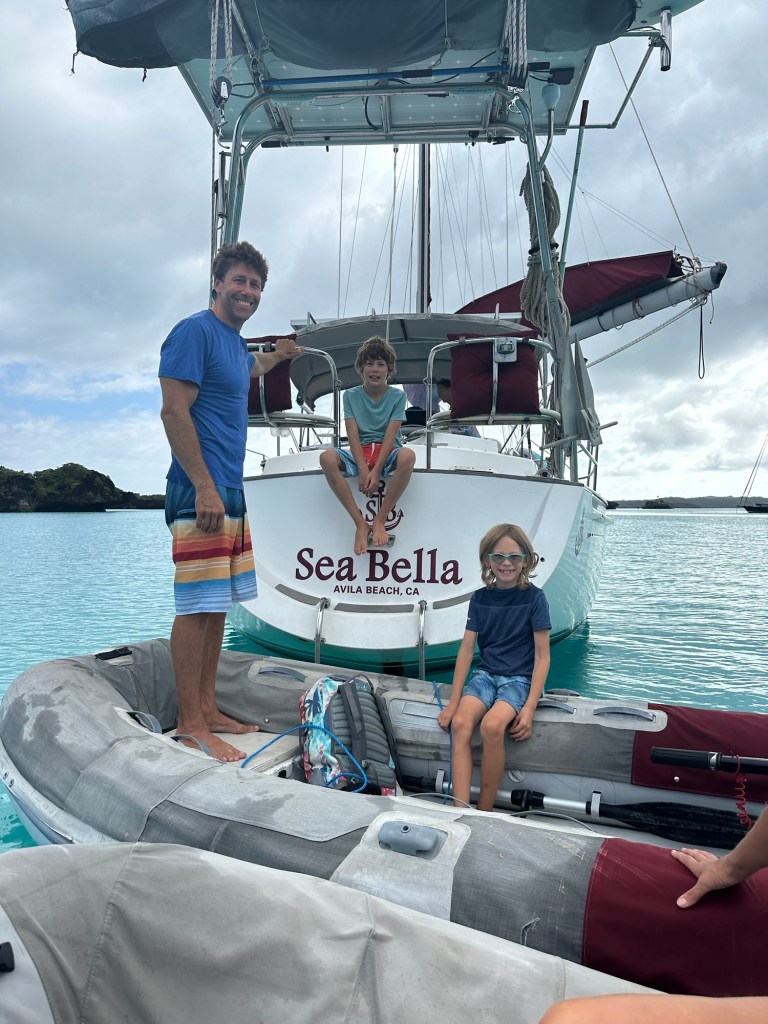
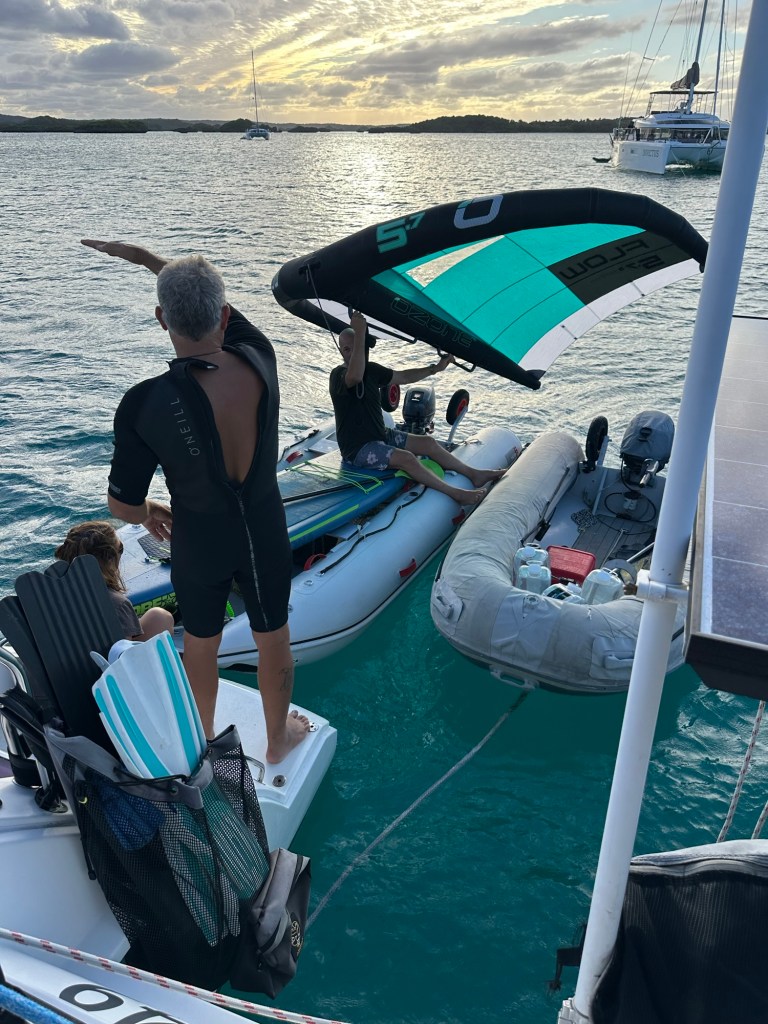
Too many to count….The stunning beauty. The amazing friendships. My bread machine. The friendly Fijians. The clearests waters. Shell searching. Very little humidity. Yoga. My amazing husband. South beach Ogea. My best girlfriend, Candice. Bugspray, bug couls and bug screens. Happy hour with friends. Sprouts. Cookies. Adventuring. Sailing. Cruising with Sea Bella. Wingfoiling. Playing with the local children. Jokers and marbles. Helping fix the villagers sewing machine and generator. Bonfires. And lastly; KALEA!

This life isn’t about escape. It’s about alignment. It’s learning what really matters and building a life around that. And, I am so grateful cuz it’s one of the best decisions I’ve ever made.

We now head back into civilization again. A quick stop at Kadavu for some world class diving. Then to Musket Cove. Fiji. I am excited to say we fly to California soon for Montana’s wedding. This October we head to Vanuatu, December New Zealand, March Australia, June Indonesia. (Loose plans for now)

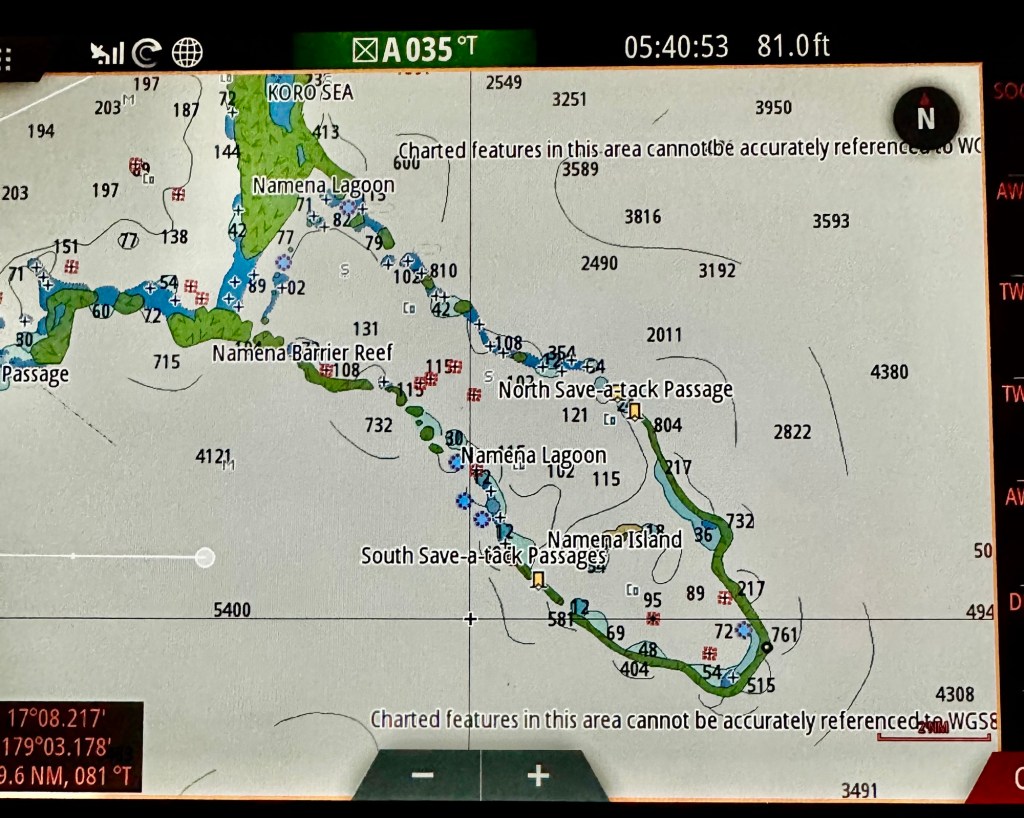
Fiji Villages, Customs, Chiefs and the Simple Life. (New video below)

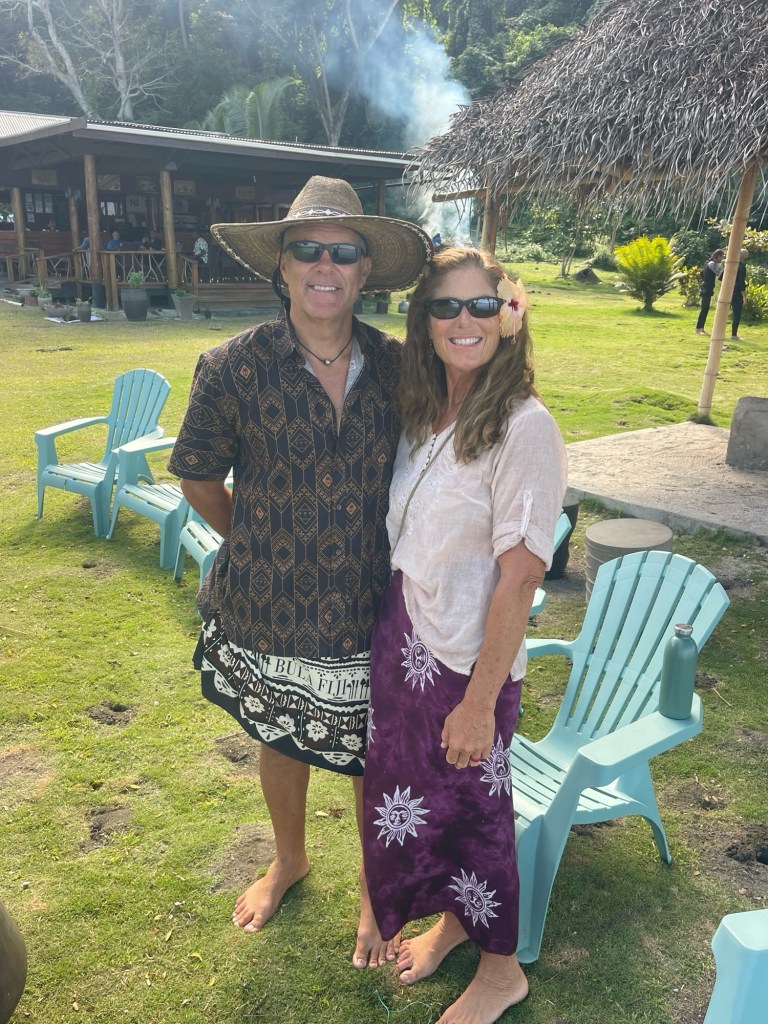
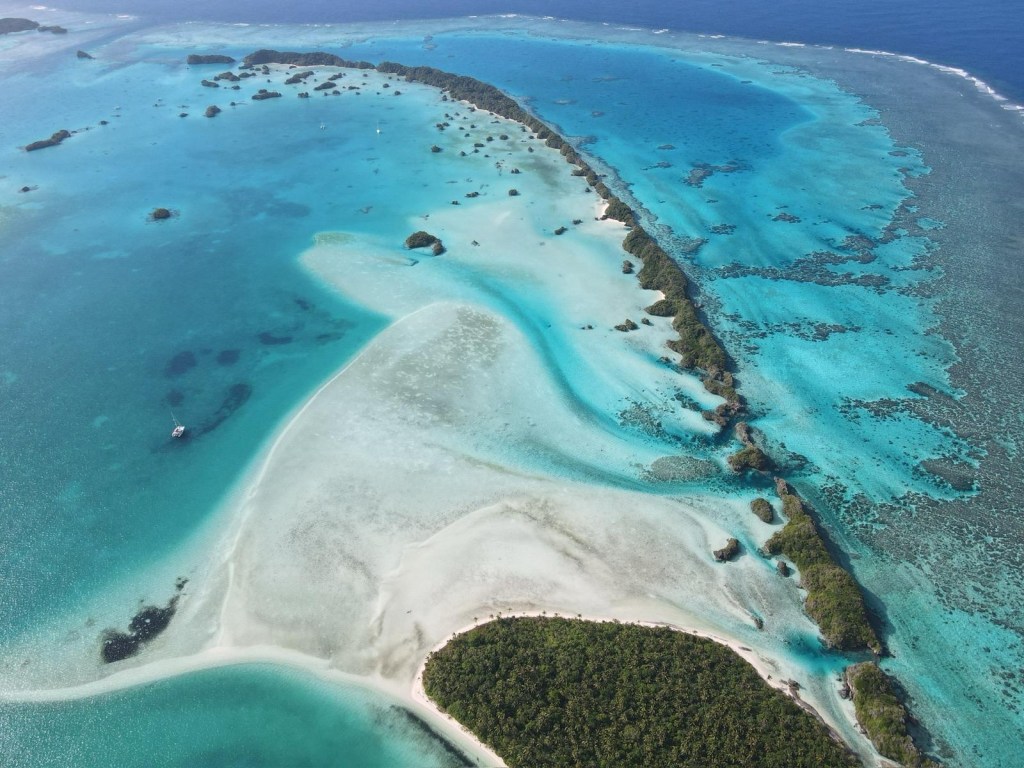
Sailing to the outer islands of Fiji, we experience an entirely different way of life. The simple life. We get to participate in the Sevusevu experience with the village chief and spokesman. Typically, as we first anchor down our Catamaran in their lovely atoll bay, we pull the dingy up the beach to look around. In these outer barely populated islands, we are greeted by a village spokesperson. He reminds us of the proper clothing attire (Sulu skirt, no hats or sunglasses, and women are dressed covering to the elbows and knees. (We later learned that Christianity introduced this) 😊

Here in Faluga, we are directly escorted to the chiefs home. This is usually a simple hut, with tin sides, a woven coconut frond mat on the floor for sitting, open air windows, and a twin bed in the room. Kitchens and bathrooms are outdoors and often a shared area. We go inside, barefooted to see the Chief sitting cross legged on the floor. We show respect with an introduction. We give him a bundle of Kava root and the chief then gives us a blessing to stay in the bay as long as we wish and be part of the village. We all clap three times, I guess to seal the deal. We may also give some small items like reading glasses, a few clothes, or a simple sturdy toy for the children. He invites us to share ideas, local news and stories while we sit in a circle on the floor. We learn some facts about their village culture and history. We get to fish his waters, take coconuts, walk his beaches and explore the rain forest. 😊
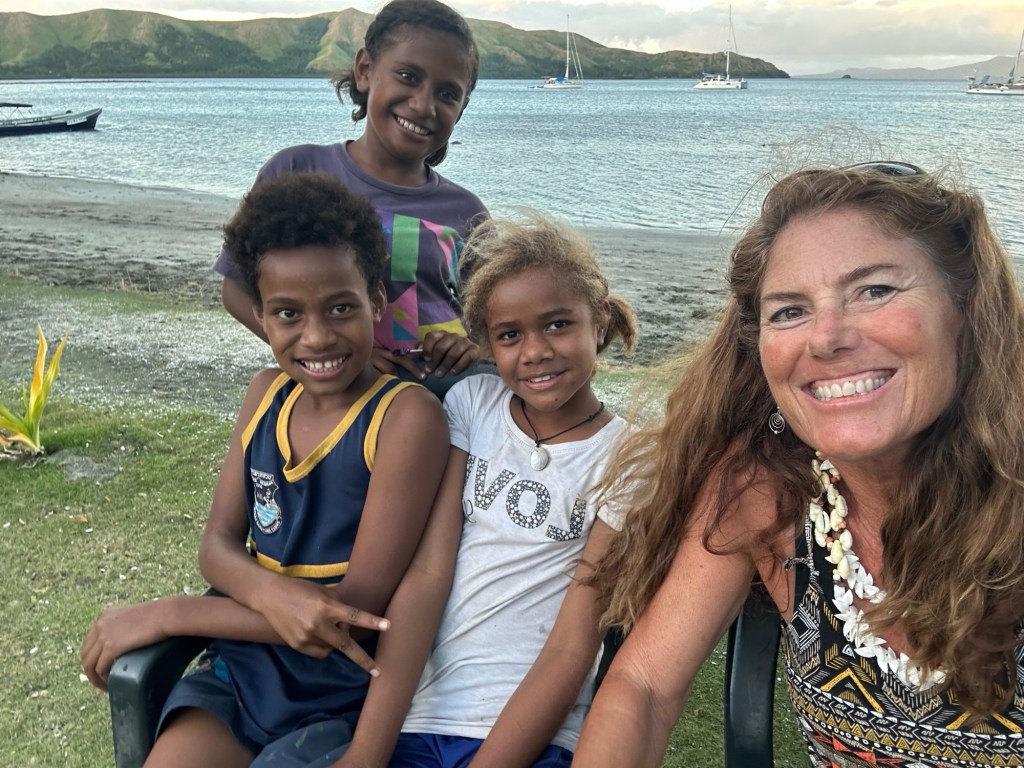
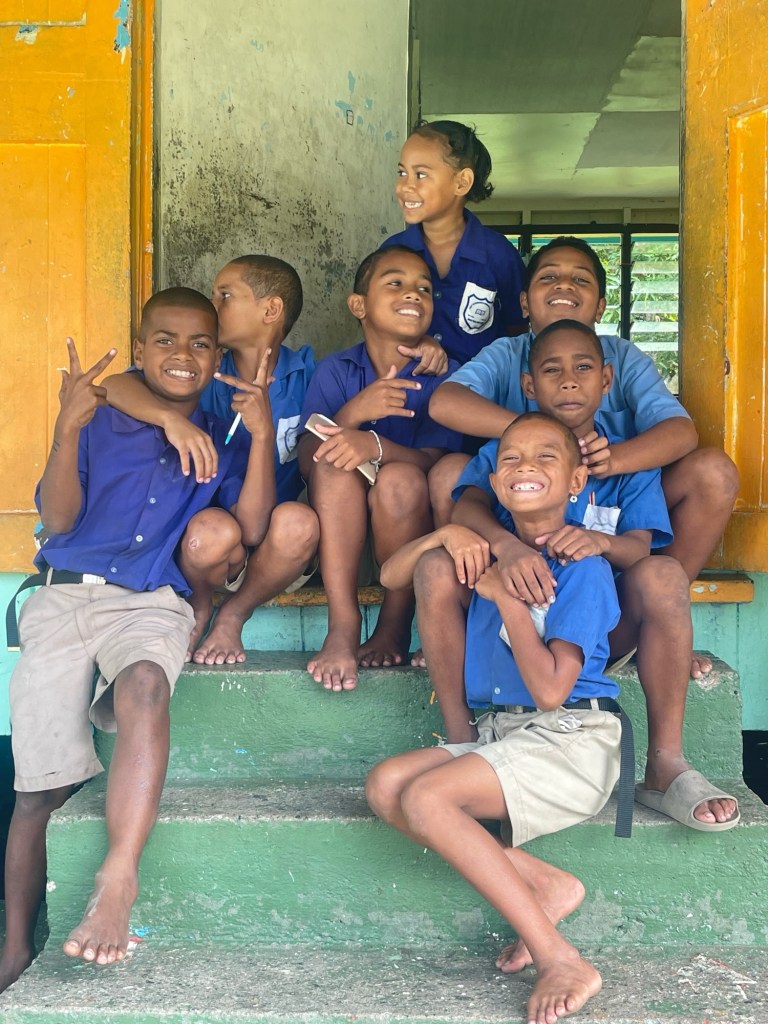
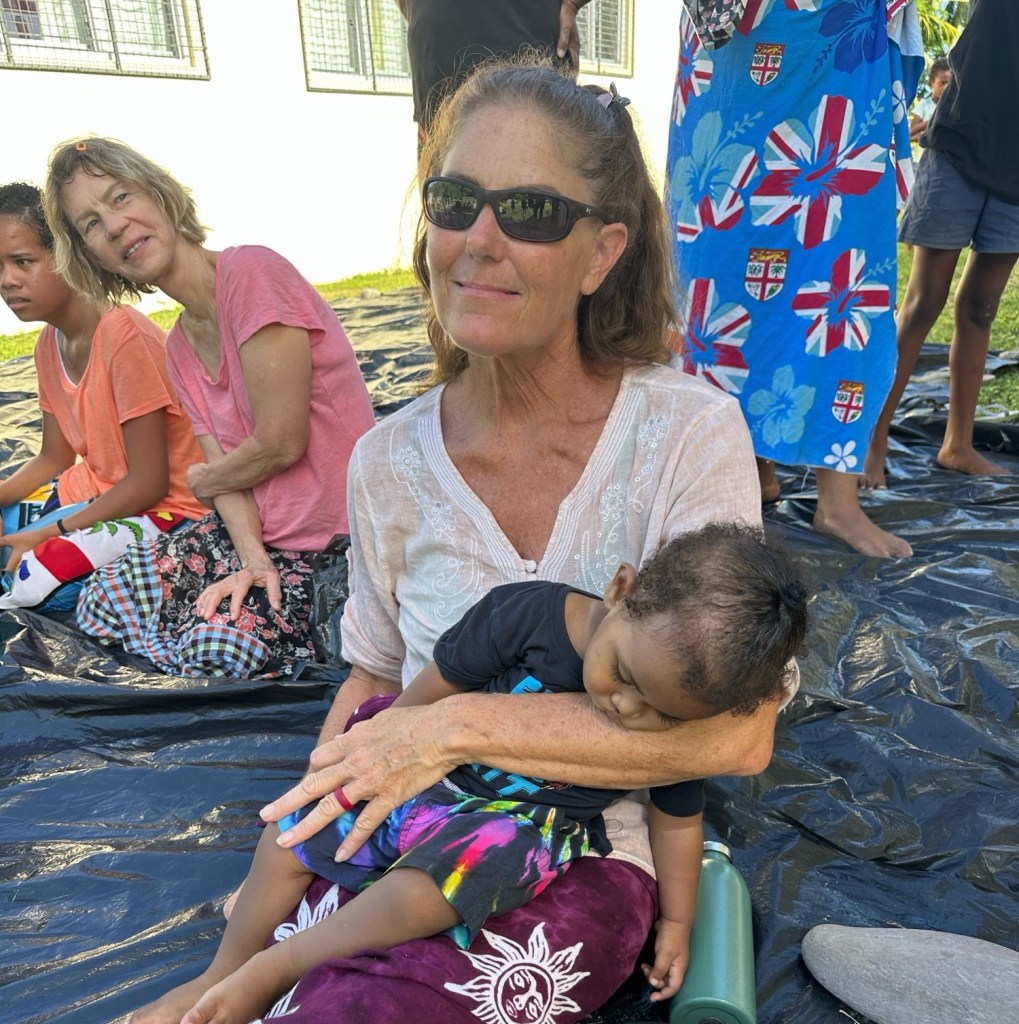
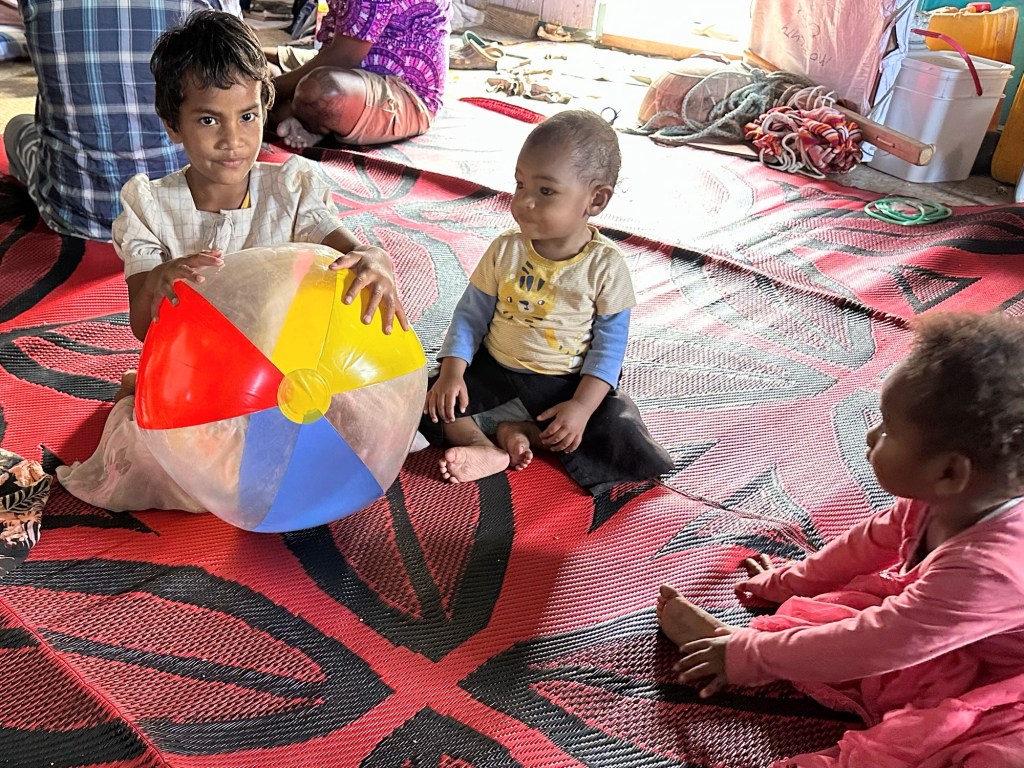
Since Fijians are so friendly, we chat with everyone in Faluga that walks by. Everyone is barefooted and casually busy with their chore of the week which is usually assigned by the chief. Afterschool, the children are eager to play and goof around with us. I give a little girl a lollipop and a deck of cards. It’s amazing to experience the innocence of their casual and simple lifestyle. REFRESHING. Only simple paths connect the tin open air houses, the one church is framed with stucco siding as a safe place for all to gather during a cyclone. There are no roads, since there are no vehicles. Sand paths connect all the homes and gardens. There aren’t any refrigerators or freezers, or washing machines. There are 2 generators for all to share or rent. Gas for their few longboats and food staples are delivered once a month for all to buy into. Villagers either pay a few dollars or trade with their personal goods (fish, lobster, clams, beans, kassava…)

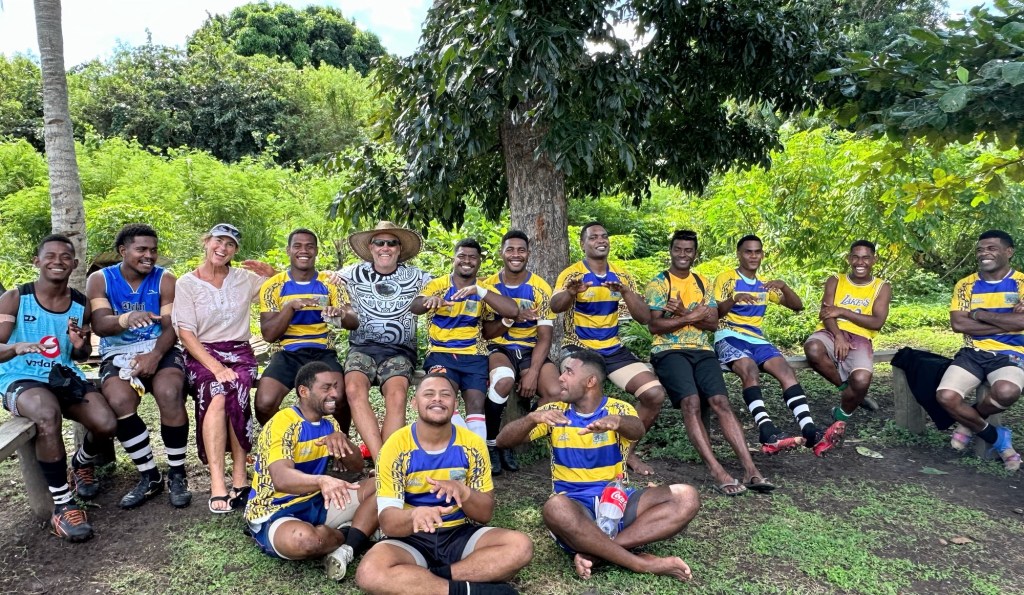
Faluga is a unique island, as the chief decided to assign each sailboat to a host family for the entirety of the stay. We are treated as family and often share meals (called Lovo, served on the floor, no utensils, drinks or napkins). We exchange ideas, laugh at our commonalities, talk about each others history or politics. This special time is so endearing and educational for both parties. Together we hike, collect coconuts, weave mats, and search the beach for clams.

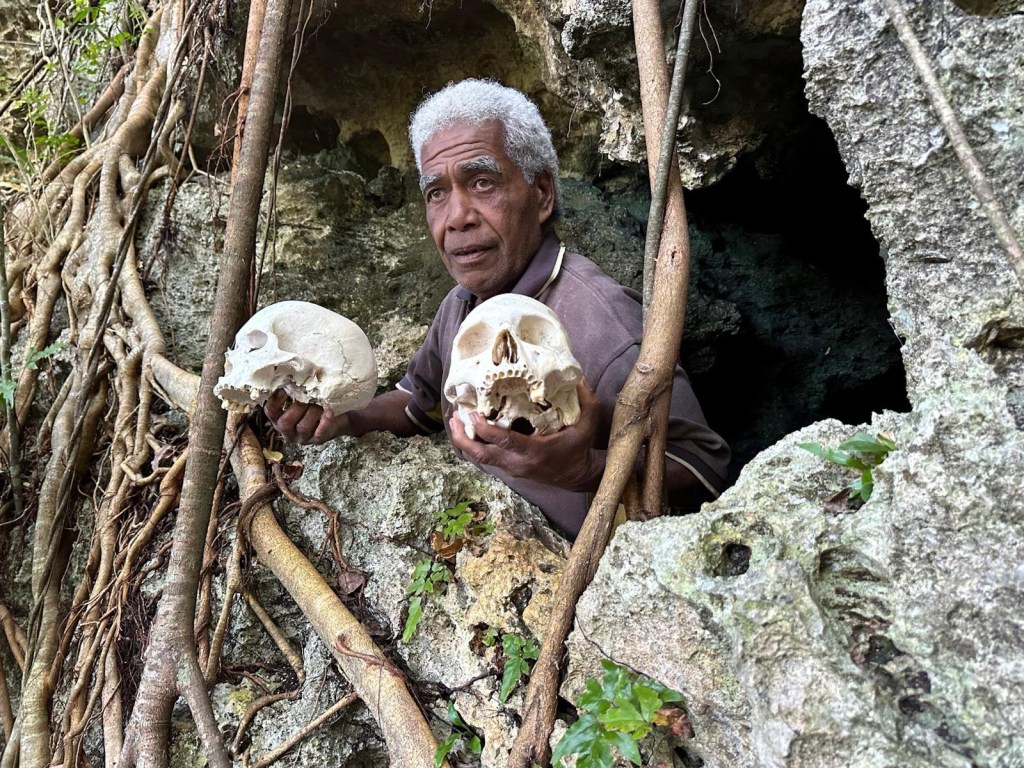
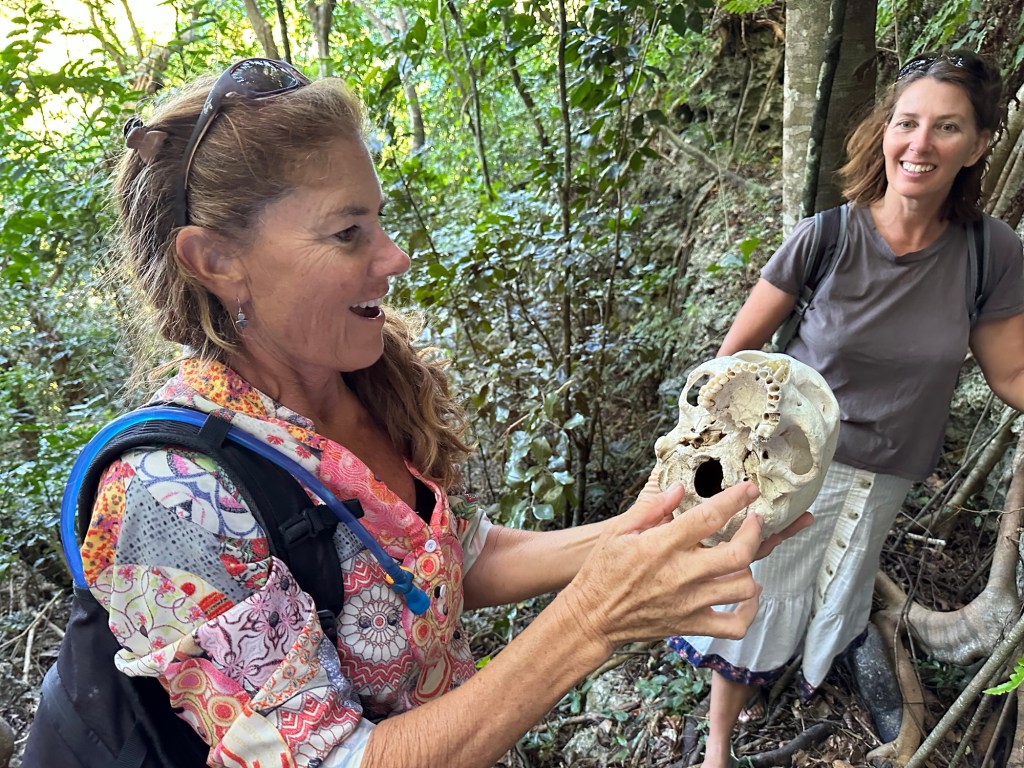
Tie is our host, we walk to gardens and we pick cabbage, kassava and beans. We later explore the trails, school, church, and any historical area of the cave of bones, high in the hill. Tie has also arranged for us to go out on a spearfishing adventure with his cousins. A kava night has been arranged. We see some his brothers canoe at a sailboat selling fish and fruit. Tie takes us to the ladies’ handicrafts for us to admire, purchase or trade. I have bought baskets, jewelry, and special shells.
Thank you for reading this review of a Fiji village, in October we say goodbye to Fiji and head west to Vanuatu.