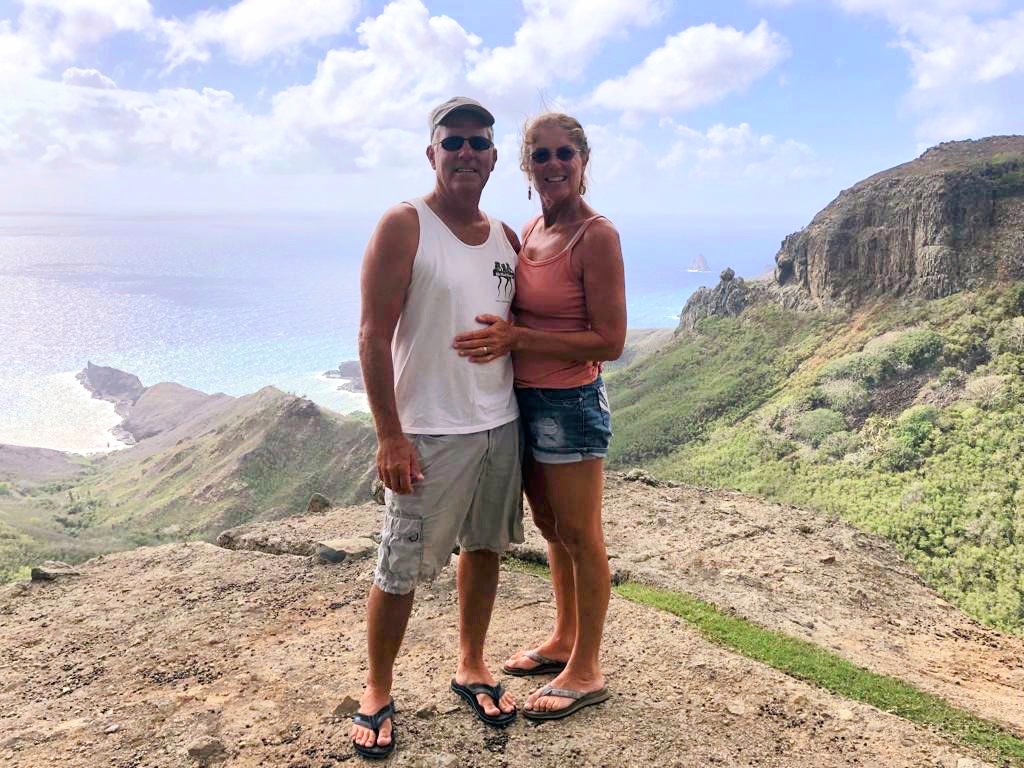
Our sailing home takes us, Scott and Kathy Erwin to travel the world one island at a time. Come along on this adventure to learn, or join Kathy’s Yoga, and explore and see the world.
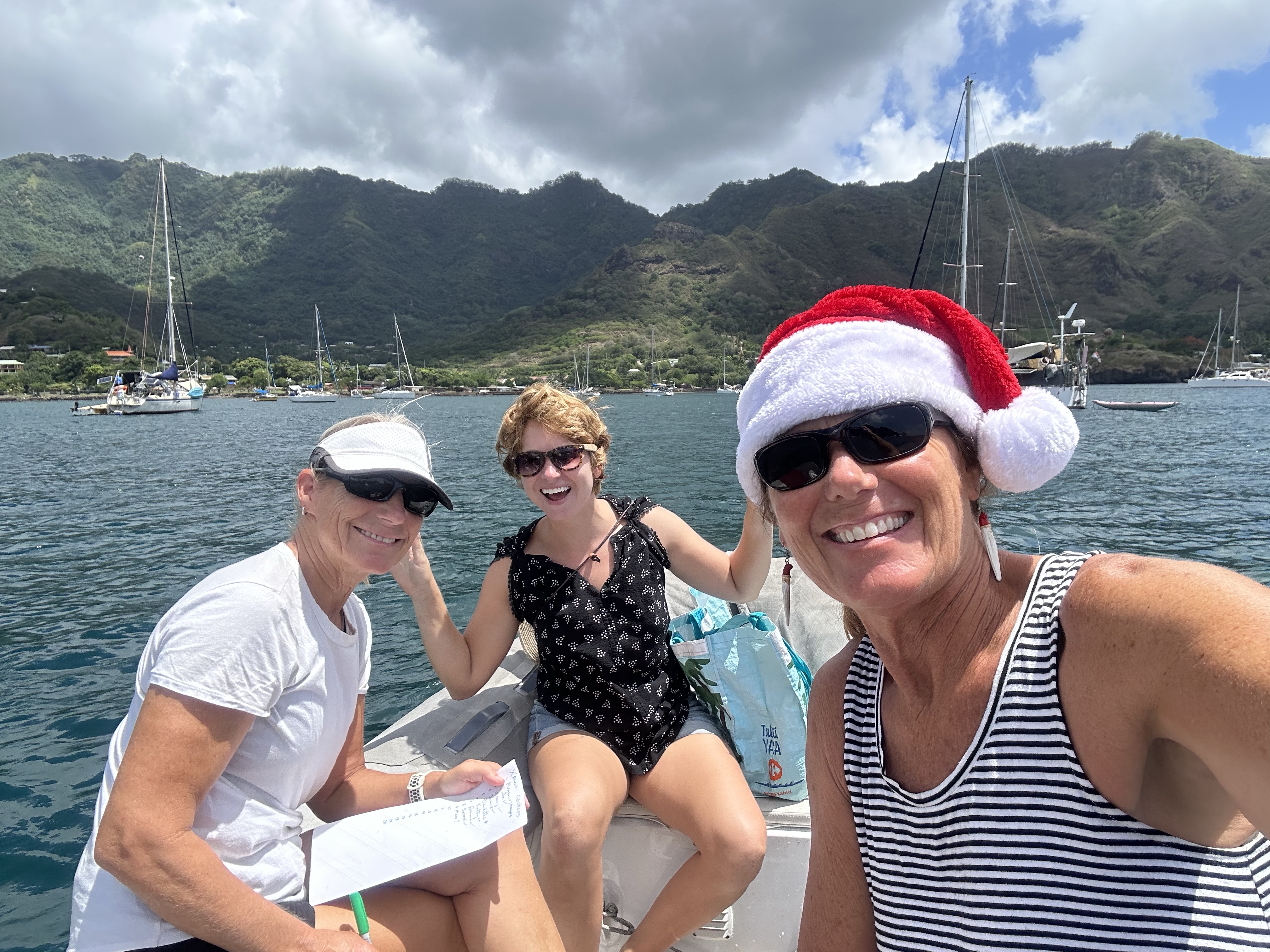
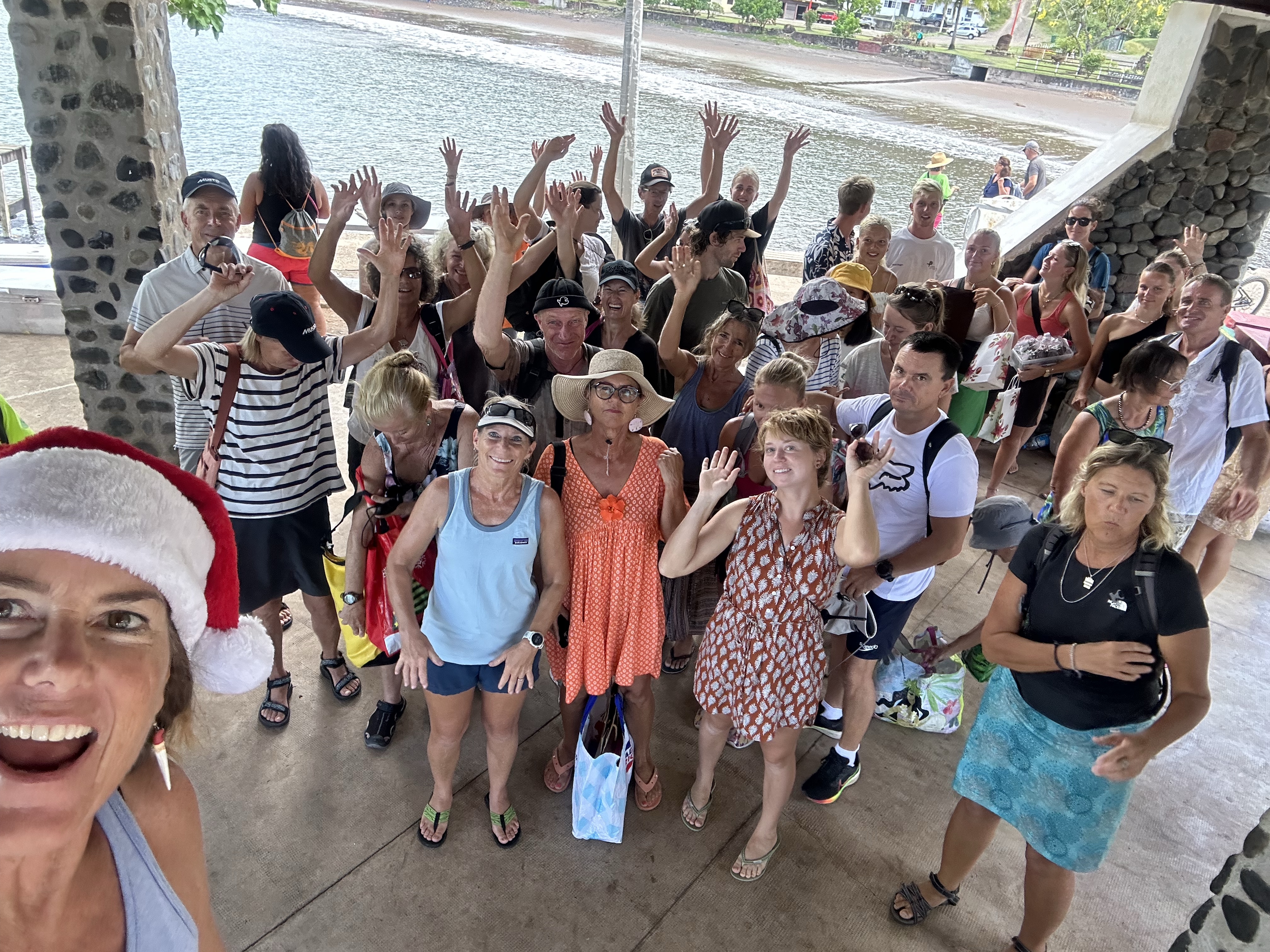
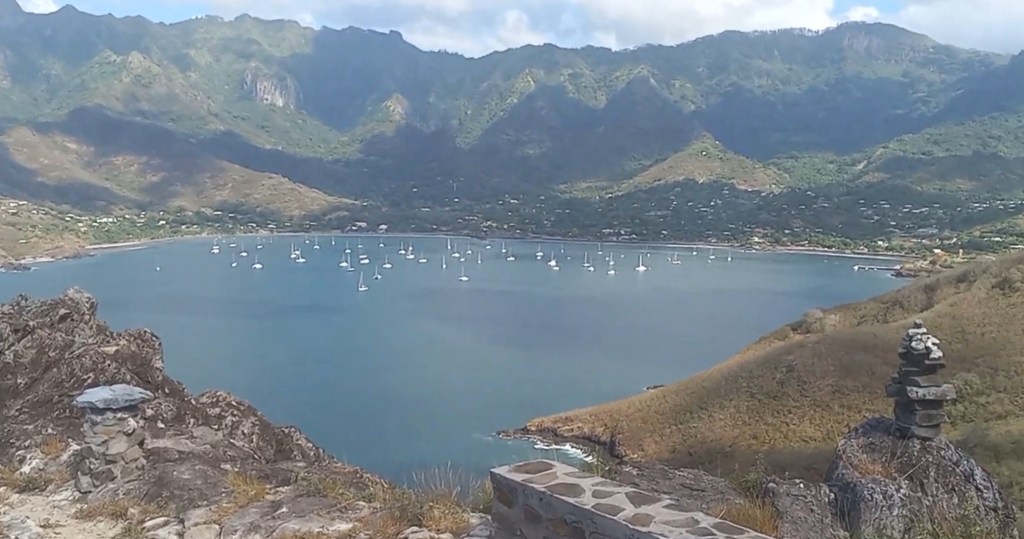
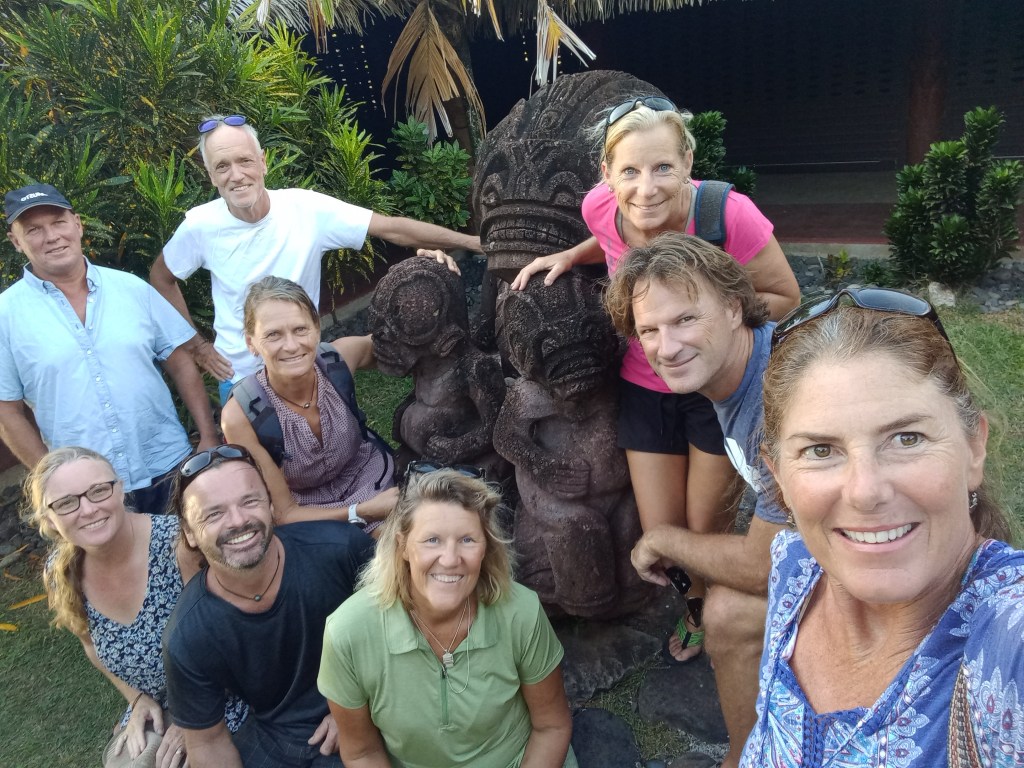
December 2023, a few cruiser friends and I (Emma on SV Margot and Joanne from SV Fundango) thought up a special way to give back to the little town we all are staying in for a few months. Taiohae Bay is in Nuku Hiva, in the Marquesas Archipelago of French Polynesia. I counted 150 sailboats all anchored in the bay, most are staying for the month to see the Festival Traditions of Matavaa. See my other posts. Since we are all just guests of their bay, I thought it would be a caring idea to “give back”, especially since the locals have graciously hosted us all and included us in all the their dances and singing events of the festival.
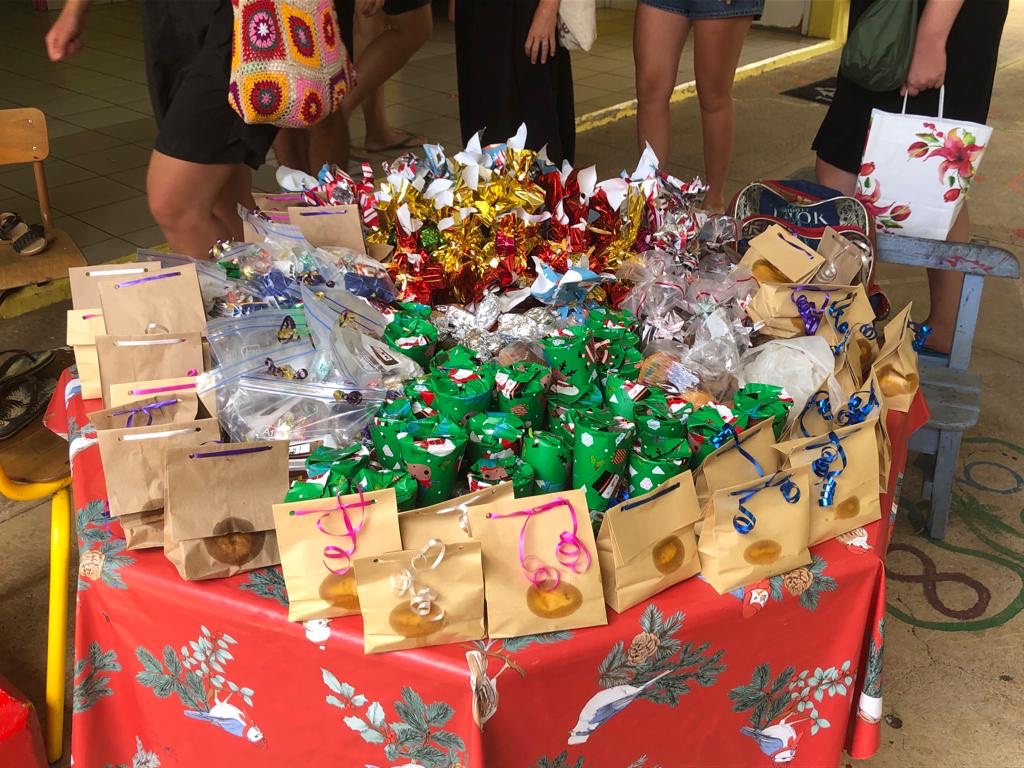
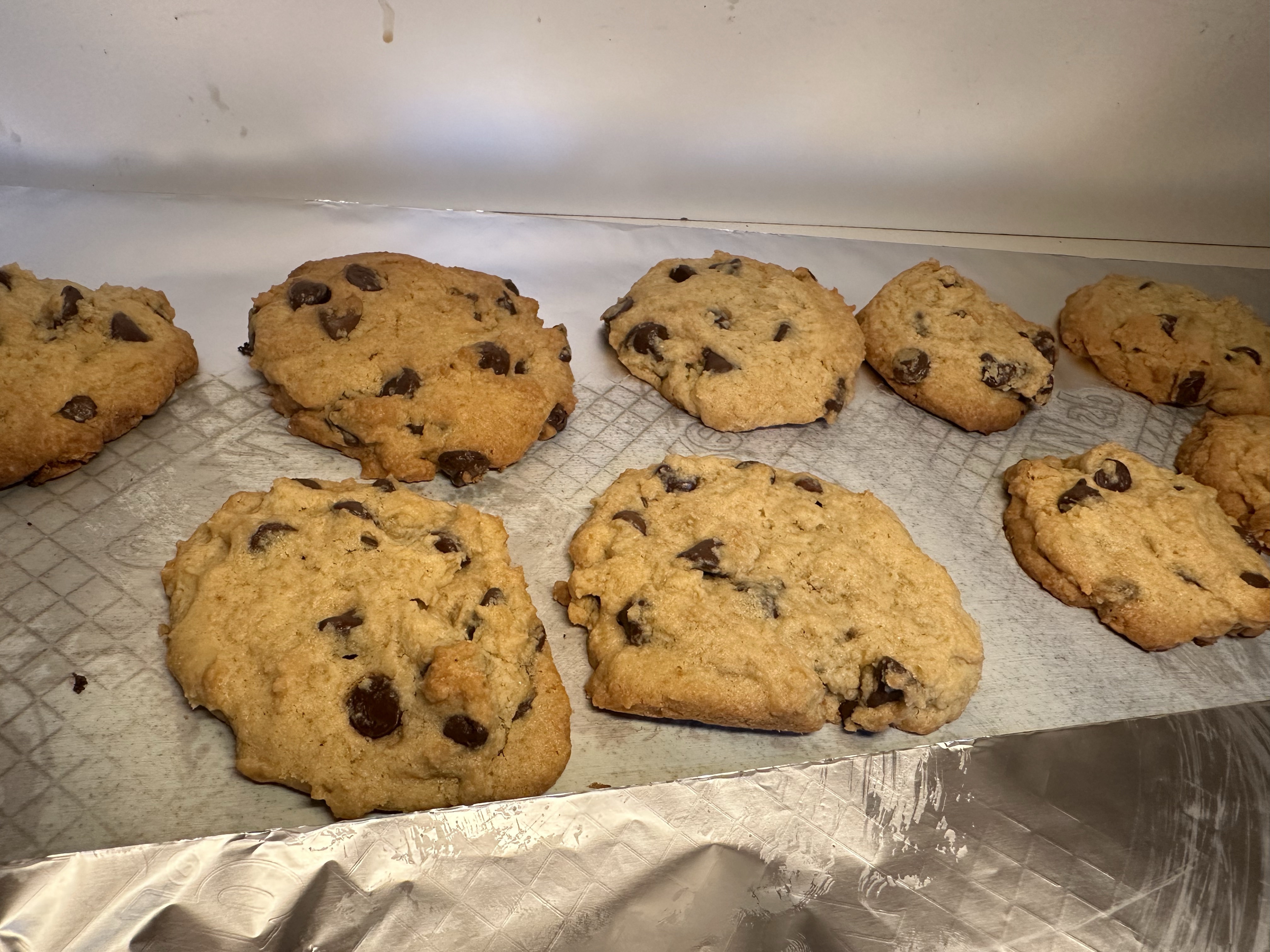
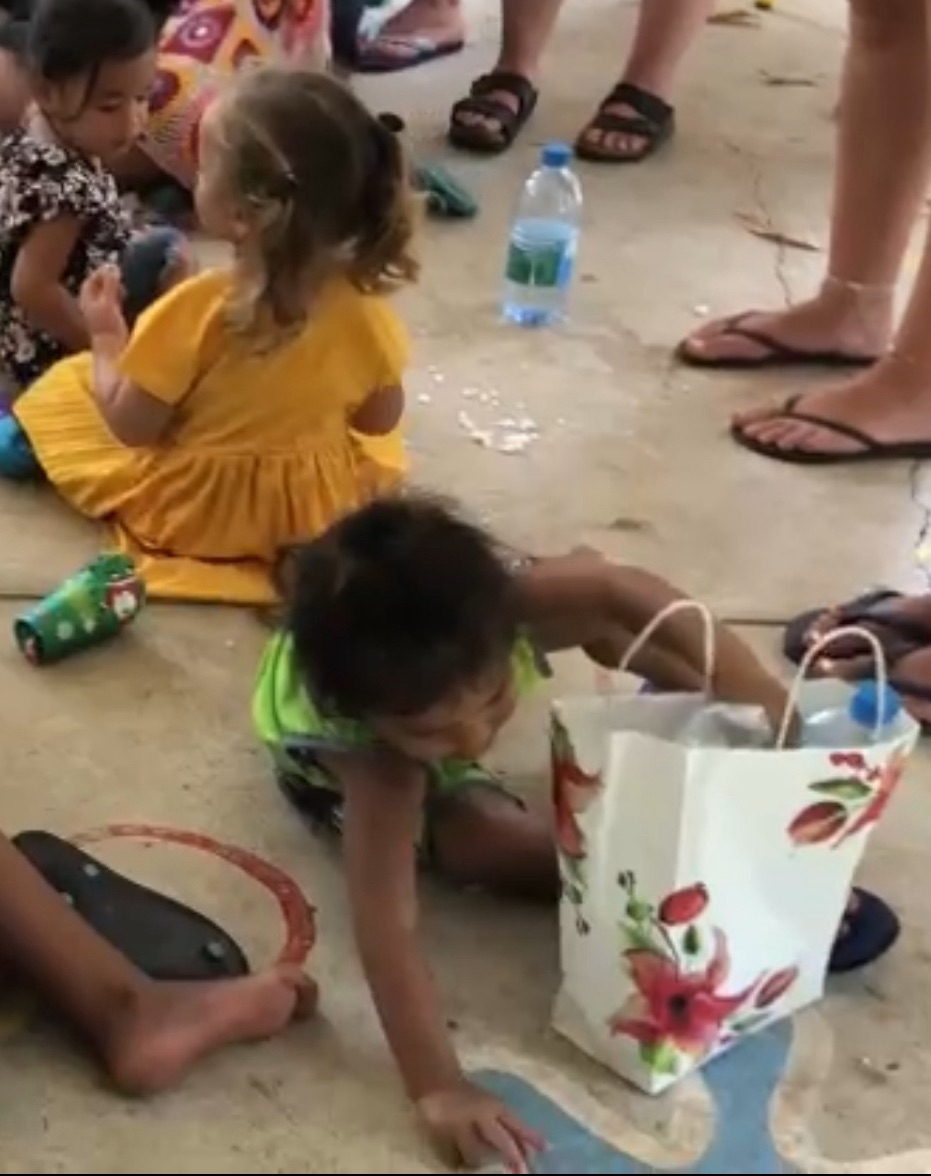
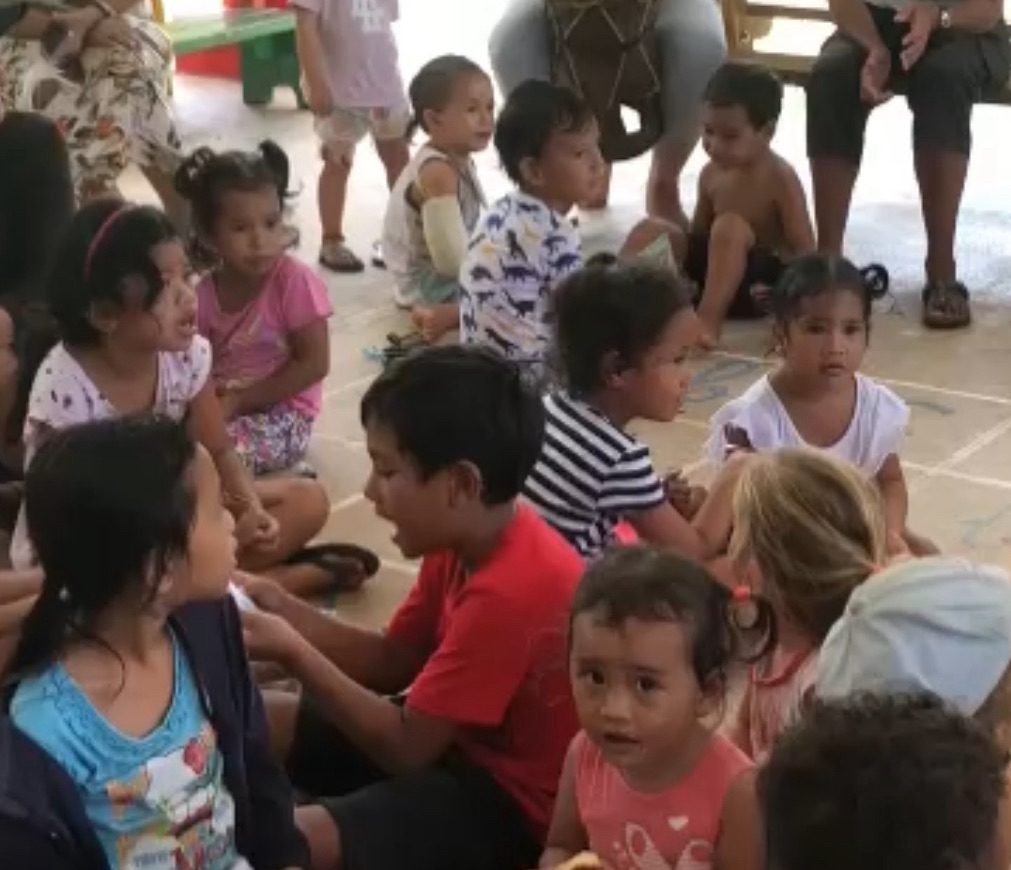
We went to the local Tourism office and inquired about the local elementary schools. We shared our idea of bringing each child of the town a wrapped treat, goodie, or cookie. We were shown gratitude and a sense of appreciation.
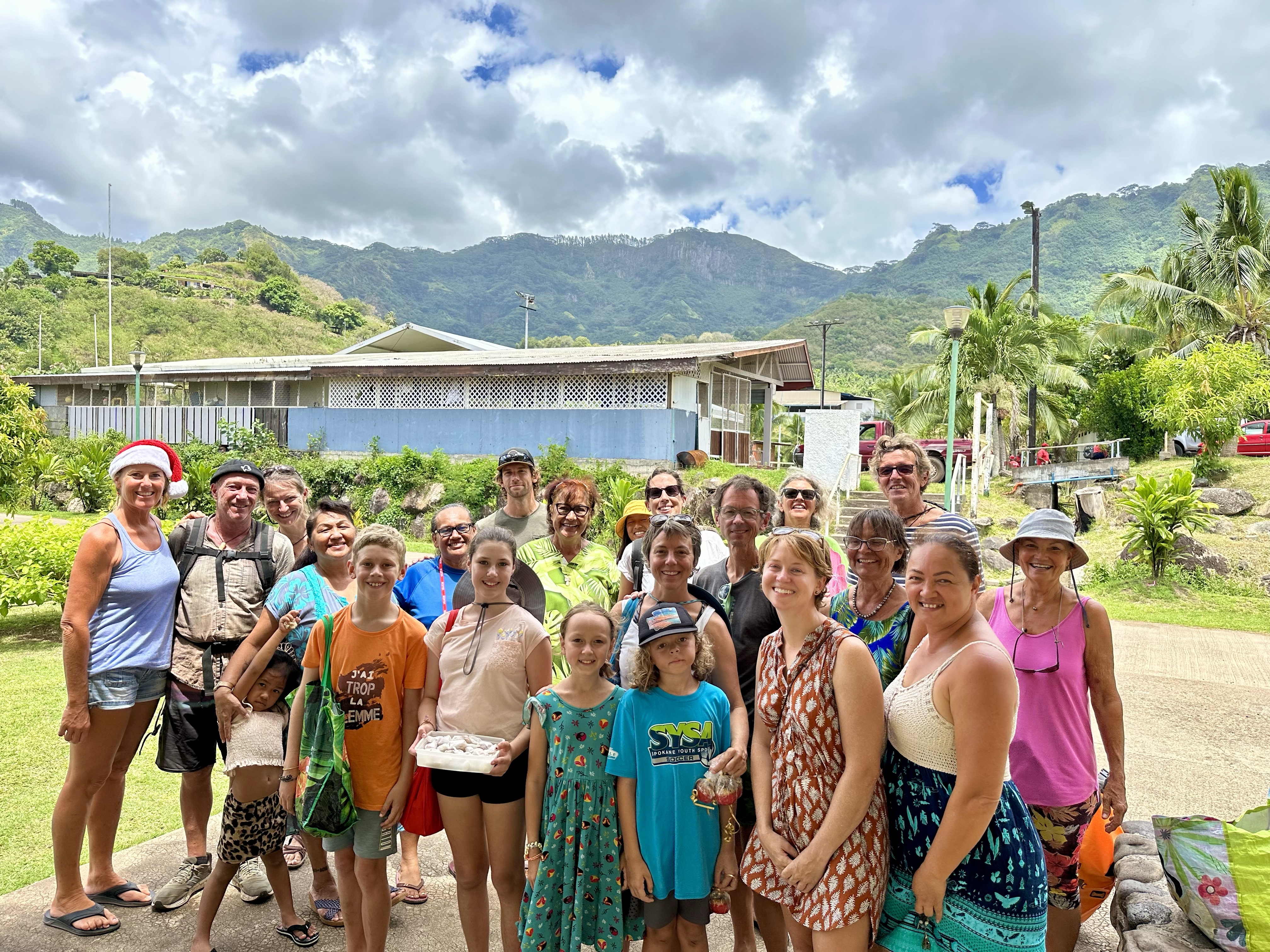
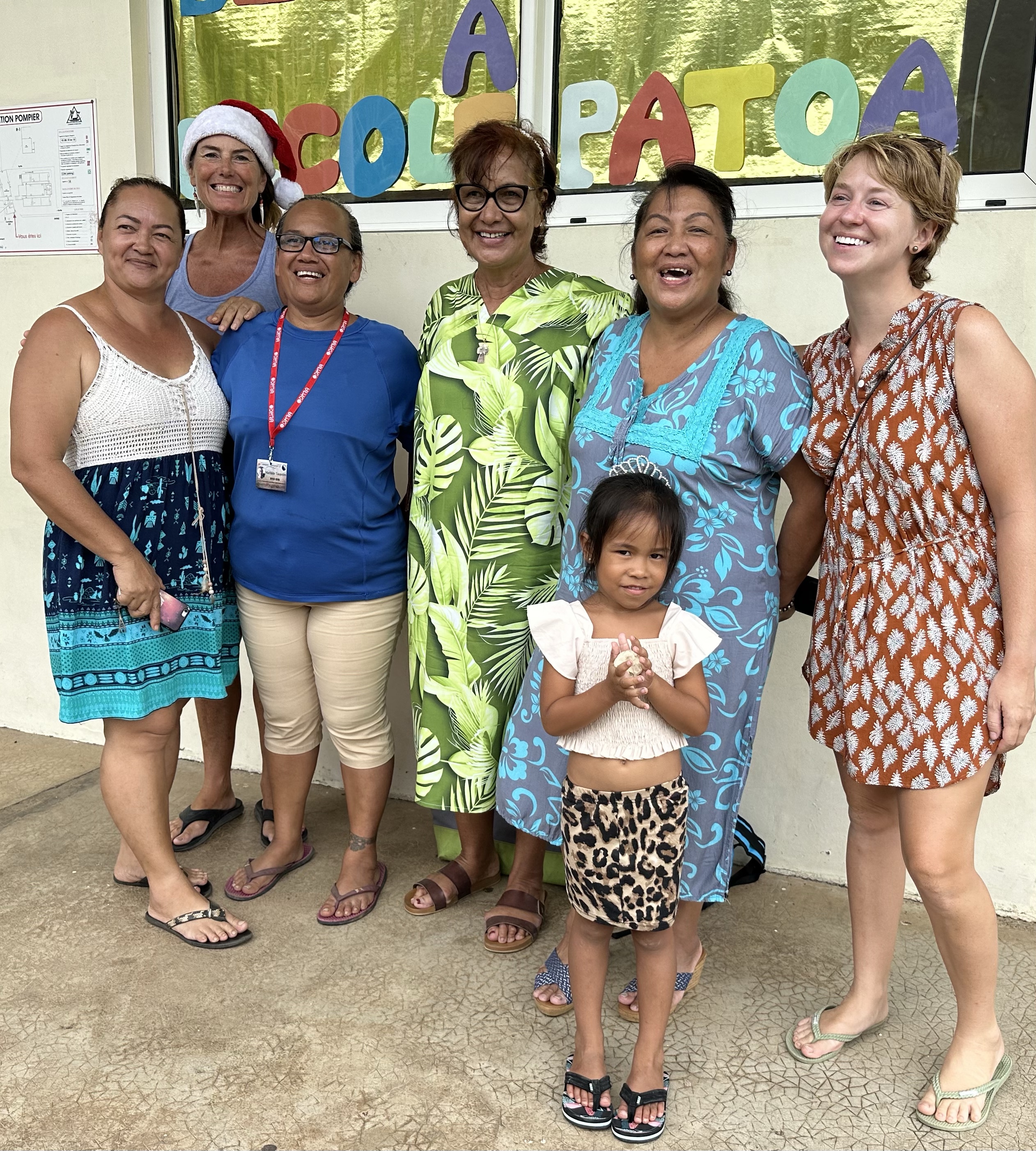
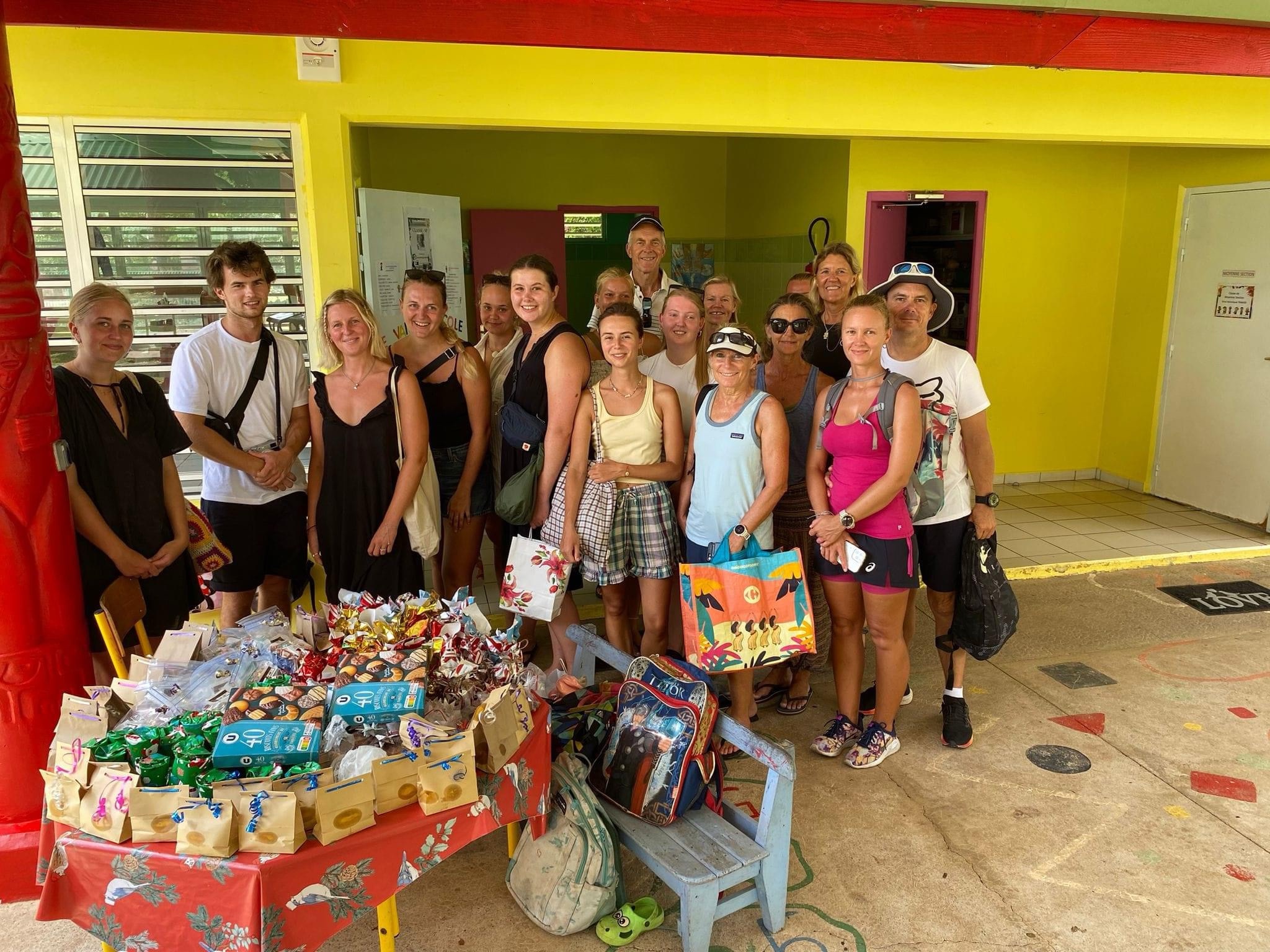
There was a bit of red tape and logistics, with one school being Catholic, but with perseverance and organization the plans began working out well. Once we were approved, we made plans to go to 2 elementary schools, all 40 of us, and hand deliver treats to 320 youngsters, their teachers, food service helpers, principals, the mayor and even a few parents.
A few days beforehand, the three of us zipped around the bay all day asking local cruisers to participate in this “giving back”. Most of them loved the idea and wanted to join us and wanted to go to town to hand out treats.
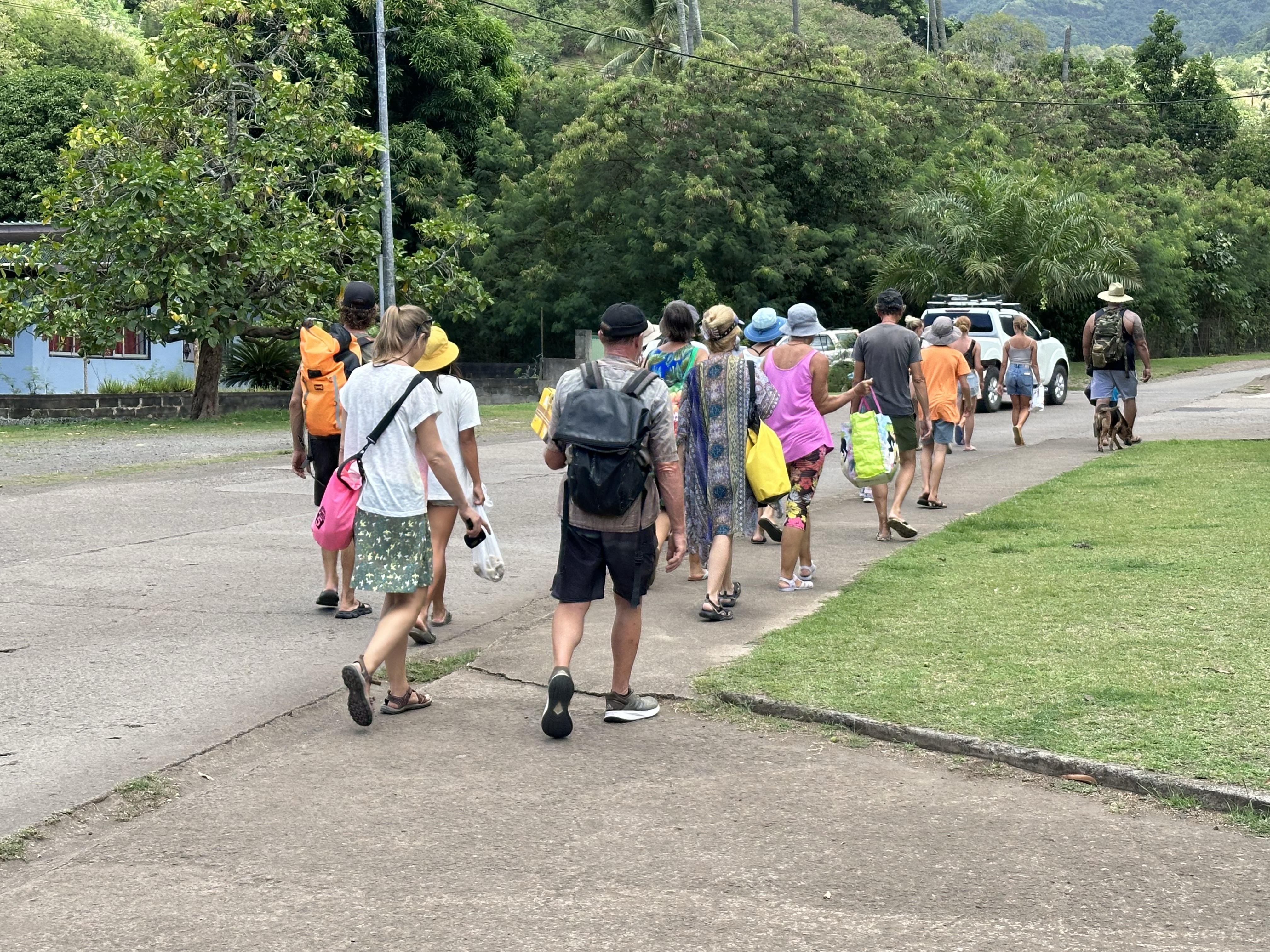
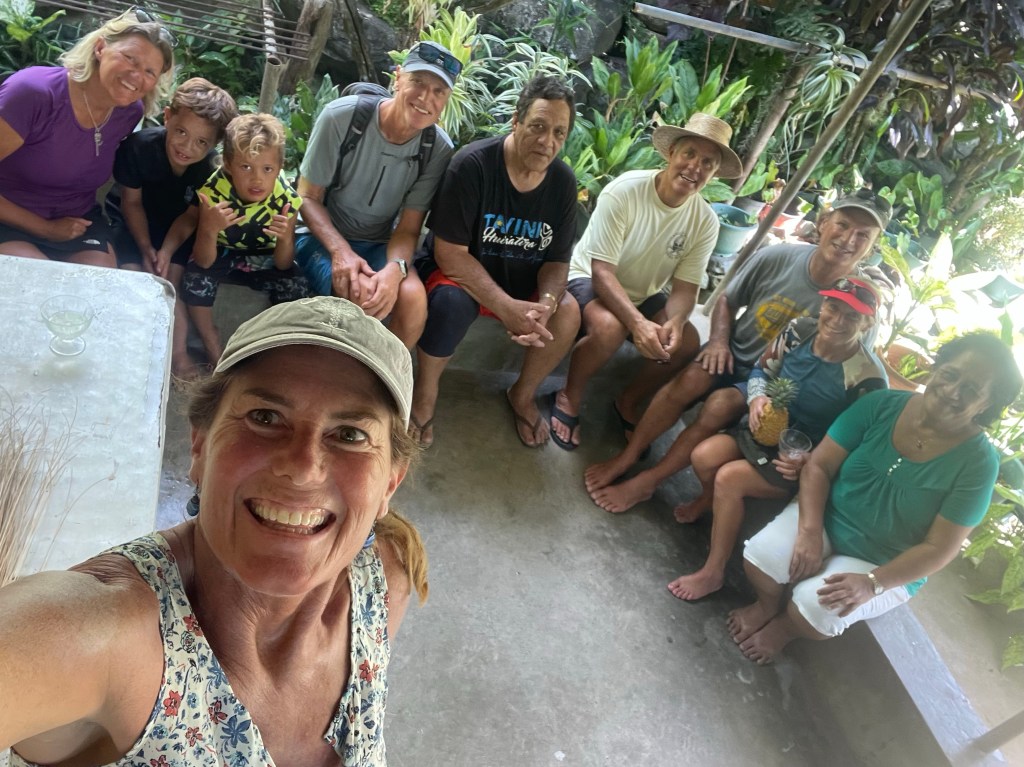
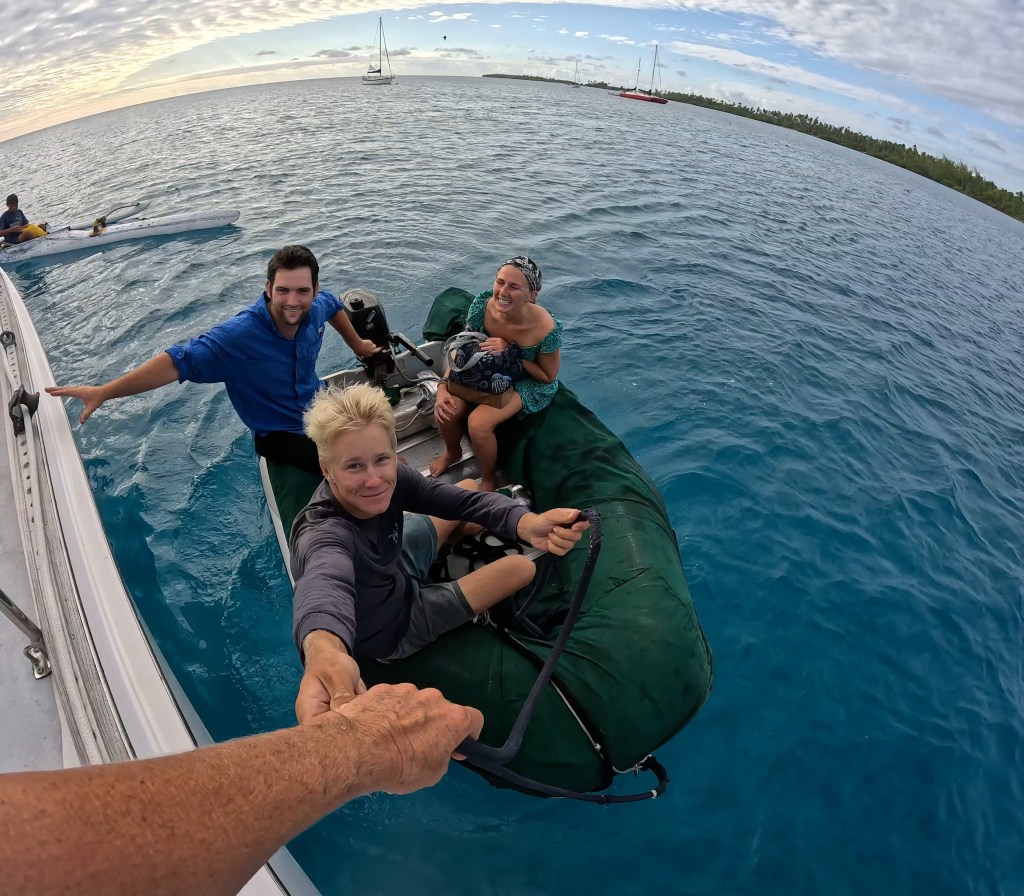
So, the date was set for the last day of school. We gathered at the dingy dock, discussed some logistics (in French and English) and went walking into the town with goodie bags in tote. This was a fun activity for us and an important little treat for the town. The children were so surprised. They haven’t seen so many Caucasian faces ever probably. They treats were a hit. Our photo and story was even posted in the local news.
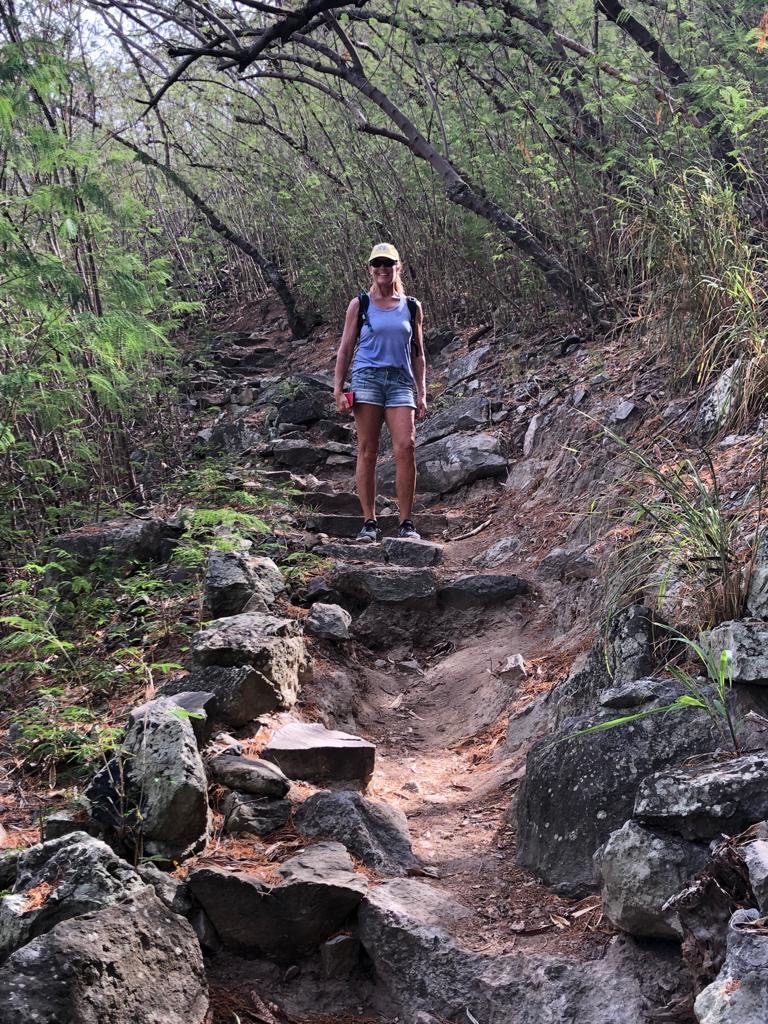
Well, you ask if I’m lonely here in Nuku Hiva? Scott’s been gone 2 weeks and ….I miss him. But, I am never lonely or bored. With so much to do on and off the boat, and with so many past friends, new friends and friends yet to be made, I rarely have time to realize the quiet. (Maybe a bit weird to have all 44 feet of Sea Bella to myself, haha.) I go on hikes everyday, pet the random horses, study for my Yoga Certification, shop for yummy fruit, learn the local history, play chess online, do some sewing projects, and the best part: visit friends. I look forward for Scotts return next week, to share in all this island goodness. He will be here for the big Marquesan festival, Matavaa. And, yes, it will then be my turn to travel to California next month, to see my kids, family and friends, I am so excited about that.
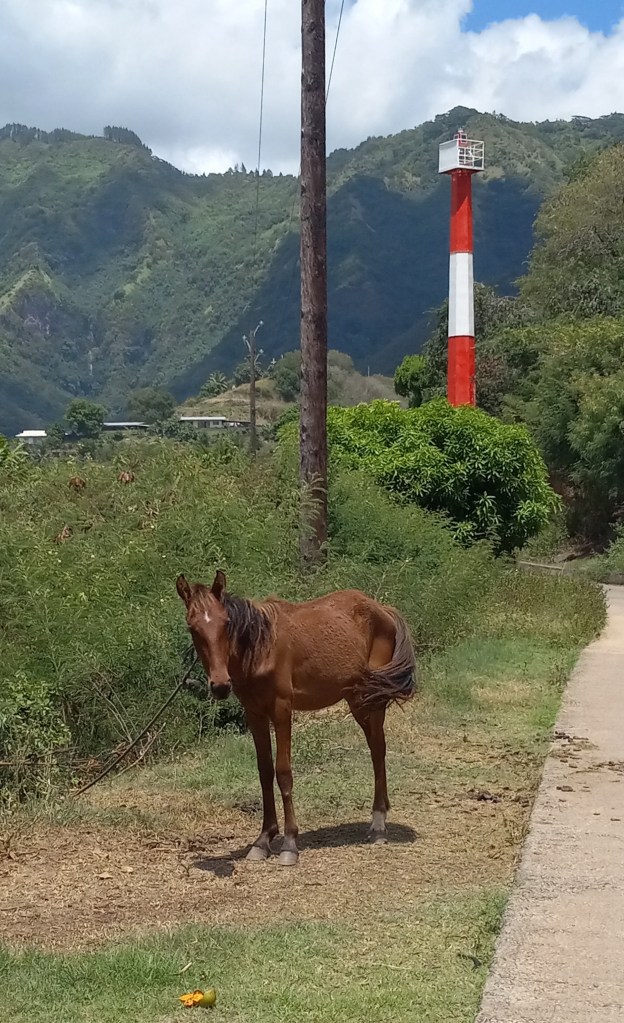
Most horses here are small, young, thin, and tethered to a 20 foot rope. Unfortunately they are also on the menu. 6 countries represented, not counting that we are in FP
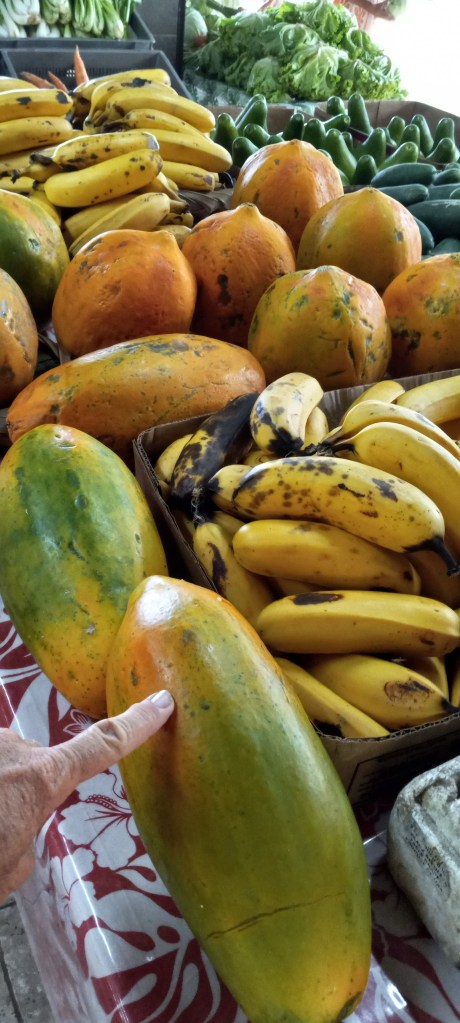
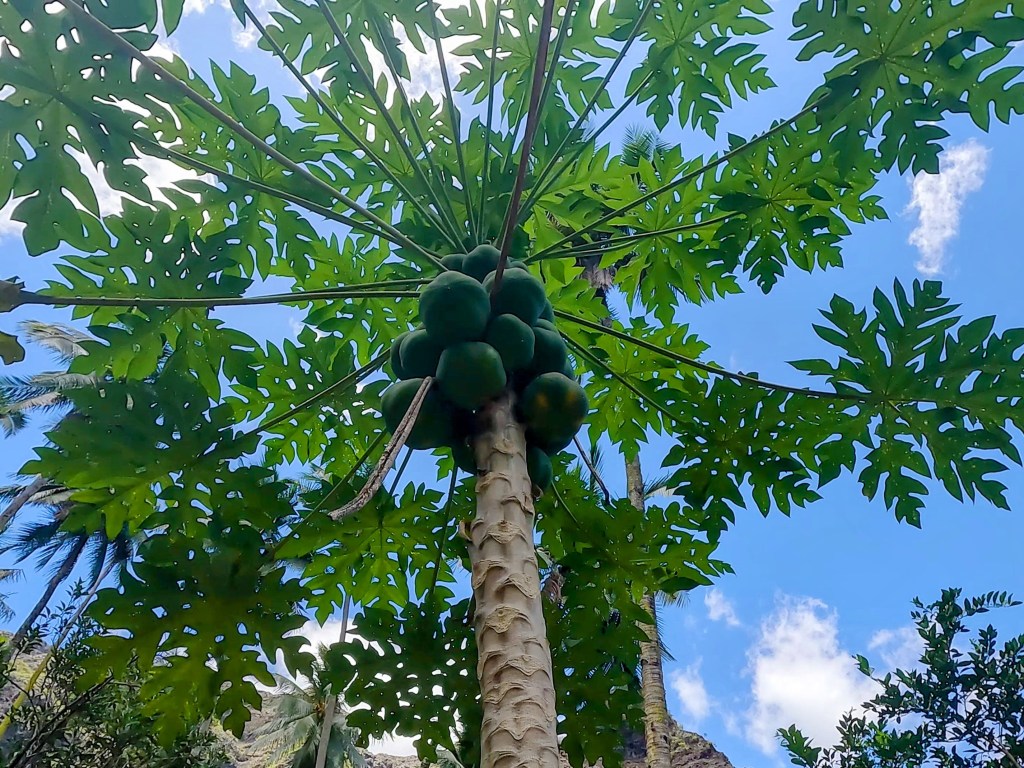
Huge papayas
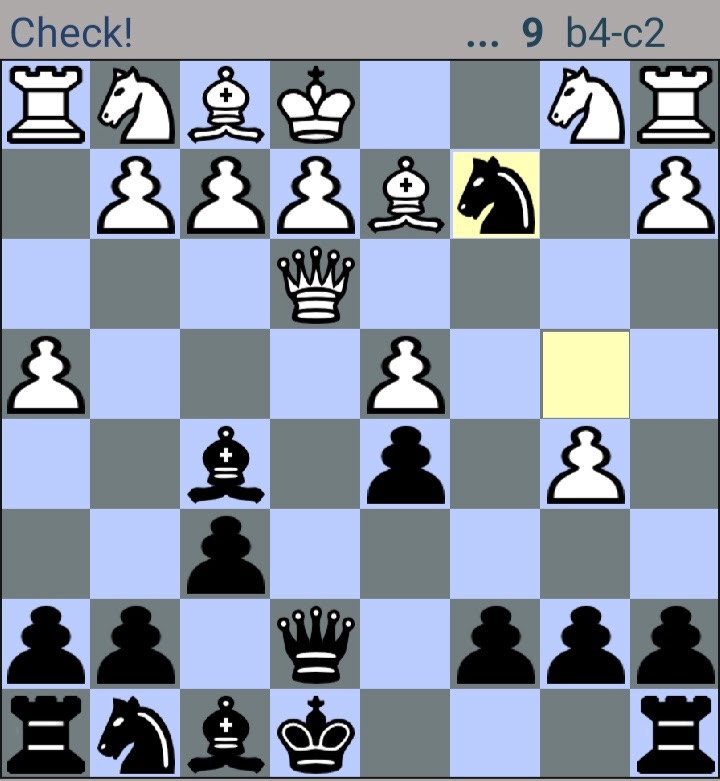
My favorite move to date, I am black by the way.
My latest project, dry bags for cruisers. It rains a lot here.
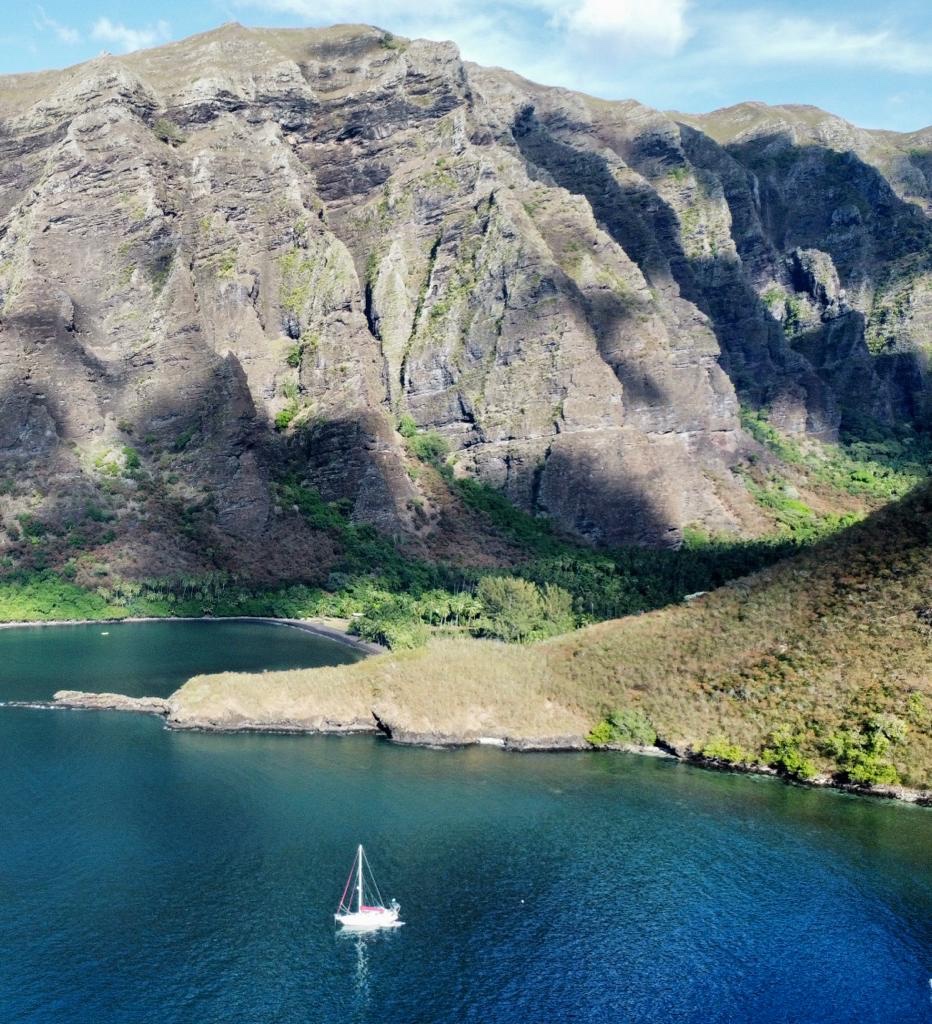
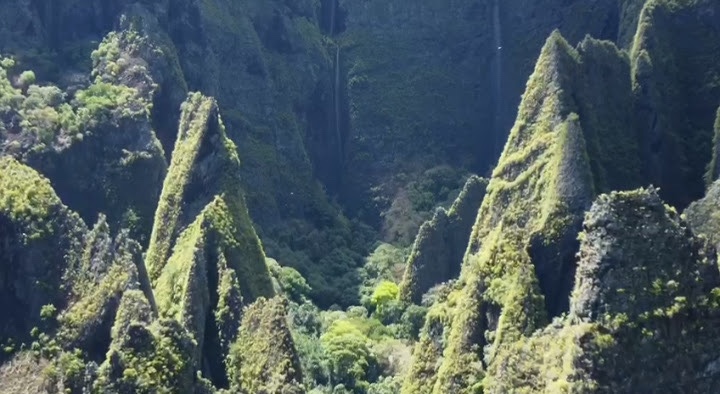
Not just your average anchorage; Hakatea Bay (aka and formerly Daniel’s Bay) Nuku Hiva. (The most remote Island in the world). This is the site of Season 4 of the TV series “Survivor” and also the last known case of Cannibalism in the Marquesas. How recent you might ask? Recent enough that I think the guy is still in jail. lol.
This amazing place was the Royal center of Nuku Hiva for over 1000 years. Up to 20,000 natives lived in this valley until Small Pox and other introduced diseases wiped out thousands, in past centuries. Now and over the past 80 years less than an average of 10 people live in the valley.
Video tour of the Royal Palace
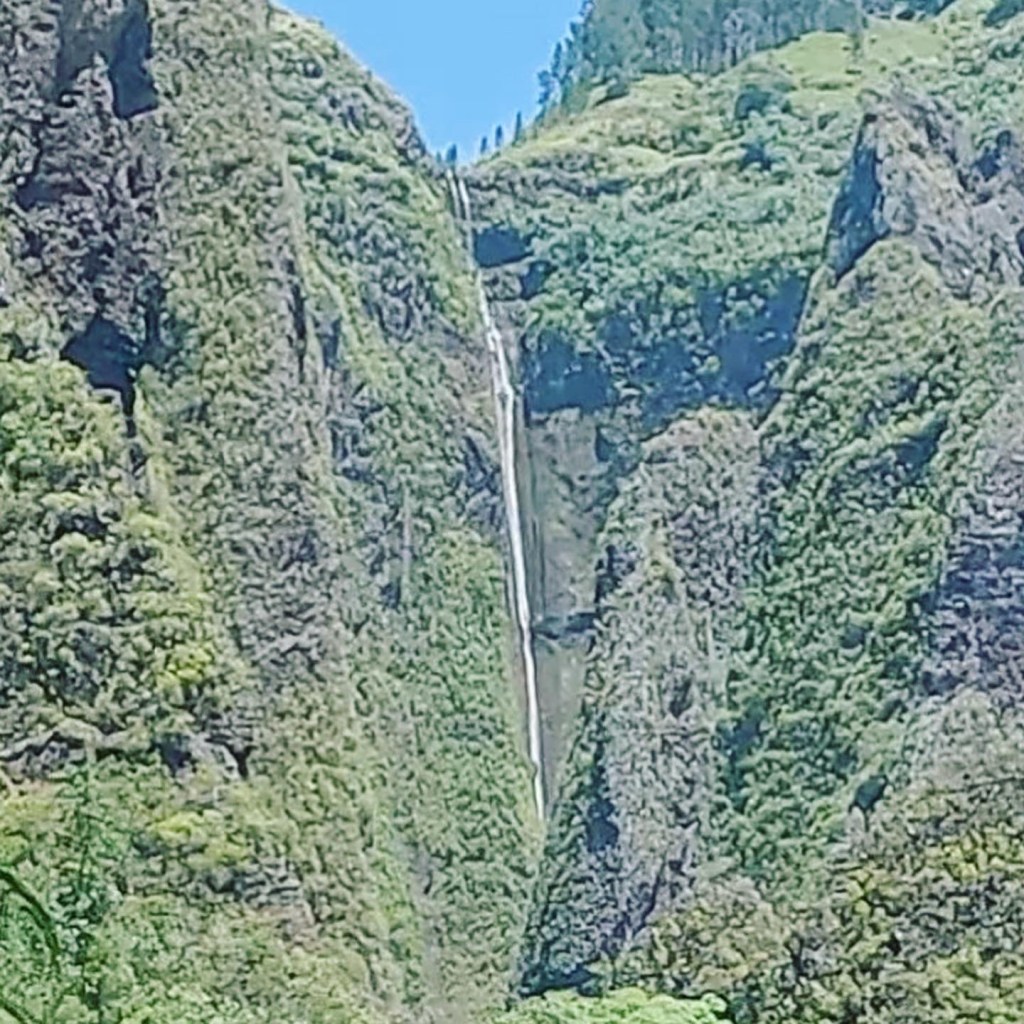
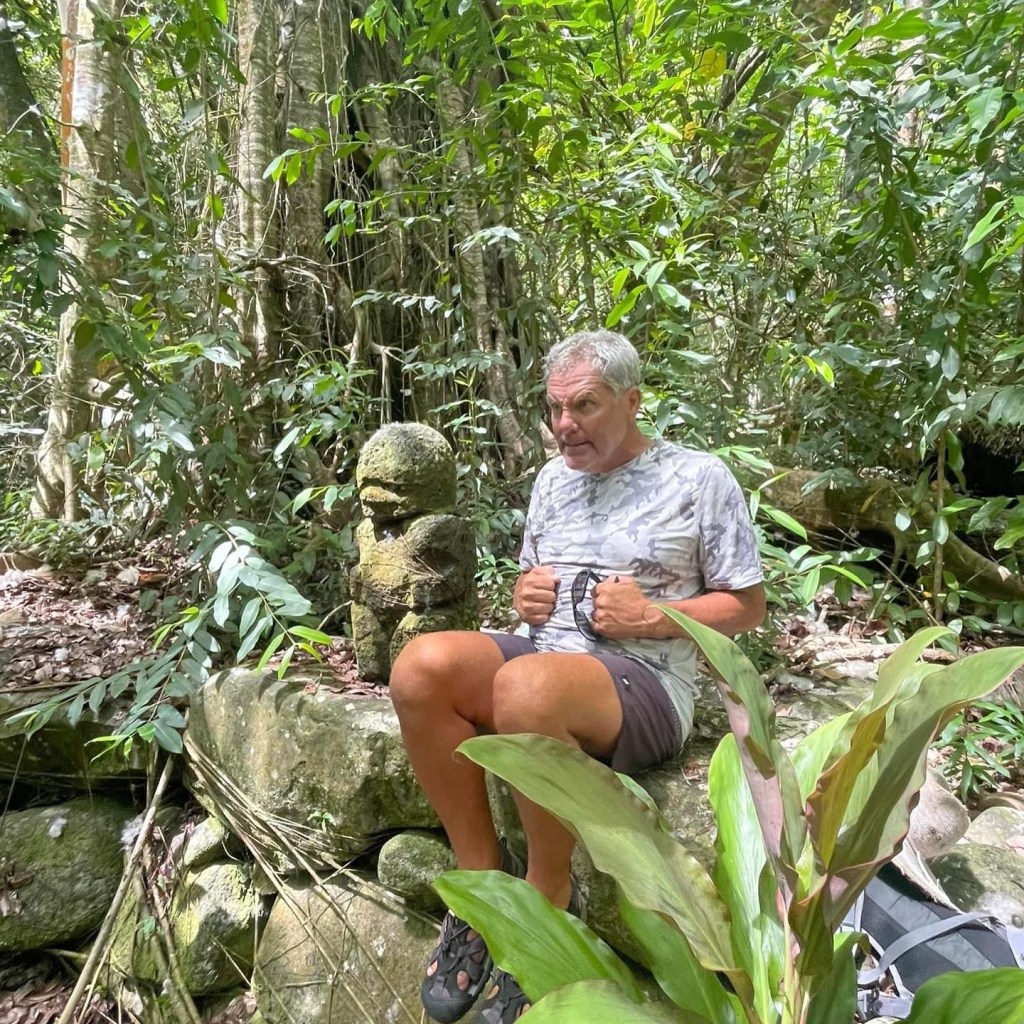
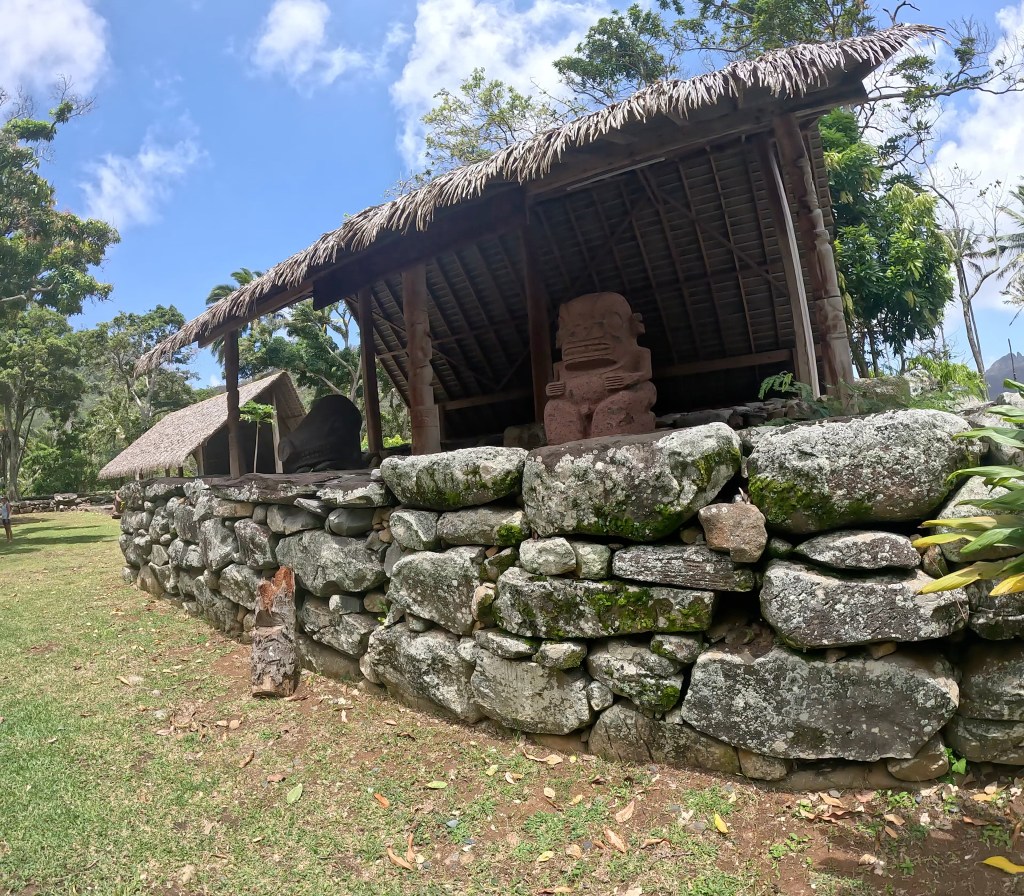
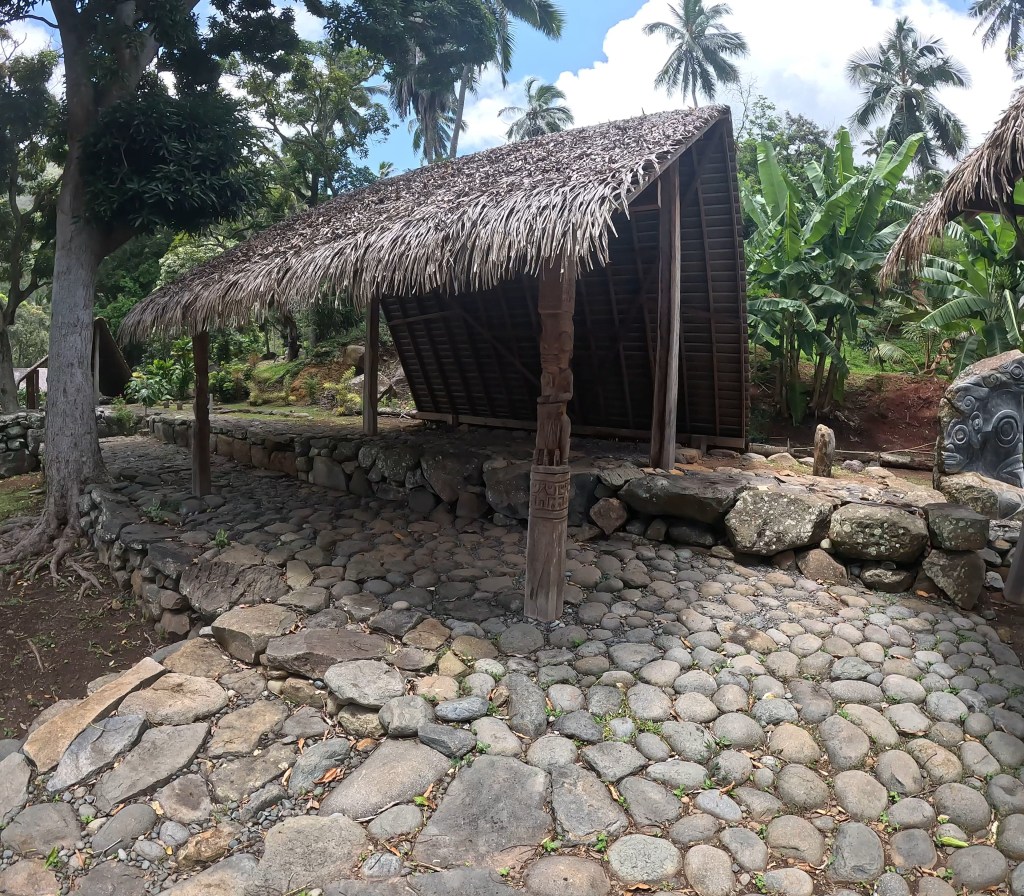
As we hiked up the Royal trail to the waterfall we came across dozens of Pae Pae’s or foundations of ancient buildings. We are amazed that they are basically in the process of returning to earth. Over grown jungle and trees growing through the middle of many of these ruins. Archaeology has shown that in some cases the heads of families members or warriors have been buried under rocks in the Pae Pae’s after the tribe or leaders ate the eyes and brain out of the skulls. (To take their visions and knowledge). We didn’t move any stones!
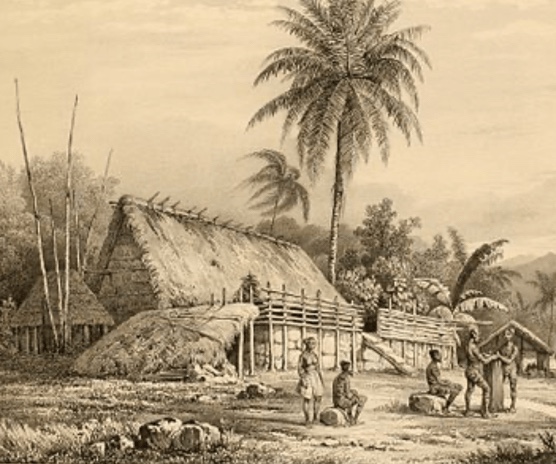
Boy was that waterfall loud!A rendition of the village a few hundred years ago.2 Tiki’s
The local family that is still in the valley cooked us lunch and filled our bags with fruit upon our return.
It’s very difficult to explain the day and what we saw. All I can say is I can’t believe this place isn’t a museum. Oh yeah, the water fall was cool too. The only way to get here is by boat. Ya have to see it to believe it…..
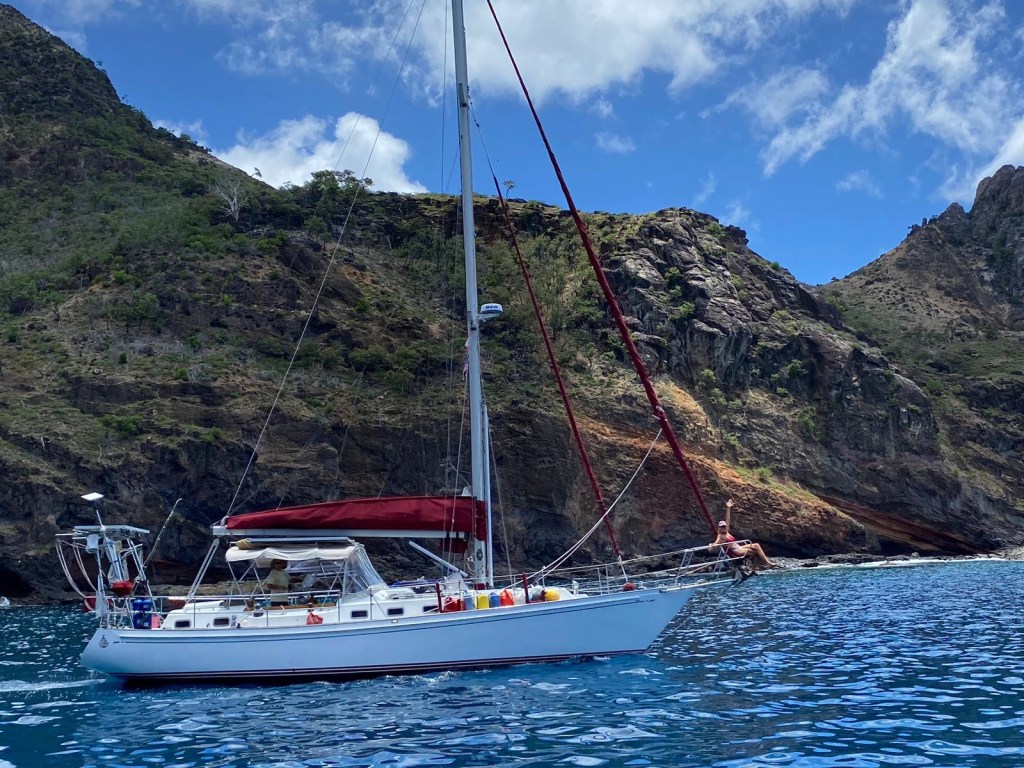
Our 15th island here in FP and it sure didn’t disappoint. Oa Pou, on the most isolated archipeligo on the planet; Marquesas. We sailed back her to spend the off season, the hot summer months, and the well known cyclone seasons. It is so peaceful and friendly here that we stayed 2 weeks. Daily walks through The village of Hakahau and up the hill to Restaurant/Inn Pukuee for a cold beer and great view of the bay was a treat.
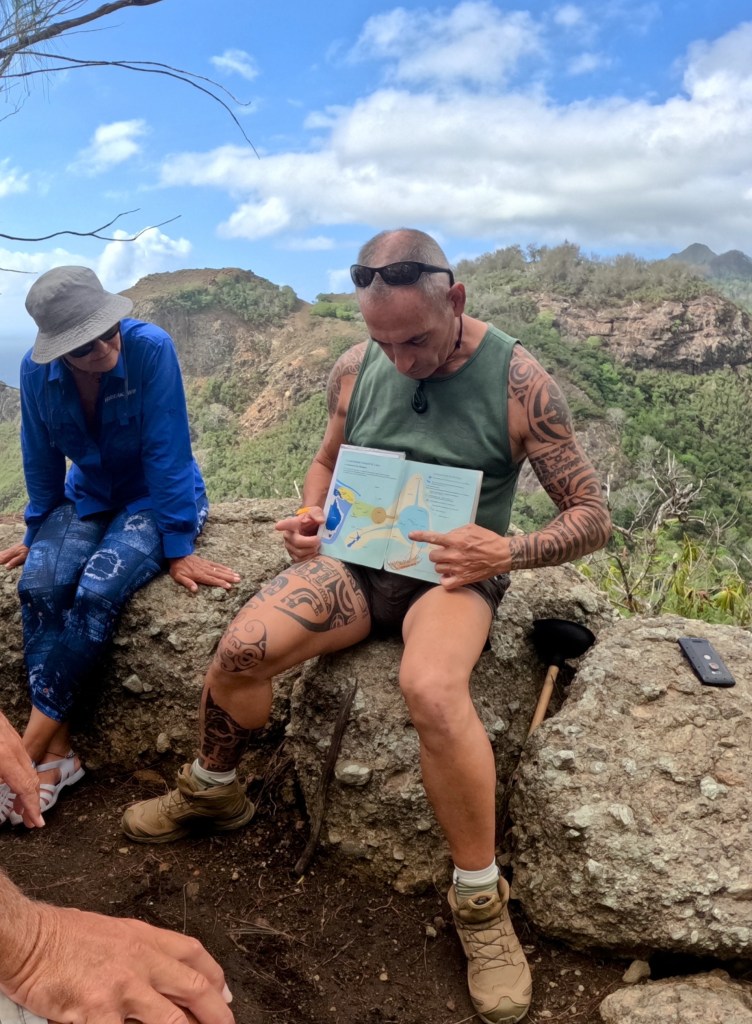
We hired the owner Jerome for a well guided Jeep tour of this majestic island. We visited the largest ancient archeological site here, examining the floors, homes, quad area, dancing platforms, and temples. I looked closely for the ancient skulls buried in the rocks, but found none. We learned that hundreds of these Pae Pae grounds are buried up here in the high jungles of the island. The Tavaka Tribe was around 1,500, living on the highest peaks of Marquesas.
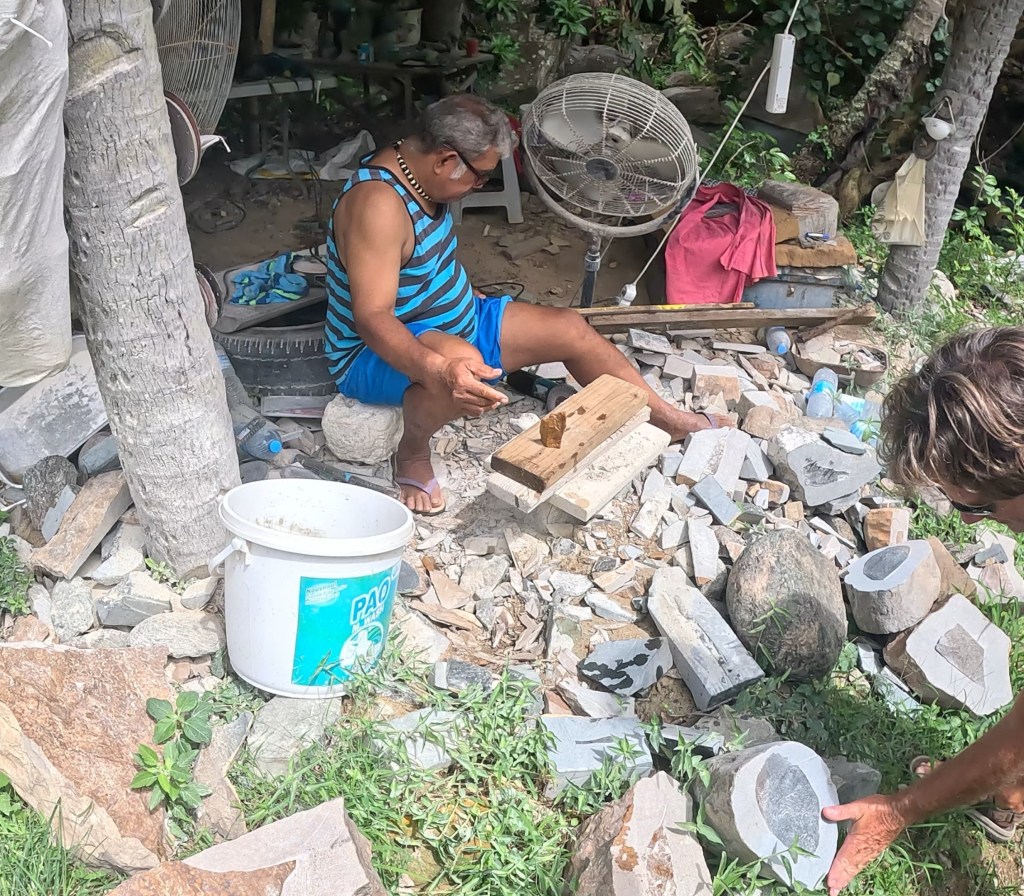
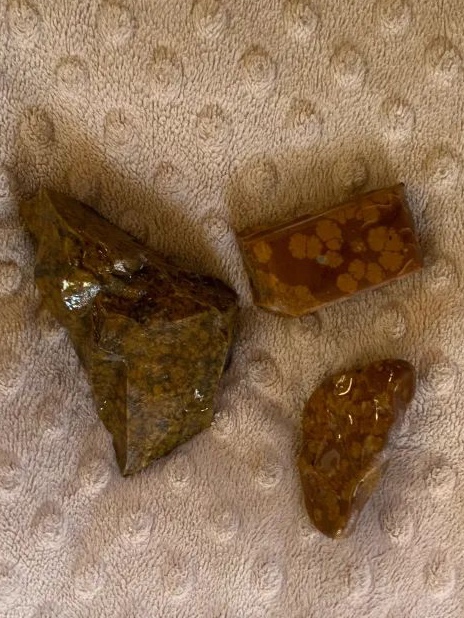
But, what Ua Pou’s is most famous for is the very rare “flower stone” in a north bay. Certain minerals formed when the volcano here was alive and molten. The cooling process created what appears to be miniature gold flowers in the stone. (See photo) We watched a local stone carver at his work bench.
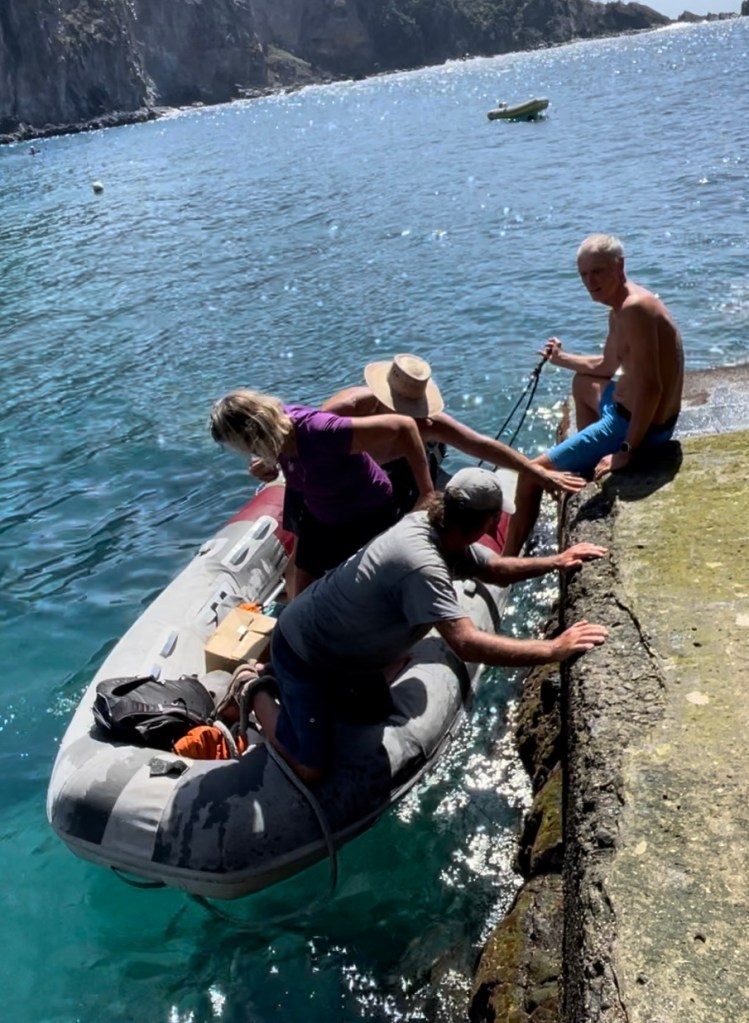
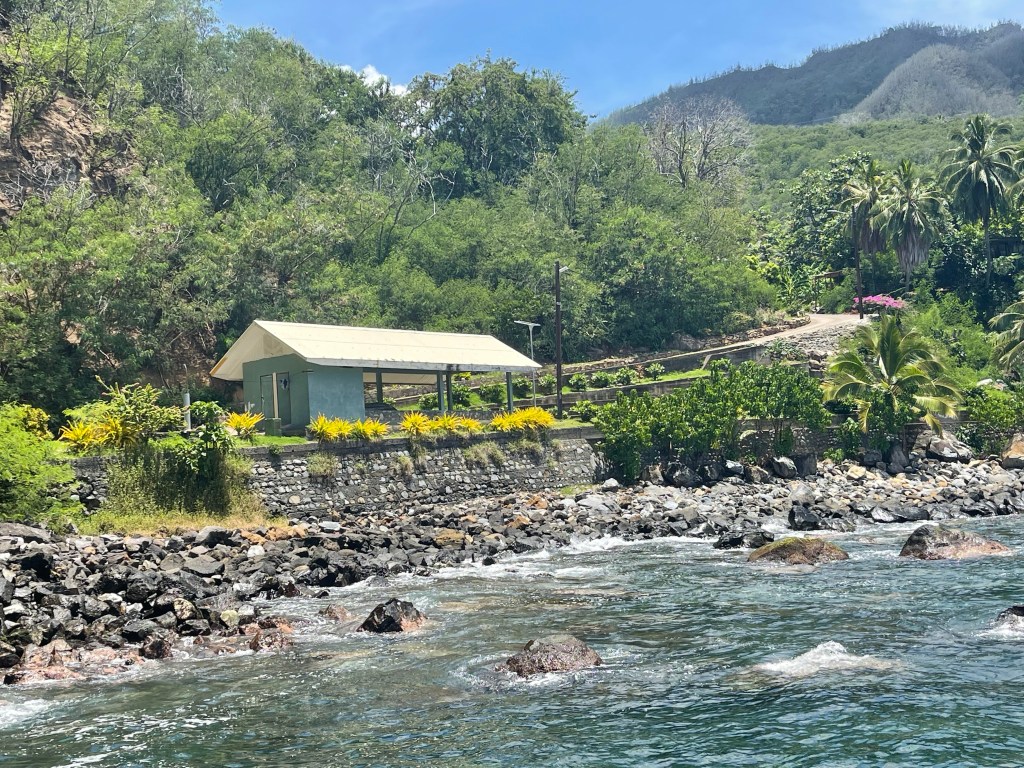
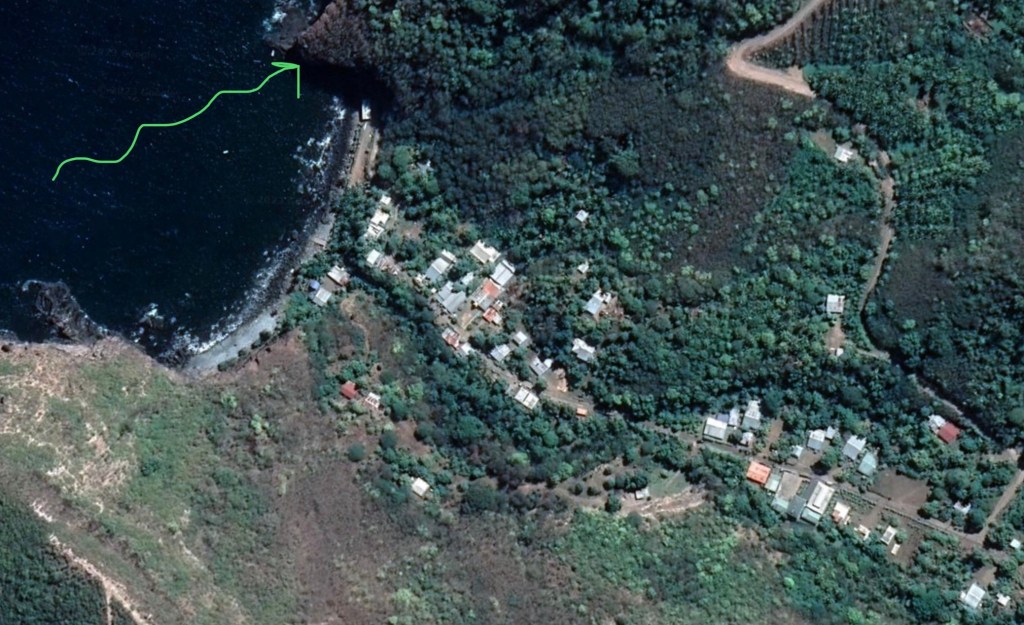
Shopping trips come in all varieties when you live on a boat on an island. This one was sure unique. We heard from other cruisers that there may be a little store open in the neighboring village, Haakuti, in Ua Pou. So 6 friends took our dingies and kind of crash landed on the mossy wall.
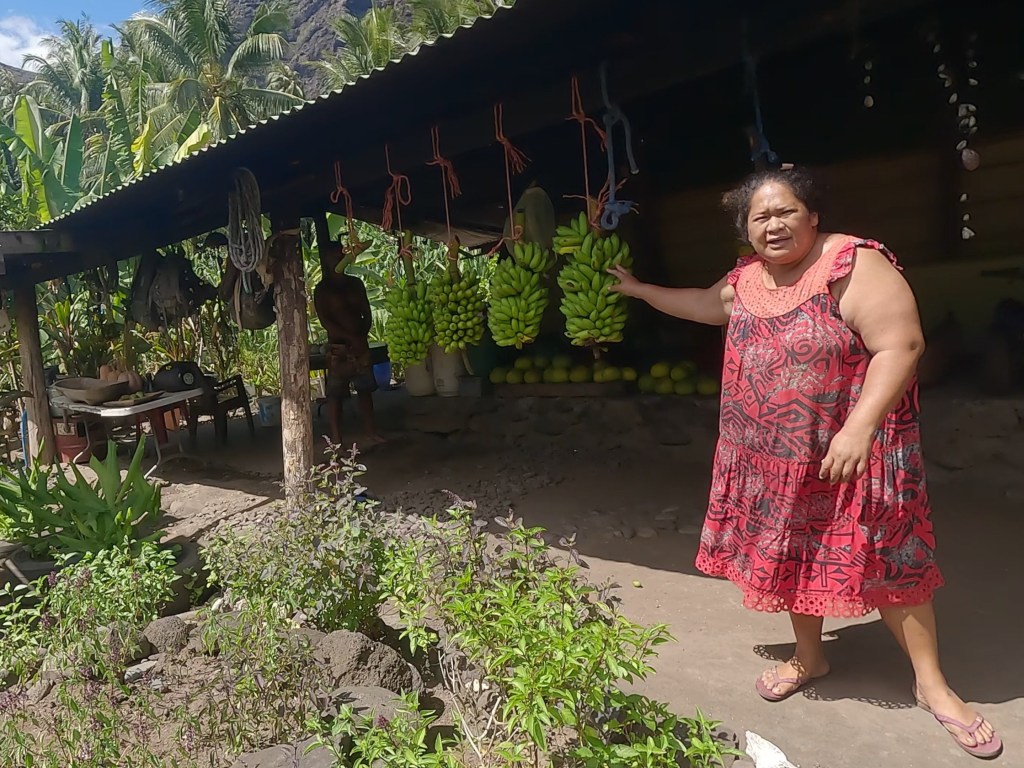
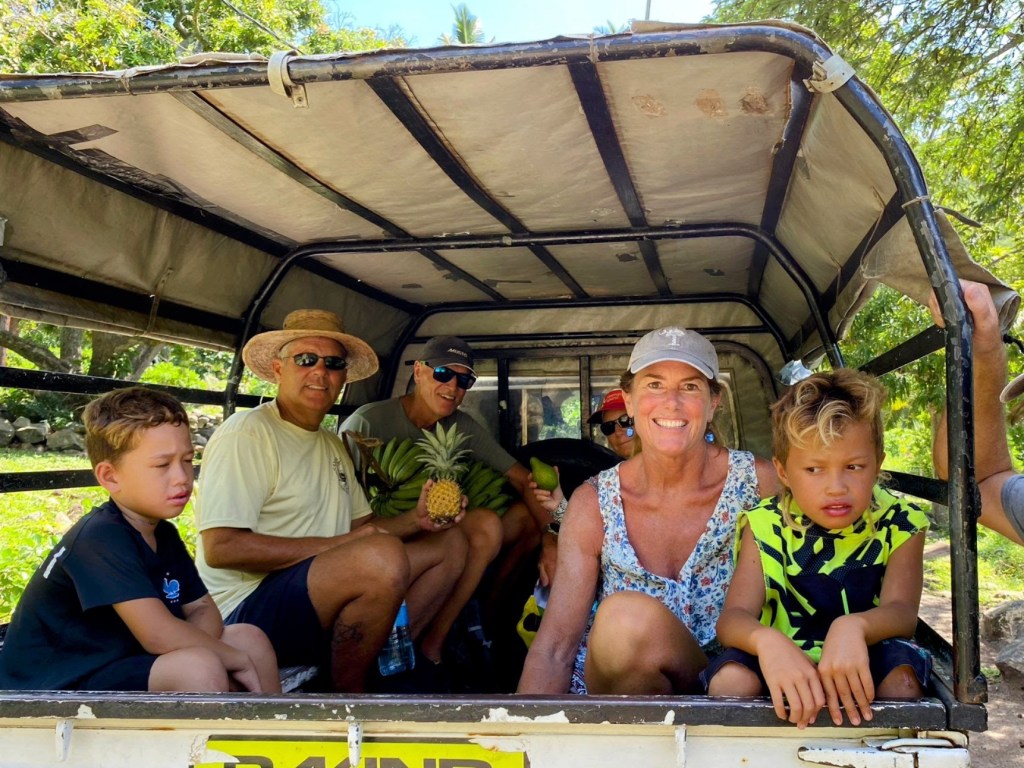
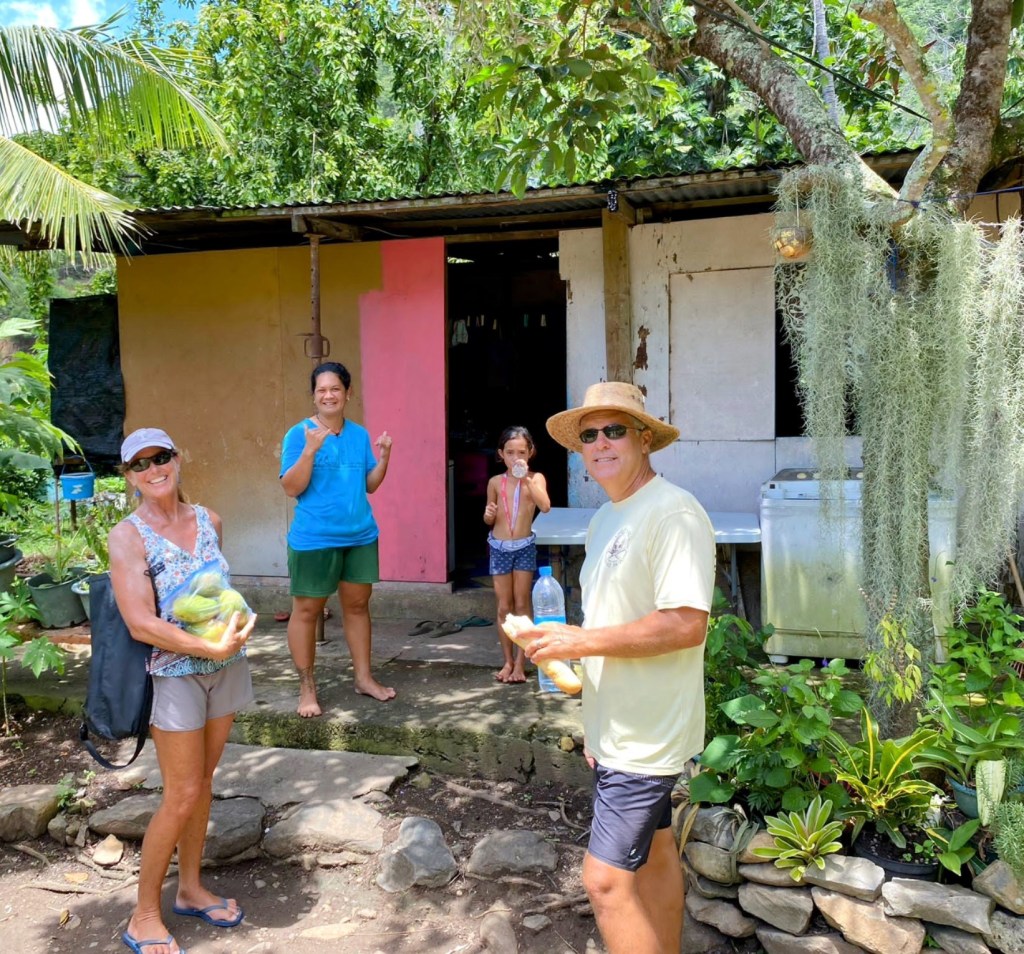
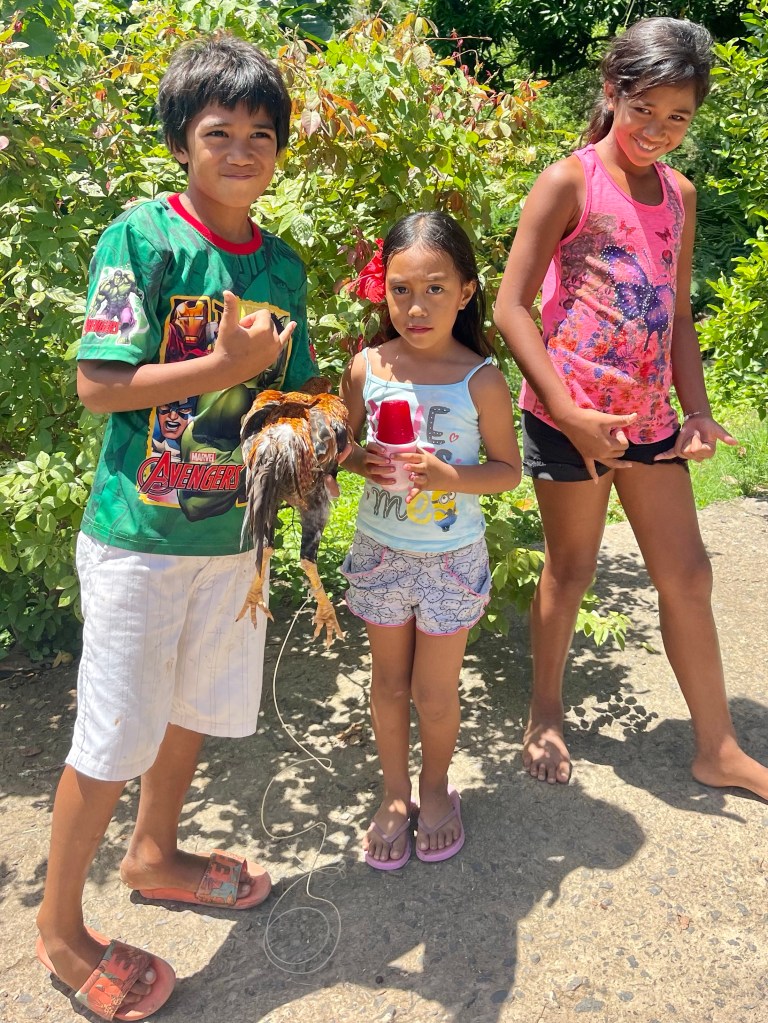
The surge had highs and lows, making the dingy exit and entrance tricky. Funny that we had to anchor the dingies out a ways and swim to shore. We walked about the village and met some very kind locals. The children here were shy, one boy had a pet rooster on a leash. We explored the church and cemetery, then asked around for some bananas. A sweet mother of 3 gave us some mangos, pomplemouse and oranges as she had way too many. On our way back, we bought a box of limes from this darling family. They even served us delicious limeade and gave us a ride back to the rocks.
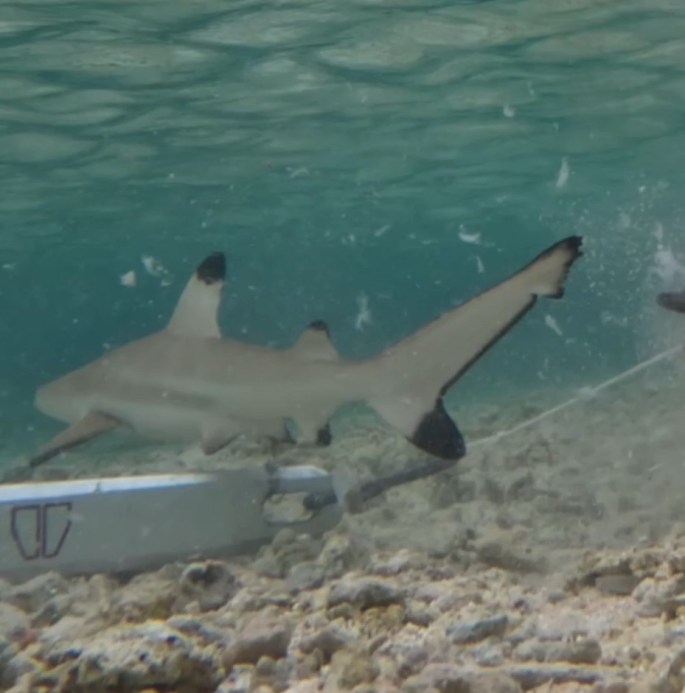
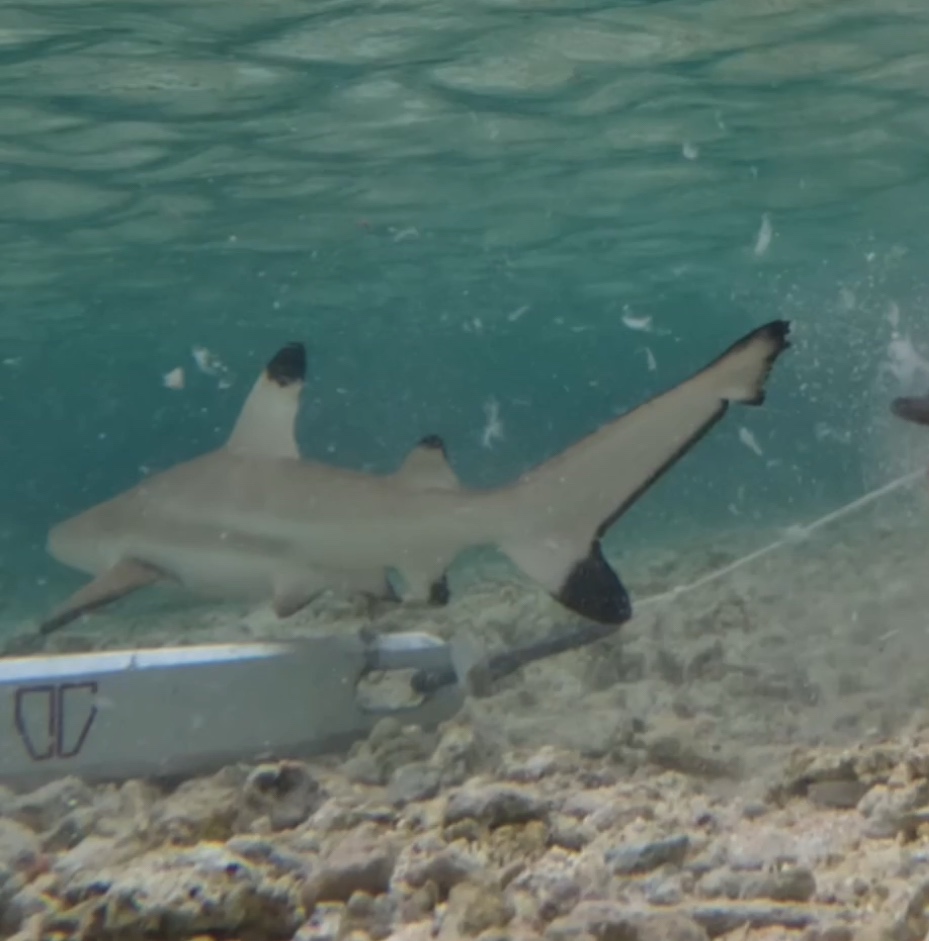
Fun with Sharks! Okay, we had a little time waiting on the weather, so let’s play! We gathered (chummed in) a few sharks in the back bay with some day old fish (no hooks) and did some filming with the GoPro(s). Big learning experience!!!! We thought there were only 10-12” babies in the back bay.
The first fish we put out was tied to a 5 lbs dive weight and worked just fine with the small sharks……well…..let’s just say that weight is gone…😳 The next fish we put out was attached to our bucket full or coral and sand. That didn’t last long either. I finally just put my foot in the bucket to keep the sharks from taking the fish. The next round, we got the stern anchor off Sea Bella and that worked great! These are all Black Tip Sharks btw……some much larger than the 12” we were expecting.
Hungry Baby.
Raroria was the last of the atolls we visited. For many cruisers it’s the first one to sail into from the Marquesis. Our highlights were exploring the Kon Tiki monument with our great cruising friends on Fundango, the huge pearl farm and of course our silly fun with the baby sharks. Our good cruising friends on SV Breakaway found these great Octopi:
Sailing through the Tuamotus was an amazing experience, but it was time to say goodby. Thank you for joining Scott and I online these past 6 months in 8 atolls (and Tahiti for repairs). It’s such fun to share our experiences with friends and family. We went on a sporty 3 day sail back upwind to the Marquesas for cyclone season (and for yummy fruit and fun mountains to explore!)
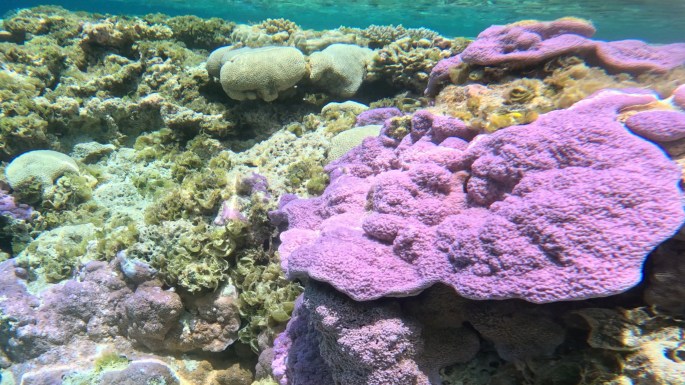
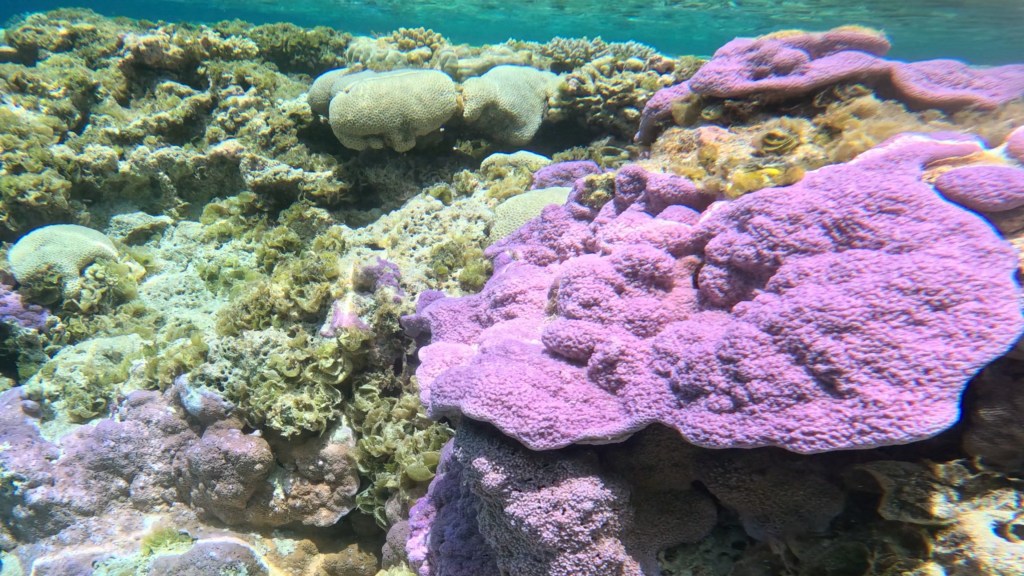
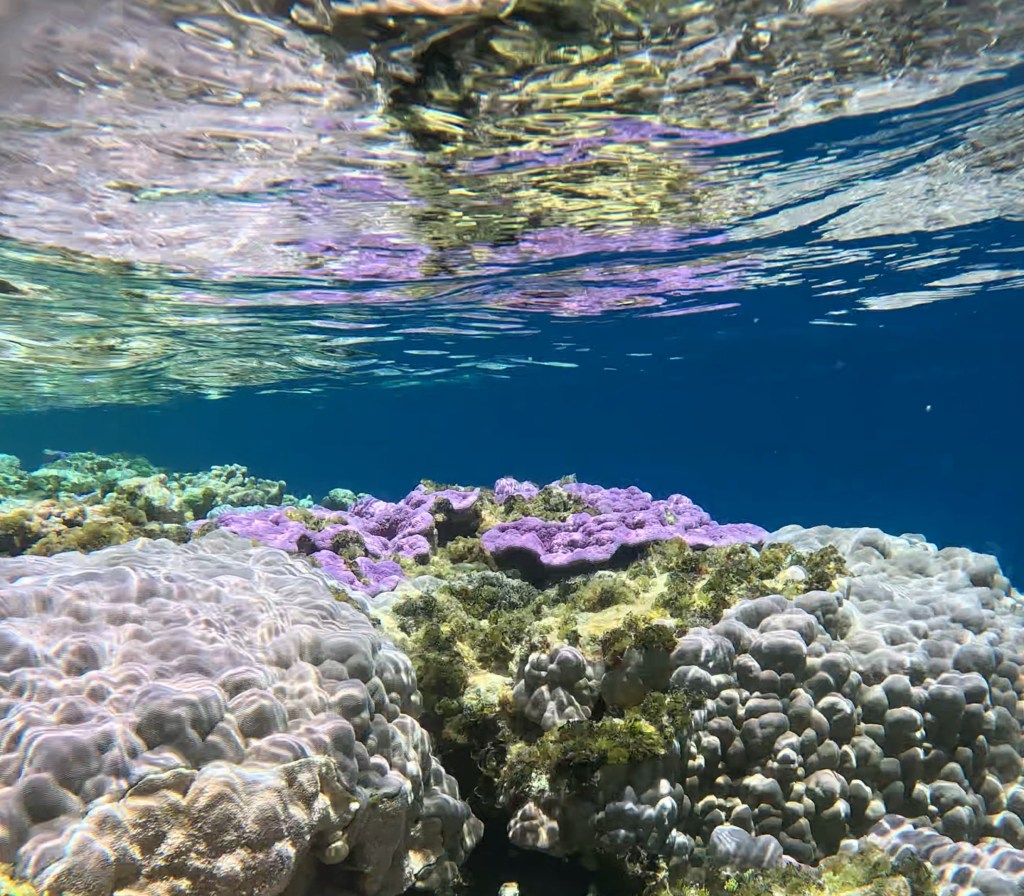
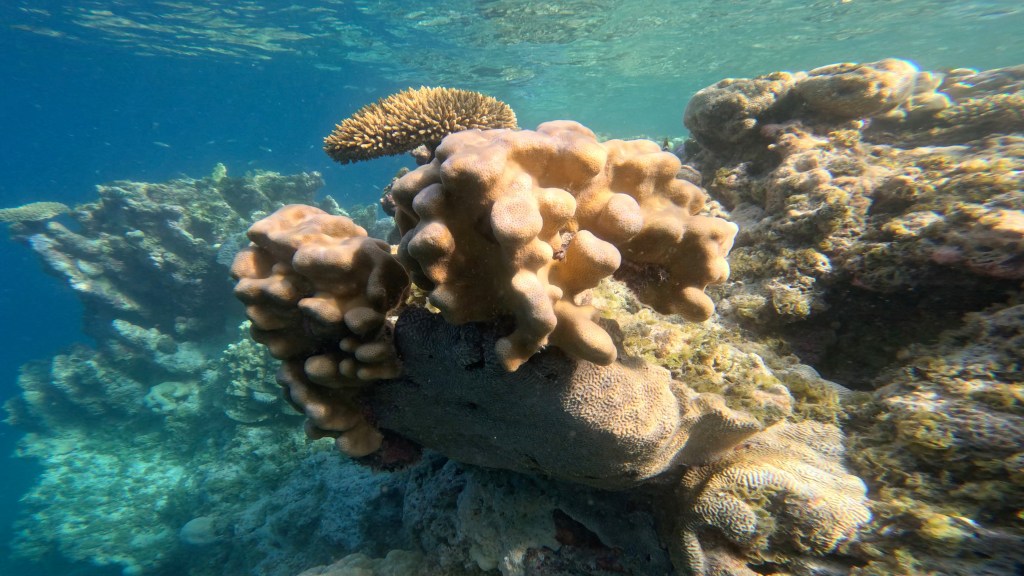
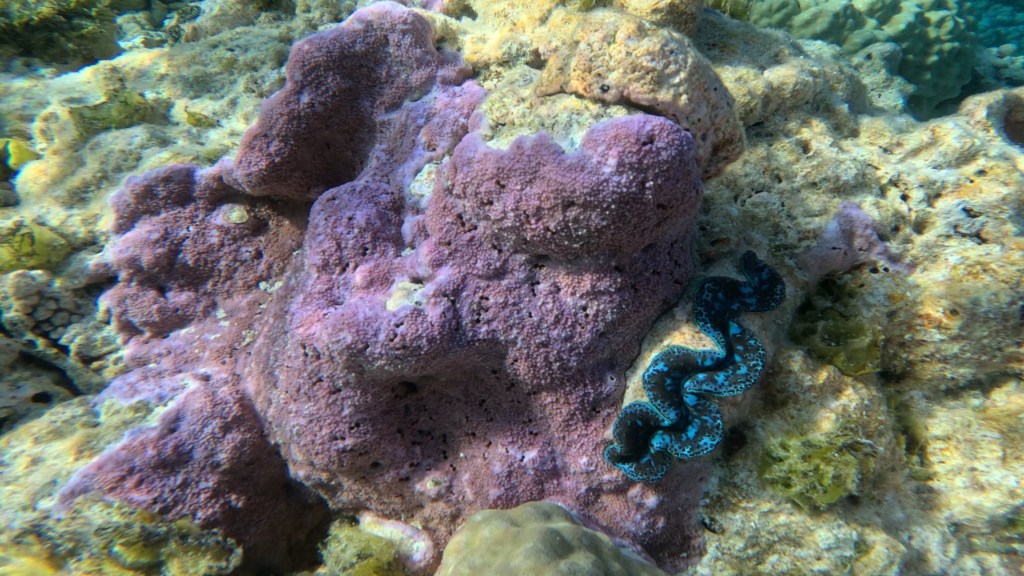
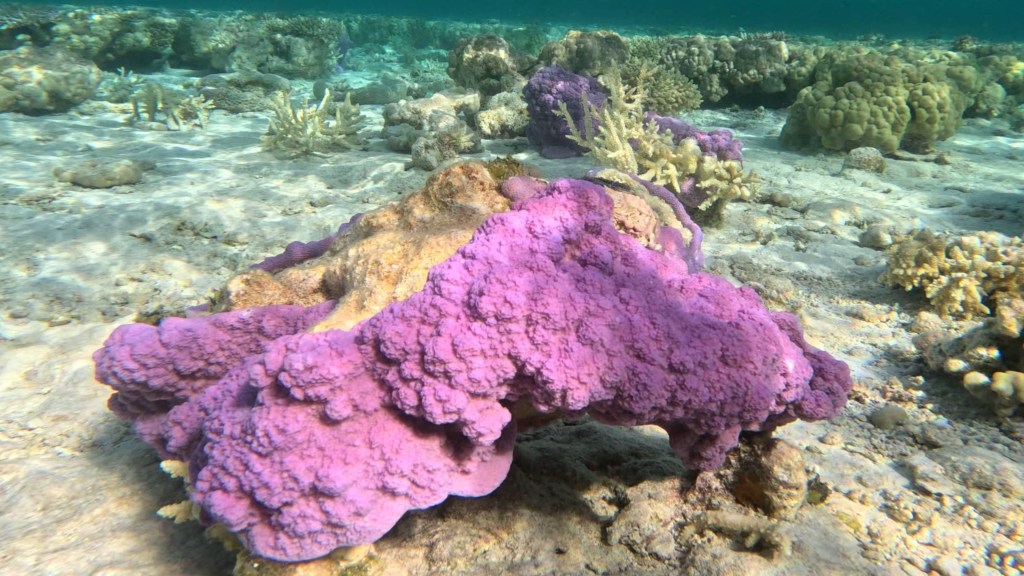
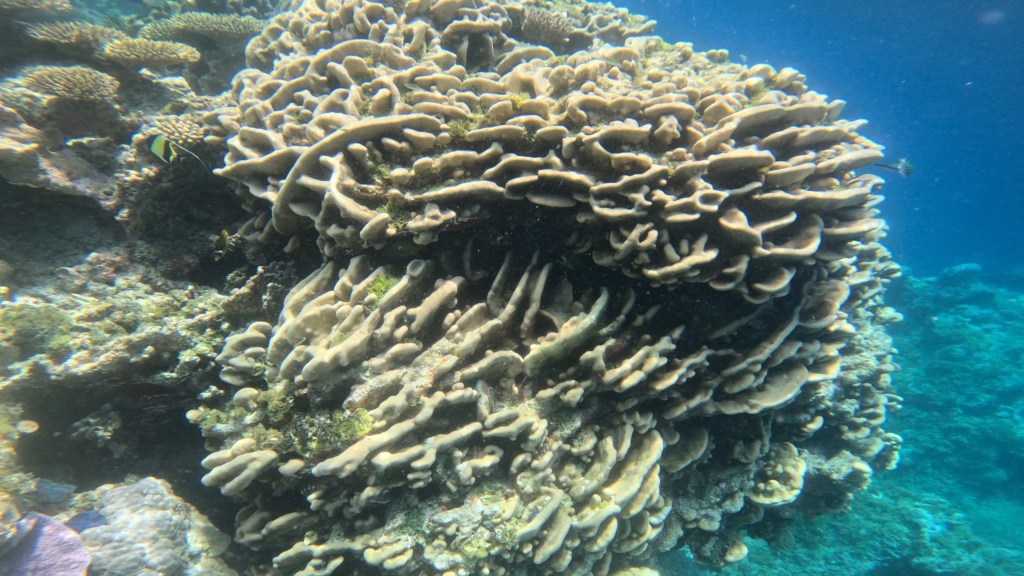
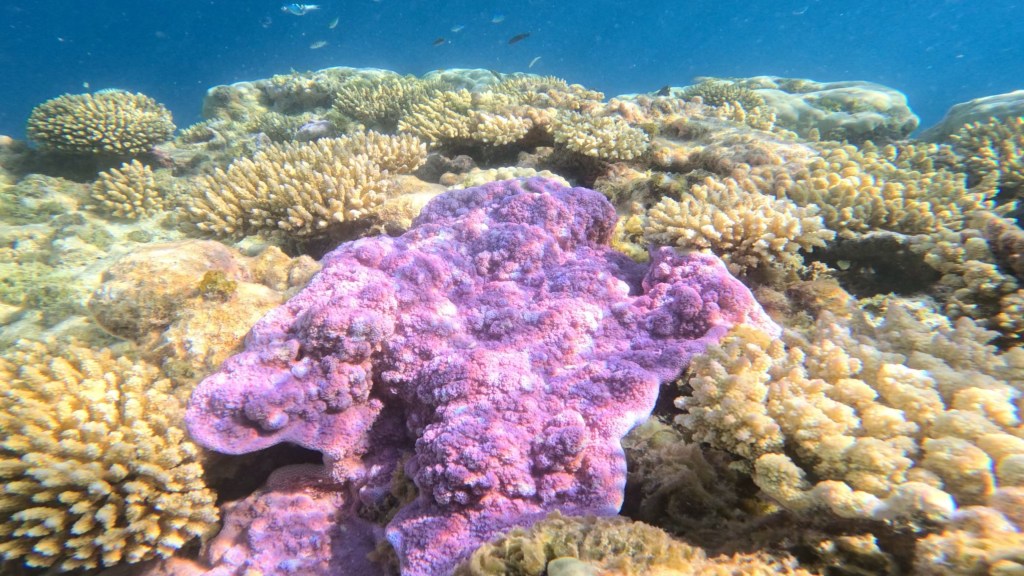
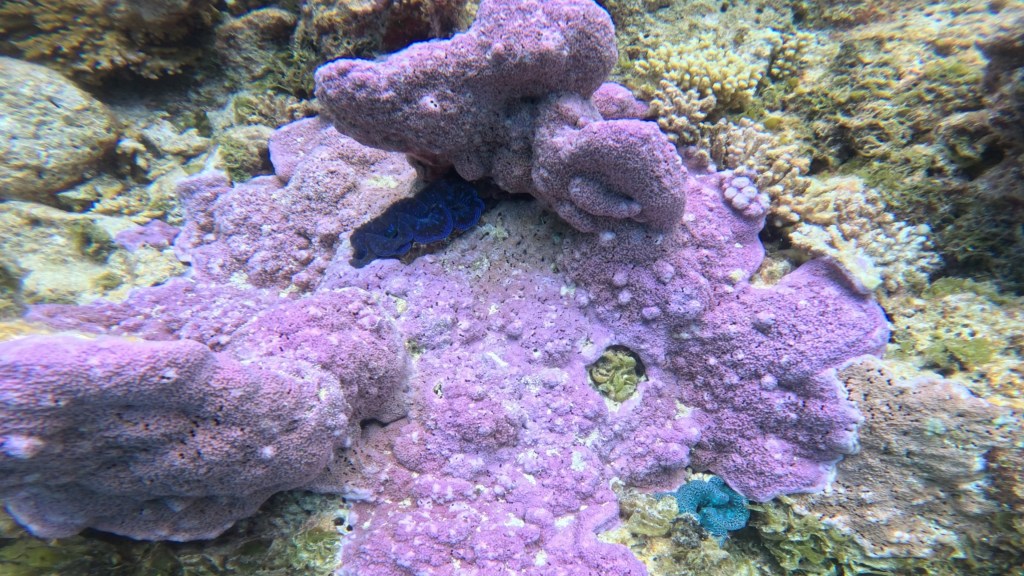
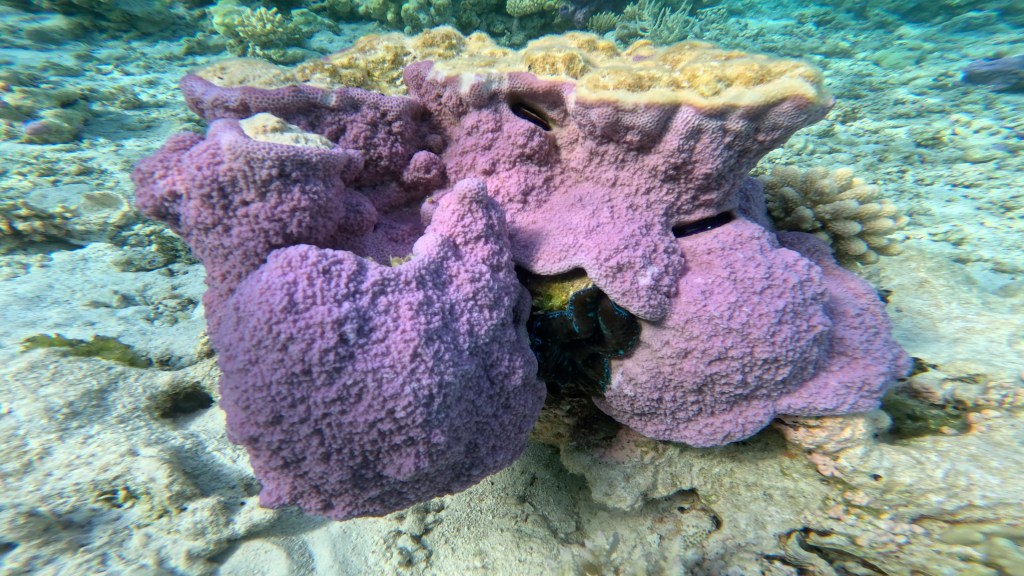
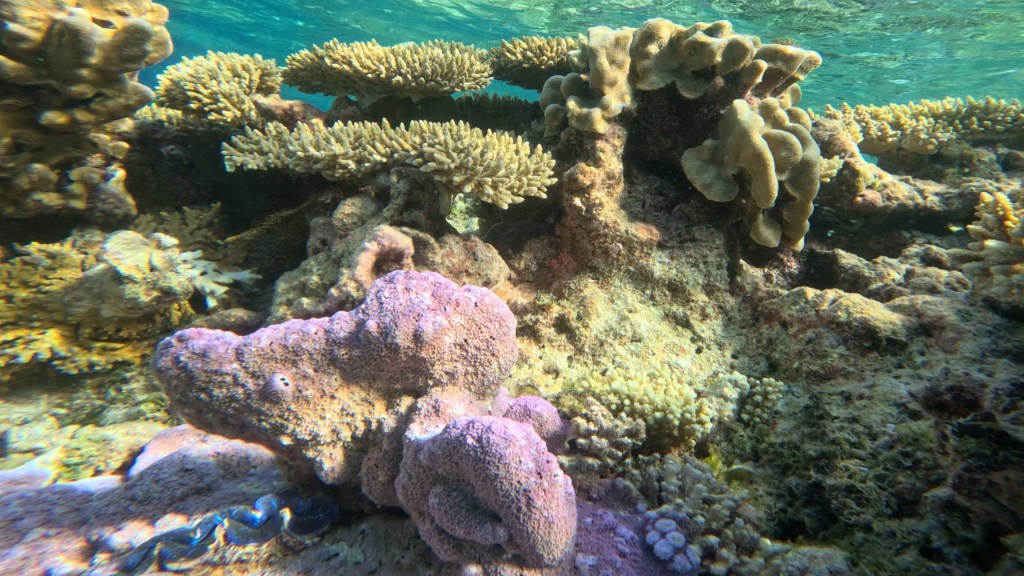
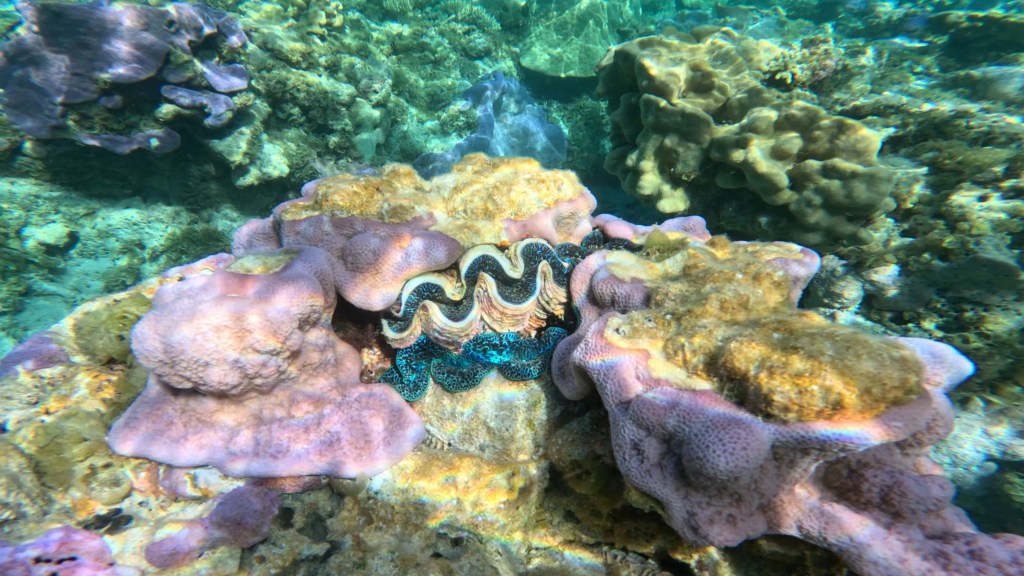
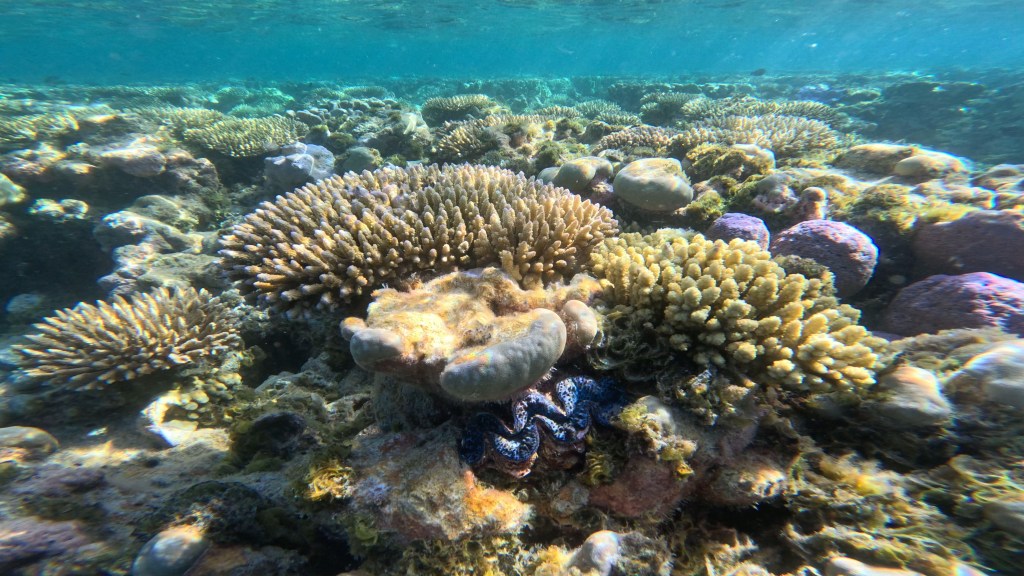
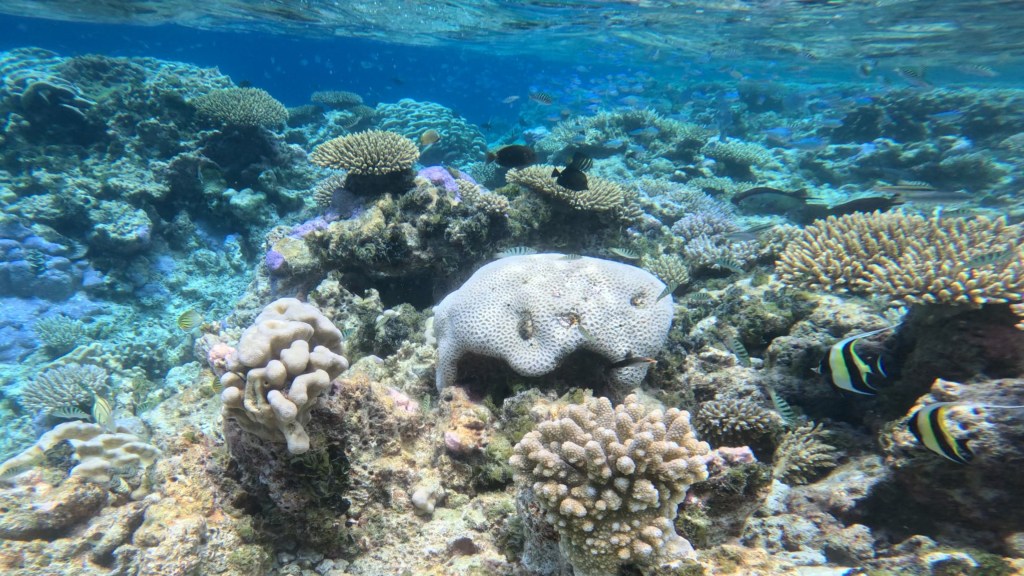
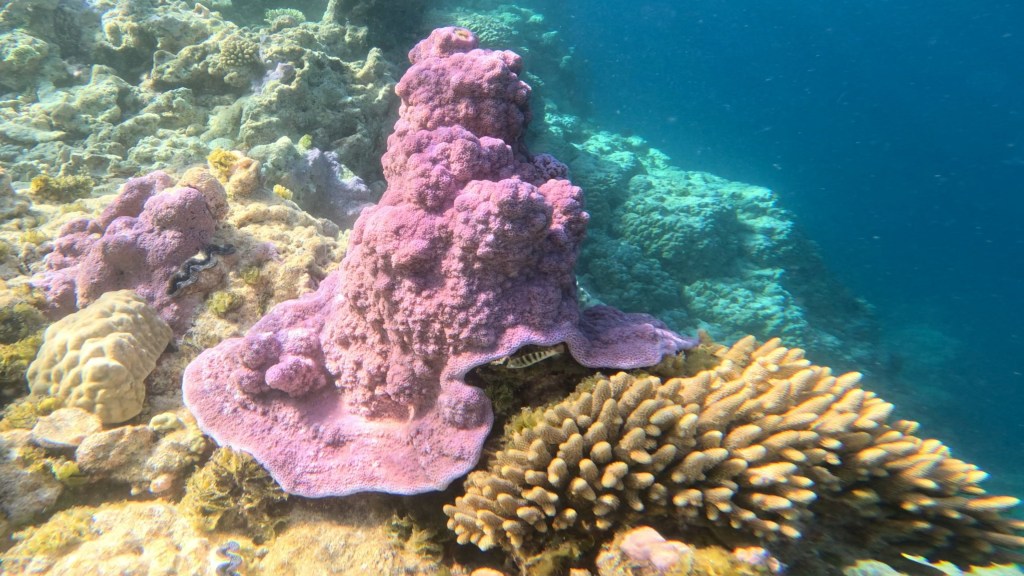
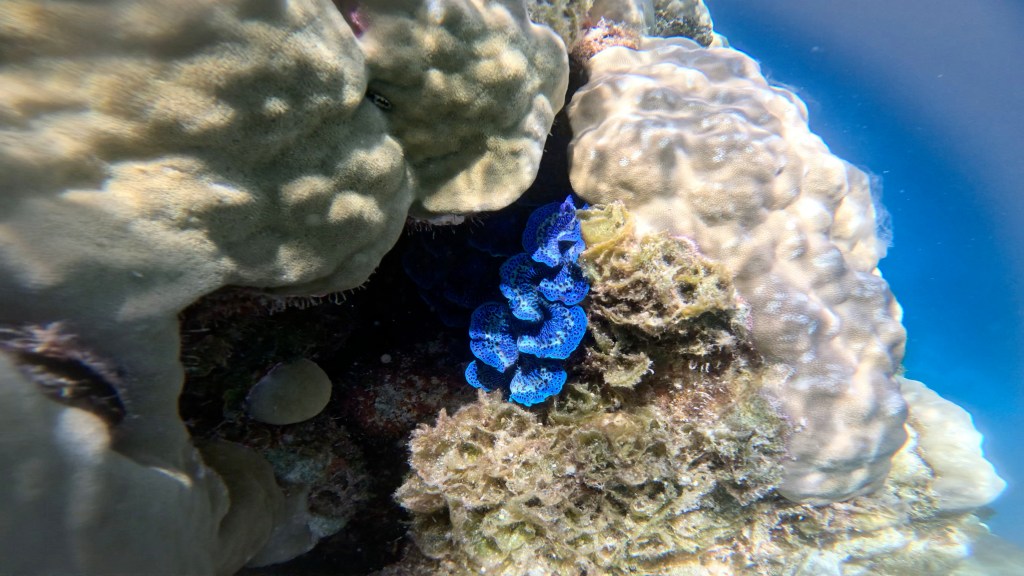
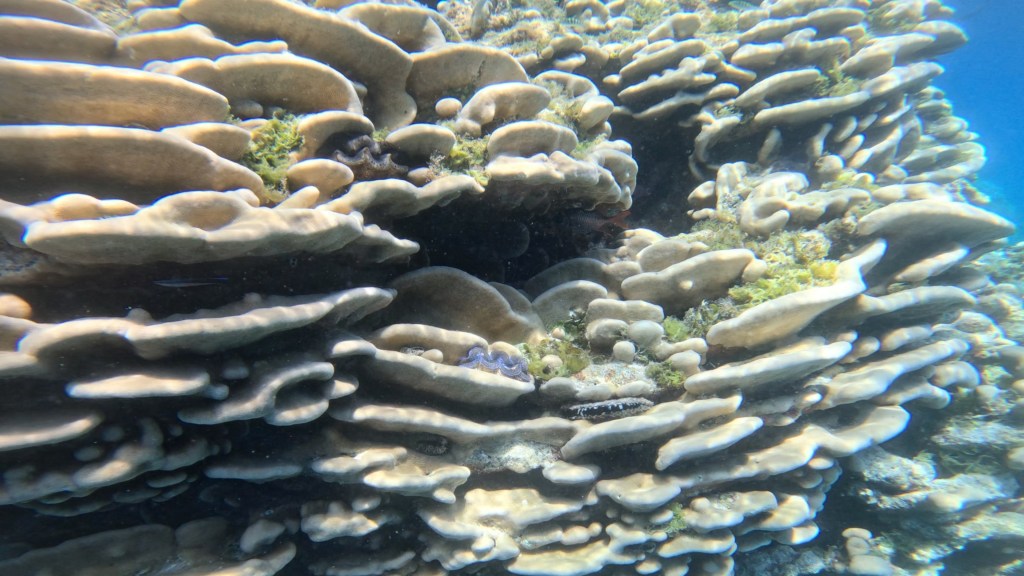
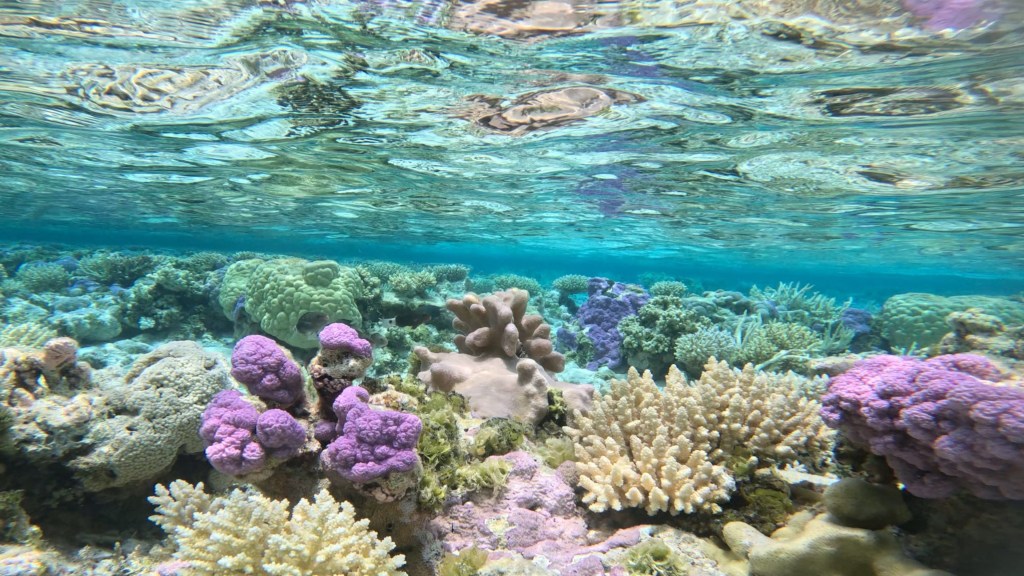
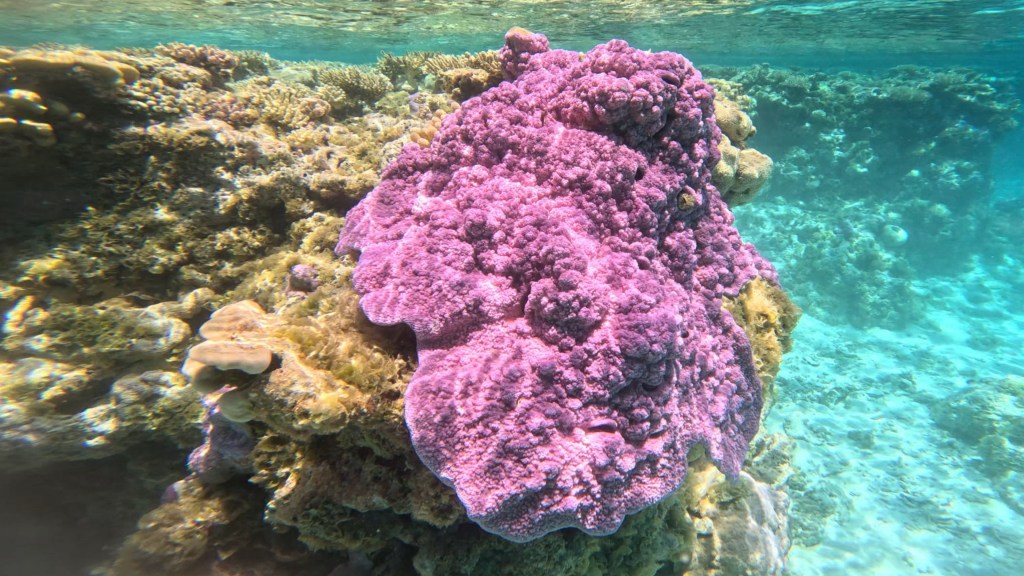
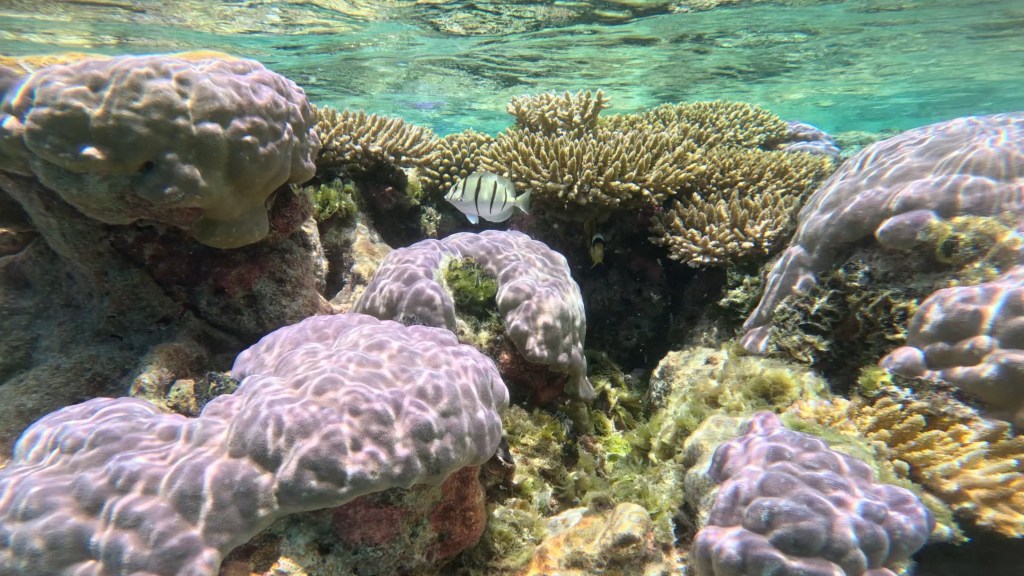
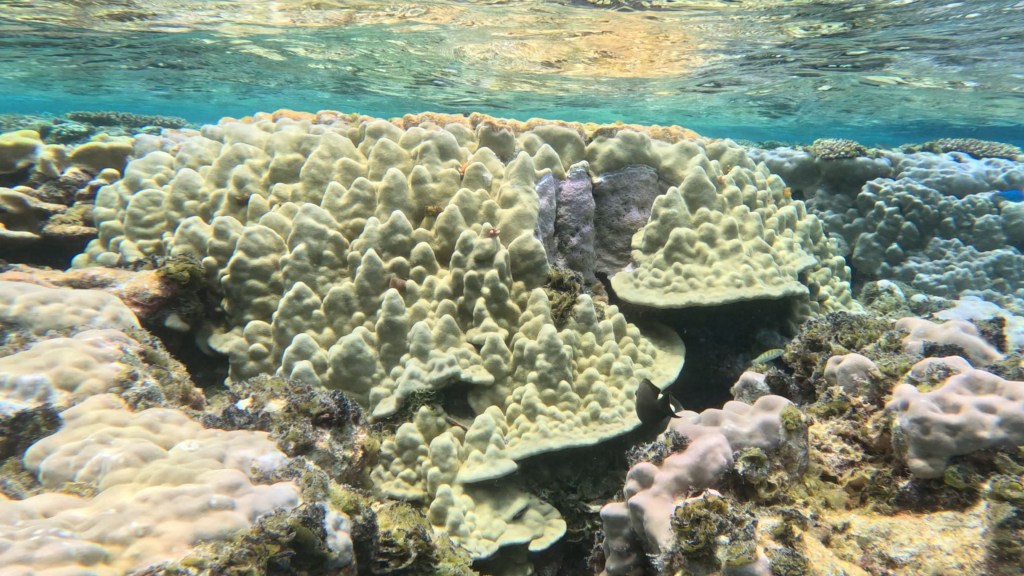
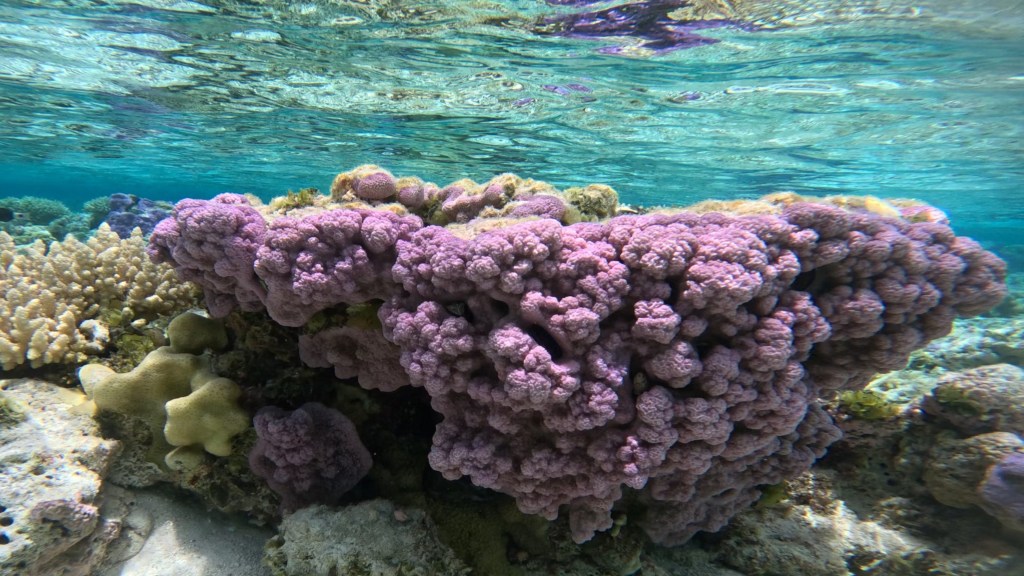
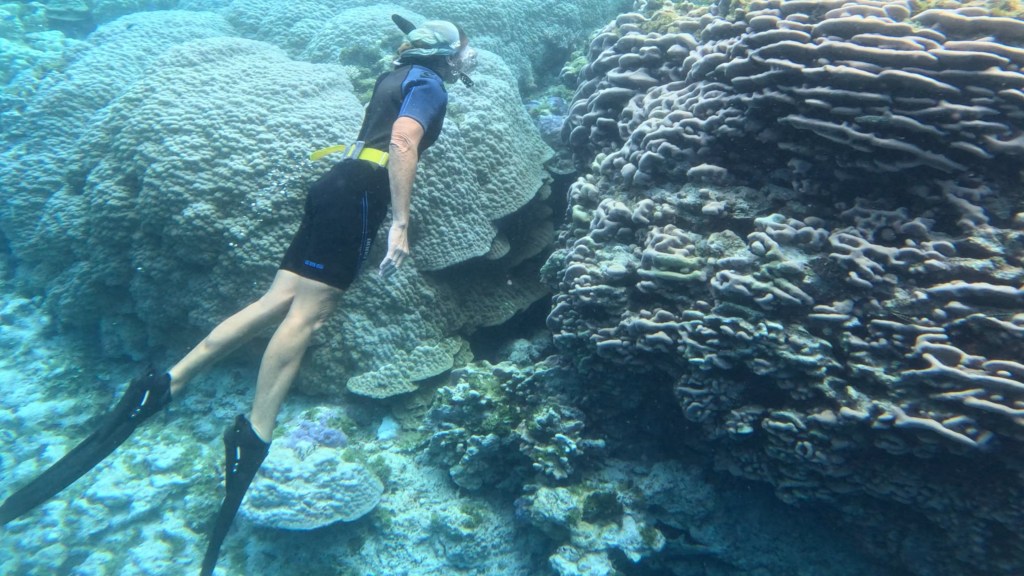
There is one special coral head in the center of the Tuomotu Archipelago Makemo that we were mesmerized with. We kept going back, again and again. Not sure why this one had so many more colorful and shapely corals, and huge clams than we have seen in the 17 islands that we have been to this sailing season. Below our video is (the photo dump).
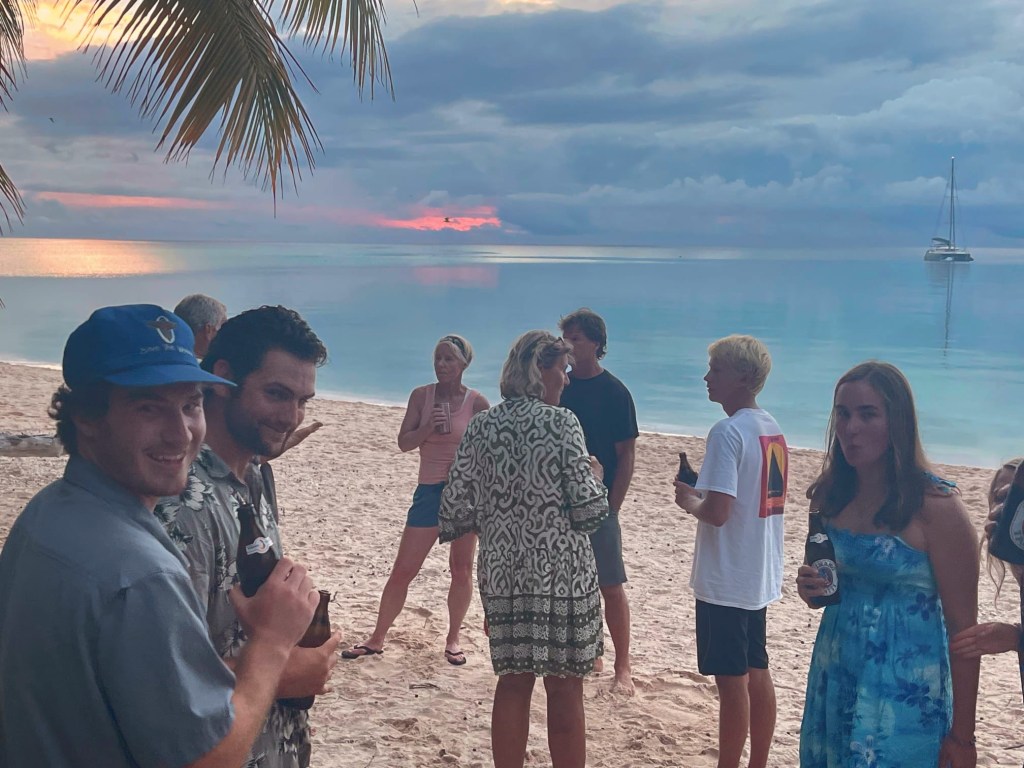
What are typical boat chores in the life of a Sailor in French Polynesia? At this beach sundowner the other night, I asked this question to a group of new and veteran boat neighbors.
A very typical schedule is ‘early to bed early to rise’. They report that most mornings, (unless sailing) folks do morning reading, research, family/friends communications, breakfast… Mid morning usually holds regular boat chores, homeschooling or maybe jumping on the “fix it” list of repairs or projects. Boat chores are jobs like varnishing woodwork, vinegar wipedown, polishing stainless, water making… and of course provisioning, cooking, cleaning, laundry (which take twice as long on a boat) Some “fix it” projects should require a marina, but that’s only if you are in Tahiti and French Polynesia is the size of Europe. A flat anchorage, with no big wind shifts, has to do. Hopefully, a sailor will have all the spare boat parts, knowledge and tools to DIY. Reaching out to others’ anchored near for friendly advise is always welcome.
Starlink is a huge help, for the ease of researching the web or making a call to a mechanic. By noon, most sweaty sailors are ready for a jump in the ocean, nap or time to explore. By about 5 pm cruisers (from around the world) are ready to gather up for social hour, to meet new friends, sharing stories, drinks and snacks, discussing weather, sailing, projects, local news, travel ideas… So, I gather from these cruisers and others, that every day is kind of the same, but the people and places make it quite a unique lifestyle. Now for some fun shots and a video of Fun Times on our afternoons this month.
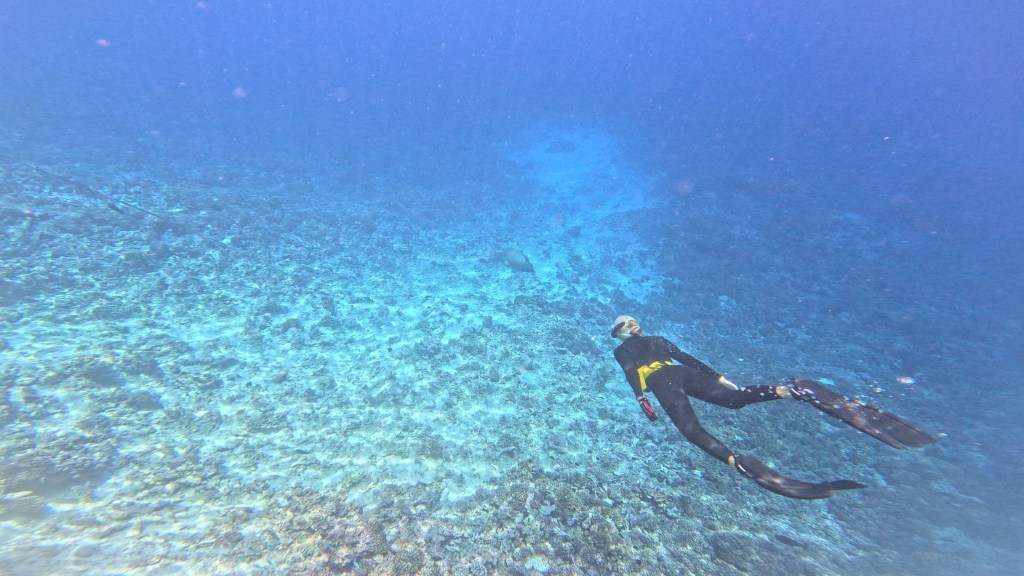
This beautiful green sea turtle just woke up from her nap, and, wow, what a graceful morning flight she had. She glided effortlessly in the incoming currents of Fakarava South Pass without any worries or fears. The grey sharks are her neighbors and the warm waters is her haven. All that glitters is gold for sure! (Turn up the volume) The favorite find is the octopus,
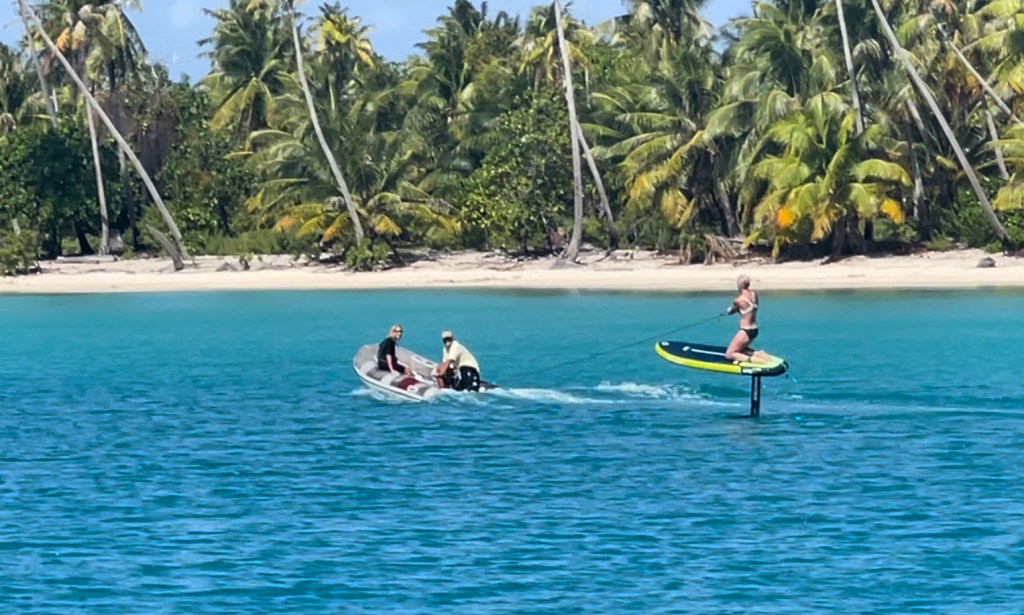
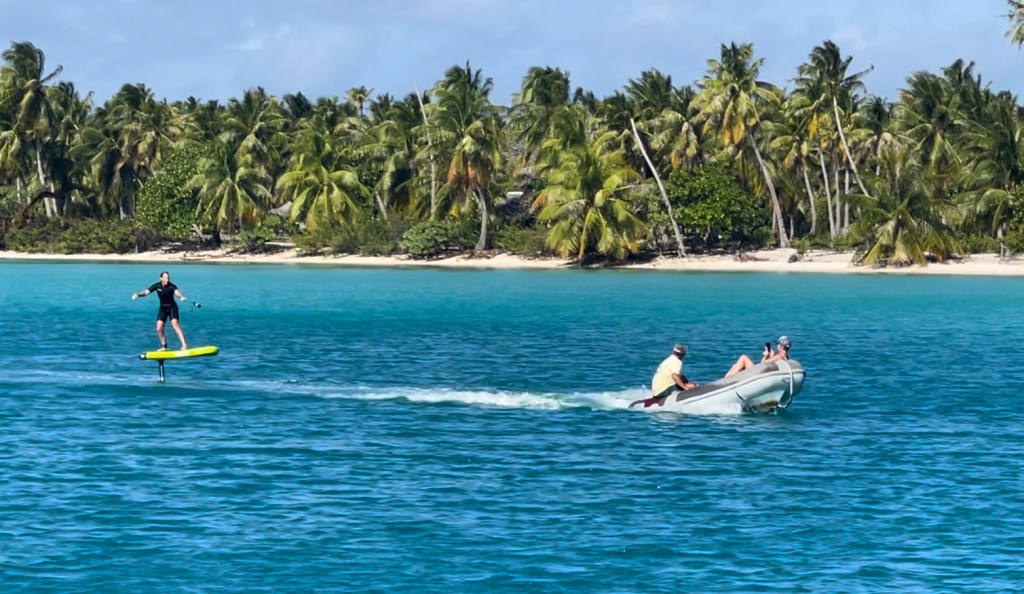
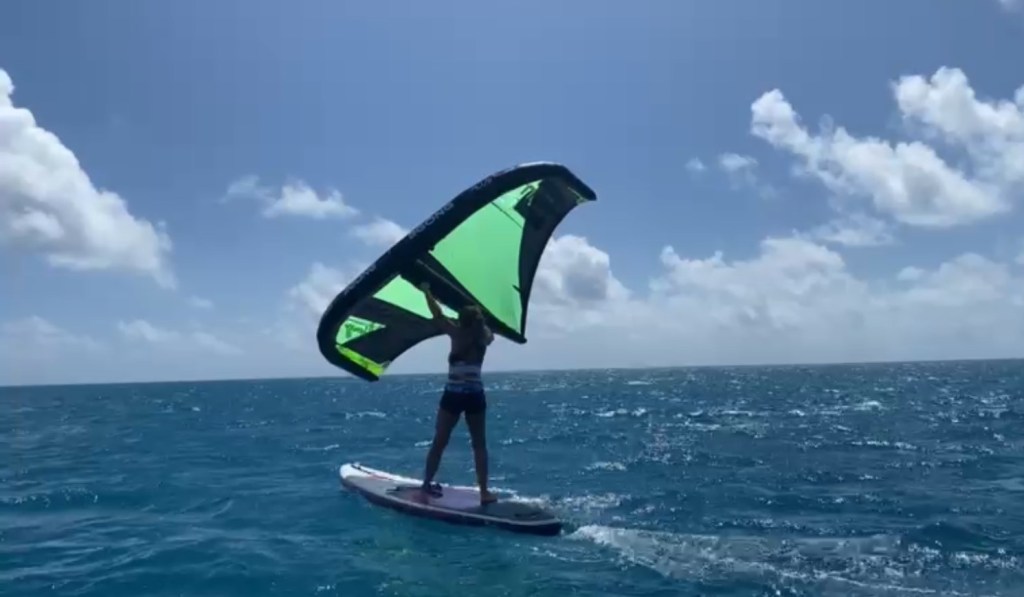
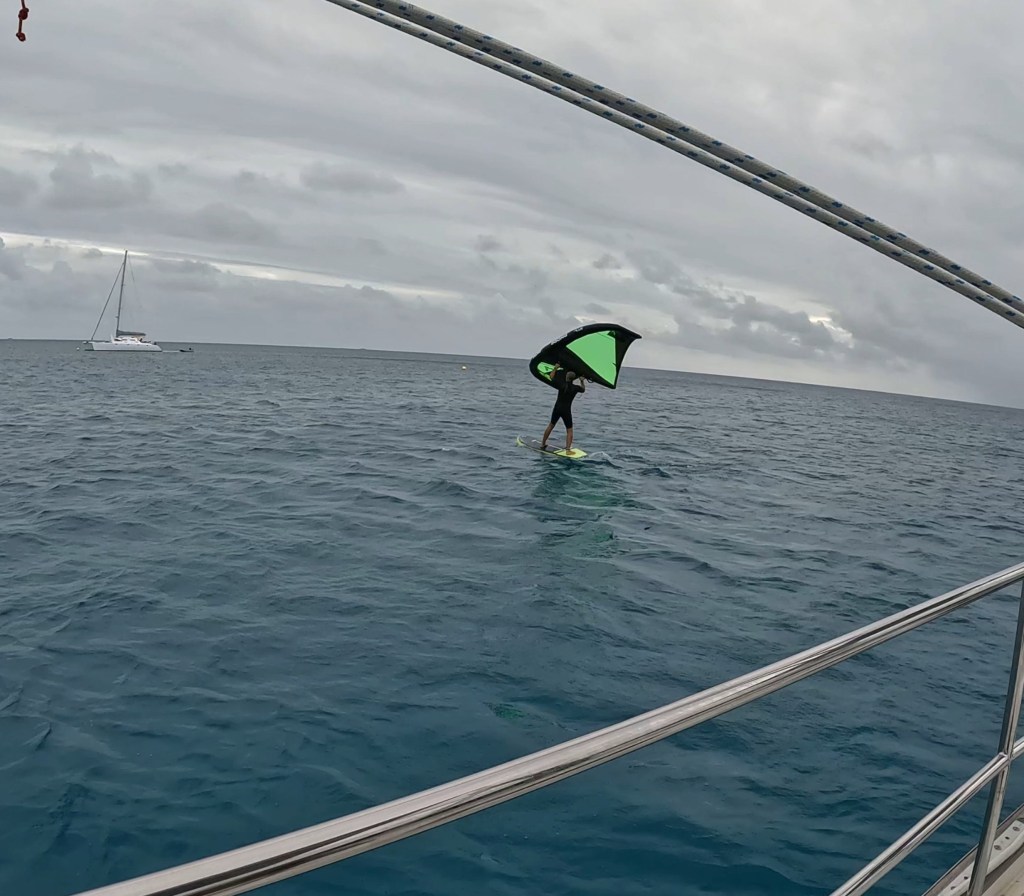
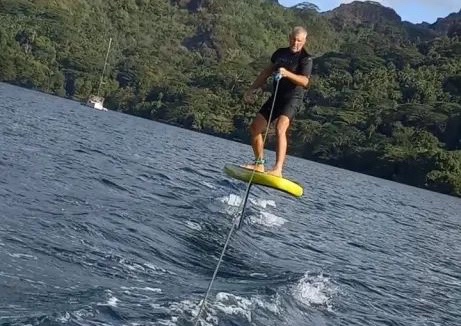
We had a good time in the atoll Toau. Pretty island, but it wasn’t too sunny. Plenty of wind for our new sport of wing foiling. It seems a bit safer than kite boarding, but tricky to learn.
This actually a shot from Moorea
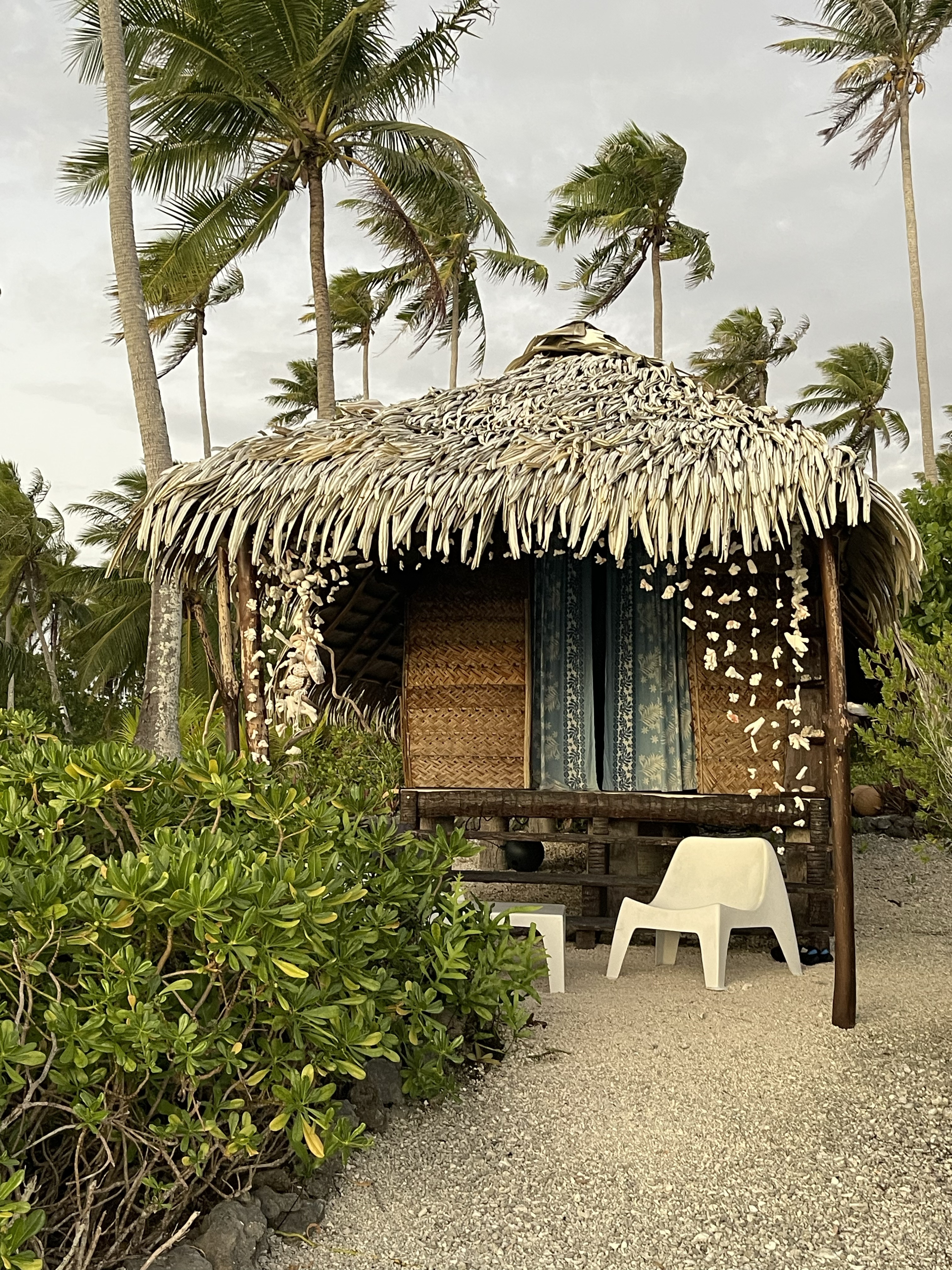
We also invited a sweet local copra farmer out to the boat for crab and pasta dinner. He is 30 yrs old, lives alone and beach walks with his dogs a few miles to the neighbors hut up the way. Marten’ also often goes out lobstering at night which is still on our ‘to do’ list. I her it’s tricky on the outer reef with sharp coral. He said he would carry the lobsters back in his backpack.
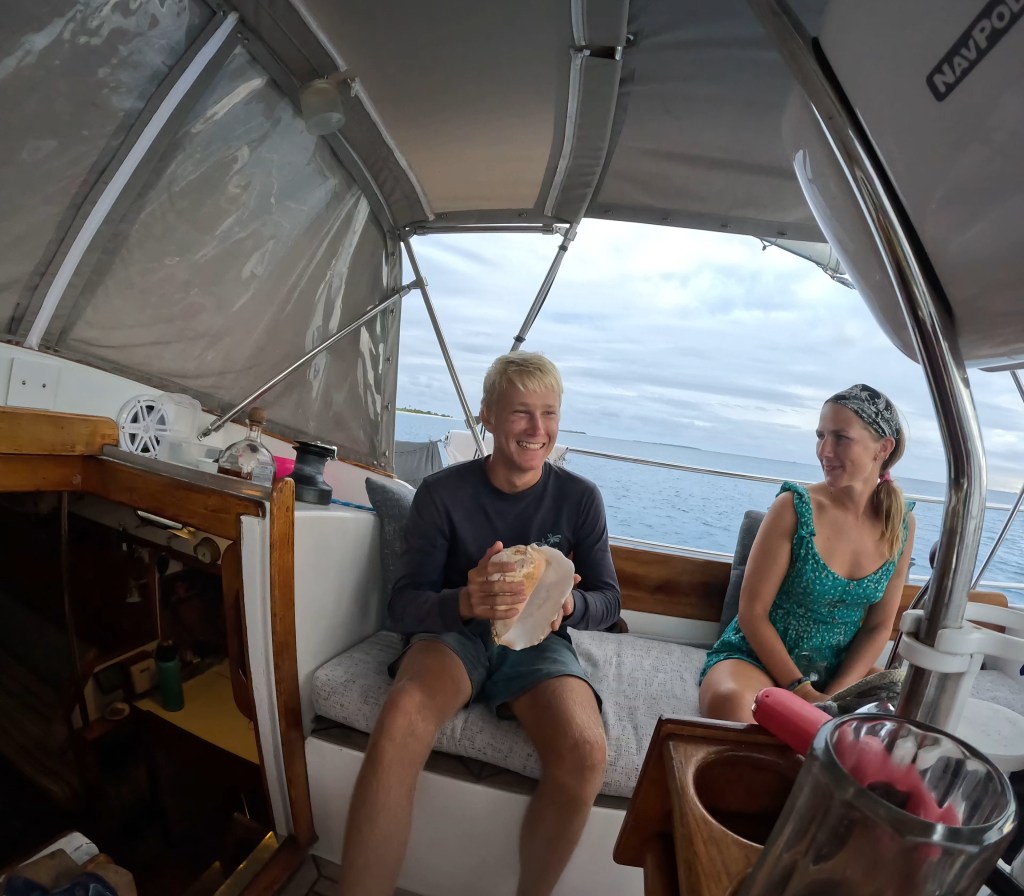
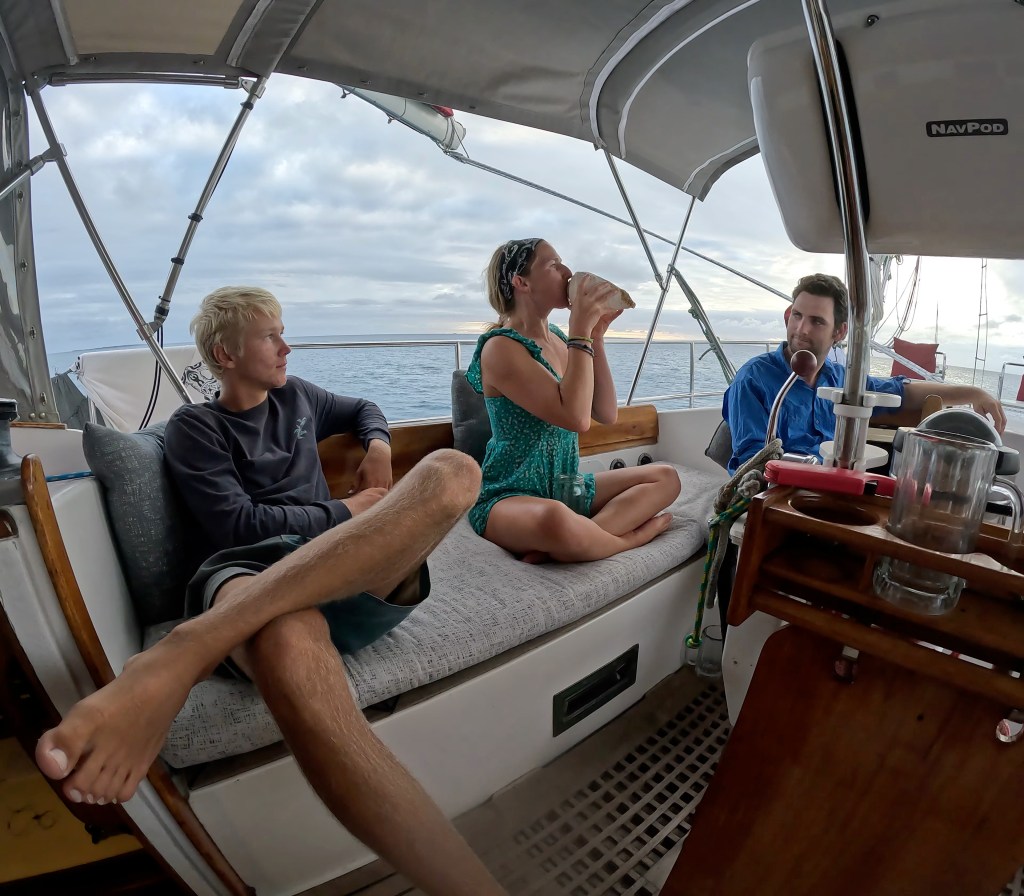
It was also very cool to meet young sailors on SVGenesis and Garrett on SVHulligan both sailing here from Hawaii. We had them over for sunset conch blowing and spaghetti dinner. We always like to share our Mexican cruising traditions.
Garrett in front and Ky and Noah in the stern.
Garrett is 19 years old. He recently sailed solo 30 days/2300 miles from Hawaii to Tahiti on a 27’ boat. At 16 he had saved enough money to buy his boat and then spent 18 months getting the boat ready to sail. After learning how to sail it around the Hawaiian islands he made the “big jump”. His last 3 videos have had quite a few views (1.9 mil) and now he enjoying French Polynesia on a few YouTube dimes. We hope to see him often as we have a similar plan to sail west in the next year. No goal is too big!
Here is link to one one of his videos below. A bit raw and unproduced compared to many YouTube publications but he’s keeping it real.
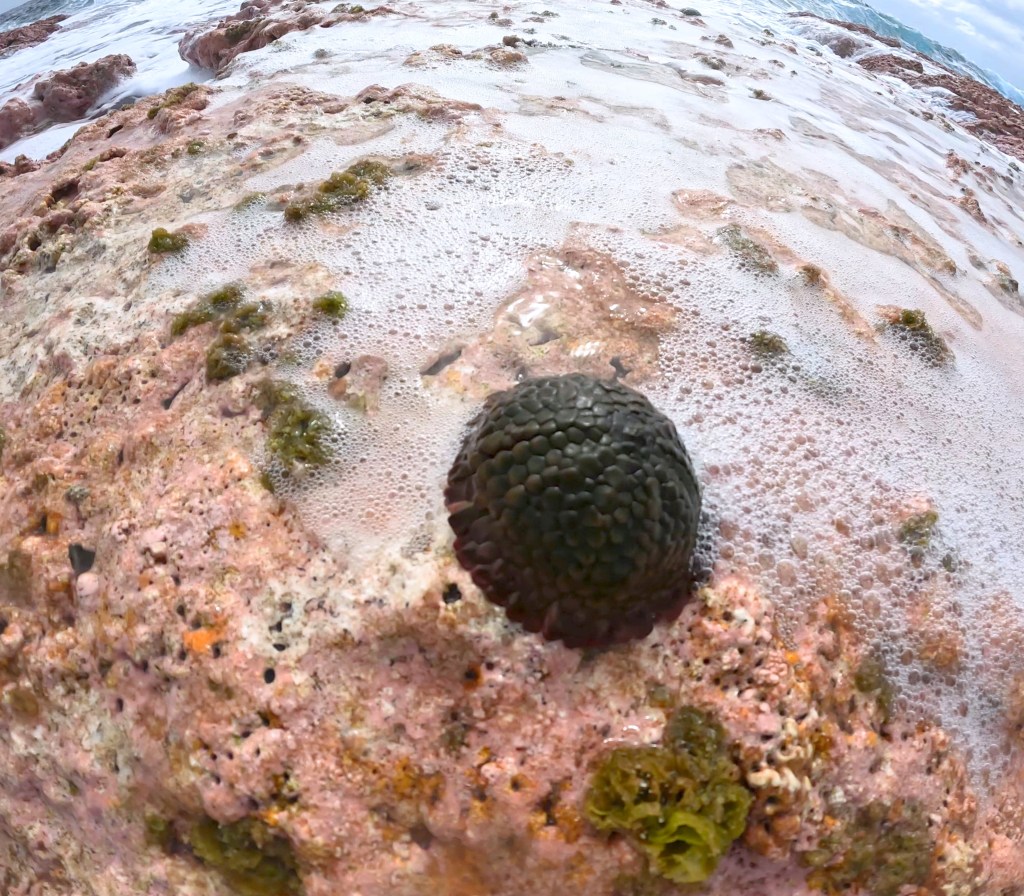
And, of course, we took many beach walks, it’s always fun to try to identify the strange new creatures. The black worm looking things are actually sea cucumbers. The second photo is yet to be determined. Both were found in the coral tide pools on the outer reef. Kathy’s favorite shelling place.
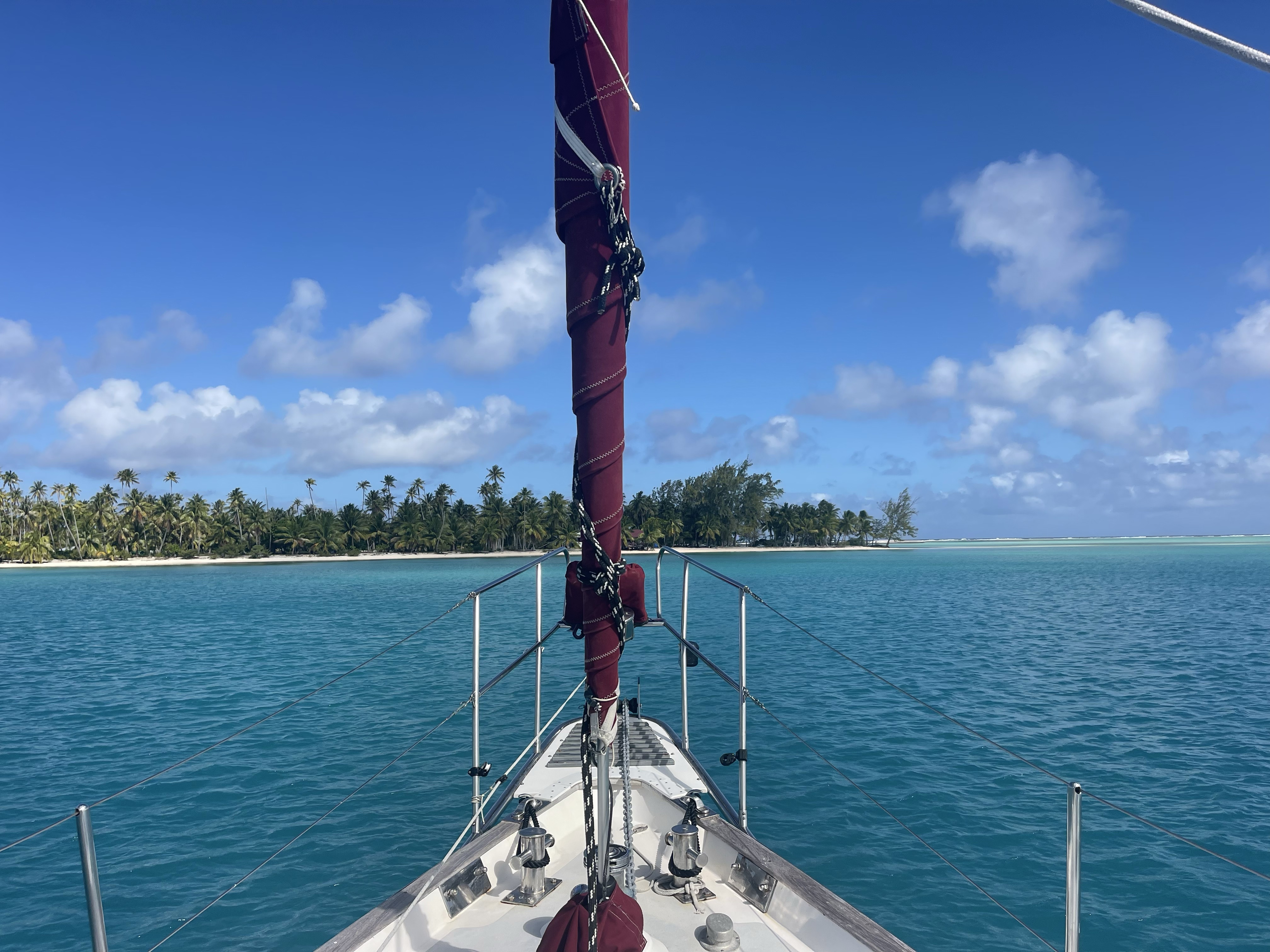
Navigation at its most extreme in these parts. There are no paper charts, no depth soundings and no navigational marks in sailing apps such as Navionics. In and aound all these atolls, you can see coral heads or “bommies” as they are called out here in Polynesian waters. You can clearly see the coral heads all about.
In and aound all these atolls and anchorages you can see coral heads or “bommies” as they are called here in Polynesian. A respectable and necessary practice here is to float your anchor chain, floating above these bommies, with 4-5 floats. Also important, most cruisers download files called OpenCPN for the coral heads and a crew is always on lookout (best if it is sunny and daytime). Satélite imagery is the key to sailing in the Tuomotus Atolls, since it’s some of the most remote place in the world. Cruisers rarely, if ever, traveled these atolls until recent years when satélite imagery was married to GPS positioning.
We use downloaded files called OpenCPN and of course our eyes. Satélite imagery is the key to sailing in some of the most remote places in the world. This location was inside the east side of Rangiroa, French Polynesia. Cruisers rarely, if ever, traveled these atolls until satélite imagery was married to GPS positioning. We travel areas like this only when the sun is at its highest so we can see the coral heads and white reefs. If it’s an overcast day, it’s a no go. Thank you friends on Fundango for the drone shots. Sea Bella will be getting her own drone later this year.
When we go exploring about in the dingy, we both are on a keen look out for these bommies, but also for the shallow waters and sand bars that are in front of the Motu inner islands. The outboard motor can be lifter into 3 different positions, when at its highest working position we draw about a foot. This is when one of us gets out to walk ashore.
We had shorty wetsuits for our long afternoon of snorkeling.4th of July beach party, Fakarava.
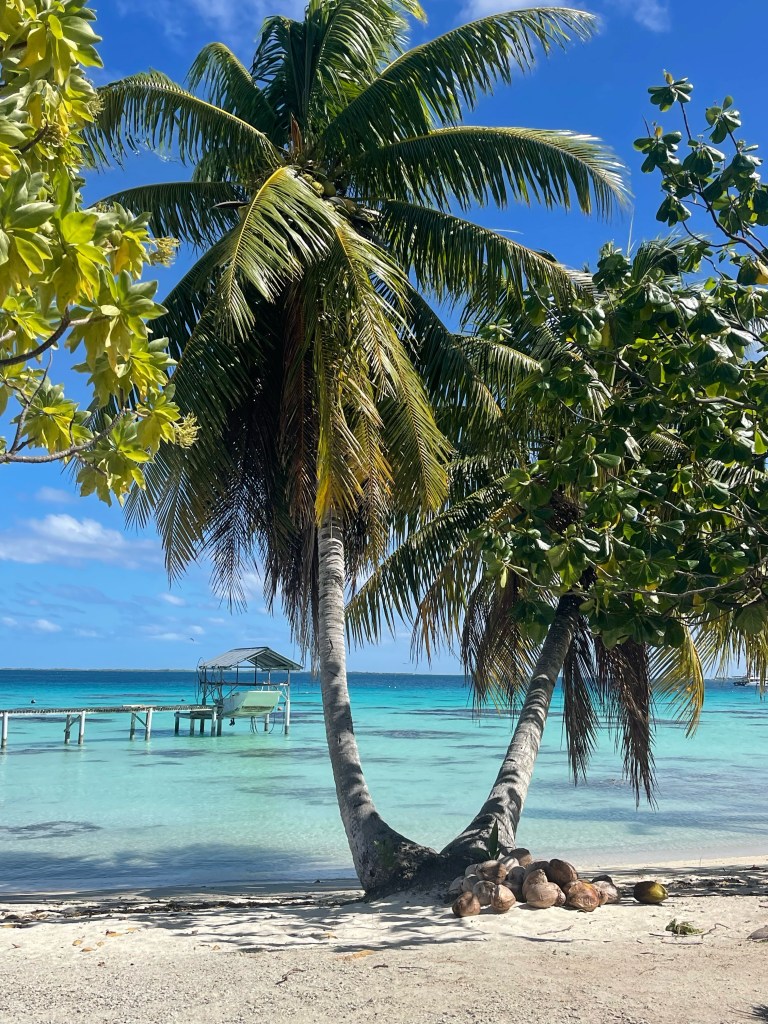
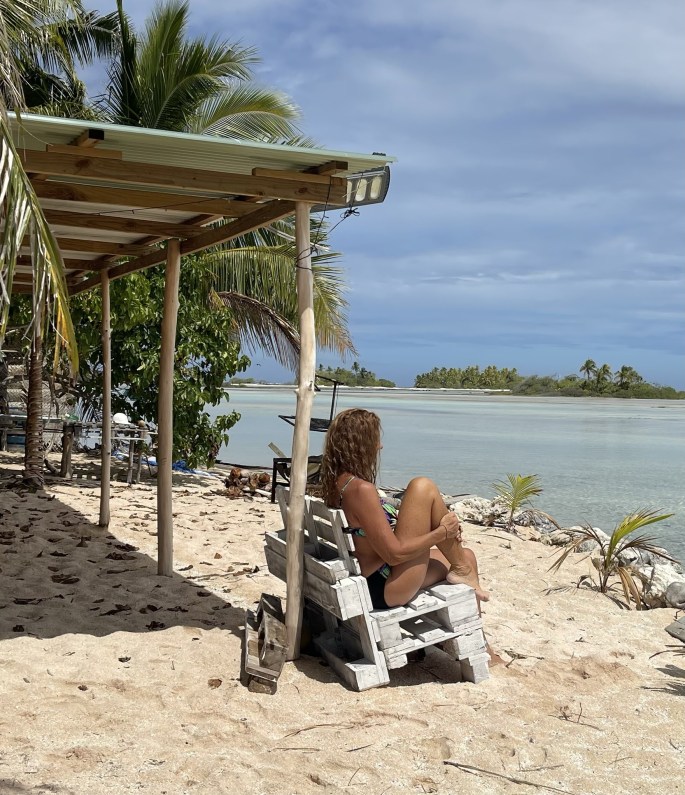
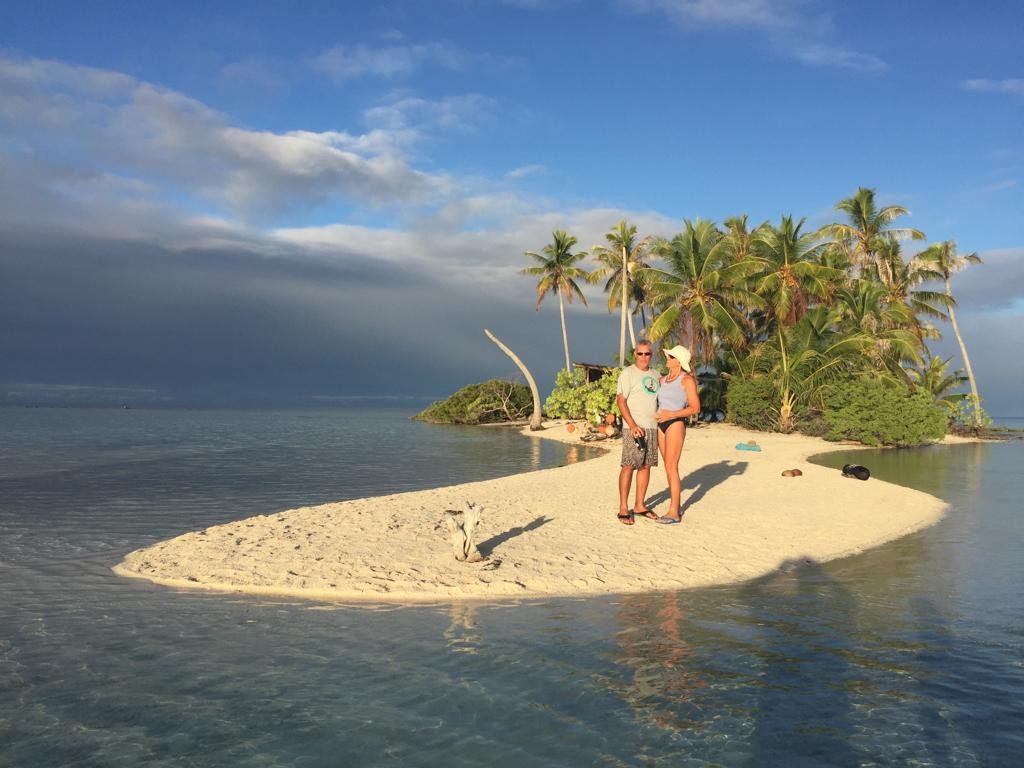
Sailing the French Polynesian waters of the Tuomotu Archepeligo is an amazing experience. Scott and I have spent most of the 6 month sailing season in and around about 8 Atolls. If you glance at a map, you will see these islands are all similar and mostly aligned with the SE trade winds, which makes for excellent travel in this direction. Our experienced was fabulous; the beauty of the pink sand beaches, reefs, sunsets, and sealife are remarkable. Most Atolls in the Tuomotus are very remote and only have a very small village with maybe a market or two. Shipments of foods and drinks come every week or two from Tahiti. Buying the French baguette or croissant is the excitement of the morning and a cruiser is lucky to find a few fresh vegetables or fruit. The people here are very friendly and helpful. It’s really a happy place. Although again, it’s very unusual to find fresh produce, so stocking up with canned or frozen is important.
A very typical cruiser schedule in the Tuomotus is ‘early to bed early to rise’ as is with most remote cruising experiences. Mornings are usually lazily spent reading or on Starlink, researching the area, conditions, resources, or making a family call or one to a mechanic, but hopefully not. After the DIY boat projects and repairs are done, most sweaty sailors are ready to snorkel a reef, have fun with water sports, or explore the Motu, see below photograph. Most anchorages in the Tuomotus Archipelago are extremely remote, with out a village or house for 10 miles. And as for a marine services, there is only one area and that is in Tahiti 300-600 miles away. So, cruisers rely on each other. Most people want a sense of community, support, and friendship. It’s typical that cruisers end most days with a social time (boaters are from all around the world out here, so multi languages is common in the anchorages) people are ready to gather up for social hour, usually at a close beach, to meet new friends, share stories, drinks and snacks, discuss weather, sailing, projects, local news, travel ideas, and maybe play some games. These months in the Tuomotus I learned that every day is kind of the same, but by far, the people and beautiful places make it a unique cruising ground.